Imagine walking into your child’s toy room and instead of feeling overwhelmed by chaos, you see a neat, inviting space that sparks creativity and play. Sounds like a dream, right?
But it’s entirely possible, and you can make it happen! Organizing a toy room doesn’t have to be a daunting task. With the right strategies, you can transform the mess into a masterpiece, making it easier for your kids to find their toys and for you to keep things tidy.
In this guide, we’ll walk you through simple, effective steps to reclaim your space and bring order to the toy room. Ready to turn clutter into calm? Let’s dive in and discover how you can create a joyful, organized play area your whole family will love.

Credit: lovelylittlehouse.com
Setting Goals
Setting goals is crucial for organizing a toy room effectively. Goals help you stay focused and ensure a clutter-free space. Clear objectives can transform chaos into order. Let’s explore how to set achievable goals for your toy room.
Define Your Purpose
Decide what the room will primarily be used for. Is it a play area, storage, or both? Knowing the purpose guides your organization plan. It helps prioritize what stays and what goes.
Identify Problem Areas
Take a moment to observe cluttered spots. These are areas needing immediate attention. Identifying them helps in setting specific goals to tackle each problem.
Set Realistic Timeframes
Break down the organization task into smaller parts. Assign a timeframe to each part. This prevents feeling overwhelmed and keeps progress steady.
Involve The Kids
Include your children in setting goals. They can choose favorite toys to keep. This teaches responsibility and ensures they value the organized space.
Prioritize Safety
Ensure the toy room is safe for play. Remove small objects and sharp items. Safety should always be a top goal in any organization plan.
Sorting And Decluttering
Create a tidy toy room by sorting toys into categories. Use bins and shelves to keep everything organized. Label containers for easy cleanup.
Sorting and decluttering a toy room can be a fun challenge. A tidy space brings peace and encourages play. This process involves categorizing toys and deciding what to keep. Let’s explore these steps.
Categorizing Toys
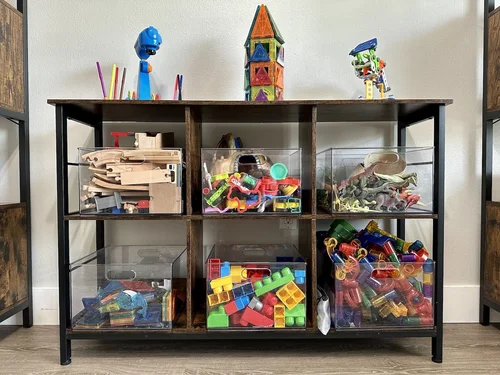
Start by grouping toys by type or theme. Use categories like dolls, action figures, and puzzles. You can also sort by age appropriateness. This helps find toys easily when needed. Consider using clear bins or baskets for storage. Label them for quick identification. Shelves can keep the room organized and toys visible.
- Group similar toys together.
- Use storage bins for easy access.
- Label containers for organization.
Deciding What To Keep
Choose toys that your child plays with often. Keep items that spark joy and creativity. Some toys may hold sentimental value. Evaluate the toy’s condition. Broken or worn-out toys might need to go. Donate or recycle toys no longer needed.
| Criteria | Action |
|---|---|
| Frequently used | Keep |
| Sentimental value | Consider keeping |
| Broken or outdated | Dispose or donate |
This creates space for new favorites and keeps the room fresh.
Choosing Storage Solutions
Organizing a toy room can be a challenge. Choosing the right storage solutions is vital. It keeps the room tidy and makes toys easy to find. Let’s explore some effective storage options that can transform chaos into order.
Bins And Baskets
Bins and baskets offer flexible storage. They come in various sizes and colors. These can fit on shelves or under beds. Labels on bins help kids find toys easily. Sturdy baskets are great for larger toys. These options keep everything contained and neat.
Shelving Options
Shelves are perfect for organizing toys. Adjustable shelves grow with your child’s needs. They provide space for books, games, and more. Open shelving allows for quick access. Closed shelving hides clutter and maintains a clean look. Choose durable materials for longevity.
Wall-mounted Storage
Wall-mounted storage maximizes space. Hooks and racks keep toys off the floor. Pegboards can hold a variety of items. Floating shelves add style and function. Magnetic strips hold metallic toys securely. This solution keeps the floor free and clear.
Creating Zones
Divide the toy room into specific zones for play, storage, and creativity. Use bins or shelves to keep toys organized. Label each area to help children know where toys belong.
Organizing a toy room can feel overwhelming, but breaking it down into zones makes it manageable and fun. By creating specific areas for different activities, you bring structure and clarity to the chaos. These zones not only help in maintaining order but also encourage focused play and learning. Let’s explore how you can transform your toy room into a well-organized haven for creativity and exploration.
Play Areas
Reading Nooks
Craft Stations
Labeling And Accessibility
Label shelves and bins to make toy organization simple. Ensure clear labels for easy access, especially for young children. Consider color-coded labels to enhance accessibility and aid quick identification.
Organizing a toy room can transform chaos into calm. Labeling and accessibility play a crucial role in this transformation. Labels help categorize toys, making cleanup easy. Accessibility ensures that kids can reach their toys safely. This combination encourages children to play independently and clean up after themselves.
Using Labels
Labels are the secret to a tidy toy room. They provide a clear system for toy organization. Use picture labels for younger children who can’t read yet. Pictures help them identify where each toy belongs. For older kids, you can use word labels. This supports their reading skills while organizing. Create labels using durable materials. Laminated labels last longer and withstand wear. Attach labels to bins, shelves, and boxes. Consistent labeling across the room keeps things clear.
Easy Access For Kids
Accessibility is key to an organized toy room. Toys should be within reach of children. This encourages independence in play and cleanup. Use low shelves for easy access to toys. Avoid stacking toys too high. This prevents accidental falls or injuries. Keep heavier items on lower shelves for safety. Use open baskets and bins for frequently used toys. This makes it easy for children to grab and store toys. Rotate toys occasionally to maintain interest and variety.
Incorporating Decor
Creating a tidy toy room can be simple with smart decor choices. Use colorful storage bins to sort toys. Add shelves for books and display favorite items to keep the space organized and fun.
Incorporating decor into your toy room can be both fun and functional, transforming chaos into a delightful space for your little ones. While organizing toys can feel overwhelming, adding decor elements will inject personality and creativity into the room. The right decor choices not only enhance aesthetics but also contribute to the room’s organization by providing clever storage solutions.
Color Themes
Choosing a color theme sets the tone for the entire toy room. Consider colors that evoke joy and creativity, like vibrant yellows, calming blues, or pastel greens. You might wonder: How do these colors affect the room’s mood? A consistent color palette can help tie the room together, making it visually appealing and cohesive. If your child has a favorite color, you can start there and build around it. Remember, the colors you choose can also help in zoning different areas within the room, like play zones and reading nooks.
Functional Decor
Decor isn’t just about looks; it can be practical too. Think about adding wall hooks shaped like animals or cars, which can serve as both decor and storage for bags or hats. Another idea is to use decorative baskets or bins that add a splash of color while keeping toys organized. Shelving units with fun shapes, like trees or rockets, can double as book storage and a playful decor element. Have you considered multifunctional furniture, like a bench with storage space underneath? These pieces can help keep the room tidy and provide extra seating. By thoughtfully selecting decor, you’re not just beautifying the space; you’re making it more efficient and enjoyable for your children.
Maintaining Organization
Create a tidy toy room by sorting items into labeled bins and shelves. Use clear containers to see toys easily. Regularly rotate toys to keep the space fresh and organized.
Maintaining organization in a toy room can feel like a never-ending battle, but with a few smart strategies, you can keep chaos at bay. Creating a space where your kids can play freely and still find their toys is crucial for both their enjoyment and your sanity. The secret lies in regular maintenance and clever systems that make tidying up a breeze.
Routine Clean-up
Consistency is key. Set a daily or weekly schedule for tidying up the toy room. You might find that a quick 15-minute clean-up each evening works wonders. Involve your kids in the process; it teaches them responsibility and makes the task more enjoyable. Create a fun clean-up game. Challenge them to beat a timer or put away a certain number of toys. You’ll be surprised how quickly the room tidies up when everyone is involved. Keep a basket or bin handy for toys that need to be put away in different rooms, ensuring nothing gets left out.
Seasonal Toy Rotation
Keep things fresh and exciting by rotating toys. Not only does this help maintain organization, but it also makes old toys feel new again. Box up some toys and store them out of sight, then swap them out every few months. This rotation keeps the toy room from becoming overcrowded. It also helps you see which toys are truly loved and which ones might be ready for donation. Encourage your children to help choose which toys to keep in the room and which to store away. This involvement can lead to a greater appreciation and care for their playthings. By incorporating these strategies, maintaining an organized toy room becomes manageable and even fun. What methods have you found useful in keeping your toy room tidy?

Credit: www.reddit.com
Involving Kids
Create a fun and tidy toy room by involving kids in the organizing process. Encourage sorting toys into categories like blocks, dolls, and puzzles. Use colorful bins and labels for easy cleanup and accessibility.
Involving kids in organizing their toy room is a great approach. It helps them learn responsibility and keeps the space tidy. Kids can be part of the process, making it an enjoyable activity. This involvement also fosters creativity and independence. Let’s explore how to engage them effectively.
Teaching Responsibility
Encourage kids to take care of their toys. Show them how to put toys back after playing. Explain the importance of keeping toys organized. This teaches them valuable life skills. Use simple language to make it easy for them to understand. Praise their efforts to boost their confidence.
Making Clean-up Fun
Turn clean-up time into a game. Create challenges like timing how fast they can tidy up. Use colorful bins and labels for sorting toys. Play their favorite music during cleanup. Offer rewards for completing tasks. Make it a fun and engaging experience.

Credit: www.latimes.com
Frequently Asked Questions
How Can I Declutter The Toy Room Effectively?
Start by sorting toys into categories like dolls, blocks, and games. Remove broken or unused items. Use bins and shelves for organization. Label containers for easy access. Rotate toys to keep the room fresh and engaging. Regularly assess and declutter to maintain an organized space.
What Storage Solutions Work Best For Toys?
Use clear bins for visibility and easy access. Shelving units can maximize vertical space. Consider toy chests for larger items. Stackable bins help save space. Wall-mounted organizers can keep small toys tidy. Choose storage solutions that suit your room size and layout.
How Often Should I Organize The Toy Room?
Organize the toy room every few months. Frequent tidying prevents clutter buildup. Rotate toys to keep the room engaging. Regularly check for broken or unused items. Involve your child in the process to teach responsibility. Consistent organizing maintains a neat and enjoyable space.
Are There Creative Ways To Store Toys?
Yes, use hanging shoe organizers for small toys. Install pegboards for flexible storage options. Repurpose old furniture for unique storage solutions. Use under-bed storage for infrequently used toys. Create themed zones to encourage play and organization. Creativity can enhance both functionality and aesthetics.
Conclusion
Organizing a toy room makes life easier for everyone. Tidy spaces improve playtime. Kids find their favorite toys faster. Parents relax knowing everything has a place. Start small and build habits. Use bins, shelves, and labels. Rotate toys to keep things fresh.
Remember, involve your children. Teach them the value of a clean space. Make it fun with colors and themes. A well-organized toy room encourages creativity. It fosters responsibility too. With these tips, toy chaos can become a playful paradise. Keep it simple.
Keep it organized. Enjoy the newfound space and peace.