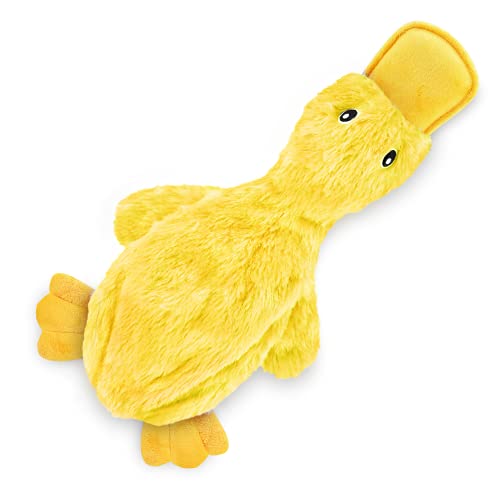
How to Clean Dog Plush Toys: A Step-by-Step Guide
Have you ever noticed that your dog’s plush toys are looking a bit worse for wear? They might be sticky, smelly, or just plain dirty.
If you’re like most pet owners, these toys are more than just playthings; they’re companions for your furry friend. Keeping them clean isn’t just about appearance—it’s crucial for your dog’s health and happiness. Imagine a world where your dog enjoys their favorite plush toy without any hidden germs or allergens.
Sounds great, right? You’ll discover simple and effective ways to clean dog plush toys, ensuring they remain safe and enjoyable for your pet. Let’s dive in and reclaim those beloved toys from the grips of dirt and grime!
Choosing The Right Cleaning Method
Choosing the right cleaning method ensures your dog’s plush toys remain safe and clean. Different toys need different approaches. Understanding what works best keeps the toys fresh and lasts longer. Let’s explore how to pick the best cleaning technique for these cuddly companions.
Assessing Toy Material
Start by examining the toy’s fabric. Plush toys often come in cotton, polyester, or fleece. Each material has unique cleaning needs. Cotton is durable and withstands machine washing. Polyester might require gentle hand washing. Fleece can be sensitive, needing extra care. Knowing the material helps in selecting the appropriate cleaning method.
Checking Care Instructions
Always check the toy’s label for care instructions. Manufacturers provide specific guidelines. These labels indicate whether machine washing is safe or if hand washing is required. Some toys might need spot cleaning only. Following these instructions prevents damage. Labels also guide on drying methods, ensuring the toy retains its shape and texture.

Credit: www.instagram.com
Pre-cleaning Preparations
Gather cleaning supplies like mild detergent and water. Examine toys for damage or removable parts before washing. Check labels for washing instructions.
Pre-cleaning preparations are essential for cleaning dog plush toys effectively. This process helps remove dirt and check for any damages. Follow these steps to ensure your dog’s toy is ready for cleaning.Removing Loose Debris
Start by shaking the toy gently. This helps dislodge loose dirt and debris. If the toy is small, use a soft brush to remove dirt. Brushing helps maintain the toy’s fabric. For larger toys, a vacuum cleaner can be useful. Use a handheld vacuum for quick debris removal.Inspecting For Damage
Check the plush toy thoroughly for any signs of damage. Look for tears, loose threads, or holes. Damaged toys may require repairs before cleaning. Sewing kits can help fix small tears. For larger damages, consider professional repair services. Make sure the toy is safe for your dog to play with after cleaning.Hand Washing Techniques
Cleaning dog plush toys requires gentle hand washing techniques. Use mild soap and warm water to scrub off dirt and stains. Rinse thoroughly, squeeze out excess water, and air dry completely to prevent odor and mold.
Cleaning dog plush toys by hand keeps them fresh and safe. It’s gentle and ensures the toy lasts longer. Not all toys can handle machine washing. Hand washing is the best method for delicate toys. Let’s explore effective hand washing techniques.Selecting Cleaning Solutions
Begin with choosing the right cleaning solution. Opt for mild detergents or natural cleaners. Harsh chemicals can harm the toy and irritate your dog’s skin. Test the solution on a small area first. Ensure it doesn’t damage the toy’s fabric.Gentle Scrubbing Methods
Use a soft brush or cloth for scrubbing. Gently work the cleaning solution into the fabric. Focus on stained or dirty areas. Avoid vigorous scrubbing to prevent damage. Use circular motions for effective cleaning.Proper Rinsing
Rinse the toy thoroughly with clean water. Ensure all soap residues are removed. Soap can cause skin irritation if not rinsed well. Squeeze out excess water gently. Repeat rinsing if necessary to ensure cleanliness.Machine Washing Tips
Machine washing can be a lifesaver when dealing with grubby dog plush toys. It’s quick, efficient, and can make your pet’s favorite plaything look brand new. But are you doing it right? Using the wrong settings or skipping essential steps might damage the toy or not get it as clean as you’d like. Let’s dive into some tips that can help you get the best results.
Choosing Wash Settings
Selecting the right settings on your washing machine is crucial. Opt for a gentle cycle to avoid rough tumbling that can tear or deform the toy. Warm water is generally best for lifting dirt and bacteria without causing color fading. Avoid the temptation to use hot water, as it can shrink some materials or cause colors to bleed. Do you know what material your dog’s toy is made of? This can influence your choice significantly.
Using Laundry Bags
Laundry bags are not just for delicates! Placing plush toys in a mesh laundry bag before washing can prevent tangling and stretching. This added layer of protection helps maintain the toy’s shape and avoids direct contact with the agitator. Think of it as a safety net for your furry friend’s favorite toy. Have you tried this trick before? You might be surprised at how effective it is.
Drying Recommendations
Proper drying is essential to prevent mold and maintain the toy’s integrity. Opt for air drying whenever possible, as the heat from a dryer can cause fabric damage or shrinkage. Simply lay the toy flat on a towel in a well-ventilated area. If you must use a dryer, choose a low heat setting and place the toy back in the laundry bag for added protection. Are you curious about how long this might take? It varies based on the toy’s size and material, but patience is key.
Drying And Storage
Dry dog plush toys thoroughly before storage to prevent mold. Store them in a cool, dry place. Use airtight containers or bags to keep them clean and fresh.
Drying and storing your dog’s plush toys correctly not only extends their lifespan but also keeps them fresh and safe for your pet. After washing, it’s crucial to dry them thoroughly to prevent mold and odors. Storing them properly ensures they are always ready for playtime. Let’s dive into effective methods for drying and storing these beloved toys.Air Drying Guidelines
Air drying is a gentle way to dry plush toys without causing damage. Lay the toys on a clean towel in a well-ventilated area. Flipping them occasionally helps ensure even drying. Some people hang toys on a clothesline using clothespins. This method lets gravity help the drying process, but be cautious of deforming the toys. Consider placing a fan nearby to speed up the drying time.Avoiding Direct Sunlight
Direct sunlight might seem like a good idea, but it can fade colors and weaken fabric fibers. Instead, choose a shaded area that still gets good airflow. If outdoor drying is your only option, try to pick a cloudy day or place them under a patio. Keep an eye on the weather to avoid unexpected rain showers.Proper Toy Storage
Once dry, store toys in a clean, dry place to keep them in good condition. Use a dedicated basket or bin that allows for some airflow. This prevents musty odors from forming. Consider rotating toys every few weeks. This not only keeps your dog interested but also gives you a chance to inspect them for damage. If you notice any wear and tear, decide if a quick repair can extend the toy’s life. What creative storage solutions have you tried to keep your dog’s plush toys organized? Your ideas might just inspire other pet owners!
Credit: www.facebook.com
Maintaining Toy Hygiene
Regularly cleaning dog plush toys ensures they remain safe and hygienic. Use mild soap and warm water to gently scrub and rinse the toys. Air drying helps preserve their softness and shape.
Maintaining the hygiene of your dog’s plush toys is not just about keeping them looking fresh. It’s essential for the health of your furry friend. Plush toys can harbor bacteria, dirt, and even parasites over time. Regular cleaning is crucial to prevent these unwanted guests from affecting your pet. Moreover, clean toys can extend their life, saving you money and trips to the pet store.Regular Cleaning Schedule
Establish a regular cleaning routine for your dog’s plush toys. A simple bi-weekly wash can do wonders. Use mild soap and warm water for hand washing or toss them in a gentle cycle if they’re machine-washable. Always check the label for specific cleaning instructions. Some toys can only be spot-cleaned, while others might tolerate a full wash. Keep a close eye on toys that have electronic components or squeakers.Identifying When To Replace
Even with regular cleaning, every plush toy has a lifespan. Look for signs like frayed seams, loose stuffing, or excessive wear. These can be choking hazards or lead to ingestion of non-digestible materials. If a toy has a persistent odor that doesn’t go away even after cleaning, it’s time to say goodbye. Ask yourself: Would you want your dog chewing on something that smells awful? Prioritize your dog’s safety and comfort by replacing old toys promptly. By maintaining a diligent cleaning and replacement routine, you ensure a safe and happy playtime for your dog. What steps will you take today to improve your pet’s toy hygiene?Addressing Common Concerns
Cleaning dog plush toys is essential for your pet’s health. Over time, these toys can gather dirt, odors, and stubborn stains. Addressing these common concerns will help maintain your pet’s favorite playthings.
Handling Stubborn Stains
Stubborn stains can ruin your dog’s plush toys. Start by using a gentle detergent. Mix it with warm water. Use a soft brush to scrub the stained area. If the stain persists, try a vinegar solution. Combine equal parts vinegar and water. Apply it to the stain and let it sit for a few minutes. Then rinse thoroughly.
Dealing With Odors
Dog toys can sometimes have a bad smell. To tackle this, use baking soda. Sprinkle it on the toy and let it sit overnight. The baking soda absorbs odors. In the morning, shake off the excess powder. For a deeper clean, wash the toy in hot water. Add a few drops of essential oil for a fresh scent. Lavender or lemon work well.

Credit: www.amazon.com
Frequently Asked Questions
How Often Should I Clean Dog Plush Toys?
You should clean dog plush toys every few weeks. Regular cleaning prevents bacteria buildup and keeps toys fresh. Consider washing them more frequently if they are heavily used or if your dog has allergies. Always check the toy’s label for specific cleaning instructions.
Can I Use A Washing Machine For Dog Toys?
Yes, many plush toys are machine washable. Use a gentle cycle with mild detergent and avoid fabric softeners. After washing, air dry or use a low-heat setting in the dryer. Always check the toy’s label to ensure it’s safe for machine washing.
Are There Homemade Cleaning Solutions For Plush Toys?
Yes, you can use a mild soap and warm water mix. Avoid harsh chemicals that might harm your dog. For stubborn stains, a mix of vinegar and baking soda can be effective. Ensure toys are thoroughly rinsed and dried before giving them back to your dog.
Is It Safe To Bleach Dog Plush Toys?
Bleach is generally not recommended for plush toys. It can damage fabric and leave harmful residues. Opt for natural cleaning methods like vinegar or baking soda. Always ensure toys are rinsed thoroughly to remove any cleaning solution.
Conclusion
Keeping your dog’s plush toys clean is important for their health. Regular washing removes dirt and bacteria. Always read care labels before cleaning. Use mild soap and warm water for hand washing. For machine washing, choose a gentle cycle. Air drying is best to maintain the toy’s shape.
Inspect toys regularly for wear and tear. Replace damaged toys to ensure safety. A clean toy keeps your dog happy and healthy. Plus, it extends the life of their favorite plaything. Simple steps that make a big difference. Your dog deserves clean, fun toys.