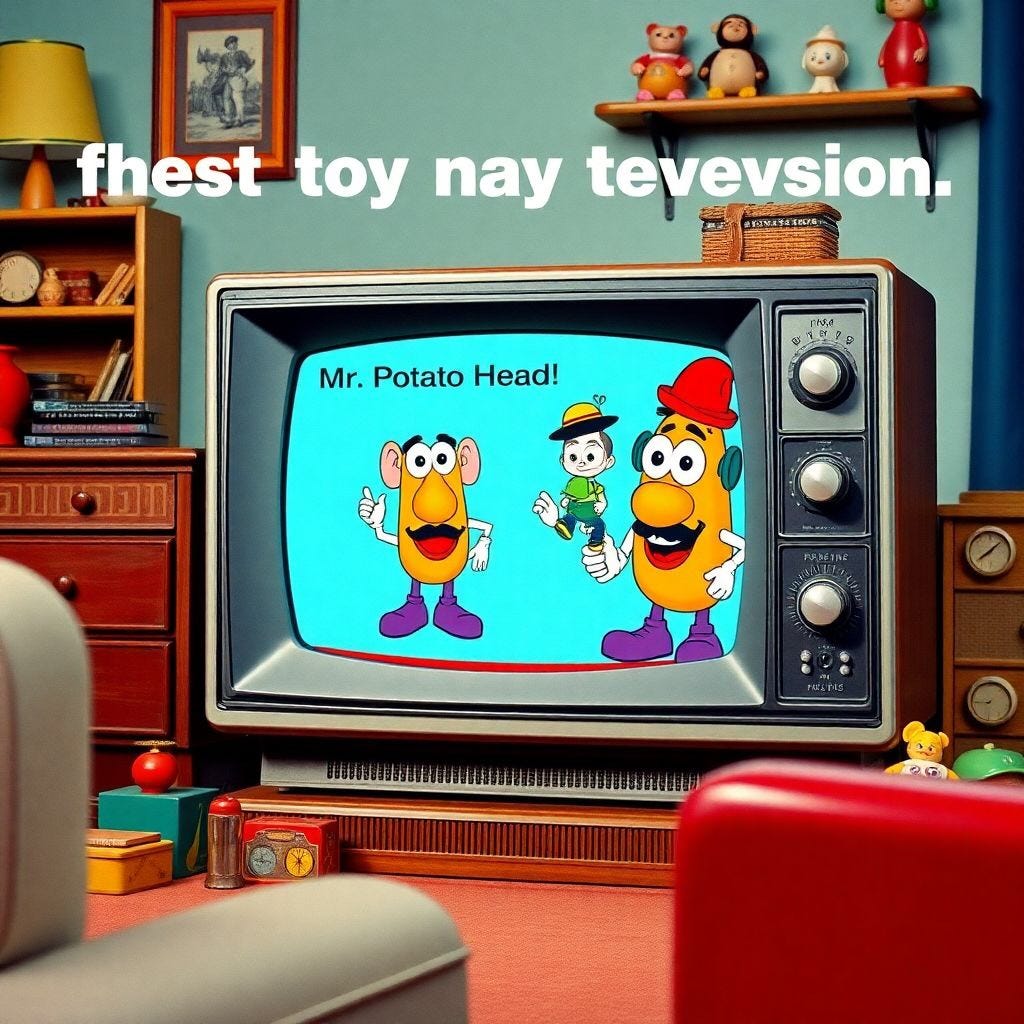
Have you ever wondered which toy made history by becoming the first to be advertised on television? As someone who loves toys or is curious about marketing breakthroughs, this intriguing story will captivate your interest.
Imagine the excitement of children and parents alike when a colorful, exciting toy flashed across their screens for the first time. This iconic moment marked a new era in advertising and changed the way toys reached you and your family.
Keep reading to discover the surprising answer and explore how this milestone shaped the toy industry you know today.
The Dawn Of Tv Advertising
Mr. Potato Head became the first toy advertised on TV in 1952. This marked a new era in advertising. It showed the power of television to reach millions and boost sales.
The Dawn of TV Advertising Television began changing the advertising world in the late 1940s. Brands now had a new way to reach people in their homes. This change marked the start of a new era. Ads were no longer just in newspapers or on the radio. TV brought visuals and sounds into living rooms.Introducing The First Tv Toy Advertisement
In 1952, a toy made history by being the first advertised on TV. Mr. Potato Head was the toy that broke new ground. Before this, toys were mainly advertised in print. TV ads were fresh, exciting, and reached many eyes.Impact On Toy Sales
Mr. Potato Head’s TV ad had a huge impact on sales. Parents saw the toy in action during commercial breaks. Children begged for it after seeing it on TV. Sales soared, showing TV’s power in advertising toys.Changing Marketing Strategies
Companies began to realize the potential of TV ads. Marketing strategies shifted to focus more on television. Ads became more creative and engaging to capture attention. The success of Mr. Potato Head led to more toys being advertised on TV.The Role Of Visuals And Sound
TV ads combined visuals and sound, making them more appealing. Unlike radio, viewers saw the product, making ads memorable. This combination helped brands create strong emotional connections.
Credit: www.facebook.com
The Birth Of The Commercial Toy
The 1950s marked a new era for toys. Television became a household staple. This changed how companies reached children. The first toy advertised on TV was Mr. Potato Head. This event marked the birth of the commercial toy.
Emergence Of Television As A Medium
Television transformed marketing strategies. It reached homes directly. People gathered around TVs daily. Companies saw an opportunity. They could showcase products like never before. Toys found a new platform. Ads targeted both children and parents. The visual appeal of TV made toys irresistible.
Impact On Consumer Culture
TV ads influenced buying habits. Children saw toys in action. They wanted the fun they saw on screen. Parents felt the pressure to buy. The demand for advertised toys soared. Mr. Potato Head became a household name. The success of TV ads reshaped consumer culture. It set a precedent for future toy marketing.
The First Toy Advertised On Tv
Mr. Potato Head was the first toy to be advertised on TV. This iconic toy hit television screens in 1952. Its commercial marked a new era in toy advertising, capturing the attention of children and parents alike.
The advent of television changed the way products were advertised, bringing them directly into living rooms across the world. One of the first toys to benefit from this new medium was Mr. Potato Head. It was a game-changer, not just in terms of sales but in how toys were marketed. The success of Mr. Potato Head’s TV debut paved the way for countless other toys, setting the stage for a new era in advertising.Introduction Of Mr. Potato Head
Mr. Potato Head was introduced to the market in 1952 by Hasbro, making history as the first toy advertised on television. This quirky toy allowed children to use various plastic pieces to create funny faces on a potato, tapping into creativity and humor. Did you ever imagine a simple potato could become a cherished friend for kids? The concept was simple yet ingenious, resonating with children and parents alike.Creative Marketing Strategies
The marketing campaign for Mr. Potato Head was innovative for its time. Advertisements were directly targeted at children, a novel strategy that proved incredibly effective. Imagine the excitement of kids seeing a toy they could instantly connect with on screen! The commercial featured a catchy jingle and showcased the endless possibilities of play, sparking imagination and desire. Hasbro’s strategy also included engaging parents by highlighting the toy’s educational benefits. By combining fun with learning, Mr. Potato Head became a staple in households, bridging the gap between playful creativity and developmental growth. This dual approach of targeting both children and parents ensured the toy’s lasting appeal. How often do you see such creativity in today’s ads? The success of Mr. Potato Head’s TV advertising campaign not only boosted sales but also changed the landscape of toy marketing forever.
Credit: www.youtube.com
Mr. Potato Head’s Cultural Impact
Mr. Potato Head, the first toy ever advertised on television, has left an indelible mark on popular culture. It wasn’t just a simple spud with removable parts; it was a catalyst for creativity and imagination. As we explore its cultural impact, it’s clear that Mr. Potato Head was more than just a toy—it was a pioneer in children’s entertainment and a trendsetter in the toy industry.
Shaping Children’s Entertainment
Mr. Potato Head transformed the way children interacted with their toys. Unlike static dolls or action figures, this toy invited kids to create, disassemble, and reassemble its parts in countless configurations. This interactive play was not only fun but also educational, helping children develop fine motor skills and creativity.
Reflect on your own childhood—did you ever create a silly face on Mr. Potato Head and laugh at your masterpiece? Such moments were not just playful; they were fundamental in shaping your imagination and problem-solving skills. Mr. Potato Head encouraged children to think outside the box, crafting unique personalities for their potato pal.
Influence On Toy Industry Trends
Mr. Potato Head’s success on television set a precedent for how toys could be marketed and sold. It demonstrated the power of visual advertising, leading to a boom in TV commercials specifically targeting young audiences. This shift significantly impacted the toy industry, as companies began to focus more on creating visually appealing and interactive products.
Consider the variety of toys available today that encourage interactive play—many owe a nod to Mr. Potato Head’s pioneering concept. From buildable block sets to customizable action figures, the toy industry continues to evolve, fostering creativity and engagement in new generations. How has this evolution affected the way you choose toys for the children in your life?
As you ponder the legacy of Mr. Potato Head, think about its role in shaping both the toys of today and the creative minds of tomorrow. It’s a reminder that sometimes, the simplest ideas can have the most profound impact.
Evolution Of Toy Advertising
The first toy ever advertised on TV was Mr. Potato Head in 1952. Its commercial marked a new era in toy marketing. This pioneering ad transformed how toys reached children and parents alike.
The ‘Evolution of Toy Advertising’ marks a significant shift in how toys are marketed. The first toy advertised on TV was Mr. Potato Head in 1952. This event changed toy marketing forever, leading to a new era where television became a crucial tool for reaching consumers. Over the years, toy advertising evolved, adapting to new technologies and shifting consumer preferences. This evolution reflects changes in society and advancements in technology.Technological Advancements
Toy advertising has seen many technological changes. Early ads were simple and black-and-white. As color TV became popular, ads became more vibrant. This made toys look more exciting. With time, animation and special effects improved. This allowed brands to create engaging ads. Today, digital technology plays a big role. Online ads and social media are now essential. They target specific audiences effectively. This has transformed how toys reach consumers.Changing Consumer Preferences
Consumer preferences have shifted over the decades. In the past, ads focused on the toy itself. They showed how fun or educational it was. Now, ads often highlight experiences and lifestyle. Brands connect with consumers emotionally. They tell stories and create characters. This strategy appeals to modern audiences. Parents and children look for toys that fit their values. Ads now reflect this change. They focus on sustainability and innovation. This shift influences toy advertising strategies today.Lessons From History
The world of advertising has evolved dramatically since the first toy was advertised on television. That toy was Mr. Potato Head in 1952, marking the dawn of a new era in marketing. The lessons learned from this historic moment continue to influence how products are promoted today. Understanding these lessons can offer valuable insights into creating effective advertising strategies that resonate with audiences.
Advertising Strategies Today
Advertising strategies have come a long way since Mr. Potato Head made its TV debut. Today, advertisers leverage digital platforms, social media, and influencer partnerships to reach target audiences. Yet, the core principles remain the same: capturing attention and creating a memorable connection with the consumer.
Consider how you can use storytelling in your campaigns. A compelling narrative, much like those early commercials, engages viewers and keeps them interested. Ask yourself, what story does your product tell?
Legacy Of Television Commercials
Television commercials set the foundation for modern advertising. They introduced the concept of visually engaging audiences, which remains crucial today. These early ads demonstrated the power of repetition, a tactic still effective in building brand recognition.
Reflect on how television changed the way products were perceived. The visual impact and emotional appeal became essential components of successful marketing. Are you using these elements to enhance your brand’s message?
While technology and platforms have evolved, the fundamental lessons from history remind us of the timeless principles of advertising. Whether it’s through a screen or a scroll, understanding these concepts can significantly enhance your approach to reaching and engaging your audience.

Credit: www.denisonforum.org
Frequently Asked Questions
What Was The First Toy Advertised On Tv?
The first toy advertised on TV was Mr. Potato Head. It debuted in 1952 and revolutionized toy marketing. Mr. Potato Head was unique because it allowed children to create funny faces using interchangeable parts. This innovative advertising approach helped the toy become an instant success and a cultural icon.
When Did Mr. Potato Head First Appear On Television?
Mr. Potato Head first appeared on television in 1952. It was the first time a toy was promoted through TV commercials. The campaign was highly successful, marking a new era in advertising. This innovative marketing strategy contributed to Mr. Potato Head’s rapid popularity and enduring legacy.
Why Was Mr. Potato Head’s Tv Ad Significant?
Mr. Potato Head’s TV ad was significant because it was a groundbreaking marketing strategy. It was the first time television was used to advertise a toy. This innovative approach changed the way toys were marketed, leading to increased sales and setting a new standard in the industry.
How Did Tv Advertising Impact Mr. Potato Head Sales?
TV advertising had a tremendous impact on Mr. Potato Head sales. The commercials reached a wide audience and quickly captivated children. As a result, the toy’s popularity soared, and it became a best-seller. The success demonstrated the power of television as an effective advertising medium.
Conclusion
The first toy advertised on TV was Mr. Potato Head. This moment marked a new era for toy marketing. Television brought toys into living rooms across America. Children saw the toy and wanted it immediately. Parents learned about new products faster.
Mr. Potato Head’s success opened doors for future toy ads. Companies realized TV’s power in reaching families. Today, TV ads continue to shape consumer habits. The impact of that first toy ad is still felt. Mr. Potato Head paved the way for modern toy advertising.
A small toy with a big legacy. A pioneer in TV history.