Have you ever wondered how that favorite toy in your hands came to life? It’s fascinating to think about the journey from an idea in a designer’s mind to a toy that sparks joy and imagination.
Understanding how toys are made not only satisfies your curiosity but also gives you a deeper appreciation for the craftsmanship and innovation involved. You might be surprised to learn about the intricate steps and the creative minds behind each piece.
Dive into this eye-opening exploration, and you’ll discover the secrets behind how toys are made, transforming the way you see these beloved objects. Ready to unlock the magic behind the making of toys? Let’s get started!

Credit: www.youtube.com
Idea Generation
Toys begin as creative ideas, transforming into fun objects through design and materials. These concepts then become prototypes, tested for safety and durability. Finally, they are mass-produced to delight children worldwide.
Generating ideas for toys is where creativity takes center stage. It’s the birthplace of every toy that captures the hearts of children around the world. This initial phase is crucial because it sets the foundation for everything that follows.Research And Inspiration
To kick off the idea generation process, toy designers delve into extensive research. They explore current trends, popular characters, and even children’s preferences. Observing kids at play provides a treasure trove of inspiration, revealing what sparks joy and imagination.Brainstorming Sessions
Creative teams often hold brainstorming sessions to unleash their collective imagination. These sessions are vibrant, filled with sticky notes, sketches, and animated discussions. The goal is to generate as many ideas as possible, without judging their feasibility at this stage.Feedback From Children
Children are the ultimate toy testers. Involving them in the idea generation process can yield surprising insights. Their unfiltered feedback often points to features adults might overlook.Market Analysis
Understanding the market is crucial. What are competitors offering? What are the gaps in the market? By analyzing these factors, designers can pinpoint opportunities to create something unique.Prototyping Concepts
Once promising ideas emerge, the next step is to bring them to life through prototypes. These early models help in visualizing concepts and identifying potential improvements. It’s an exciting phase where imagination meets reality. As you explore these steps, consider what toys captivate you or your children. What makes them special? Your insights might just be the spark for the next big idea in the toy industry.Design And Prototyping
Toys come to life through careful design and prototyping. Designers sketch ideas, turning imagination into reality. Prototypes help test functions and safety.
The journey of creating a toy begins with design and prototyping. This stage shapes ideas into tangible forms. Designers brainstorm, sketch, and test their concepts. These steps ensure that toys are safe, fun, and engaging for children. Let’s explore these stages further.Sketching Concepts
Designers start by sketching toy ideas on paper. They consider shapes, colors, and functions. Each sketch represents a unique idea. Designers often create multiple sketches. This allows for a variety of creative options. Feedback is crucial at this stage. It helps refine the best ideas.Creating Prototypes
Once a sketch is approved, designers build prototypes. Prototypes are early models of the toy. They test how the toy works and feels. Designers use materials like clay or plastic. Adjustments are made based on testing results. This process ensures the final product is perfect. Each prototype brings the design closer to reality.Material Selection
Choosing the right materials is crucial in toy production. Plastics, wood, and fabrics are common due to their durability and safety. Manufacturers prioritize non-toxic and eco-friendly materials to ensure children’s safety and enhance product appeal.
Material selection is a crucial step in toy manufacturing that affects everything from safety to sustainability. Every toy you encounter has undergone a thoughtful process to ensure it meets the necessary standards. This section will delve into how manufacturers choose materials, focusing on safety and environmental impact.Choosing Safe Materials
Safety is the top priority when selecting materials for toys. Manufacturers must ensure that toys are non-toxic and free from harmful chemicals. You might be surprised to learn that rigorous tests are conducted to identify any potential hazards. Consider the rigorous standards set by organizations like ASTM and EN71. These guidelines ensure that toys can withstand wear and tear without compromising safety. Manufacturers often use materials like BPA-free plastics, natural rubber, and non-toxic paints to keep your children safe while they play.Sustainable Options
Sustainability is becoming increasingly important in toy manufacturing. The question arises: how can toys be both fun and eco-friendly? Many manufacturers are turning to biodegradable materials and recycled plastics to answer this. Wooden toys, for instance, are a sustainable choice, often sourced from responsibly managed forests. Some companies have even started using corn-based plastics or fabrics made from organic cotton to reduce environmental impact. It’s fascinating to think about how your choices as a consumer can influence these trends. When you opt for sustainable toys, you support companies that prioritize the planet, encouraging them to continue innovating in this area.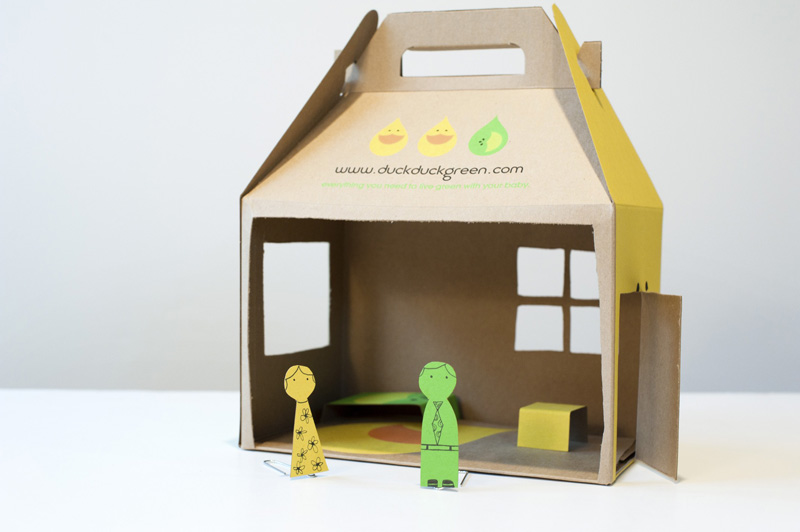
Credit: madebyjoel.com
Manufacturing Process
The journey from a concept to a tangible toy in a child’s hand is an exciting exploration of creativity and technology. The manufacturing process is where ideas come to life, blending artistry with precision engineering. It’s a fascinating blend of science and magic, where each step is crucial in ensuring the toys are safe, durable, and delightful.
Injection Molding
Injection molding is a cornerstone in toy manufacturing. Picture this: a liquid plastic is injected into a mold, which gives the toy its unique shape. This process is fast and efficient, allowing for mass production of intricate designs. Imagine the favorite action figure or puzzle piece, each crafted with precision using this method. It’s a marvel of engineering that ensures consistency in every piece.
Have you ever wondered how plastic building blocks get their uniform shape and vibrant colors? During injection molding, colorants are added to the plastic before it’s shaped. This not only gives toys their bright appearance but also ensures that the color is long-lasting and safe for children. The process is an art form in itself, combining creativity with technical expertise.
Assembly Line Techniques
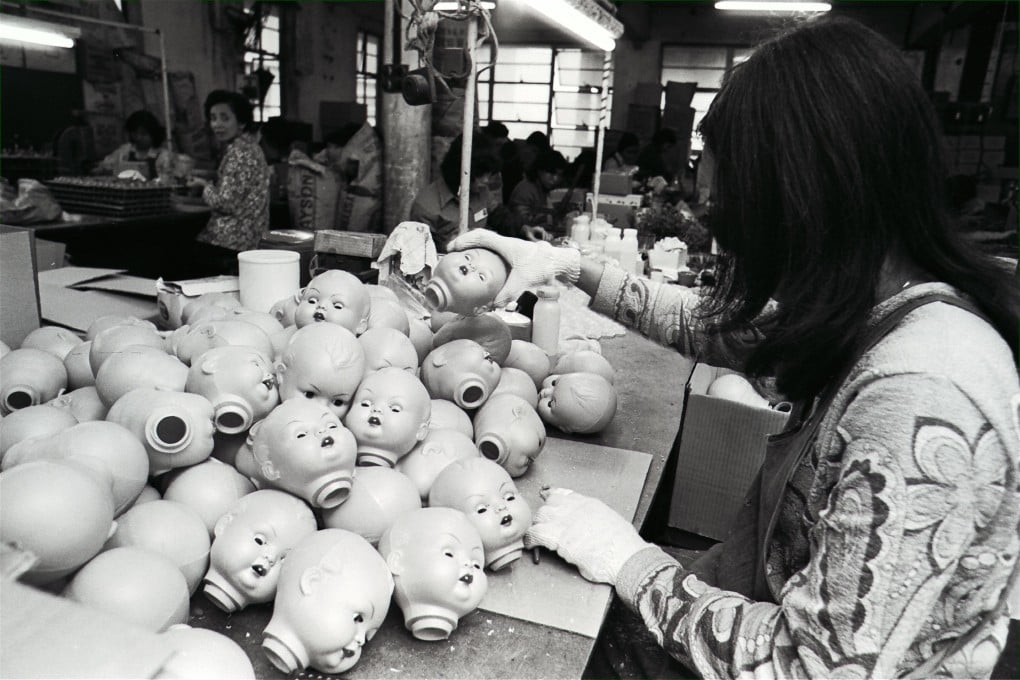
Once molded, toys move onto the assembly line, where they begin to take on their final form. On the assembly line, each toy is pieced together, often by skilled workers who ensure every part fits perfectly. The process is akin to watching a puzzle come together, where each piece finds its place.
Consider your favorite toy car; it starts as separate components and emerges as a sleek, cohesive model. The assembly line is essential for adding features like wheels, decals, or any moving parts. This stage demands precision and coordination, ensuring each toy functions correctly and safely.
Have you ever thought about the journey your toy took before it became your childhood companion? Each step in the manufacturing process is meticulously designed to ensure quality and safety. Next time you hold a toy, remember the incredible journey it undertook to bring joy into your life. What aspect of toy making do you find most fascinating?
Quality Control
Ensuring toy safety involves rigorous quality control. Each toy undergoes testing for durability and safety standards. Inspectors check for harmful materials and ensure parts are securely attached, guaranteeing a safe play experience.
Quality control is a crucial aspect in the toy manufacturing process that ensures toys are safe and durable for children to enjoy. Imagine buying a toy only for it to break within days or pose a safety risk. That’s where quality control steps in, safeguarding the joy and well-being of every child who plays with these toys. Let’s dive into how manufacturers make sure toys meet stringent standards.Testing For Safety
Safety is the top priority in toy production. Toys undergo rigorous testing to check for harmful materials and potential hazards. For instance, toys designed for younger children are tested for choking hazards by ensuring small parts cannot be detached easily. Manufacturers use advanced technology to detect toxic substances like lead or phthalates. These tests ensure that toys are chemically safe for children to handle. Do you ever wonder what goes into making a toy safe for your child? Safety certifications from recognized bodies are often required before a toy hits the market. These certifications provide parents with peace of mind knowing the toys meet international safety standards.Ensuring Durability
Durability is equally important to prevent toys from breaking easily, which can pose safety risks. Toys are subjected to stress tests to mimic rough play by children. For example, action figures might undergo drop tests to ensure they don’t shatter upon impact. Materials used in toy manufacturing are carefully selected for their strength and resilience. Manufacturers often use sturdy plastics or reinforced fabrics for toys designed to withstand active play. Durability also means ensuring toys retain their functionality and appearance over time. Imagine a puzzle where the pieces peel or warp. It’s crucial for manufacturers to ensure such issues don’t arise, maintaining the toy’s appeal and usability. Quality control processes are integral in delivering toys that are safe and long-lasting. As a parent, knowing that your child’s toys have been meticulously checked offers assurance and trust in the brands you choose.
Credit: www.youtube.com
Packaging Design
Crafting packaging design for toys involves creativity and precision. Designers focus on vibrant colors and engaging graphics. These elements attract children and inform parents.
Packaging design is an essential part of the toy-making process that can significantly influence a product’s success. It’s not just about wrapping a toy in a box; it’s about creating a visual story that appeals to both children and their parents. A well-designed package can capture attention, convey important information, and even enhance the overall play experience.Attractive Presentation
The first impression matters, and for toys, it’s the packaging that speaks first. A vibrant and playful design can attract the curiosity of children while also informing parents about the toy’s features. Consider the last time you bought a toy. Was it the bold colors or the character illustrations that drew your eye? Packaging that stands out on the shelf can make all the difference in a purchase decision. A clear window in the packaging allows the toy to peek through, engaging the viewer and establishing a connection before the box is even opened.Eco-friendly Packaging
With growing environmental concerns, eco-friendly packaging has become a crucial aspect for many toy manufacturers. Parents are increasingly aware of the impact of packaging waste, and they appreciate companies that prioritize sustainability. Using recycled materials or biodegradable plastics can set a brand apart. It shows a commitment to reducing environmental footprint. Imagine unwrapping a toy that comes in a recyclable box with minimal plastic use. Not only does it feel good, but it also sets a responsible example for children. Would you choose a toy packaged sustainably over one that’s not? Many consumers are making this choice, and companies are responding with innovative solutions. By focusing on eco-friendly packaging, toy manufacturers can appeal to conscientious buyers while doing their part for the planet.Distribution And Retail
Crafting toys involves design, manufacturing, and quality checks. Retailers then distribute these playful creations to stores worldwide. This journey ensures toys reach children’s hands safely and joyfully.
The journey of toys from production to the hands of eager children is an intricate process that involves effective distribution and strategic retail approaches. Once toys are manufactured, ensuring they reach every corner of the globe requires sophisticated logistics and retail strategies. Let’s dive into how toys make their way from factories to store shelves and eventually into your shopping cart.Global Distribution Networks
Toy companies leverage expansive global distribution networks to transport their products worldwide. These networks include a mix of transportation modes such as air, sea, and land. Each mode is selected based on cost, speed, and reliability, ensuring toys reach their destinations efficiently. Distribution centers play a pivotal role in this network. They act as hubs where toys are sorted, packaged, and prepared for shipment to various locations. This step is crucial to maintain inventory levels and meet the demand of retail partners. Have you ever wondered how toys remain affordable despite traveling thousands of miles? It’s all thanks to the strategic partnerships with shipping companies that offer competitive rates for bulk shipments. This collaboration is essential for keeping costs down while maximizing reach.Retail Strategies
Retailers employ diverse strategies to entice consumers and boost sales. One popular approach is creating immersive in-store experiences. This involves setting up interactive displays where children can play with toys, providing a hands-on preview that drives interest and excitement. Online retail is another powerful strategy. With the rise of e-commerce, toy companies are optimizing digital platforms to reach consumers directly. This includes visually appealing websites, engaging product descriptions, and user-friendly interfaces that make online shopping seamless. Promotions and discounts are key tactics used by retailers. Limited-time offers and seasonal sales attract buyers and create urgency. Have you ever found yourself buying a toy simply because it was on sale? That’s the magic of strategic pricing at play. Distribution and retail are the unsung heroes in the toy industry, ensuring that the latest action figures, dolls, and games are readily available for the next generation of dreamers and adventurers. How will you navigate this bustling toy landscape?Trends In Toy Manufacturing
Toy manufacturing trends focus on sustainable materials and advanced technology. Factories use eco-friendly plastics and 3D printing. This approach ensures efficient production and reduces waste.
Trends in toy manufacturing are shaping how toys are made today. The industry embraces new ideas to meet consumer demands. Toy makers constantly innovate to stay competitive. This section explores key trends influencing toy production.Technological Innovations
Toy manufacturing has evolved with technology. Robots help in assembling toys. This speeds up production and ensures precision. 3D printing allows quick prototyping. Designers create intricate toy models efficiently. Smart toys are gaining popularity. They connect with apps, offering interactive play experiences. AI-powered toys adapt to children’s learning needs. They provide personalized engagement.Customization Trends
Consumers want unique toys. Customization is a growing trend in toy manufacturing. Companies offer personalized options. Kids can design their own toys. This makes playtime special. Parents appreciate custom toys as gifts. Online platforms enable easy customization. Users select colors, shapes, and features. Custom toys strengthen brand loyalty. They cater to individual preferences.Frequently Asked Questions
What Materials Are Used In Toy Production?
Toys are made from various materials including plastic, wood, metal, and fabric. Each material offers unique benefits like durability, flexibility, or softness. Manufacturers choose materials based on the toy’s purpose, safety standards, and cost-effectiveness. Sustainable options are increasingly popular, aiming to reduce environmental impact.
How Does Toy Design Process Work?
The design process begins with brainstorming and sketching ideas. Designers create prototypes using 3D modeling software. Prototypes undergo testing for safety and functionality. Feedback leads to refinements before mass production. Collaboration between designers, engineers, and marketers ensures toys meet consumer expectations and regulatory standards.
What Role Does Safety Play In Toy Making?
Safety is crucial in toy manufacturing. Toys undergo rigorous testing to ensure they meet safety standards. Manufacturers focus on preventing choking hazards, toxic materials, and sharp edges. Regulatory bodies like ASTM and EN71 provide guidelines. Compliance ensures toys are safe for children of all ages.
How Are Toys Manufactured In Factories?
Toys are manufactured using assembly line processes. Components are produced, assembled, and packaged efficiently. Machines handle tasks like molding, cutting, and painting. Quality control checks ensure consistency and safety. Automation and skilled labor work together to produce high-quality toys at scale.
Conclusion
Toys bring joy to children worldwide. Crafting toys involves creativity and precision. Skilled workers shape, mold, and assemble each piece. Safety checks ensure toys are suitable for play. Materials like plastic, wood, and fabric are common. Each toy tells a story from its design.
Factories use machines for efficiency but hands add detail. Designers think of what kids love and need. The process is a blend of art and science. Knowing how toys are made adds appreciation. Next time you see a toy, think of its journey.
A fascinating world, hidden behind playtime fun!