Why Did Toys R Us Times Square Close: Unveiling the Mystery
Have you ever found yourself reminiscing about the magical experience of stepping into the Toys R Us in Times Square? You’re not alone.
This iconic toy store was a wonderland for children and a nostalgic haven for adults. Yet, it closed its doors, leaving many to wonder why. If you’ve ever asked yourself what happened to this beloved landmark, you’re in the right place.
In the heart of bustling New York City, Toys R Us Times Square was more than just a store; it was an experience. From the towering Ferris wheel to the life-sized Lego sculptures, it captivated the imagination. Its closure left a void, sparking curiosity and a desire to understand. Why did this toy paradise vanish? Uncovering the reasons behind its closure can provide insights into the changing world of retail and perhaps even reflect on broader trends that could affect your shopping experiences. Stay with us as we delve into the factors that led to the end of an era and explore what it means for the future of toy shopping.
Historical Background
Toys R Us in Times Square was a popular spot for tourists and families. High rent costs and changing shopping habits led to its closure. Online shopping and financial struggles also contributed to the decision.
The story of Toys R Us Times Square is a captivating tale of ambition, nostalgia, and the ever-changing nature of commerce. The store, which opened its doors in 2001, was more than just a retail space; it was a landmark destination that attracted millions of visitors. Situated in one of the most iconic locations in New York City, it was a beacon for both tourists and locals seeking the magic of childhood.The Birth Of A Retail Giant
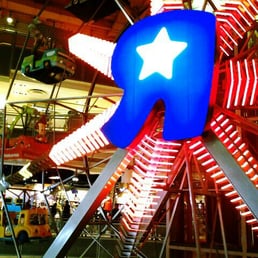
In the early 2000s, Toys R Us aimed to create an unparalleled shopping experience. The Times Square location wasn’t just about selling toys; it was designed to be an immersive experience. It featured a gigantic indoor Ferris wheel, life-sized dinosaur models, and interactive displays that mesmerized children and adults alike. This wasn’t merely a store—it was a playground, a museum, and a wonderland rolled into one.The Cultural Impact
Toys R Us Times Square quickly became a cultural phenomenon. It was a must-visit spot during the holiday season, as families made it part of their tradition. Its central location made it accessible, and the store’s grandeur contributed to its status as a major attraction. The store hosted events, movie premiers, and was even featured in films, cementing its place in pop culture.Challenges In The Retail Landscape
Despite its success, the store faced mounting challenges. Retail dynamics were shifting, and the rise of e-commerce began to eat into its profits. The cost of maintaining such a large, experiential retail space in Times Square was astronomical. As online shopping grew in popularity, the need for brick-and-mortar stores started to decline.Financial Struggles
The financial pressure on Toys R Us was immense. The company had accumulated significant debt, and the Times Square store was costly to operate. Maintaining the space, staff, and attractions was a massive financial burden. The store’s closure in 2015 was a strategic decision to cut losses and attempt to stabilize the company’s finances.Legacy And Memories
The closing of Toys R Us Times Square marked the end of an era. Although the physical store is gone, the memories and experiences it provided live on. Many people reminisce about their visits, cherishing the moments of joy and excitement. The store’s spirit continues to inspire discussions on the importance of experiential retail and the evolving nature of the shopping industry. Do you remember visiting Toys R Us Times Square? Or perhaps you have similar nostalgic memories of other iconic stores? How do these experiences shape your perspective on shopping today?Iconic Status Of Toys R Us Times Square
Toys R Us Times Square closed due to high rent costs and a shift towards online shopping. The iconic store faced financial challenges, leading to its closure in 2015. It remains a fond memory for many who visited its giant Ferris wheel and expansive toy collection.
The Toys R Us store in Times Square was more than just a retail location; it was a landmark that captivated the hearts of children and adults alike. Situated in one of the busiest and most famous intersections in the world, it became synonymous with childhood dreams and magical experiences. Walking into Toys R Us in Times Square felt like entering a wonderland, a place where imagination knew no bounds and the excitement was palpable.Retail Wonderland In Times Square
Imagine stepping into a world where larger-than-life toys greeted you at every corner. This store was not just a place to buy toys; it was an experience designed to inspire wonder. Featuring attractions like a massive indoor Ferris wheel and a life-sized animatronic T-Rex, it transformed shopping into a thrilling adventure.A Destination For Tourists And Locals Alike
Toys R Us in Times Square wasn’t merely a store; it was a must-see destination. For tourists, it was a highlight on their itinerary, offering a break from sightseeing with a dose of nostalgia and excitement. Locals found it to be a perfect spot to relive childhood memories or create new ones with their families.The Impact Of Location On Brand Identity
Being located in Times Square gave Toys R Us a unique advantage. The store’s iconic status was partly due to its prime location amidst the bright lights and bustling crowds. It reinforced the brand’s image as a leader in the toy industry, forever embedding itself in the heart of New York City’s vibrant culture.What Happens When An Iconic Store Closes?
The closure of Toys R Us Times Square left a void that was felt by many. It wasn’t just the end of a store; it was the end of an era. It raises questions about the future of retail and what it means for iconic locations to shutter their doors. How does a place so rich with memories and excitement suddenly become a piece of history? Reflecting on these points, you might wonder what the future holds for retail experiences that capture the imagination. How can new stores recreate that sense of wonder and become the next generation of iconic destinations?Financial Challenges
Toys R Us Times Square closed due to financial challenges. High rent and declining sales pressured the iconic store. The competitive market and changing consumer habits also contributed to its closure.
Financial challenges were a significant factor in the closure of the iconic Toys R Us store in Times Square. Once a wonderland for kids and a nostalgic spot for adults, the store faced insurmountable hurdles that many businesses encounter. Understanding these challenges can offer valuable insights into the retail industry’s dynamics and its ever-changing landscape.Debt Accumulation
Toys R Us was burdened with a massive amount of debt, which made it difficult to invest in necessary updates and innovations. This debt wasn’t just a number on a balance sheet—it affected every decision the company made. Imagine trying to keep up with your expenses while being weighed down by a hefty loan. It stifles growth and limits opportunities. The company had to allocate significant resources towards interest payments rather than refreshing store layouts or enhancing customer experiences.Declining Sales
As online shopping gained popularity, foot traffic to physical stores, including Toys R Us, diminished. Customers were lured by the convenience and often lower prices of online platforms. The allure of a one-click purchase often overshadowed the joy of walking through aisles filled with toys. As sales declined, so did the company’s ability to maintain its once-dominant position in the market. Have you noticed how your shopping habits have changed over the years? Consider the impact such shifts have on beloved stores like Toys R Us. The decline in sales wasn’t just a financial issue but a reflection of changing consumer behaviors and preferences. Understanding these financial challenges helps us grasp why even the most cherished icons must adapt or face closure in today’s fast-paced world.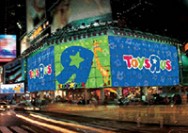
Credit: therealdeal.com
Impact Of E-commerce
E-commerce growth challenged traditional retail giants like Toys R Us. Online shopping offered convenience and competitive prices. This shift led to Toys R Us Times Square closing, unable to compete with digital platforms.
The closure of Toys R Us Times Square marked a significant retail shift. The rise of e-commerce played a vital role in this transformation. Traditional stores faced challenges as online shopping gained momentum. The digital age redefined consumer behavior and expectations.Rise Of Online Shopping
Online shopping became a convenient option for many customers. People preferred browsing from the comfort of their homes. E-commerce platforms offered diverse product choices. Shoppers could easily compare prices and read reviews online. This shift influenced how people bought toys and other products.Competition From Amazon
Amazon emerged as a formidable rival in the toy market. The company provided competitive prices and fast delivery options. Toys R Us struggled to match Amazon’s vast inventory. The convenience offered by Amazon attracted many customers. This competition significantly affected Toys R Us’s sales and market presence.Real Estate Pressures
The closure of the iconic Toys R Us in Times Square was a shock to many, leaving both New Yorkers and tourists wondering what led to such a drastic decision. One significant factor was the intense pressure from real estate dynamics in one of the world’s most coveted urban locations.
High Rent Costs
Times Square is a bustling hub known for its eye-watering rental prices. The real estate costs here are among the highest in the world, making it challenging for businesses to sustain profitability. Toys R Us faced escalating rent expenses that were simply unsustainable, especially for a retail giant that required vast floor space.
Imagine the pressure of maintaining a massive store amidst rising rent costs. For Toys R Us, this meant that despite its popularity, the financial burden of its prime location was too heavy to bear. What would you do if every month felt like a race against towering rent bills?
Prime Location Demands
The allure of Times Square is undeniable. It’s a location where foot traffic is guaranteed, but this comes with its own set of demands. Retailers need to consistently innovate and attract visitors to justify the premium costs associated with such a prime spot.
Toys R Us had to compete not only with other stores but also with the flashy attractions that Times Square is famous for. Maintaining relevance and offering a unique experience became increasingly challenging. Could any retail store, no matter how beloved, keep up with the high expectations of Times Square’s ever-changing landscape?
Strategic Missteps
Toys R Us in Times Square closed due to high rent costs and shifting retail dynamics. Its location demanded substantial financial investment. Strategic missteps in adapting to online shopping trends also contributed to its downfall.
Toys R Us Times Square was once a magical destination. Its closure left many wondering why. Strategic missteps played a significant role in its downfall. Understanding these missteps can shed light on the challenges the store faced.Inadequate Innovation
Toys R Us struggled to innovate. It failed to adapt to the digital age. Competitors embraced online shopping. Toys R Us lagged behind. They did not upgrade their website or user experience. Customers preferred more tech-savvy options. This lack of innovation hurt their sales. The store seemed outdated to modern shoppers.Misguided Marketing
Marketing efforts missed the mark. They relied on traditional advertising methods. Digital marketing was not a priority. Competitors used targeted online ads. Toys R Us did not engage with younger audiences. They missed out on social media opportunities. Their marketing strategy failed to attract new customers. This led to a decline in foot traffic.Consumer Behavior Shifts
Consumer behavior has changed dramatically over the past few years. The closure of Toys R Us in Times Square reflects this shift. Shoppers now prefer different experiences and ways of buying. The retail landscape is evolving, leading to traditional stores struggling to keep up.
Changing Shopping Preferences
Online shopping has surged, offering convenience and ease. People enjoy browsing and buying from their devices. Retailers now face competition from digital stores. Consumers often find better deals and wider selections online. This shift has reduced foot traffic in physical stores. Many shoppers prefer to compare prices before purchasing.
Experience Over Product
Today’s consumers seek more than just products. They crave unique, memorable experiences. Retailers must adapt by offering engaging environments. Interactive displays and events draw people in. Physical stores need to provide something beyond the ordinary. The focus is on creating lasting impressions for customers. Experiences drive loyalty more than products alone.
Attempts To Revitalize
Toys R Us Times Square closed due to high rent and declining sales. The iconic location struggled to maintain profitability. Economic challenges and changing shopping habits led to its shutdown.
The closure of Toys R Us Times Square was a significant blow to toy enthusiasts and visitors who marveled at its gigantic Ferris wheel and colorful displays. But before the final curtain fell, there were several attempts to revitalize the iconic store, aimed at restoring its magic and allure. These efforts were a testament to the brand’s determination to adapt and survive in the ever-changing retail landscape.Store Redesign Efforts
Toys R Us embarked on ambitious redesigns to breathe new life into the Times Square location. The store was transformed with interactive displays and tech-enhanced experiences, aiming to capture the imagination of both young and old. Designers focused on creating spaces that encouraged exploration and play. They introduced themed areas, such as superhero zones and fantasy lands, where children could immerse themselves in their favorite worlds. However, despite these efforts, foot traffic didn’t match expectations. What would have drawn you in as a child? Was it the promise of playing with toys or witnessing something spectacular?Partnership Initiatives
In a bid to reignite interest, Toys R Us formed strategic partnerships with popular brands and franchises. Collaborations with entities like Disney and Lego brought exclusive merchandise and events to the store. These partnerships were designed to attract both tourists and locals, offering unique experiences unavailable elsewhere. Imagine attending a toy launch event featuring your favorite movie characters or building with master Lego builders. While these initiatives generated buzz, they struggled to maintain consistent visitor numbers. Could it be that the allure of Times Square itself was waning, or was there another factor at play in the store’s demise? Through these revitalization attempts, Toys R Us showed resilience and creativity. Yet, the challenges of maintaining a large retail space in a rapidly evolving market proved to be a daunting task.Legacy And Impact
The closure of Toys R Us in Times Square marked the end of an era. This iconic store left a lasting legacy and impact on the world of retail. It was more than just a place to buy toys. It was an experience, a cultural landmark, and a pioneer in retail innovation.
Cultural Significance
Toys R Us Times Square was a cultural icon. Its grand Ferris wheel and life-sized Barbie dollhouse became famous. Families from around the world visited it. It was a must-see tourist attraction in New York City. The store was a place where dreams came to life. It was a magical experience for children and adults alike.
Influence On Retail Trends
The store set new standards in retail. It combined shopping with entertainment, a novel concept at the time. This approach influenced many other retailers. Stores began to focus more on creating experiences, not just selling products. Toys R Us Times Square showcased how a store could become a destination. This trend continues to shape modern retail strategies.

Credit: coasterpedia.net
Credit: m.yelp.com
Frequently Asked Questions
Why Did Toys R Us Times Square Close?
Toys R Us Times Square closed due to financial difficulties and changing retail landscapes. High operational costs and declining sales contributed. The brand faced bankruptcy, leading to the closure. Shifts in consumer behavior towards online shopping also played a significant role in the decision to shut down the iconic location.
When Did Toys R Us Times Square Shut Down?
Toys R Us Times Square shut down in December 2015. The closure marked the end of its presence in a prime location. The decision was part of a broader strategy to streamline operations and reduce expenses. The closure was a significant moment for retail in Times Square.
What Was Special About Toys R Us Times Square?
Toys R Us Times Square was known for its massive space and unique attractions. It featured a giant indoor Ferris wheel and a life-sized animatronic T-Rex. The flagship store offered immersive experiences that attracted both locals and tourists. Its closure marked the loss of an iconic retail landmark.
How Did Consumers React To The Closure?
Consumers expressed disappointment and nostalgia following the closure of Toys R Us Times Square. Many had fond memories of visiting the store as children. The closure highlighted shifts in shopping preferences towards online platforms. The loss was felt by fans who appreciated the store’s unique offerings.
Conclusion
Toys R Us Times Square was iconic. Its closure saddened many fans. High rents and changing shopping habits led to its end. Online shopping grew; physical stores struggled. Shoppers wanted convenience, not crowds. Times Square’s high costs were tough to manage.
The store’s magic lives on in memories. Parents and children recall its charm. The closure reminds us of retail evolution. Stores adapt, or they close. Times change, and so do shopping experiences. Toys R Us taught us joy, even briefly.
Its legacy remains in smiles and memories. Change is constant, in retail and in life.