Imagine holding a toy in your hand. It’s bright, colorful, and filled with the promise of joy.
But have you ever wondered about the journey it takes to reach your hands? Understanding how a toy is made can change the way you view these playful objects. It’s not just about plastic and paint; it’s a fascinating process full of creativity and precision.
When you uncover the steps involved, from the initial spark of an idea to the moment it hits the shelves, you’ll gain a newfound appreciation for each toy in your collection. You might even see your favorite playthings in a whole new light. Stay with us as we unveil the secrets behind toy making, and discover the magic that brings these delightful objects to life. This isn’t just about toys—it’s about understanding the art and science that goes into creating joy. You won’t want to miss a single step of this intriguing process.
Credit: www.scmp.com
Concept And Design
Crafting a toy begins with imaginative concepts and designs. Designers sketch ideas, selecting colors and shapes that appeal to children. This stage ensures the toy is both fun and safe for play.
Creating a toy is an exciting journey that starts with a spark of imagination and results in a tangible product that brings joy and laughter. The concept and design phase is where the magic begins, transforming a simple idea into something extraordinary. It’s a blend of creativity, research, and hands-on experimentation that sets the foundation for a toy’s success.Idea Generation
The first step in crafting a toy is to brainstorm ideas. This stage is all about letting your imagination run wild. You might find inspiration in everyday life—perhaps watching a child play or revisiting your own childhood memories. What kind of toy would make a child’s eyes light up? Think about what excites you and jot down every idea, no matter how outlandish it seems.Market Research
Once you’ve gathered your ideas, it’s time to test them against the real world. Conduct market research to understand current trends and what kids are drawn to. Visit toy stores, browse online, and observe which toys capture attention. You can also talk to parents and children to gain insights into their preferences. This research will help you refine your idea, ensuring it stands out in a competitive market.Sketching And Prototyping
With a clear concept and market understanding, begin sketching your design. This is where creativity meets practicality. Sketches bring your idea to life, allowing you to visualize and refine the toy’s features. Once you’re satisfied with the sketches, create a prototype. Use materials like clay or cardboard to build a model that represents your toy. This hands-on process can reveal design flaws and spark new ideas, making it an essential step in the toy-making journey. By understanding and navigating these stages, you transform a simple idea into a beloved toy. What unique concept will you bring to life next?
Credit: www.youtube.com
Material Selection
Choosing materials carefully ensures toy safety and durability. Soft plastics, non-toxic paints, and sturdy fabrics are ideal. These materials contribute to a toy’s quality and appeal.
Material selection is a crucial step in toy manufacturing. It ensures that toys are safe, sustainable, and cost-effective. Choosing the right materials can impact a toy’s durability, safety, and environmental footprint. Let’s delve into the key factors influencing material selection.Safety Standards
Safety is the top priority in toy production. Manufacturers select materials that meet strict safety regulations. These standards prevent the use of harmful chemicals. Toys often undergo rigorous testing to ensure they are non-toxic. This protects children from potential hazards. Materials should also be durable to withstand rough play. This reduces the risk of small parts breaking off and causing harm.Sustainability Considerations
Sustainability is becoming increasingly important in toy manufacturing. Many companies now prioritize eco-friendly materials. Recyclable and biodegradable options are preferred. This helps reduce the environmental impact of toy production. Manufacturers often seek materials sourced responsibly. This ensures minimal harm to natural resources. Sustainable materials often enhance a brand’s reputation. It appeals to environmentally conscious consumers.Cost Efficiency
Cost efficiency is vital for keeping toy prices competitive. Manufacturers must balance quality and cost when choosing materials. Using bulk materials can reduce expenses. However, quality should not be compromised. Efficient material use can lower waste and costs. This involves optimizing the production process. The goal is to produce safe, sustainable toys at an affordable price.Manufacturing Process
The journey of creating a toy is a fascinating blend of creativity and precision. It all begins with an idea, a spark of imagination that designers transform into a tangible product. The manufacturing process is where this magic really happens, ensuring that every toy is not only fun but also safe for children.
Molding And Shaping
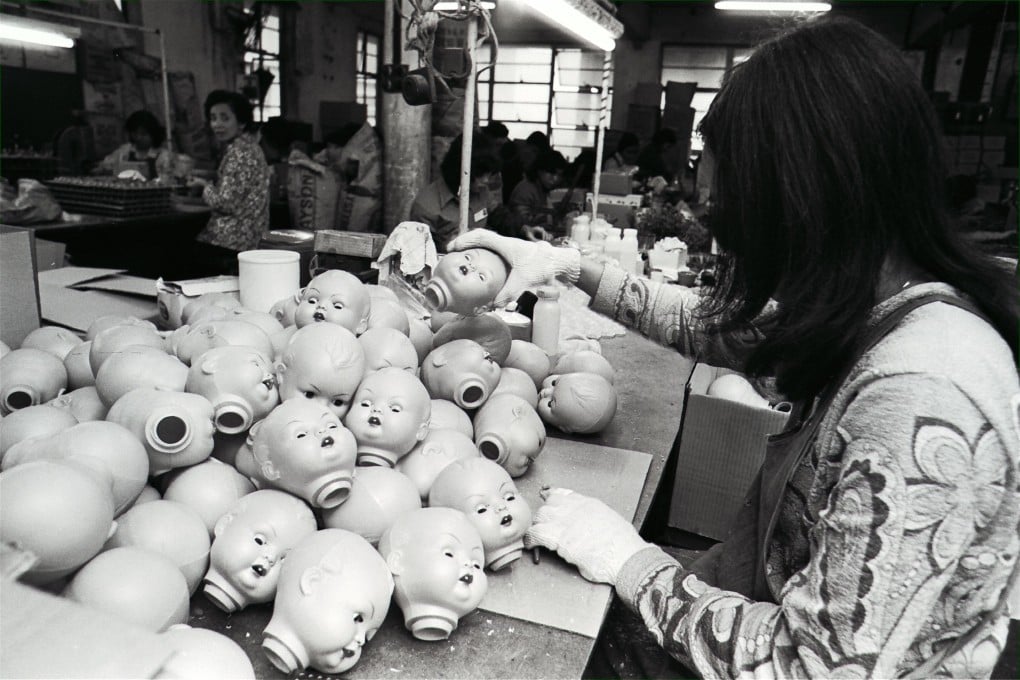
The molding and shaping stage is where the toy starts to take its physical form. Different materials like plastic, rubber, or metal are heated and poured into molds. Imagine a factory floor bustling with machinery, each mold designed to perfection to capture every detail of the toy.
Watching this process can be mesmerizing. The intricate designs and vibrant colors start to emerge as the molds cool and harden. This is where the toy’s character begins to shine, setting the stage for the next steps.
Assembly Line Techniques
Once the parts are molded, they move to the assembly line, which is the heart of toy manufacturing. Here, skilled workers and machines work in harmony, piecing together each part with precision. It’s like watching a well-choreographed dance, where every move is intentional.
Have you ever wondered how toys get their moving parts or electronic features? It’s all thanks to the careful work done on the assembly line. Ensuring each component fits perfectly requires both human skill and technological precision.
Quality Control
Quality control is the final and most crucial step in toy manufacturing. Every toy must pass rigorous tests to ensure it’s safe for children. This process checks for any defects or potential hazards, from sharp edges to loose parts.
Why is this so important? Because the safety and happiness of children depend on it. Imagine the disappointment of a child if their toy broke easily or wasn’t safe to play with. That’s why quality control is taken so seriously, ensuring that each toy brings joy without compromising safety.
Testing And Safety
Testing and safety are crucial steps in the toy-making process. Ensuring that toys are safe for children involves multiple layers of checks and balances. It’s about more than just meeting regulations—it’s about providing peace of mind to parents and joy to children.
Durability Testing
Have you ever wondered how toys survive the rough play of children? Durability testing is the answer. Toys undergo rigorous tests to ensure they can withstand drops, throws, and even a child’s enthusiastic tugging.
Manufacturers simulate real-life scenarios to test the toy’s limits. Imagine a toy being dropped repeatedly from various heights or subjected to pressure to mimic a child stepping on it. This process ensures that toys are built to last and keep your child entertained safely.
Safety Certifications
Before reaching store shelves, toys must earn safety certifications. These certifications are not just labels; they are a promise of safety. They ensure that the toy meets specific safety standards set by regulatory bodies.
These standards include tests for choking hazards, toxic materials, and mechanical safety. Would you feel confident buying a toy without such certifications? Knowing that a toy has passed these stringent tests can ease your worries as a parent.
Consumer Feedback
Once a toy hits the market, consumer feedback becomes invaluable. Real-world experiences can reveal issues that weren’t apparent during testing. This feedback loop is essential for manufacturers to improve and innovate.
Manufacturers often encourage parents to share their experiences. Have you ever left a review or contacted a company about a toy? Your input can lead to safer and more enjoyable toys for everyone.
Packaging And Distribution
Toy production involves careful packaging and distribution. Packaging protects toys during transit, ensuring they reach stores undamaged. Efficient distribution networks deliver toys globally, reaching eager customers quickly.
Packaging and distribution play a crucial role in how a toy reaches you. Once the toy is manufactured, it needs a suitable package to protect and present it. This packaging not only ensures safety but also attracts buyers. After packaging, the toy embarks on its journey through various distribution channels, reaching stores worldwide.Designing Packaging
Designing packaging involves creativity and strategy. A team of designers creates eye-catching designs. They consider color, shape, and size to appeal to children and parents. The design also includes important information like age recommendations and safety warnings. Packaging must be durable to protect the toy from damage. It also needs to stand out on store shelves.Eco-friendly Options
Eco-friendly packaging is becoming more important. Many companies now use recyclable materials. They aim to reduce waste and environmental impact. Biodegradable packaging is another popular choice. It breaks down naturally, causing less harm to the planet. Brands are finding innovative ways to balance aesthetics with sustainability.Global Distribution Channels
Toys travel through various global distribution channels. After packaging, they are stored in warehouses. From there, they are shipped to different countries. Shipping methods include air, sea, and land. Retailers then distribute toys to stores. Online orders are shipped directly to homes. Efficient distribution ensures toys are available worldwide.
Credit: ericjacobydesign.com
Marketing And Launch
Crafting a new toy involves detailed planning, creative design, and precise manufacturing. Launching the toy into the market requires strategic marketing, targeting the right audience, and creating buzz. These steps ensure the toy reaches eager hands with excitement and anticipation.
Marketing and launching a toy involves strategic planning. This ensures it reaches the right audience and creates excitement. Let’s explore the key elements of a successful toy launch.Branding Strategies
Branding helps a toy stand out in the market. It involves creating a unique identity. This includes the toy’s name, logo, and packaging. Colors and designs play a big role. They should appeal to children and parents alike. A strong brand also tells a story. It connects emotionally with the audience. Consistency is key across all branding materials.Advertising Campaigns
Advertising spreads the word about the toy. It uses various media channels. Television ads catch kids’ attention. Social media platforms engage parents and influencers. Videos demonstrate the toy’s features and benefits. Print ads in magazines also reach families. Each campaign targets specific demographics. Timing is crucial. Ads should launch before and during peak seasons.Retail Partnerships
Retail partnerships boost a toy’s visibility. Stores provide a physical platform for sales. They help in reaching a wide audience. Collaborations with big retailers increase credibility. Exclusive deals attract more customers. In-store displays create excitement and draw attention. Online retailers expand the toy’s reach. They offer convenience to busy families.Consumer Experience
Discover how a toy is made through a fascinating journey. From design sketches to colorful materials, each step brings imagination to life. Skilled artisans craft intricate details, ensuring playful experiences for children everywhere.
The journey of a toy from factory to playroom involves many stages. The consumer experience is the final and crucial step. It defines how customers feel about the toy they buy. This experience is shaped by several factors. It includes customer reviews, after-sales support, and product longevity. Each aspect plays a vital role in satisfying the consumer.Customer Reviews
Customer reviews offer insights into the toy’s quality and performance. They reveal the experiences of other buyers. Positive reviews can boost confidence in a purchase. Negative feedback may highlight potential issues. These reviews are a valuable resource for new customers. They help in making informed decisions. Reading reviews can reveal hidden gems or faults in products.After-sales Support
After-sales support ensures that the customer feels valued. It provides assistance when issues arise post-purchase. This support can include warranty services or help with returns. A strong support system builds trust with consumers. It reassures them that the brand stands by its product. Good support can turn a bad experience into a positive one.Product Longevity
Product longevity determines how long a toy lasts. Durable toys offer extended periods of enjoyment. They often become cherished items for years. Longevity is crucial for customer satisfaction. A toy that breaks easily disappoints the consumer. Long-lasting toys provide more value for money. They contribute to a positive consumer experience.Frequently Asked Questions
What Materials Are Used In Toy Manufacturing?
Toy manufacturing involves using materials like plastic, wood, metal, and fabric. These materials are chosen for their safety, durability, and cost-effectiveness. Manufacturers often select materials based on the toy’s design, target age group, and functionality. Eco-friendly and non-toxic materials are increasingly popular choices in the industry.
How Does A Toy Design Process Begin?
A toy design process starts with brainstorming and concept development. Designers create sketches and prototypes to visualize ideas. They consider factors like safety, target age, and functionality. Feedback from testing helps refine the design before moving to production. The goal is to create engaging, safe, and innovative toys.
What Role Does Safety Play In Toy Manufacturing?
Safety is crucial in toy manufacturing to protect children from harm. Manufacturers adhere to strict safety standards and guidelines. They conduct rigorous testing to ensure toys are free from hazards. Non-toxic materials and secure designs are prioritized. Compliance with safety regulations is essential for consumer trust and product success.
Why Is Prototyping Important In Toy Production?
Prototyping is vital in toy production for evaluating design and functionality. It allows designers to test and refine concepts before mass production. Prototypes help identify potential issues, ensuring the final product is safe and effective. This process reduces risks and enhances the overall quality of the toy.
Conclusion
Making a toy involves creativity and precision. It starts with an idea. Designers sketch and plan each detail. Factories then produce parts with care. Workers assemble these parts by hand or machines. Quality checks ensure safety and durability. Packaging makes the toy attractive and ready for shelves.
Distribution sends toys to stores worldwide. Each step matters to create joy for children. Understanding this process highlights the art behind every toy. Next time you see a toy, remember its journey. It’s more than just play; it’s a labor of love.