Can Dogs Play With Catnip Toys: Unveiling the Truth
Imagine the joy on your dog’s face when they discover a new toy. You know how much they love to play and explore.
But have you ever wondered if catnip toys, typically reserved for cats, could also delight your canine companion? You might be curious if these intriguing toys could offer your dog a new way to play, or if they’re strictly off-limits.
As a pet owner, you want the best for your furry friend, ensuring their playtime is both safe and exciting. The answer might surprise you, and understanding the possibilities can open up a whole new world of fun for your dog. Dive into this article to discover whether catnip toys can become your dog’s new favorite plaything and learn how they might benefit from this unexpected source of entertainment.

Credit: www.animalcareclinicjc.com
What Is Catnip?
Catnip, a plant from the mint family, excites cats with its scent. Dogs can safely play with catnip toys, though they usually don’t react like cats. These toys can still be fun for dogs to chew or toss around.
What is Catnip? Catnip is a fascinating plant known for its effects on cats. Its scientific name is Nepeta cataria, and it’s a member of the mint family. Many people know catnip for its unique ability to influence feline behavior. But what is it exactly?Origins And Composition
Catnip is native to Europe and Asia. It spread to North America through colonization. The plant thrives in various climates, growing up to three feet tall. It has heart-shaped leaves and small, white flowers. The active compound in catnip is called nepetalactone. This essential oil is found in the plant’s leaves and stems. Nepetalactone is responsible for the plant’s intoxicating effects on cats. When cats smell this oil, they often exhibit playful behaviors.Effects On Cats
Catnip can make cats act very playful. They may roll, flip, or rub against the catnip toy. Some cats get very excited, while others become calm and relaxed. Not every cat responds to catnip. Sensitivity is genetic, affecting about 50% to 75% of cats. The effects are temporary, usually lasting around 10 minutes. After exposure, cats become temporarily immune to catnip’s effects. They need a break before they can respond again. Catnip is safe for cats and not addictive. It provides a fun and harmless way to enrich a cat’s environment.
Credit: www.wikihow.com
Dog And Catnip Interaction
Many pet owners are curious about whether their dogs can safely interact with catnip toys. While catnip is famously known for its effects on cats, it raises questions about its impact on dogs. Understanding how dogs perceive and react to catnip can help you make informed decisions about playtime toys for your furry friend.
Can Dogs Smell Catnip?
Dogs have an incredibly acute sense of smell, much stronger than humans. They can certainly detect the scent of catnip, even if it doesn’t affect them like it does cats. Unlike cats, dogs don’t have a genetic predisposition to respond to catnip, so the smell might not hold much interest for them.
However, some dogs might be intrigued by the novelty of a new scent and choose to investigate it. This curiosity could lead to playful interactions with catnip toys, even if the catnip itself doesn’t induce any specific behavioral changes.
Behavioral Reactions In Dogs
While catnip typically sends cats into a frenzy of activity, dogs’ reactions can be quite different. Some dogs may show mild interest or even ignore catnip toys altogether. In rare cases, a dog might exhibit playful behavior, similar to how they react to other toys.
It’s essential to observe your dog’s reactions when introducing catnip toys. If your dog seems disinterested, don’t worry—this is perfectly normal. You might consider offering a variety of toys to see what truly captures their attention.
Have you ever noticed your dog interacting with a catnip toy? It’s a curious sight, but it underscores the unique preferences each pet has. Experimenting with different toys can be a fun journey to discovering what your dog truly enjoys.
Safety Of Catnip For Dogs
Curiosity often leads pet owners to wonder about the safety of catnip for dogs. Catnip, known for its effects on cats, raises questions about its impact on our canine friends. Understanding the safety of catnip for dogs involves exploring potential benefits and possible risks.
Potential Benefits
Dogs might enjoy the scent of catnip toys, sparking interest and engagement. This can lead to increased play and activity levels. Catnip can sometimes have a calming effect, helping anxious dogs relax. It might also offer mental stimulation, keeping dogs entertained.
Possible Risks
While catnip is generally safe, some dogs may experience mild digestive upset. Overconsumption could lead to vomiting or diarrhea. It’s crucial to monitor the dog’s reaction to catnip toys. Allergies are rare, but possible, so watch for any signs of discomfort.
Alternatives To Catnip Toys For Dogs
Not all dogs are interested in catnip toys, and that’s perfectly okay. If your furry friend shows little interest in these herbal playthings, there are plenty of alternatives to keep them entertained and engaged. Whether it’s through herbal options or engaging toys, there’s something out there that can cater to your dog’s unique preferences.
Dog-friendly Herbs
While catnip may not do much for dogs, there are other herbs that can offer a similar thrill. Chamomile is a calming herb that can help soothe anxious pups. Mint, on the other hand, can be refreshing and invigorating for your dog.
Try sprinkling a bit of dried chamomile in your dog’s play area or adding mint leaves to their toys. These herbs can introduce new scents and textures, making playtime more exciting.
Suitable Toys And Activities
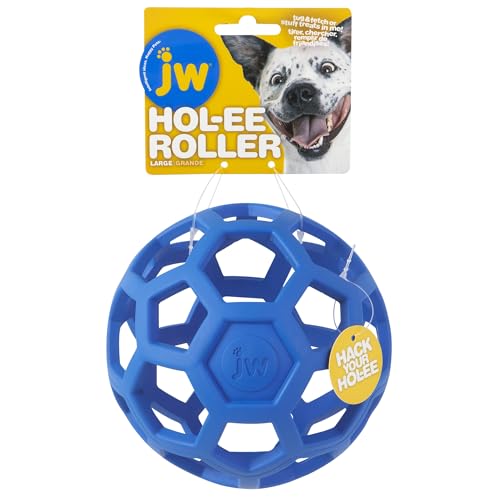
Interactive toys are a fantastic way to keep your dog’s mind sharp and body active. Puzzle toys filled with treats can challenge your dog, rewarding them with a tasty snack once they solve the puzzle. You can also try tug-of-war ropes that strengthen your bond through play.
Beyond toys, consider activities that engage your dog’s natural instincts. Playing fetch not only satisfies your dog’s chasing instincts but also provides ample exercise. Agility courses, even simple ones set up in your backyard, can offer both physical and mental stimulation.
Have you ever noticed your dog showing interest in certain activities or toys? Take note of their preferences and introduce similar options to keep them entertained. Tailoring playtime to your dog’s unique interests can lead to a happier, healthier pet.
Expert Opinions
When it comes to the playful dynamics between dogs and catnip toys, expert opinions vary. While catnip is known for its effects on cats, some pet owners wonder if it’s safe or even beneficial for dogs. Let’s dive into what veterinarians and animal behaviorists have to say about this intriguing topic.
Veterinarian Insights
Veterinarians generally agree that catnip is safe for dogs in small amounts. Unlike cats, dogs don’t react to catnip in the same way. It’s non-toxic, so if your dog happens to chew on a catnip toy, there’s no need to panic. However, some vets caution about overconsumption, as it could cause mild digestive issues.
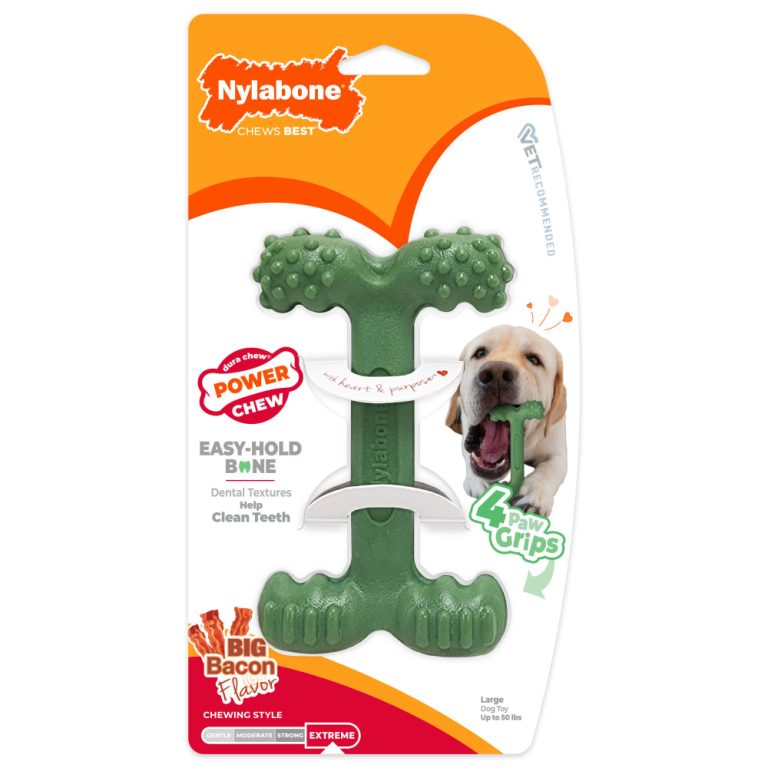
Dr. Emily, a seasoned vet, recalls a curious Labrador in her clinic who loved playing with his feline friend’s catnip toy. According to her, while the dog showed interest, it was more about the toy itself rather than the catnip. She advises pet owners to ensure the toy is durable enough for a dog’s bite.
Animal Behaviorists’ Perspectives
Animal behaviorists provide a different angle, focusing on the interaction between dogs and catnip toys. They note that dogs may enjoy catnip toys due to the novelty rather than the substance. The toys can serve as an interesting distraction, especially for dogs who love exploring new objects.
Behaviorist Sarah observed her own dog sniffing and pawing at a catnip toy, seemingly intrigued by the scent. She mentions that while dogs might not get the same euphoric reaction as cats, the unusual smell can keep them entertained. Could catnip toys be another way to enrich your dog’s environment?
Ultimately, the choice is yours. Would your dog enjoy a catnip toy as a fun diversion? Consider trying it out and observing their response. You might just discover a new favorite plaything for your furry friend!

Credit: www.amazon.com
Tips For Introducing Catnip Toys
Dogs can enjoy catnip toys safely with proper supervision. Introduce the toy gradually and monitor their reaction. Always ensure the toy is durable and free from small parts.
Introducing catnip toys to dogs can be an exciting experience. While cats are the primary fans of catnip, some dogs enjoy the scent and playfulness of catnip toys. This section offers practical tips to make the introduction smooth and enjoyable for both pets.Monitoring Dog’s Reaction
Observe your dog’s behavior with the new toy. This helps in understanding their interest level. Some dogs might be indifferent, while others show curiosity. Watch for signs of aggression or overstimulation. If they become too excited, remove the toy temporarily. This ensures their safety and the preservation of the toy.Safe Usage Guidelines
Ensure the toy is durable and free from small parts. Dogs often chew vigorously, which can lead to choking hazards. Choose toys specifically designed for pets, avoiding those meant only for cats. Supervise playtime initially to prevent damage or ingestion. Store toys out of reach when not in use to maintain interest and safety.Frequently Asked Questions
Can Dogs Safely Play With Catnip Toys?
Yes, dogs can safely play with catnip toys. Catnip is non-toxic to dogs and poses no harm. However, most dogs aren’t attracted to catnip’s scent or effects like cats are. Always supervise your dog to ensure they don’t chew or ingest the toy, preventing any potential choking hazards.
Do Dogs Enjoy Catnip Toys Like Cats Do?
Dogs typically don’t react to catnip like cats. Catnip’s active ingredient, nepetalactone, affects cats but not dogs. However, some dogs might enjoy the texture or playfulness of a catnip toy. It’s essential to observe your dog’s behavior and preferences with any new toy.
Are There Benefits Of Catnip Toys For Dogs?
Catnip toys generally don’t offer specific benefits for dogs. While catnip can stimulate cats, it doesn’t affect dogs similarly. However, toys can provide mental stimulation and exercise. Choose toys designed for dogs to ensure safety and engagement, enhancing their playtime experience.
Should I Monitor My Dog With Catnip Toys?
Yes, monitoring your dog with catnip toys is crucial. Dogs may chew or swallow parts of toys, posing choking risks. Always supervise playtime to ensure safety. If your dog shows disinterest, opt for toys specifically designed for dogs, ensuring they stay entertained and safe.
Conclusion
Dogs and catnip toys can mix well. It’s important to observe your dog’s reaction. Some dogs might enjoy it, while others might not. Always supervise playtime with new toys. Choose safe, durable toys to avoid choking hazards. Catnip is not harmful to dogs, but individual reactions can vary.
If your dog shows interest, let them explore. Keep toys clean and replace them if damaged. This ensures safe and fun playtime. Understanding your dog’s behavior is key. So, give it a try and watch their response. Your furry friend might discover a new favorite toy!