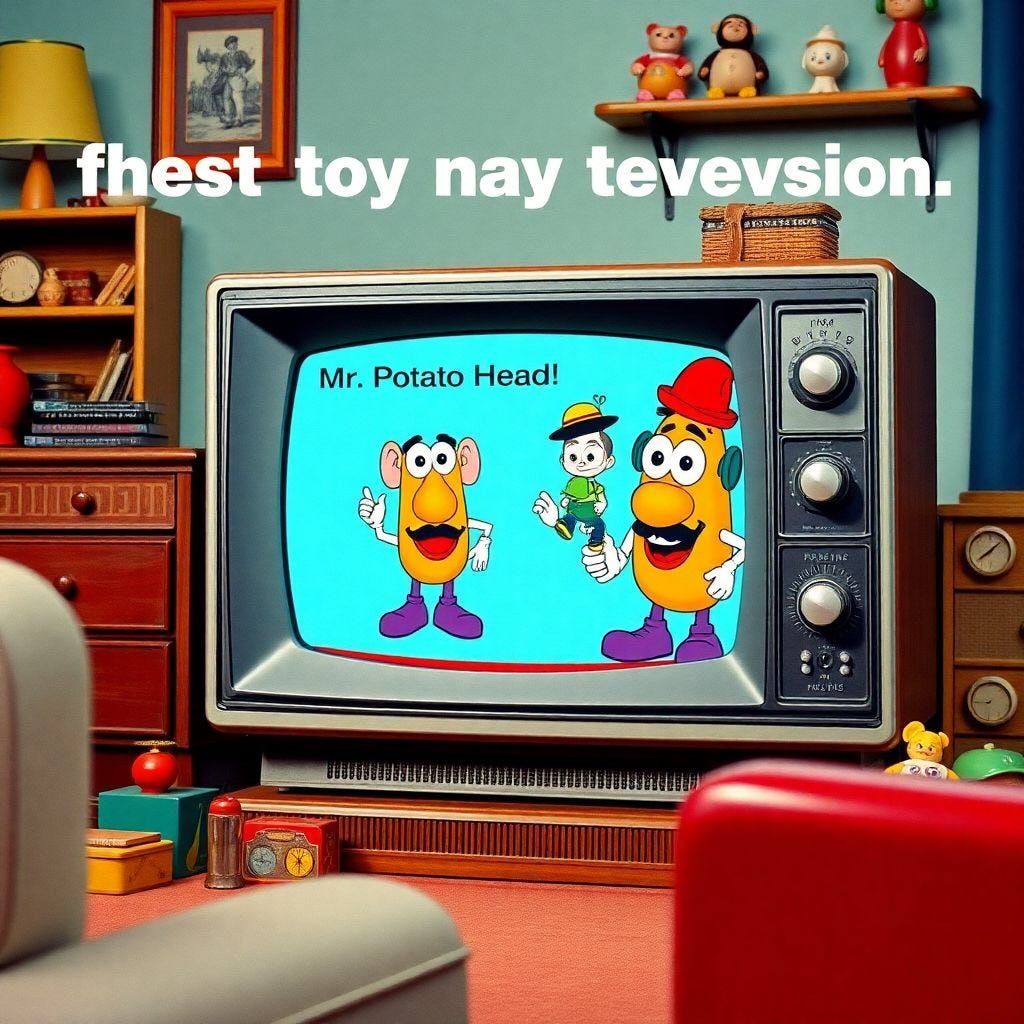
Have you ever wondered about the toy that first captured the imagination of millions through the power of television? Imagine the excitement and anticipation as families gathered around their TV sets, witnessing a groundbreaking moment in advertising history.
You’re about to discover the fascinating story behind the first toy ever advertised on TV. This tale not only marks a pivotal point in marketing but also offers a glimpse into how it shaped consumer behavior. As you continue reading, you’ll uncover the ingenious strategies used to capture attention and the profound impact it had on the world of advertising and toys.
Get ready to dive into a captivating piece of history that still influences your choices today.
The Birth Of Tv Advertising
The Birth of TV Advertising In 1955, Mr. Potato Head became the first toy advertised on TV. This marked a new era in marketing, revolutionizing the way products reached audiences.
The Birth of TV Advertising Television changed the advertising world. It offered a new platform to reach audiences. In the early 1950s, companies began to realize its potential. They saw the chance to showcase products directly in living rooms.The First Toy Advertised On Tv
In 1952, Mr. Potato Head made history. It was the first toy advertised on TV. This clever move captured the attention of children and parents. The ad showed how kids could create fun characters with interchangeable parts.Impact On Consumer Behavior
TV ads influenced buying habits. They brought products to life with visuals and sounds. People could see toys in action, which made them more appealing. Mr. Potato Head’s TV ad boosted sales significantly.Change In Advertising Strategies
TV ads required new strategies. Companies had to create engaging content. Short, catchy ads were essential to keep viewers interested. This led to the development of creative and memorable commercials.Evolution Of Toy Advertising
Toy ads evolved over time. They became more colorful and imaginative. Techniques improved to capture the attention of children. With advancements in technology, ads became more interactive and dynamic.
Credit: www.youtube.com
Early Days Of Toy Advertising
The world of toy advertising has evolved significantly. The early days marked the beginning of a new era. Advertisers discovered the power of television. It was a game-changer for reaching audiences.
Television brought toys directly into living rooms. Children saw colorful and exciting toy commercials. These early ads captured imaginations. They sparked curiosity and desire for new toys.
Early Television Commercials
In the 1950s, television became a household staple. Advertisers quickly adapted to this medium. Toy commercials began to appear regularly. They showcased toys in action, enticing young viewers.
Impact On Toy Sales
Television ads had a significant impact. They boosted toy sales dramatically. Parents responded to children’s demands. Advertisers understood the influence of TV on kids.
Targeting Young Audiences
Advertisers focused on engaging young viewers. They used catchy jingles and bright visuals. These elements helped capture attention. Children became eager to own advertised toys.
The Shift In Advertising Techniques
Advertising techniques evolved quickly. Early commercials were simple but effective. They laid the groundwork for future strategies. These techniques continue to influence toy advertising today.
The Mystery Toy
The world of toys changed forever with the first toy ad on TV. This mysterious toy captured the imagination of children across America. Its advertisement marked a new era in marketing and entertainment.
Historical Context
The year was 1952. Television sets were becoming household items. Families gathered around to watch their favorite shows. During one of these shows, a new kind of advertisement appeared. It was not just any commercial. It was the first TV ad for a toy. This moment was groundbreaking.
The toy was Mr. Potato Head. It was simple yet innovative. Kids could create funny faces using parts like eyes, ears, and noses. The ad showed how easy and fun it was. Children were immediately drawn to it. Parents took notice as well. This ad created excitement and curiosity.
Impact On Toy Industry
Mr. Potato Head’s TV debut changed toy advertising. It set a new standard for reaching children. Companies realized the power of TV in promoting toys. Sales soared, proving the effectiveness of this new strategy. The toy industry quickly adapted. Soon, other toys followed suit, appearing on TV screens everywhere.
TV ads became a key part of toy marketing. They helped create demand and anticipation for new products. This method allowed toys to reach a wider audience. It was a turning point for toy manufacturers. The success of Mr. Potato Head’s ad paved the way for future innovations in advertising.

Credit: historyfacts.com
The Role Of Television
The role of television in advertising took a significant turn with the first toy advertised in 1952. Mr. Potato Head became a household name as the first toy featured in a TV commercial, captivating audiences and forever changing marketing strategies.
Television transformed toy advertising, reaching millions of viewers and igniting consumer interest.
The advent of television changed how products reached audiences. It brought a new way to connect with consumers. Television became a powerful tool in marketing. It allowed companies to showcase their products in homes.Revolutionizing Marketing
Television ads introduced a dynamic way to market toys. Visual storytelling became key. Companies could demonstrate toys in action. This method was more engaging than print ads. Viewers saw the toy’s features and benefits firsthand. It created desire and anticipation in children’s minds.Reach And Influence
Television had a broad reach. It entered millions of homes daily. Ads could target specific audiences effectively. This increased the impact of marketing campaigns. Television also influenced consumer behavior. Families watched shows together. This made TV a shared experience and ads became a part of family discussions. Children often asked parents for toys they saw on TV. This direct influence boosted toy sales significantly.The Toy’s Legacy
“The Toy’s Legacy” explores the first toy ever advertised on TV, the Mr. Potato Head. Introduced in 1952, it marked a turning point in toy marketing, captivating children and parents alike.
The Toy’s Legacy The first toy advertised on TV was Mr. Potato Head. It marked a turning point in toy marketing and became a cultural icon. Its introduction to television changed how toys were perceived and marketed. Mr. Potato Head was not just a toy. It was a symbol of creativity and fun. It left a lasting legacy on the toy industry and popular culture.Cultural Impact
Mr. Potato Head became a household name. It encouraged children to use their imagination. Kids could create countless faces and personalities. Parents loved the toy for its simplicity and creativity. It inspired other toys and characters. Mr. Potato Head appeared in movies, books, and cartoons. Its influence extended beyond the toy box.Lasting Industry Changes
Mr. Potato Head changed toy advertising forever. It showed the power of television in reaching families. Companies began using TV ads to promote toys. Advertising strategies shifted toward engaging children directly. This led to a boom in the toy industry. Brands focused on creating toys with character appeal. Mr. Potato Head’s success paved the way for future innovations. It set the standard for marketing toys to children.
Credit: www.facebook.com
Lessons From The First Ad
The first toy advertised on TV was Mr. Potato Head in 1952. This iconic toy captivated children with its creative customization features, becoming a beloved classic. Its success paved the way for future toy commercials, revolutionizing marketing strategies in the toy industry.
The first toy ever advertised on TV was Mr. Potato Head in 1952. This marked a groundbreaking moment in advertising history. It wasn’t just about selling a toy; it was about revolutionizing how products reached consumers. Let’s dive into the lessons we can learn from this pioneering ad campaign.Advertising Strategies
Mr. Potato Head’s TV ad broke new ground by directly engaging young viewers. The ad spoke directly to children, a novel strategy at the time. By addressing its target audience, it effectively created a direct line of communication. The advertisement also demonstrated the power of visual storytelling. It showcased the toy in action, making it more appealing and understandable. This visual appeal was crucial in capturing the attention of both children and their parents. Consider how you can use these strategies in your marketing. Are you speaking directly to your audience? Is your product’s story visually compelling?Consumer Behavior Insights
The Mr. Potato Head ad taught valuable lessons about consumer behavior. It highlighted the importance of understanding your audience’s needs and desires. Kids loved the idea of customizing their toys, and the ad tapped into this perfectly. It also showed the power of emotional appeal. The ad wasn’t just selling a toy; it was selling fun and creativity. This emotional connection was key to its success. Think about your products or services. Are you tapping into the emotions and desires of your consumers? How can you create a deeper connection with them? These insights from the first toy advertisement on TV are as relevant today as they were in 1952. By applying these lessons, you can craft more engaging and effective marketing campaigns.Frequently Asked Questions
What Was The First Toy Advertised On Tv?
The first toy advertised on TV was Mr. Potato Head. Introduced in 1952, this innovative toy allowed children to create characters using interchangeable parts. The advertisement marked a significant milestone in marketing, revolutionizing how toys reached the consumer market and transforming the advertising industry.
How Did Tv Advertising Change Toy Marketing?
TV advertising transformed toy marketing by reaching a wider audience quickly. It enabled brands to showcase their products creatively, engaging children and parents alike. This shift allowed for increased brand visibility and sales, setting a new standard for marketing strategies in the toy industry.
Why Was Mr. Potato Head’s Tv Ad Significant?
Mr. Potato Head’s TV ad was significant because it was the first commercial targeted directly at children. This pioneering approach revolutionized advertising by demonstrating the power of engaging younger audiences. It paved the way for future marketing strategies focusing on child-friendly messaging and creative content.
How Did Mr. Potato Head Impact The Toy Industry?
Mr. Potato Head’s success demonstrated the effectiveness of TV advertising for toys. Its popularity encouraged other manufacturers to invest in similar marketing strategies. This shift contributed to the toy industry’s growth, allowing for innovation and increased competition, ultimately benefiting consumers with a wider variety of products.
Conclusion
The first toy advertised on TV was Mr. Potato Head. This iconic toy changed marketing forever. It showed the power of television ads. Mr. Potato Head captured children’s imagination. Parents noticed the growing influence of TV. This shift marked a new era in advertising.
Toys became household names through TV screens. Understanding this history helps us appreciate advertising’s evolution. Mr. Potato Head’s ad started a trend still seen today. It paved the way for countless toy commercials. This was just the beginning of TV’s impact on consumer culture.
Mr. Potato Head remains a beloved classic, bridging generations.