How to Clean Kids Bath Toys: Easy Steps for Parents
Are your kids’ bath toys looking a little worse for wear? You know how much joy they bring during bath time, but over time, they can become breeding grounds for germs and mold.
You might think a quick rinse is enough, but there’s more to keeping them clean and safe for your little ones. Imagine the peace of mind knowing your child’s toys are squeaky clean, free from harmful bacteria, and ready for endless fun.
In this guide, you’ll discover simple yet effective methods to ensure those bath toys remain as fresh and inviting as the day you bought them. Dive in and learn how to maintain a healthier bath time for your kids!
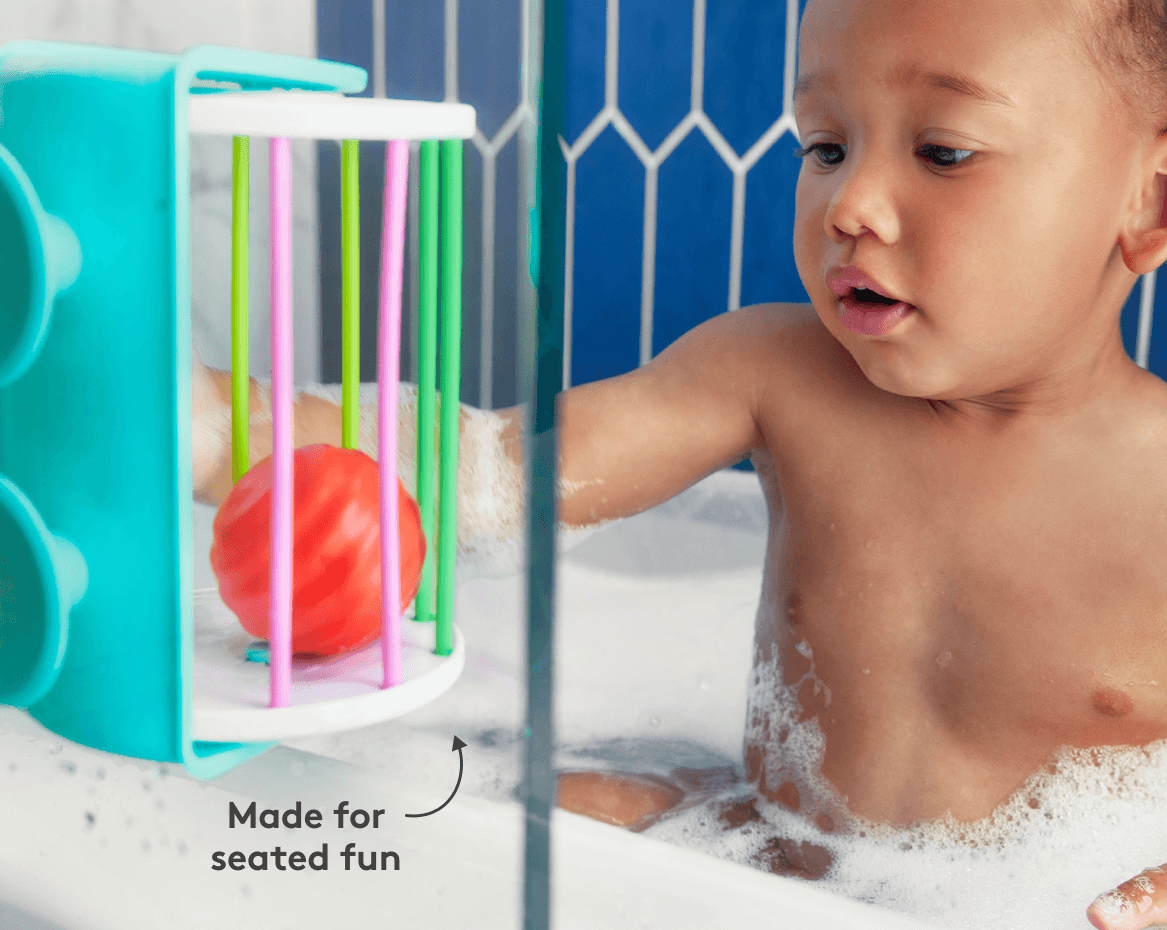
Credit: lovevery.com
Importance Of Cleaning Bath Toys
Bath toys can harbor germs and mold, posing health risks to children. Regular cleaning ensures toys remain safe and hygienic. Use mild soap and warm water for effective cleaning.
Cleaning bath toys is crucial for your child’s health. Bath toys often harbor mold and bacteria. These can pose health risks. Regular cleaning ensures a safe play environment. Kids love their bath toys. But these toys can become breeding grounds for germs. The warm, moist conditions in bathrooms are perfect for microbial growth.Understanding The Risks Of Dirty Bath Toys
Dirty bath toys can lead to infections. They may cause skin and eye irritations. Children often put toys in their mouths. This increases the risk of ingesting harmful bacteria. Toys with holes are especially risky. Water can get trapped inside. This creates a perfect environment for mold.Benefits Of Regular Cleaning
Regular cleaning extends the life of bath toys. It prevents the buildup of grime. Clean toys are more appealing to children. They also ensure peace of mind for parents. Knowing your child’s toys are clean reduces stress. It enhances the bath time experience.Frequency Of Cleaning Bath Toys
Clean bath toys weekly to minimize risks. Frequent cleaning helps maintain hygiene. It prevents unpleasant odors. If toys show signs of mold, clean them immediately. Regular checks can help identify issues early.Safe Cleaning Methods
Use safe cleaning methods for bath toys. Avoid harsh chemicals. These can damage toys and irritate skin. White vinegar is a popular choice. It is natural and effective. Baking soda is another safe option. It helps remove stubborn stains and odors.
Credit: www.instagram.com
Choosing The Right Cleaning Materials
Cleaning kids’ bath toys involves using safe and gentle materials. Choose non-toxic, mild soap to scrub away dirt. Regular cleaning prevents mold and keeps playtime safe.
Choosing the right cleaning materials for kids’ bath toys is crucial. Bath toys often attract mold and grime. Selecting safe and effective cleaners ensures toys stay hygienic. This section explores natural cleaners, commercial solutions, and essential tools.Natural Cleaners
Natural cleaners are gentle for kids’ toys. Vinegar is a popular choice. It disinfects and removes mold. Mix equal parts water and vinegar. Soak toys for 30 minutes. Baking soda is another option. It tackles stubborn stains. Sprinkle baking soda on a damp cloth. Scrub toys gently. Lemon juice can brighten toys. Combine with salt for scrubbing. Always rinse toys well after cleaning.Commercial Solutions
Many commercial cleaners are available. Look for non-toxic labels. These ensure safe cleaning. Some brands offer toy-specific solutions. They remove dirt without harsh chemicals. Reading labels is important. Avoid products with strong scents. Test a small area first. Ensure no adverse reactions. Follow instructions for best results.Tools Needed
A few tools make cleaning easier. Use a soft brush for scrubbing. Toothbrushes work well for crevices. A sponge can wipe surfaces clean. A basin is handy for soaking. Drying toys properly is essential. Use a towel or drying rack. Ensure all water is removed. Proper tools simplify the process.Preparing Toys For Cleaning
Gather all bath toys and inspect for damage. Discard any broken toys. Separate toys with holes to prevent mold.
Preparing your kids’ bath toys for cleaning is a crucial step that ensures they remain safe and enjoyable for your little ones. Before diving into the actual cleaning process, it’s important to get organized. This preparation stage involves a thorough examination of the toys to ensure they’re ready for a good scrub.Sorting Toys
Begin by gathering all the bath toys and placing them in a central area. Consider using a large tub or basket to keep them contained. This makes it easier to sort through them without losing track. As you sort, separate toys based on their material and type. Plastic toys might require a different cleaning approach than rubber ones. Grouping them by material helps you choose the right cleaning method later. Sorting also allows you to identify toys that might need immediate attention or replacement. Broken or damaged toys can harbor mold or bacteria, which you definitely want to avoid.Checking For Damage
While sorting, take a moment to inspect each toy for any signs of damage. Check for cracks, tears, or wear that could affect their safety. Damaged toys can be a breeding ground for germs, especially if water can seep into crevices. If you find any toys with irreversible damage, consider whether they should be repaired or replaced. Toy damage can be a surprise discovery, but it’s better to catch it early. It ensures your child’s bath time remains fun and safe. How often do you check your kids’ toys for damage? It’s a good habit to incorporate into your regular cleaning routine.
Credit: health.clevelandclinic.org
Cleaning Methods For Bath Toys
Regular cleaning keeps bath toys safe and mold-free. Use warm soapy water to scrub toys thoroughly. Rinse well and dry completely to prevent moisture buildup.
Cleaning your child’s bath toys can often feel like a daunting task, especially when you find them covered in soap scum and mold. Yet, maintaining clean bath toys is crucial for your child’s health and safety. With the right cleaning methods, you can ensure these toys remain safe and hygienic for your little one to enjoy during bath time.Soaking In Vinegar Solution
Vinegar is a natural disinfectant and can be a great option for cleaning bath toys. Simply fill a bucket with equal parts white vinegar and water. Submerge the toys and let them soak for about an hour. This method is effective in dissolving mineral deposits and soap scum. After soaking, rinse the toys thoroughly with water to remove any vinegar residue. You’ll be amazed at how refreshed and clean the toys feel, ready for another round of fun.Using Dish Soap And Water
Sometimes, the simplest solutions are the best. A mixture of warm water and dish soap can do wonders for cleaning bath toys. Fill your sink or a large basin with warm soapy water and scrub each toy with a soft brush or sponge. This method is gentle enough for most toys and helps remove everyday dirt and grime. Ensure you rinse the toys well to avoid leaving any soap residue. You might even find this method therapeutic as you restore your child’s toys to their former glory.Bleach Solution For Deep Cleaning
For those toys that need a deeper clean, a bleach solution might be necessary. Mix one tablespoon of bleach per gallon of water. Soak the toys for about five minutes to ensure all bacteria and mold are killed. This method should be used sparingly, as bleach is a strong chemical. Rinse the toys thoroughly with plenty of water after soaking to ensure no bleach remains. Ask yourself, how often do you need to use bleach, and are there alternative methods? Consider using bleach only for the most stubborn stains and dirt. By incorporating these cleaning methods into your routine, you can keep your child’s bath toys in pristine condition, ensuring bath time remains fun and safe.Drying And Storing Clean Toys
Dry bath toys thoroughly to prevent mold. Store them in a dry, well-ventilated area. This keeps them safe and clean.
Drying and storing kids’ bath toys may seem like a small task, but it’s crucial for maintaining hygiene and extending the life of these playful companions. After a thorough cleaning, ensuring toys dry properly can prevent mold and mildew, keeping your child’s bath time safe and fun. Likewise, smart storage solutions can save space and keep the bathroom organized.Air Drying Techniques
To effectively air dry bath toys, choose a well-ventilated area. A sunny spot by a window is ideal as sunlight helps kill any residual bacteria. If possible, place toys on a drying rack or hang them in a mesh bag to allow airflow on all sides. For toys with holes, shake out excess water and ensure they are positioned in a way that allows any trapped moisture to escape. Consider using a fan to speed up the drying process, especially in humid environments.Proper Storage Tips
Once the toys are dry, find a storage solution that keeps them accessible yet tidy. Use a mesh storage bag or a bath toy organizer that allows for air circulation, preventing moisture buildup. Some parents find success with wall-mounted baskets that keep toys off the floor and within reach. Label storage containers to make clean-up a breeze and teach your kids organization skills. Rotate toys occasionally to keep bath time exciting, and regularly inspect them for any signs of wear or mold. Have you ever thought about how proper storage can make bath time more enjoyable for both you and your child? By taking a few simple steps, you can ensure that bath toys remain a source of joy, not stress.Preventing Mold And Mildew
Bath time can be a fun and splashy adventure for kids, but lurking beneath that bubbly surface may be the threat of mold and mildew on their favorite bath toys. These unwelcome guests can turn playtime into a health hazard. Ensuring your child’s bath toys remain safe and clean requires proactive measures. Let’s explore practical ways to keep mold and mildew at bay.
Regular Cleaning Schedule
Establishing a regular cleaning schedule is crucial in maintaining mold-free bath toys. Aim to clean them at least once a week. This doesn’t have to be a daunting task. Simply soak the toys in warm water mixed with a bit of white vinegar or mild soap. Vinegar is a natural disinfectant and can effectively kill bacteria without harsh chemicals.
After soaking, scrub toys with a toothbrush to reach those tiny crevices where mold loves to hide. Rinse them thoroughly and let them dry completely before storing. A consistent routine helps prevent the buildup of mold, keeping playtime safe and fun.
Ventilation Tips
Ventilation is your ally in the fight against mold and mildew. After bath time, make sure to dry toys completely. Use a dry towel to remove excess water and then place toys in a well-ventilated area. Consider setting up a fan or dehumidifier if your bathroom tends to stay humid.
A simple trick is to keep toys out of the bathroom entirely when not in use. This minimizes exposure to moisture and reduces the risk of mold growth. Think about where you store the toys. Are they in a damp corner? Relocating them to a drier spot can make a significant difference.
Preventing mold and mildew doesn’t have to be a complex process. Have you ever noticed how a little effort can go a long way in preserving your child’s health? Implement these strategies, and you might find bath time even more enjoyable and worry-free. What steps will you take to ensure your kids’ toys remain clean and safe?
Safety Considerations
Cleaning kids’ bath toys is essential for hygiene and safety. Toys can harbor germs and mold if not cleaned properly. Safety considerations should be a priority to protect your child during the cleaning process. Let’s explore how to ensure safety while cleaning these toys.
Handling Chemicals Safely
Many cleaning agents contain strong chemicals. Always read labels before use. Choose non-toxic cleaners when possible. Wear gloves to protect your skin. Make sure the room is well-ventilated during cleaning. This reduces inhalation of fumes. Avoid mixing different chemicals. Some combinations can be harmful.
Child Safety During Cleaning
Keep cleaning supplies out of reach of children. Store them in locked cabinets if necessary. Never let children handle cleaning agents. They should not be present during the cleaning process. Ensure toys are rinsed thoroughly after cleaning. Residue can be harmful to children.
Fun Ways To Involve Kids
Cleaning kids’ bath toys can be a fun adventure. Involving children in the process can turn a chore into a playful activity. Encouraging participation also teaches responsibility and cleanliness. Let’s explore some creative ways to engage kids in cleaning their toys.
Making Cleaning A Game
Transform the cleaning routine into a game. Create a toy wash station with buckets of soapy water. Challenge kids to see who can clean the most toys. Use a timer to make it exciting. Reward them with a sticker or small prize for their efforts. This makes cleaning enjoyable and competitive.
Introduce a toy washing race. Line up the toys and see who can clean theirs the fastest. Use fun music to set the mood. The excitement of racing against the clock adds thrill. Children will look forward to cleaning time with this playful approach.
Educational Opportunities
Cleaning toys offers a chance to teach valuable lessons. Explain how germs can stick to toys. Discuss why cleaning them is important for health. Kids learn about hygiene through practical examples.
Incorporate science into the process. Show how soap works to remove dirt. Discuss the properties of water and soap. This turns cleaning into a mini science lesson. Kids become curious and eager to learn.
Use the opportunity to teach colors and shapes. Ask children to sort toys by color or shape before cleaning. This reinforces their learning in a hands-on way. Kids practice sorting and organizing skills during the activity.
Frequently Asked Questions
How Often Should You Clean Bath Toys?
Cleaning bath toys at least once a week is recommended. Regular cleaning prevents mold and bacteria buildup. If your child uses toys frequently, consider cleaning them more often. Ensure toys are dry before storing to maintain cleanliness. Proper maintenance ensures a safe bath time environment for your children.
What Is The Best Way To Clean Bath Toys?
The best way is to soak toys in a mixture of vinegar and warm water. This solution helps remove grime and disinfect toys effectively. Rinse thoroughly with clean water afterward. Dry completely before storing to prevent mold growth. Regular cleaning keeps bath toys safe and hygienic for kids.
Can Bath Toys Grow Mold?
Yes, bath toys can grow mold if not cleaned properly. Water can get trapped inside, creating a perfect environment for mold. Regular cleaning and drying help prevent mold growth. Ensure toys are air-dried completely after each use to maintain cleanliness and safety for your children.
Are There Safe Cleaning Products For Bath Toys?
Yes, vinegar and baking soda are safe cleaning products for bath toys. These natural ingredients effectively remove dirt and disinfect toys. They are non-toxic, making them safe for children. Avoid harsh chemicals that might harm toys or irritate children’s skin.
Always rinse toys thoroughly after cleaning.
Conclusion
Cleaning kids’ bath toys is simple and essential. Regular cleaning stops germs. Use mild soap and warm water. Rinse thoroughly. Dry completely to prevent mold. Inspect for damage before cleaning. Throw away broken toys. Try vinegar for tough stains. It’s safe and effective.
Consider soaking toys overnight. Remember to squeeze water from toys after each bath. Keep toys dry when not in use. Clean toys weekly for best results. A clean bath means healthy playtime. Enjoy stress-free bath times. Your kids deserve clean fun.
Happy cleaning!