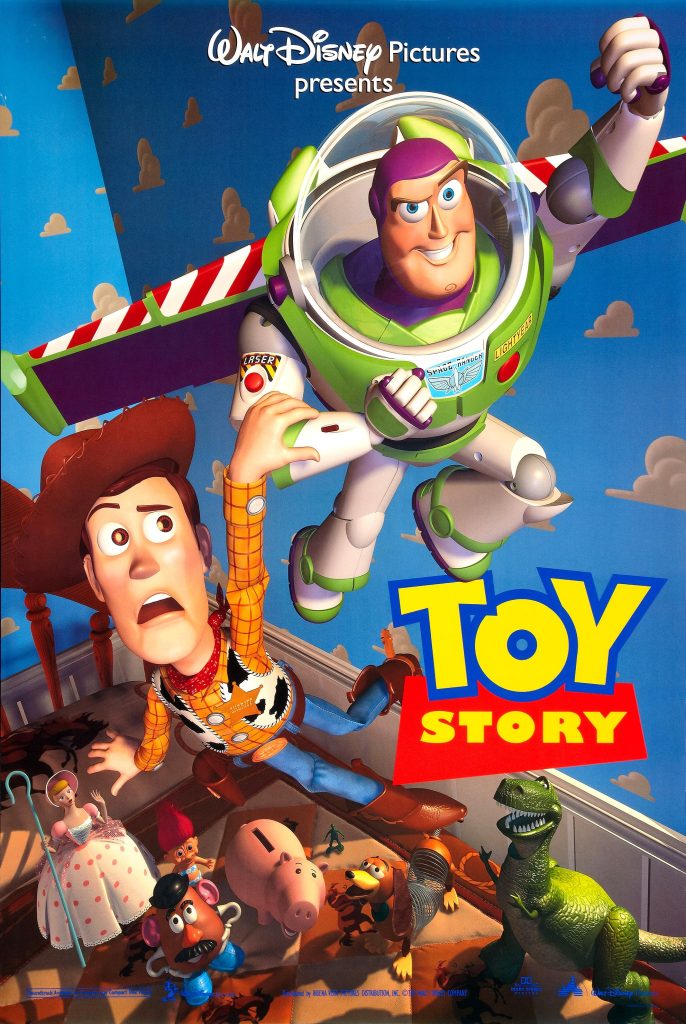
Have you ever wondered when Toy Story first came to life on the big screen? This groundbreaking film changed the world of animation forever and became a beloved classic for families everywhere.
You might even remember your own excitement as you followed Woody, Buzz, and the gang on their first adventure. We will take you back to the year when Toy Story One was released and explore why it left such a lasting impact on audiences.
Get ready to dive into the magic and nostalgia that only Toy Story can bring. Keep reading, and you’ll discover why this film continues to captivate hearts and imaginations.
Release Date Of Toy Story
Toy Story is a beloved animated film by Pixar Animation Studios. Its release marked a significant moment in movie history. The film introduced audiences to a new world of animation and storytelling. But when did this groundbreaking film come out?
Disney released Toy Story on November 22, 1995. This date is significant in film history. Toy Story was the first entirely computer-animated feature film. It captured the hearts of audiences worldwide. The movie’s release set a new standard for animated films.
The Impact On Audiences
Audiences were amazed by Toy Story’s unique animation style. The story of Woody and Buzz Lightyear resonated with viewers. Toy Story was a box office success, earning millions globally. Its success paved the way for future Pixar films.
Critical Reception And Awards
Critics praised Toy Story for its innovation and storytelling. The film received numerous awards and nominations. It won a Special Achievement Academy Award. Toy Story’s success highlighted the potential of computer animation.
Toy Story’s Legacy
Toy Story’s release changed the animation industry. It showed the possibilities of digital animation. The film’s legacy continues through its sequels and merchandise. Toy Story remains a classic loved by generations.

Credit: www.cinematicpanic.com
Birth Of Pixar Animation Studios
The journey of Pixar Animation Studios is nothing short of a technological and creative revolution. Before the world met Woody and Buzz in Toy Story, there was a vibrant story behind the curtains—one of innovation, perseverance, and a dash of magic. Pixar’s birth marked the dawn of a new era in animation, where computers began to weave stories that touched hearts globally.
From Humble Beginnings To Technological Pioneers
Pixar started as a division of Lucasfilm, primarily focused on computer graphics. You might wonder how a small group of tech enthusiasts transformed into a powerhouse of animated storytelling. Their secret lay in their relentless pursuit of blending art with technology. By focusing on creating tools that brought characters to life, they set the stage for a new form of storytelling.
The Big Break: Steve Jobs’ Influence
Steve Jobs, yes, the visionary behind Apple, played a pivotal role in Pixar’s journey. After acquiring Pixar from Lucasfilm in 1986, Jobs believed in the potential of computer-generated animation. His investment and leadership provided the resources and confidence needed to push boundaries, leading to the creation of Toy Story.
Building A Creative Culture
Pixar’s magic doesn’t only come from technology; it thrives on its creative culture. Imagine working in a place where creativity is celebrated and nurtured—a dream for any artist. Pixar fostered an environment where ideas could flourish, encouraging collaboration and innovation. This culture became the backbone of the inspiring stories that Pixar continues to deliver.
Why Does Pixar’s Story Matter?
Pixar’s tale is more than just corporate success; it’s a testament to what can happen when creativity meets technology. As you enjoy the adventures of Toy Story, think about the creative minds who dared to dream differently. Could you be inspired to blend your passions with innovation, just like Pixar did? Their journey reminds us that the fusion of art and technology can create wonders.
The Making Of Toy Story
The creation of Toy Story marked a groundbreaking moment in film history, transforming the way we perceive animation. Released on November 22, 1995, Toy Story was the first entirely computer-animated feature film, showcasing the imaginative world where toys come to life when humans aren’t watching. The journey from concept to screen involved innovative techniques and a dedicated team at Pixar Animation Studios, who dared to challenge traditional animation norms.
Concept Development
The idea behind Toy Story sprouted from a simple yet powerful concept: What if toys had their own lives? Pixar’s visionaries, including John Lasseter, explored this notion, crafting a narrative that was both relatable and magical. They wanted to create characters with depth, personalities, and emotions, allowing audiences to connect with them on a human level.
During development, the team faced the challenge of making a toy’s world believable while maintaining its whimsical charm. They drew inspiration from childhood memories, imagining how toys interacted with each other and the world around them. This creative process led to the birth of iconic characters like Woody and Buzz Lightyear, each with distinct traits that resonated with viewers.
Animation Techniques
Animating Toy Story required pioneering new techniques that had never been attempted before. Traditional hand-drawn animation methods were replaced with digital tools, pushing the boundaries of what was possible. Pixar engineers developed sophisticated algorithms to simulate realistic textures and movements, bringing toys to life with unprecedented detail.
One of the biggest challenges was animating lifelike movements for the toy characters. The team meticulously studied real toys, analyzing their joints and textures to replicate them in the digital realm. This attention to detail ensured that every scene felt authentic, captivating audiences and immersing them in the story.
Can you imagine the thrill of watching the first fully computer-animated film? Toy Story not only entertained but also paved the way for future innovations in animation. Its success proved that with creativity and technology, storytelling could evolve into something extraordinary.
Credit: medium.com
Innovations In Animation
Toy Story, a groundbreaking animation, premiered on November 22, 1995. It marked a new era in digital animation. Pixar’s innovative techniques changed how animated films are created and perceived.
Innovations in animation took a giant leap with Toy Story One. Released in 1995, it marked a turning point for animated films. This movie introduced groundbreaking techniques that changed the industry forever.Pioneering Cgi
Toy Story One was the first feature film created entirely using CGI. Computer-generated imagery brought characters to life with unprecedented detail. Animators crafted smooth movements and vibrant colors. Pixar’s innovative approach set a new standard in animation. Traditional methods were replaced by digital artistry, allowing for more creativity. CGI offered flexibility and precision that hand-drawn animation couldn’t match.Collaborative Efforts
The success of Toy Story One was due to teamwork. Pixar collaborated closely with Disney to achieve its vision. Talented artists, technicians, and storytellers worked together seamlessly. Each team contributed unique skills to the project. This collaboration resulted in a film that appealed to audiences of all ages. Sharing ideas fostered innovation and pushed boundaries in animation.Voice Cast And Characters
Toy Story debuted on November 22, 1995, featuring iconic voices like Tom Hanks as Woody. Tim Allen brought Buzz Lightyear to life.
When discussing the charm of Toy Story, the voice cast plays a vital role. The film’s characters are brought to life by talented actors. Their voices add depth to each character, making the story memorable. Let’s delve into the iconic voices and character development that made Toy Story a classic.Iconic Voices
Tom Hanks voices Woody, the cowboy doll. His warm and friendly tone captures Woody’s leadership and loyalty. Tim Allen as Buzz Lightyear brings energy and humor. His voice makes Buzz’s adventurous spirit believable. Other talented actors include Don Rickles as Mr. Potato Head. Rickles’ sharp wit adds comedy and charm. Wallace Shawn voices Rex, the nervous dinosaur. His distinctive voice amplifies Rex’s timid personality. Annie Potts voices Bo Peep, the shepherdess. Her gentle voice captures Bo’s caring nature. These voices blend to create an unforgettable listening experience.Character Development
Woody evolves from a confident leader to a caring friend. This journey showcases his growth and adaptability. Buzz Lightyear learns the value of friendship. His character matures, embracing his toy identity. Mr. Potato Head shows a mix of sarcasm and affection. He often provides comic relief. Rex, though anxious, displays bravery when needed. His journey inspires viewers to face fears. Bo Peep’s character offers wisdom and support. Her role emphasizes kindness and resilience. Each character’s development adds layers to the narrative. These elements make Toy Story a timeless tale.Credit: uk.movies.yahoo.com
Cultural Impact Of Toy Story
The release of Toy Story on November 22, 1995, marked a pivotal moment in cinematic history. It wasn’t just the first fully computer-animated feature film but also a cultural phenomenon that changed how we view storytelling. Its impact extends far beyond the big screen, influencing animation, pop culture, and even our personal lives.
Influence On Animation
Toy Story revolutionized the animation industry by introducing a new era of computer-generated imagery (CGI). Before its debut, traditional hand-drawn animations dominated the scene. But Toy Story demonstrated the potential of CGI to create vibrant, lifelike worlds that captured the imagination of audiences.
This leap in technology inspired a wave of innovation, leading other studios to experiment with CGI. Today, it’s hard to imagine animation without it. Have you noticed how modern animated films have that polished, immersive quality? That’s a legacy of Toy Story’s groundbreaking approach.
Legacy In Pop Culture
Toy Story didn’t just change animation; it became a staple of pop culture. Its characters like Woody and Buzz Lightyear are now iconic figures, beloved by generations. These characters taught us lessons about friendship and bravery, resonating with both kids and adults.
Think about how often you’ve heard “To infinity and beyond!” or seen Toy Story merchandise in stores. Its influence is everywhere—from themed amusement park rides to Halloween costumes. How has Toy Story touched your life or the lives of those around you?
The film’s impact is undeniable. It’s a testament to the power of storytelling and innovation. As you reflect on its legacy, consider how it has shaped not only the film industry but also your own experiences and memories.
Critical And Commercial Success
Toy Story premiered on November 22, 1995, marking Pixar’s groundbreaking entry into feature-length animation. The film achieved both critical acclaim and commercial success, captivating audiences worldwide with its innovative storytelling and beloved characters.
Toy Story, released on November 22, 1995, marked a pivotal moment in animation history. It was the first feature film entirely created using computer-generated imagery. Its release ushered in a new era for animated movies. The film captured the hearts of audiences worldwide. It wasn’t just the groundbreaking animation that drew attention. The story itself was compelling and relatable, making it a favorite for both children and adults. Toy Story’s success was not limited to its technical achievements. It also triumphed critically and commercially, setting the stage for future animated films.Box Office Performance
Toy Story performed exceptionally well at the box office. It grossed over $373 million globally. This achievement was remarkable for an animated film at that time. The film’s innovative animation and storytelling contributed to its financial success. It attracted audiences of all ages, proving the universal appeal of its characters and themes. The strong box office numbers signaled a bright future for Pixar. Toy Story’s success encouraged further investments in computer animation.Awards And Accolades
Toy Story received numerous awards and nominations. It was nominated for three Academy Awards, including Best Original Screenplay. This was a significant accomplishment for an animated film. Toy Story also won a Special Achievement Award for its pioneering work in animation. The film received recognition from various other award bodies. It won several Annie Awards, which honor excellence in animation. Toy Story’s accolades reflected its impact on the film industry. Its success paved the way for future animated features.Toy Story’s Place In Film History
“Toy Story” debuted on November 22, 1995, marking a milestone in animation. It was the first feature-length film created entirely with computer-generated imagery, forever changing the industry.
Toy Story’s debut in 1995 marked a significant moment in film history. It wasn’t just a movie; it was a groundbreaking achievement in animation. Its release opened new doors for storytelling and technology. By blending humor, heart, and cutting-edge visuals, Toy Story captured audiences worldwide. Its impact on cinema is undeniable.First Fully Computer-generated Film
Toy Story was the first fully computer-generated feature film. This was a huge leap for animation. Before this, animation relied heavily on traditional methods. Pixar’s team created a vibrant world using computers. This was a bold move, blending art with technology. Audiences saw something new and exciting. The characters felt alive and relatable. This set a new standard for animated films.Setting The Stage For Future Films
Toy Story’s success paved the way for future films. Studios recognized the potential of computer-generated imagery. This led to a surge in animated films using this technology. The film’s storytelling also set a benchmark. It showed that animated films could appeal to both kids and adults. This dual appeal became a formula for many successful films after. Toy Story’s legacy continues to influence filmmakers today.Frequently Asked Questions
When Was Toy Story 1 Released?
Toy Story 1 was released on November 22, 1995. It was the first fully computer-animated feature film. Directed by John Lasseter, it was produced by Pixar Animation Studios. The film became a significant milestone in animation history.
Who Directed The First Toy Story Movie?
John Lasseter directed the first Toy Story movie. He is a renowned filmmaker known for his work with Pixar. Lasseter played a crucial role in making Toy Story a groundbreaking film in animation.
How Did Toy Story Change Animation?
Toy Story revolutionized animation by being the first fully computer-animated film. It showcased the potential of digital technology in filmmaking. Its success paved the way for future computer-animated movies.
What Is The Plot Of Toy Story 1?
Toy Story 1 follows the adventures of Woody and Buzz Lightyear. Woody, a cowboy doll, feels threatened by Buzz, a new toy. Together, they embark on a journey that teaches them about friendship and loyalty.
Conclusion
Toy Story changed how we see animated films. It first came out in 1995. This film started a new era for Pixar. Its story about friendship and adventure touched many hearts. People still love Woody and Buzz today. Toy Story showed that animation can be fun and meaningful.
It inspired many other movies. Even now, it remains a favorite for families. Revisiting Toy Story is like reliving childhood magic. Its charm never fades. Enjoy watching this classic again. Rediscover its timeless joy and creativity.