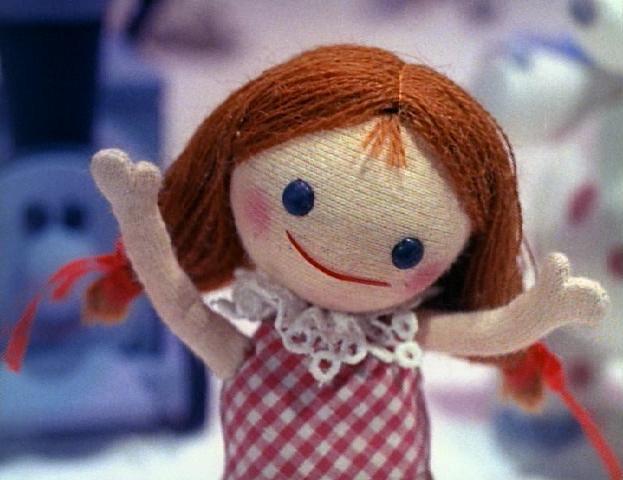
Have you ever wondered why the doll in “Rudolph the Red-Nosed Reindeer” is considered a misfit toy? It’s a question that has puzzled fans for years.
You might think there’s nothing wrong with her. After all, she looks perfectly fine compared to the other quirky characters on the Island of Misfit Toys. But there’s more beneath the surface that makes her story so intriguing. Understanding why she is labeled a misfit can change the way you see this classic holiday special.
It might even resonate with your own feelings of not quite fitting in. Dive deeper into her mystery, and you may find unexpected connections to your own life. Keep reading to uncover the secrets behind the doll’s misfit status and see how it reflects a universal human experience.
Misfit Toys In Rudolph
The Island of Misfit Toys is a memorable part of the Rudolph story. It represents a place where toys, deemed unfit, find refuge. Each toy has a unique flaw, making them different from the rest. These toys resonate with audiences, highlighting themes of acceptance and belonging.
The Significance Of Misfit Toys
Misfit Toys symbolize diversity and imperfection. They teach us that everyone has value. This theme touches on the importance of embracing differences. It encourages viewers to see beauty in uniqueness.
Exploring The Doll’s Role
The Doll in Rudolph is often questioned. Why is she a misfit? She appears perfect on the outside. Her misfit status is a mystery to many. Some suggest she feels unloved or forgotten.
Understanding The Doll’s Character
The Doll’s presence adds depth to the story. Her inner feelings reflect real human emotions. She embodies the struggle of feeling out of place. This resonates with anyone who has felt different.
Lessons From The Misfit Toys
Each misfit toy teaches valuable lessons. They show that everyone deserves love and acceptance. Their journey mirrors the quest for identity and belonging. This message remains timeless and universal.
The Story Of The Doll
Rudolph the Red-Nosed Reindeer is a timeless holiday classic that resonates with viewers of all ages. The Island of Misfit Toys is one of the most memorable parts of the story, where toys deemed unfit for normal play find refuge. Among these toys is a seemingly ordinary doll that puzzles many viewers. Why is she on the island? The story of the doll is fascinating and adds depth to the narrative, inviting viewers to think beyond the surface.
The Doll’s Unique Attributes
On the surface, the doll appears perfectly normal, which raises questions about her presence among the misfits. Unlike other toys with obvious defects, her issue is less visible. This mystery challenges viewers to look closer and recognize that sometimes, emotional struggles make one feel like a misfit. Much like real life, external appearances can be deceiving.
Emotional Needs And Inner Struggles
Many speculate that the doll’s misfit status stems from her emotional needs. She may feel unloved or unwanted, signifying deeper issues than physical imperfections. Have you ever felt out of place despite seeming to fit in? The doll’s story prompts reflection on how emotional experiences can impact one’s sense of belonging.
Connection To Viewers
The doll’s story is a reminder that everyone has struggles, even if they aren’t apparent. As viewers, it encourages empathy and understanding towards others. Consider your own experiences—do moments of self-doubt make you feel like a misfit? Her journey resonates with anyone who has ever felt different, despite appearing to fit the mold.
Lessons From The Doll’s Story
Her presence on the Island of Misfit Toys teaches us the importance of looking beyond the obvious. It’s a call to recognize emotional well-being as crucial to feeling accepted and loved. How can you apply this lesson in your life? The doll’s story encourages us to value emotional health and seek acceptance for both ourselves and others.
Characteristics Of The Doll
Doll is a misfit toy in Rudolph because she lacks a clear reason for her misplacement. Her unexplained sadness and presence among other flawed toys create curiosity. This mystery captivates audiences, making her character unique and intriguing.
The Island of Misfit Toys in “Rudolph the Red-Nosed Reindeer” is a place for toys that don’t quite fit the mold, and the Doll is one of its curious inhabitants. Her presence on the island has sparked many questions, as she appears to be perfectly normal at first glance. However, upon closer inspection, you might notice several subtle characteristics that set her apart from the typical toy. These unique traits are key to understanding why she finds herself among the misfits.Physical Appearance
The Doll’s physical appearance is deceptively ordinary. She wears a charming red dress and has curly hair, making her look like any other beloved plaything. But if you look closely, her expressions might seem slightly melancholic or forlorn, hinting at a deeper emotional state. It’s as if her outward beauty masks an internal complexity that makes her different.Emotional Complexity
Unlike most toys, the Doll seems to possess an emotional depth that’s rare in the toy world. Her demeanor suggests she might feel sadness or loneliness, making her more relatable yet different from her plastic counterparts. Have you ever had a toy that seemed to resonate with your own feelings? It’s as if the Doll is not just a toy but a companion with her own emotional narrative.Functional Anomalies
Though seemingly perfect, the Doll might have functional anomalies that aren’t immediately visible. Perhaps she has a voice box that doesn’t work or limbs that don’t move as they should. These imperfections, though small, can make a toy feel like an outsider. Can you imagine owning a toy that doesn’t perform its intended function? This might be why the Doll feels out of place.Symbolic Representation
The Doll’s presence on the Island of Misfit Toys could symbolize broader themes of acceptance and belonging. She represents those who might appear perfect but feel different inside. Her story encourages us to embrace our unique qualities and find where we truly belong. Could this be a reminder that everyone, no matter how perfect they seem, might feel like a misfit sometimes? Each characteristic contributes to the Doll’s identity as a misfit. What do you think her story tells us about fitting in and finding our place in the world?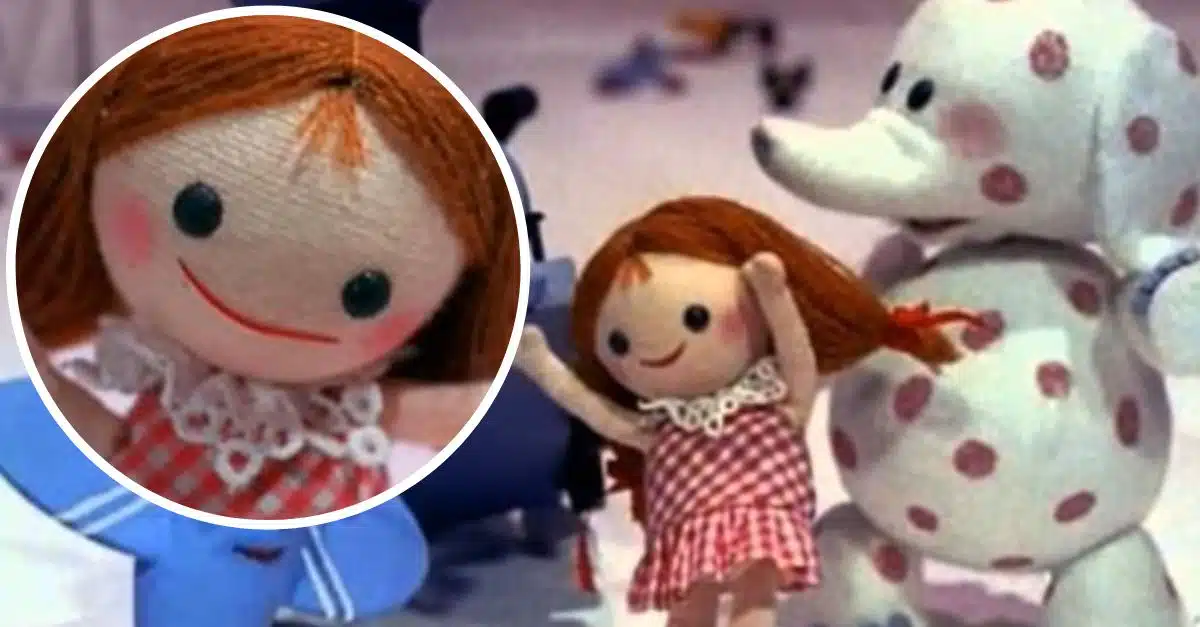
Credit: doyouremember.com
Symbolism Of Misfit Toys
Misfit toys in Rudolph hold a special meaning. They represent feeling different or unwanted. Each toy has something that sets it apart. This makes them special but misunderstood. The Island of Misfit Toys is a place where these toys find belonging.
The misfit toys symbolize those who feel out of place. They show that being different can be a strength. This theme resonates with many people. It encourages embracing uniqueness and finding value in differences.
Misfit Toys As Symbols Of Individuality
The toys each have unique features. These features make them stand out. Their differences highlight the beauty of individuality. The story shows how being unique is not a flaw. It is a gift that should be celebrated.
Acceptance And Belonging In Rudolph’s Story
The misfit toys find acceptance on the island. This represents finding a place where they belong. It teaches a lesson about the importance of acceptance. It inspires people to look for places where they fit in.
The Doll’s Role Among Misfit Toys
The doll is often questioned as a misfit toy. Her reason for being on the island is not clear. Some believe her issues are emotional rather than physical. This adds depth to her character and the story.
Lessons From Misfit Toys
These toys teach valuable lessons. They show that everyone has a place in the world. Their story encourages embracing differences. It inspires self-acceptance and finding joy in being unique.
Cultural Impact
The doll’s status as a misfit in Rudolph’s tale sparks curiosity. Lacking visible flaws, her inclusion highlights deeper themes. This choice invites viewers to reflect on hidden differences and societal norms.
The story of Rudolph and his misfit toy friends touches hearts worldwide. The Doll in Rudolph is a symbol of individuality. Her cultural impact is profound and lasting. People often wonder why the Doll is considered a misfit toy. She seems perfect at first glance. Yet, her presence challenges societal norms.Understanding The Doll’s Unique Characteristics
The Doll represents feelings of inadequacy. She struggles with her identity. Her sadness reflects human emotions. Many relate to her inner turmoil. This connection makes her memorable. Her story encourages acceptance of differences. It fosters empathy for those who feel outcast.Symbolism In Modern Society
Today, the Doll stands as a symbol of self-discovery. Her journey inspires those seeking acceptance. She challenges the idea of perfection. Her story resonates with individuals facing societal pressures. It encourages embracing one’s true self. People find comfort in her narrative.Influence On Popular Culture
The Doll’s tale influences movies and stories. It promotes themes of individuality. Her character is a template for modern narratives. Writers explore themes of belonging inspired by her. Her legacy continues in various art forms. She remains a cultural icon today.Impact On Holiday Traditions
The Doll enhances holiday storytelling. Her presence is vital in festive narratives. She adds depth to holiday celebrations. People cherish her story during Christmas. Her tale is a reminder of acceptance. It enriches holiday traditions with meaningful lessons. The Doll in Rudolph is more than a toy. She is a symbol of cultural acceptance. Her impact is profound and enduring.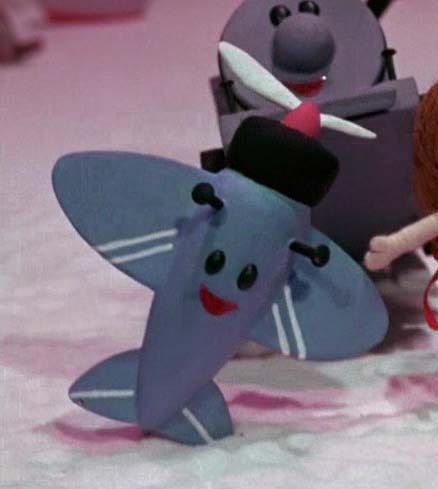
Credit: medium.com
Fan Theories
Fan theories speculate that the doll’s misfit status in Rudolph stems from emotional issues, possibly stemming from feeling unloved. Unlike other toys with physical defects, her sadness might be what makes her unique among the misfits, adding depth to her character’s mystery.
The Island of Misfit Toys in “Rudolph the Red-Nosed Reindeer” has fascinated audiences for years. Among these toys, the doll stands out, sparking curiosity and debate. Fans have crafted various theories about why this doll is considered a misfit. Each theory adds depth to the story, inviting viewers to explore the nuances of this beloved classic.The Doll’s Emotional Complexity
Some believe the doll’s misfit status stems from emotional struggles. Unlike other toys, she expresses sadness and longing. This emotional depth might not appeal to children seeking joyful companions. Her feelings make her unique but misunderstood.A Manufacturing Error
Another theory suggests a simple factory mistake. Perhaps she was made with a minor defect, invisible to the eye. This flaw could affect her function or appeal. Such errors might lead toys to the island despite appearing perfect.Symbol Of Loneliness
The doll might represent loneliness and isolation. She reminds viewers that even seemingly perfect beings can feel alone. This theory highlights the importance of acceptance and understanding in the toy world.Missing Accessories
Some fans argue the doll lacks vital accessories. Perhaps she was meant to have a hat or a pair of shoes. Missing these items might render her incomplete. This theory suggests that perfection is more than appearance.Her Unique Voice
The doll’s voice sets her apart. It could be unconventional or peculiar. Her distinct voice might not appeal to all. This theory highlights how uniqueness can be misunderstood and undervalued.Interpretations Over Time
Over the years, the mystery of why the doll is considered a misfit toy in the classic film “Rudolph the Red-Nosed Reindeer” has intrigued audiences. Interpretations have evolved, offering a glimpse into societal changes and personal connections. From psychological theories to emotional experiences, each perspective adds depth to this enigmatic character.
Psychological Interpretations
Some believe the doll represents emotional struggles, highlighting feelings of inadequacy and abandonment. Her tears at night could symbolize hidden sadness, resonating with those who’ve felt misunderstood.
Cultural Shifts
As societal norms change, the doll’s status as a misfit reflects broader themes of identity and acceptance. Consider how perceptions of belonging have shifted over decades.
Personal Connections
Have you ever identified with the doll’s loneliness? This connection might stem from your own experiences of feeling out of place. Sharing these stories fosters understanding and empathy.
Symbolism And Media Analysis
Media analyses suggest the doll’s misfit status could symbolize a critique of consumer culture. Her presence questions what defines worth and value in society.
Your Thoughts On The Doll
What do you think makes the doll a misfit? Your interpretation might differ based on personal experiences or societal observations. Engaging with others can broaden your perspective.
Legacy Of The Misfit Doll
The Misfit Doll in Rudolph is unique due to her unexplained sadness. Despite looking normal, she feels different. Her inner emotions set her apart in the land of misfit toys. This contrast highlights how not all differences are visible, making her a memorable character.
The Misfit Doll from the classic tale of Rudolph the Red-Nosed Reindeer holds a unique place in the hearts of many. This character has sparked curiosity and debate among fans for decades. Her status as a misfit toy, despite appearing nearly perfect, invites us to ponder the deeper meanings of acceptance and belonging.Understanding The Misfit Doll’s True Identity
Why does the seemingly perfect doll end up on the Island of Misfit Toys? Some speculate that it’s her unexplained sadness, a reminder that external appearances don’t always match internal feelings. This can resonate with anyone who’s ever felt like an outsider despite fitting societal norms.The Symbolism Behind The Misfit Doll
The Misfit Doll symbolizes the quest for belonging that many of us experience. Her story invites you to reflect on your own experiences with feeling out of place. It challenges the notion that perfection is purely visual, suggesting that true acceptance comes from within.Lessons From The Legacy Of The Misfit Doll
What can the Misfit Doll teach you? Her journey emphasizes the importance of empathy and understanding. It encourages you to look beyond the surface and appreciate the unique qualities that make each individual special.Embracing Your Inner Misfit
Consider how the Misfit Doll’s story might apply to your life. Have there been moments where you felt like you didn’t belong? Embracing these moments can lead to personal growth and a deeper connection with others who share similar experiences.The Enduring Appeal Of The Misfit Doll
Despite her brief appearance, the Misfit Doll continues to captivate audiences. Her legacy endures because she represents an essential human truth: everyone, at some point, feels like they don’t fit in. This universal feeling ensures that the Misfit Doll remains relevant and beloved across generations.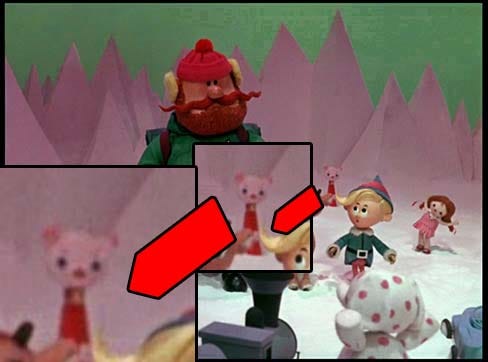
Credit: medium.com
Frequently Asked Questions
Why Is The Doll Considered A Misfit Toy?
The doll is considered a misfit toy due to her unexplained sadness. While other toys have clear defects, her emotional issue makes her unique. This lack of clarity about her misfit status adds a mysterious layer to her character, sparking curiosity among viewers.
What Is Wrong With The Doll In Rudolph?
Unlike other misfit toys with physical defects, the doll’s issue is emotional. She is portrayed with a sense of sadness, which is not explained in the story. Her character represents the complexities of emotional challenges, making her different from other misfit toys.
Why Doesn’t The Doll Fit In With Other Toys?
The doll doesn’t fit in because her misfit status isn’t physical, but emotional. Her unexplained sadness sets her apart from other toys with tangible defects. This emotional depth adds intrigue and complexity to her character, making her unique in the story.
How Does The Doll’s Story Impact Viewers?
The doll’s story impacts viewers by highlighting emotional struggles. Her unexplained sadness resonates with audiences, prompting reflection on mental health issues. This emotional depth adds a layer of relatability, making her story poignant and thought-provoking.
Conclusion
The Doll is often overlooked in Rudolph. But her story matters. She feels different and left out, like many of us sometimes. Her tears and loneliness reflect real emotions. Kids relate to her struggle for acceptance. Her presence on Misfit Island is not just about flaws.
It shows how everyone has a place. Even if they seem different. Rudolph’s tale teaches us about friendship and kindness. Including the Doll reminds us that everyone deserves to belong. The Misfit Toys symbolize hope. They inspire us to embrace uniqueness in ourselves and others.