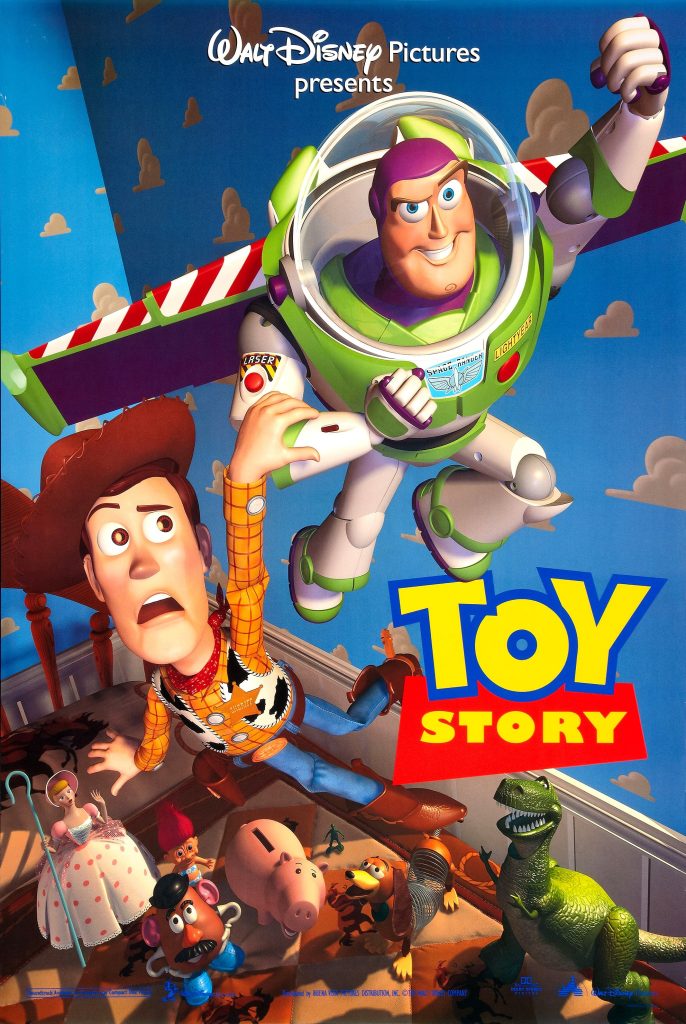
Have you ever wondered about the origins of 3D animated movies? You might think of “Toy Story,” a film that enchanted audiences with its groundbreaking visuals and heartfelt storytelling.
But was it truly the first of its kind? Imagine diving into the world of animated cinema and discovering the fascinating story behind the film that revolutionized an industry. Understanding the roots of 3D animation could change the way you appreciate these films.
Get ready to uncover the truth and see if “Toy Story” holds the title of being the pioneer in 3D animation. Let’s explore this captivating piece of cinematic history together!
The Birth Of 3d Animation
3D animation began a new era in filmmaking. It transformed storytelling. Early animators explored new techniques. They aimed to create lifelike characters. This journey was both challenging and exciting. Many talented artists contributed. Their work laid the foundation for future innovations.
Understanding 3d Animation Basics
3D animation uses computer graphics to create moving images. It involves creating a digital environment. Characters and objects move within this space. Animators control every movement. They adjust angles and lighting. These elements create realistic scenes. The process is complex yet rewarding.
Pioneers Of 3d Animation
Early pioneers played a crucial role. They experimented with technology. Their goal was to push boundaries. John Lasseter was a notable figure. He believed in the potential of 3D. His vision inspired many. Others followed his lead. Together, they shaped the industry.
The Role Of Technology In 3d Animation
Technology is vital in 3D animation. Advanced software drives the process. It allows animators to craft detailed scenes. Computer power has increased over time. This made complex animations possible. The industry continues to evolve. New tools emerge regularly.
Significant Milestones In 3d Animation History
Several milestones define 3D animation history. “Toy Story” is one such landmark. It was the first feature-length 3D animated film. Released in 1995, it changed perceptions. It showed the potential of 3D storytelling. This success paved the way for many films.
Toy Story’s Revolutionary Release
When Toy Story hit the screens in 1995, it wasn’t just another animated film. It marked a groundbreaking moment in cinema, being the first feature-length movie created entirely with 3D computer-generated imagery (CGI). This revolutionary release was the brainchild of Pixar Animation Studios, setting new standards in storytelling and animation technology.
Understanding The Technology Behind Toy Story
Creating Toy Story involved complex algorithms and cutting-edge software that had never been used in film before. The animators had to rethink traditional animation techniques and adapt to digital methods. This shift required immense creativity and technical expertise.
The Impact On Animation Industry
Toy Story’s success sparked a massive transformation in the animation industry. Studios worldwide began investing in CGI technology, recognizing the potential for creating immersive worlds and dynamic characters. This led to a new era of animated films, with CGI becoming a staple in production.
Why Toy Story Resonate With Audiences
Beyond its technological innovation, Toy Story struck a chord with audiences due to its relatable characters and heartfelt narrative. Woody and Buzz Lightyear became household names, embodying themes of friendship and adventure that captivated viewers of all ages.
Lessons From Toy Story’s Success
So, what can you learn from Toy Story’s groundbreaking release? Embrace change and innovation. The creators took a risk by venturing into uncharted territory, and it paid off in ways they could never have imagined. Are you ready to take a leap with your ideas?
Pioneering Technology Behind Toy Story
Toy Story, released in 1995, marked a milestone as the first full-length 3D animated movie. Its groundbreaking technology reshaped animation, captivating audiences with vibrant visuals and storytelling. The film’s success paved the way for future 3D animated projects, setting a new standard in the industry.
The groundbreaking release of Toy Story in 1995 marked a monumental moment in cinematic history. It wasn’t just a captivating story of toys coming to life; it was also a technological marvel. Toy Story was the first feature-length film entirely created with 3D animation, showcasing Pixar’s cutting-edge techniques and reshaping the future of animation.Advancements In Computer Graphics
The creation of Toy Story relied heavily on the significant advancements in computer graphics at the time. Before Toy Story, computer-generated imagery (CGI) had been used in films, but never to such a scale. The film’s success laid the groundwork for future 3D animation projects, proving that computers could create not only realistic but also emotionally engaging characters. Pixar utilized powerful computers to render each frame, a process that was both time-consuming and computationally intense. Did you know it took over 800,000 machine hours to render Toy Story? This commitment to quality set a new standard for what animated films could achieve.Pixar’s Innovative Techniques
Pixar didn’t just rely on existing technology; they pioneered new techniques to bring Toy Story to life. They developed software specifically for the movie, including the RenderMan software, which helped achieve the film’s unique visual style. The studio also innovated in character design and animation. By using motion blur and advanced shading, they gave characters a more lifelike appearance. Remember the scene where Woody pulls Buzz into the toy chest? The fluidity and realism of that moment were made possible by these groundbreaking techniques. Consider the challenge of animating the movement of Buzz Lightyear’s wings. Pixar’s team had to think creatively, ensuring the animation was believable yet retained a whimsical touch. This attention to detail, combined with their innovative methods, ensured Toy Story’s place as a pioneer in animation history. Have you ever thought about how these advancements have influenced the movies we watch today? Toy Story’s success wasn’t just about the story itself, but the incredible technology that brought it to life.
Credit: www.imdb.com
Predecessors Of 3d Animation
Before Toy Story, many films explored 3D animation. These early works laid the foundation. They experimented with technology and storytelling. Though not full-length films, they were crucial steps. Let’s explore these fascinating predecessors.
Early Attempts In 3d Animation
3D animation didn’t start with Toy Story. In the 1970s and 1980s, innovators tried creating 3D effects. They used basic software and hardware. These pioneers faced many challenges. Yet, their work paved the way for future successes.
One notable project was “Futureworld” (1976). It featured a short 3D animation scene. This was one of the first uses of computer graphics in film. Another early attempt was “Tron” (1982). It combined live-action with 3D elements.
Significant Short Films Before Toy Story
Several short films marked milestones in 3D animation. “The Adventures of André and Wally B.” (1984) was significant. Created by Lucasfilm’s Computer Graphics Project, it wowed audiences. Its smooth motion and expressive characters were groundbreaking.
“Luxo Jr.” (1986) was another important short. It was Pixar’s first film as an independent company. This film showcased realistic motion and emotion in animation. These shorts demonstrated the potential of 3D animation in storytelling.
Impact Of Toy Story On The Industry
Toy Story, released in 1995, marked a revolutionary moment in the world of animation. It was the first feature-length film to be entirely created using 3D animation techniques, setting a new standard for the industry. Its impact was profound, influencing not just how films were made but also how audiences perceived animated storytelling.
Influence On Future Animations
Toy Story’s success proved that 3D animation could captivate audiences in ways traditional animation hadn’t. This opened doors for creative storytelling possibilities that were previously unimaginable.
Following Toy Story, studios around the world began to experiment with 3D animation, leading to the creation of beloved films like Shrek and Finding Nemo. These films not only entertained but also pushed the boundaries of what animation could achieve.
Have you ever wondered what your favorite animated movie would look like if Toy Story hadn’t paved the way? It’s fascinating to think how different the animation landscape might be today.
Shifts In Animation Studios’ Approaches
With Toy Story’s groundbreaking success, animation studios had to rethink their strategies. They needed to adapt quickly to the evolving technology to stay relevant.
Studios started investing heavily in digital tools and talent that could bring 3D animations to life. Pixar, the studio behind Toy Story, became synonymous with innovation, inspiring others to follow suit.
As a result, the competition led to rapid advancements in animation techniques, improving the quality and depth of animated films. Have you noticed how animated films keep getting more visually stunning with each release?
Toy Story didn’t just change the industry; it transformed your movie-watching experience, setting a bar for visual storytelling that continues to rise. What do you think the next big leap in animation will be?
Common Misconceptions
The world of animation is vast and full of wonders. Many believe Toy Story was the first 3D animated film. This belief stems from its groundbreaking success. Yet, several misconceptions surround its historical context.
Debunking Myths About Firsts
Many think Toy Story introduced 3D animation. This is a common myth. In reality, 3D animation existed before Toy Story. Early attempts included short films and experiments. These set the stage for Toy Story’s success. Toy Story was the first feature-length 3D animated film. This distinction is crucial.
Another myth is that Toy Story was the sole pioneer. Several companies were exploring 3D animation. Pixar’s success put it in the spotlight. But it wasn’t the only player. The journey to 3D animation was collaborative.
Understanding Toy Story’s Unique Position
Toy Story holds a special place in animation. It wasn’t the first 3D animation ever. But it was the first to achieve full-length storytelling. This achievement set Toy Story apart. Its storytelling, combined with technology, made history.
The film’s success was not just about technology. The characters, plot, and emotions resonated globally. Pixar’s team crafted a relatable and engaging story. This blend of art and technology was key.
Toy Story’s release marked a turning point. It opened doors for future 3D films. Its legacy continues to inspire animators worldwide.
Legacy Of Toy Story
Toy Story set a milestone as the first full-length 3D animated movie. It captivated audiences with groundbreaking visuals and storytelling. This film marked a new era in animation, influencing countless movies that followed.
The release of Toy Story in 1995 marked a turning point. It was the first entirely 3D animated feature film. Produced by Pixar and released by Disney, this film introduced audiences to a new world. It was a world filled with digital animation and captivating storytelling.Cultural And Technological Impact
Toy Story changed animation forever. It showcased what computer graphics could achieve. Before Toy Story, animations were traditionally hand-drawn. Toy Story’s 3D animation brought a fresh perspective. It inspired a wave of new films using similar technology. The film’s success showed the potential of digital tools. Animators began to explore new techniques and ideas. Toy Story’s impact extended beyond the screen. It influenced various industries, including video games and advertising. The film also set a new standard for storytelling. It combined humor and emotion in a way that appealed to both kids and adults. This blend became a hallmark of future animated films.Enduring Popularity And Sequels
Toy Story’s characters became household names. Woody, Buzz, and their friends captured hearts worldwide. Their adventures resonated with viewers of all ages. The film’s popularity led to successful sequels. Each sequel continued the legacy, adding depth to the story. Toy Story 2, 3, and 4 expanded the universe and introduced new characters. They maintained the charm and quality of the original. These sequels kept audiences engaged over decades. Fans grew with the characters, creating a lasting connection. The franchise’s success also sparked merchandise sales. Toys, clothing, and games featuring Toy Story characters became popular. The series remains beloved, proving its timeless appeal. Its success paved the way for other animated franchises. Toy Story’s legacy endures, inspiring new generations of filmmakers and fans.
Credit: animation-pedia.fandom.com

Credit: www.miamiherald.com
Frequently Asked Questions
Was Toy Story The First Full-length 3d Animated Film?
Yes, Toy Story was the first full-length 3D animated movie. Released in 1995, it was produced by Pixar Animation Studios. The film revolutionized the animation industry with its groundbreaking use of computer-generated imagery. Directed by John Lasseter, it set new standards for storytelling and animation.
How Did Toy Story Impact Animation?
Toy Story had a significant impact on animation. It introduced the world to the possibilities of 3D animation. The success of the film paved the way for more computer-animated films. It also established Pixar as a leader in the animation industry, influencing countless studios.
Who Produced Toy Story?
Toy Story was produced by Pixar Animation Studios. The studio collaborated with Walt Disney Pictures for its release. Pixar, founded by Steve Jobs, Ed Catmull, and John Lasseter, became renowned for its innovative animation techniques. Toy Story was their first feature film and marked the start of a successful franchise.
What Was Unique About Toy Story’s Animation?
Toy Story’s animation was unique because it was entirely computer-generated. Unlike traditional hand-drawn animation, it used 3D modeling and rendering techniques. This allowed for more detailed and lifelike characters and environments. The film’s realistic textures and lighting set new benchmarks for animated movies.
Conclusion
Toy Story wasn’t the first 3D animated film. It was the first feature-length 3D animation by Pixar. Before it, shorts used 3D technology. Toy Story did set a standard. It showcased what 3D animation could achieve. Audiences loved its engaging story and characters.
This film marked a new era in animation. Many studios followed Pixar’s path. Today, 3D animation is everywhere. From movies to video games. Toy Story’s success inspired innovation. It remains a beloved classic. Its impact is undeniable. The world of animation changed forever.
But it wasn’t the start. Just a pivotal moment in history.