How to Clean Baby Toys Safely: Expert Tips
Keeping your baby’s toys clean is essential for their health and safety. You want to ensure that every toy your baby touches is free from germs and grime.
But with so many different types of toys made from various materials, how do you know you’re cleaning them correctly? You might worry about using harsh chemicals that could harm your little one. Don’t stress! This guide will show you safe and effective ways to clean your baby’s toys.
With these simple tips, you can have peace of mind knowing that your child’s playtime is as safe as it is fun. Ready to discover how easy it can be to keep those toys sparkling clean? Let’s dive in!

Credit: www.parents.com
Types Of Baby Toys
Cleaning baby toys safely is essential to maintain a healthy environment for your child. Different types of toys require specific cleaning methods to ensure they remain germ-free and safe. Understanding these differences can make the cleaning process more effective and less time-consuming.
Plastic And Rubber Toys
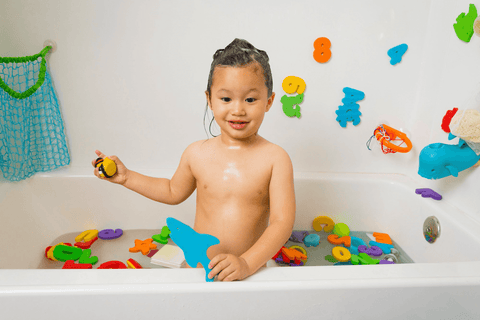
Plastic and rubber toys are often the easiest to clean. Most can be safely washed with warm water and mild soap. You can use a soft brush to scrub away any stubborn dirt or grime. If you’re dealing with bath toys, ensure they are dried thoroughly to prevent mold growth inside.
Soft And Plush Toys
Soft and plush toys can harbor dust mites and allergens, so regular cleaning is important. Most plush toys are machine washable. Check the label for specific washing instructions. Use a gentle cycle and a mild detergent to keep them fresh and fluffy. Air drying is recommended to maintain their shape and softness.
Wooden Toys
Wooden toys require a delicate touch to maintain their natural finish. A damp cloth with a mild soap solution is usually sufficient. Avoid soaking wooden toys in water as it can damage them. Make sure they are completely dry before storage to prevent warping or cracking.
Electronic Toys
Electronic toys need careful handling to avoid damage. Remove any batteries before cleaning. Use a damp cloth to wipe the surface, being careful not to let any moisture enter the electronic parts. For stubborn stains, a small amount of rubbing alcohol on a cotton swab can be effective.
Have you ever found a forgotten toy under the couch, wondering how long it’s been there? Regular cleaning not only keeps your baby’s toys safe but also ensures you keep track of their favorites. What’s your go-to method for cleaning toys?
Materials And Safety Considerations
Cleaning baby toys requires safe materials and methods. Use mild soap and warm water to wash toys. Ensure thorough drying to prevent mold growth.
Ensuring your baby’s toys are clean is essential for their health. The materials and safety of cleaning agents play a crucial role. Using the right materials ensures your child remains safe from harmful substances. Cleaning baby toys requires attention to detail. Understanding the materials and safety considerations is key.Non-toxic Cleaning Agents
Choose non-toxic cleaning agents for baby toys. Natural options like vinegar and baking soda work well. They are safe and effective. Mix vinegar with water for a simple cleaning solution. Baking soda can help scrub stubborn spots. These agents are gentle on toys and safe for babies.Avoiding Harsh Chemicals
Avoid harsh chemicals when cleaning baby toys. Many commercial cleaners contain harmful substances. These can irritate your baby’s skin or cause other issues. Instead, opt for mild soaps and natural solutions. Check labels for any chemical warnings. Always prioritize the safety of your baby.Checking For Allergies
Check for any allergies your baby might have. Some cleaning agents can cause allergic reactions. Test a small area of the toy first. Observe your baby’s response to the cleaned toy. This ensures the cleaning agent is safe for use. Regular checks help in maintaining your baby’s safety.Cleaning Methods For Different Toys
Cleaning baby toys safely is a priority for parents. Different toys require unique cleaning methods. This ensures they remain safe and germ-free for your child. Let’s explore some effective ways to clean various types of toys.
Washing Machine For Plush Toys
Plush toys can harbor dust and germs. Place them in a pillowcase or mesh bag. Use a gentle cycle with mild detergent. Avoid high heat to prevent damage. Air-dry or use a low heat setting if necessary.
Dishwasher For Hard Toys
Hard toys like plastic or silicone are often dishwasher safe. Place them on the top rack. Use a regular dishwasher cycle with no heat dry. This method effectively kills germs and removes dirt. Ensure toys are completely dry before giving them back.
Handwashing Delicate Toys
Some toys require more care. Use warm water and mild soap for delicate toys. A soft cloth or brush can help with stubborn spots. Rinse thoroughly to remove all soap. Air-dry them well to prevent mold growth.
Credit: keababies.com
Daily Cleaning Routines
Ensure baby toys stay germ-free by cleaning them regularly. Use mild soap and warm water to wipe surfaces. Avoid harsh chemicals to keep toys safe for your little one.
Daily cleaning routines for baby toys ensure safety and hygiene. These routines keep germs at bay and protect your little one. Regular cleaning is essential to maintain a healthy play environment.Wiping Down After Use
After playtime, wipe toys with a damp cloth. This removes dirt and saliva. Use mild soap if needed. Avoid harsh chemicals. They can harm your child. Clean all surfaces thoroughly. Pay attention to crevices. Dirt often hides there.Sanitizing High-contact Toys
Some toys need extra care. High-contact toys require regular sanitizing. Use a baby-safe disinfectant. Alcohol-free wipes are a good choice. Let the toys air dry after sanitizing. This ensures the solution works effectively. Focus on toys your child chews or licks. These harbor more germs.Drying Properly
Dry toys completely after cleaning. Moisture can lead to mold. Use a clean towel or air dry. Ensure no water remains. Check for hidden moisture in joints and seams. Proper drying extends toy life. It also keeps your child safe from mold exposure.Deep Cleaning Techniques
Safely clean baby toys by using mild soap and warm water. Rinse thoroughly to remove all soap residues. Consider natural disinfectants like vinegar for deeper cleaning.
Deep cleaning baby toys is essential for keeping your little one’s environment safe. Regular cleaning might not remove all germs and bacteria. Deep cleaning ensures toys are thoroughly sanitized. Discover effective techniques that make cleaning simple and safe. These methods help maintain a clean play area without harsh chemicals.Soaking In Baking Soda Solution
Baking soda is a natural cleaner. It effectively removes dirt and odors. Mix warm water with baking soda to create a cleaning solution. Soak toys for 30 minutes to dissolve grime. Rinse well to remove all residue. This method is gentle on delicate materials.Using Steam Cleaners
Steam cleaners offer a chemical-free way to sanitize toys. The high temperature kills bacteria and viruses. It’s ideal for plastic and heat-resistant materials. Ensure the toys are safe for steam cleaning. This process is quick and efficient. It leaves toys fresh and germ-free.Uv Light Sanitizing
UV light sanitizing is a modern technique. It uses ultraviolet rays to kill germs. Place toys in a UV sanitizer box for effective cleaning. This method is safe and non-invasive. It’s perfect for toys that can’t be soaked or steamed. Ensure the toys are exposed for the recommended time. These deep cleaning techniques ensure your baby’s toys remain hygienic. They provide peace of mind for parents. Regular use keeps playtime safe and enjoyable.Storing Cleaned Toys
Storing cleaned toys properly ensures they stay safe and ready for play. Use a dry, clean storage bin to keep them dust-free. This prevents contamination and maintains their cleanliness.
Storing cleaned baby toys properly ensures they stay fresh and ready for play. After cleaning, it’s crucial to store them in a way that maintains their cleanliness. Proper storage can prevent dust and dirt from settling, keep toys organized, and ensure they remain safe for your child.Avoiding Dust And Dirt
Dust and dirt can quickly accumulate on toys left out in the open. Keep them in a clean, dry area to maintain hygiene. Regularly dust and vacuum the storage space to reduce dirt build-up. Consider placing toys in a closed cabinet or shelf to shield them from airborne particles.Organizing By Type
Grouping toys by type makes it easy to find specific items. Use labeled boxes or baskets to categorize toys, such as stuffed animals, blocks, or puzzle sets. This method helps keep similar toys together, reducing clutter and making it easier to locate toys when needed.Using Airtight Containers
Airtight containers are excellent for keeping toys clean and free from moisture. Sealable plastic bins or bags can protect toys from dust, dirt, and humidity. Ensure containers are dry before storing toys to prevent mold growth. Choose transparent containers for easy visibility and access.Frequency Of Cleaning
Regular cleaning of baby toys is essential to prevent germs. Wash toys weekly using mild soap and warm water. Ensure thorough drying to avoid mold formation.
The frequency of cleaning baby toys is crucial for maintaining a safe environment. Regular cleaning helps remove germs and dirt, ensuring toys remain hygienic. Babies often put toys in their mouths, increasing the risk of germ transfer. Understanding how often to clean these toys is vital for every parent.Factors Affecting Cleaning Schedules
Several factors determine how often you should clean baby toys. First, consider the age of your baby. Younger babies might need toys cleaned more often. Next, think about the type of toy. Plush toys may require less frequent cleaning than plastic ones. Also, consider where the toys are used. Outdoor toys usually need more frequent cleaning. Finally, if your baby is sick, toys should be cleaned more often.Signs It’s Time To Clean
Watch for visible signs that toys need cleaning. Dirt or grime on toys is an obvious sign. If a toy has a sticky surface, it’s time to clean it. Unpleasant odors are another clue. Toys that fall on the floor or are shared with other children may need immediate cleaning. If your child has been ill, clean their toys to prevent spreading germs.Seasonal Deep Clean
Schedule a deep clean for baby toys each season. Seasonal cleaning helps remove deep-seated dirt and germs. Use this time to inspect toys for wear and tear. Broken toys can pose a safety risk and should be fixed or discarded. During the deep clean, use a safe disinfectant suitable for children’s items. Rinse thoroughly to ensure no residue remains.
Credit: purezest.ca
Expert Tips And Advice
Cleaning baby toys safely involves using mild soap and warm water. Avoid harsh chemicals to keep toys baby-friendly. Regular cleaning prevents germ build-up and ensures a healthier play environment.
Cleaning baby toys safely requires expert tips and advice. Parents often worry about germs and bacteria on toys. With proper guidance, they can ensure safe play for their little ones. Below are some expert tips to help you clean baby toys effectively.Consulting Pediatricians
Pediatricians can offer valuable insights. They understand health risks associated with dirty toys. Ask them about safe cleaning practices. They may recommend specific cleaning agents. Pediatricians prioritize your child’s health. Their advice is based on medical knowledge. Regular consultations help in maintaining healthy play environments.Following Manufacturer Guidelines
Manufacturers provide cleaning instructions. These guidelines ensure toy safety. Always read labels before cleaning. Some toys require gentle cleaning methods. Others might need specific solutions. Following these guidelines prevents damage. It ensures toys remain safe for babies. Guidelines protect toy longevity and effectiveness.Common Mistakes To Avoid
Avoid using harsh chemicals. They can damage toys and harm children. Don’t soak electronic toys in water. It can ruin their functionality. Never ignore cleaning instructions. This could lead to unsafe toys. Avoid rushing the cleaning process. Proper cleaning takes time. Rushing can leave toys inadequately cleaned.Frequently Asked Questions
How Often Should I Clean Baby Toys?
It’s best to clean baby toys weekly to prevent germ buildup. However, if a toy falls on the floor or is shared, clean it immediately. Regular cleaning ensures your baby’s safety and keeps toys in good condition.
Can I Use Bleach On Baby Toys?
Using bleach on baby toys is not recommended due to potential chemical residue. Instead, opt for mild soap and water or vinegar solutions. These are safer alternatives that effectively remove bacteria without harmful effects.
What Is The Safest Way To Clean Plush Toys?
Wash plush toys in a gentle cycle with mild detergent. Air dry them to prevent damage. For spot cleaning, use a damp cloth with mild soap. This method keeps plush toys clean and soft for your baby.
Are Dishwasher-safe Toys Safe For Babies?
Yes, dishwasher-safe toys can be cleaned easily and thoroughly. Use the top rack to avoid damage. Ensure the toys are heat-resistant and made of durable materials. This method saves time and ensures toys are sanitized.
Conclusion
Keeping baby toys clean is important for your child’s health. Regular cleaning prevents germs and dirt from accumulating. Choose safe, non-toxic cleaning products. Avoid harsh chemicals. Use warm water and mild soap for most toys. Disinfect with a vinegar solution or alcohol wipes.
Always dry toys thoroughly after cleaning. Check for damage before giving toys back to your baby. Clean plush toys in the washing machine if possible. Remember, safety first. By following these tips, you protect your baby and their toys. Keep these cleaning practices in mind.
Your little one deserves a safe play environment.