Are you tired of buying expensive cat toys only for your feline friend to lose interest in them after a few days? Imagine the satisfaction of watching your cat play with a toy that you made yourself.
Not only will this save you money, but it will also allow you to customize toys to perfectly suit your cat’s personality and preferences. In this guide, you’ll discover simple and creative ways to make cat toys using everyday materials you already have at home.
Get ready to unlock your creativity, bond with your cat, and keep them entertained for hours. Dive in to find out how you can transform your home into a playground of fun for your furry friend!
Credit: www.youtube.com
Choosing Safe Materials
Choose natural fibers like cotton or wool for cat toys. Avoid toxic paints or glues that can harm pets. Opt for durable materials to withstand playful paws and bites.
Choosing the right materials is crucial for making cat toys. Safety is the top priority. Cats love to chew and scratch. So, the materials you choose should be non-toxic and durable. They should not pose a choking hazard. Also, they should be free from small parts that can be swallowed. Let’s explore some safe material options.Natural Fabrics
Natural fabrics like cotton and wool are safe for cats. They are soft and durable. Cats love the texture. These materials are less likely to cause allergic reactions. Cotton and wool are easy to clean and maintain. Use them for making plush toys or strings.Recycled Materials
Old T-shirts or socks can be recycled into toys. This is a sustainable choice. Ensure they are clean and free from chemicals. Cut them into strips for dangling toys. Or stuff them to create soft toys. Recycling keeps costs low and reduces waste.Feathers And Paper
Feathers can be enticing for cats. Ensure they are clean and free from dyes. Feathers mimic the movement of prey. Paper is another safe option. Crumple it into balls for fun play. Avoid papers with ink or coatings. They can be harmful if ingested.Safe Adhesives
Choose non-toxic adhesives for assembling toys. Some glues can be harmful to pets. Look for pet-safe labels. Avoid using glues with strong odors. They can irritate a cat’s sensitive nose. Always let adhesives dry completely before use.Wood And Cardboard
Wood and cardboard are great for scratching toys. They are natural and safe. Make sure the wood is smooth and splinter-free. Cardboard is easily shaped and replaced. It can be used for scratching posts or tunnels. These materials satisfy a cat’s need to scratch.Crafting Simple Toys
Create engaging cat toys using simple materials like string, fabric scraps, and cardboard. Transform boxes into playful tunnels, or craft dangling toys with feathers and bells for interactive fun.
Crafting simple toys for your cat can be a fun activity. It saves money and provides your pet with hours of entertainment. Using everyday household items, you can create engaging toys that cats will love. Let’s explore some easy-to-make cat toys.Sock And Yarn Ball
Turn an old sock into a delightful toy. Fill it with crumpled paper or a little catnip. Tie the open end tightly with yarn. Add a yarn ball for extra fun. Cats enjoy the texture and sound. This toy mimics prey, attracting their natural instincts.Feather Wand
Create a feather wand using a stick and feathers. Attach feathers to one end of the stick with string. Secure them tightly to prevent falling off. Wave the wand around to engage your cat. They will love chasing and pouncing. It’s a playful way to bond with your pet.Interactive Play Ideas
Keeping your cat entertained is essential for their well-being. Interactive play ideas can offer both mental and physical stimulation. These activities not only enrich your cat’s life but also strengthen your bond. Here are some creative ways to engage your furry friend.
Laser Pointer Games
Laser pointers are a classic favorite among cats. The unpredictable movement mimics the chase of prey. To play, ensure you have a safe space free of obstacles. Move the laser in different patterns across the floor or walls. Keep the sessions short to maintain your cat’s interest. Always end with a tangible reward like a toy or treat. This way, your cat feels accomplished in their hunt.
Diy Puzzle Feeders
Puzzle feeders challenge your cat’s problem-solving skills. You can make one using a simple cardboard box. Cut out small holes in the box’s sides. Fill the box with dry food or treats. Encourage your cat to paw the treats through the holes. This activity promotes mental stimulation and slows down eating. For a more complex puzzle, use a muffin tin. Place treats in each cup and cover them with a ball. Your cat will have fun figuring out how to retrieve their reward.
Upcycling Household Items
Transform old socks into playful cat toys. Fill them with fabric scraps and tie the ends securely. Cats love chasing these homemade creations.
Upcycling Household Items Upcycling household items into cat toys is not only budget-friendly but also environmentally conscious. With a little creativity, everyday items can transform into exciting playthings for your feline friend. Imagine turning trash into treasure, while keeping your cat entertained for hours.Cardboard Box Adventures
Cats and boxes are a match made in heaven. A simple cardboard box can provide endless entertainment for your cat. Cut out holes in the sides and top to create a mini playhouse or tunnel. Add a few dangling strings or feathers inside for an extra element of surprise. Your cat will love jumping in and out, exploring their new cardboard kingdom. It’s amazing how something so simple can offer so much joy.Toilet Roll Fun
Toilet rolls are another fantastic item to upcycle into cat toys. Stuff them with treats or catnip and fold the ends to create a challenge for your kitty. They will love batting and rolling it around to get to the goodies inside. You can also stack several rolls together and glue them in place to create a treat puzzle. Hide treats within the rolls and watch your cat paw their way to a tasty reward. Have you ever seen such joy from something so basic? With these ideas, you’re not just making toys—you’re crafting experiences for your cat. Upcycling is a fun and sustainable way to engage your pet and reduce waste at the same time. Why not give it a try? Your cat will thank you with endless purrs!Incorporating Catnip
Crafting cat toys with catnip can be simple and fun. Add dried catnip to fabric pouches or socks. Sew them securely to create engaging toys that keep cats entertained.
Catnip is a true delight for our feline friends, known for its irresistible allure and ability to turn any ordinary toy into a source of endless amusement. Adding catnip to homemade toys is not only simple but also a fantastic way to engage your cat in playful activities. Whether you’re crafting toys from scratch or looking to enhance existing ones, incorporating catnip can elevate your cat’s playtime experience.Catnip Mice
Creating catnip mice can be a fun project that combines creativity and a touch of whimsy. Start with small fabric pieces, ideally in a mouse shape. You can use old socks or felt cutouts for this purpose. Sew or glue the edges, leaving a small opening for stuffing. Fill the mouse with a mix of catnip and soft cotton or polyester stuffing. Be generous with the catnip to ensure your cat stays interested. Once filled, sew the opening shut securely. Add details like eyes and a tail using thread or fabric scraps. The final touch is giving the toy a playful squeeze to release the enticing scent of catnip. Watch as your cat pounces and carries their new favorite toy around the house!Catnip Sachets
Catnip sachets are a versatile option for cat owners looking to refresh their pet’s toy collection. Begin by cutting fabric into small squares or rectangles. Choose breathable materials like cotton to allow the catnip aroma to permeate easily. Place a handful of catnip in the center of the fabric square. Fold the edges inward to create a neat pouch. Sew along the edges to secure the sachet, ensuring the catnip stays enclosed. You can also attach a string or ribbon to the sachet, making it easier for your cat to bat it around or for you to dangle it during interactive play. These sachets can be placed inside other toys or used on their own, providing a stimulating experience for your cat. Have you ever noticed how your cat reacts to catnip toys? Experimenting with different shapes and sizes can offer insights into your cat’s preferences.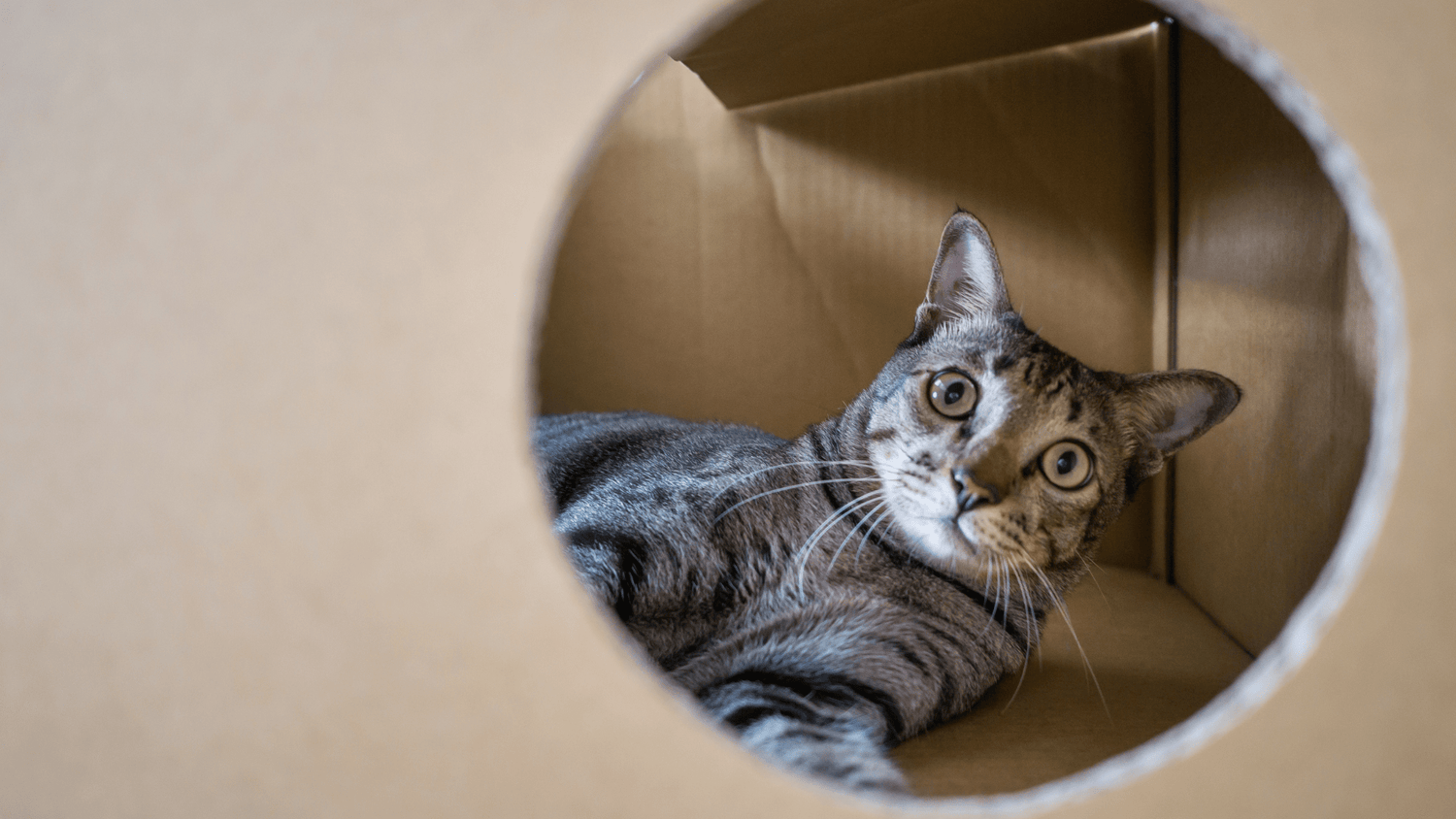
Credit: thekindpet.com
Safety Tips
Crafting cat toys at home can be fun and safe. Use non-toxic materials to ensure your cat’s safety. Avoid small parts that could be swallowed.
Creating toys for your feline friend can be a delightful and rewarding experience, but ensuring their safety is paramount. As you embark on crafting these playful creations, it’s essential to prioritize safety measures to protect your curious cat from potential harm. Here are some safety tips to keep in mind as you bring your DIY cat toys to life.Avoiding Choking Hazards
Cats are naturally inquisitive creatures, often using their mouths to explore new objects. This curiosity can lead to potential choking hazards if toys are not made with care. – Choose Materials Wisely: Opt for larger components that cannot easily be swallowed. Avoid using small beads or buttons that could come loose. – Securely Fasten: Ensure all parts of the toy are securely attached. Double-check knots and glue to prevent any pieces from detaching during play. – Regular Inspections: Inspect toys regularly for signs of wear and tear. Immediate repairs can prevent accidents.Supervised Playtime
While it’s tempting to let your cat frolic freely with their new toy, supervision can be a critical factor in ensuring safety. – Observe Behavior: Watch how your cat interacts with the toy. Are they chewing excessively? Are they attempting to swallow parts? – Immediate Intervention: Be ready to intervene if your cat seems to be putting themselves at risk. Removing the toy can prevent a mishap. – Bonding Opportunity: Use playtime as a chance to bond with your cat. You can guide their play and ensure they’re staying safe. Are you considering other safety measures for your homemade cat toys? How might your cat’s unique personality influence the types of toys you make? By focusing on safety, you ensure that playtime remains a fun and joyous occasion for both you and your cat.Encouraging Active Play
Creating cat toys at home encourages active play and keeps felines entertained. Use simple materials like string and cardboard to craft engaging toys. Try making a feather wand or a crinkly ball for endless fun and exercise.
Encouraging active play is essential for keeping your cat healthy and happy. Active play helps reduce stress and prevent obesity, while also providing mental stimulation. To achieve this, you can create various types of toys and play routines that keep your feline friend engaged.Rotating Toys
Cats can quickly lose interest in toys that they see every day. By rotating toys, you keep the novelty factor alive, which maintains their curiosity and excitement. Consider having a small collection of toys and only putting out a few at a time. Swap them out every few days to keep things fresh. You might notice that a toy they ignored last week suddenly becomes their favorite.Setting Play Schedules
Consistency is key to promoting active play. Set specific times of the day for play sessions, aligning them with your cat’s natural energy peaks. This usually means early morning or late evening, when cats are most active. Use this time to engage in interactive play that mimics hunting, such as using a fishing pole toy or laser pointer. Regular play schedules not only provide physical exercise but also strengthen your bond with your cat.
Credit: www.youtube.com
Frequently Asked Questions
What Materials Are Best For Homemade Cat Toys?
The best materials for homemade cat toys include felt, feathers, and yarn. These materials are safe and provide texture. You can also use cardboard, paper, and fabric scraps. Ensure all materials are non-toxic and free from small parts that can be swallowed.
How Do You Make A Simple Cat Toy?
To make a simple cat toy, use a string and a feather. Attach the feather to one end of the string. You can also add bells for sound. Ensure the toy is durable and safe for play. This can provide hours of fun for your cat.
Can Recycled Materials Be Used For Cat Toys?
Yes, recycled materials can be used for cat toys. Items like old socks, cardboard boxes, and bottle caps can be repurposed. Ensure they are clean and safe. Using recycled materials is eco-friendly and cost-effective, providing enjoyment for your cat.
How Do You Make Catnip Toys At Home?
To make catnip toys, fill a fabric pouch with dried catnip. Sew or tie the pouch securely. You can add stuffing for extra texture. Catnip toys can stimulate your cat and provide entertainment. Always monitor your cat’s reaction to catnip.
Conclusion
Creating cat toys at home is both fun and rewarding. You can use simple materials like yarn, feathers, and cardboard. Cats love to chase and pounce, so keep their instincts in mind. Crafting these toys strengthens your bond with your pet.
Plus, homemade toys save money and offer a personal touch. Explore different designs and see what your cat enjoys most. Your creativity can lead to endless entertainment for your feline friend. Enjoy the process and watch your cat’s excitement grow with each new toy you create!