Are you wondering how to sell toys effectively and boost your sales? You’re not alone.
Many toy sellers face the challenge of standing out in a crowded market. But fear not—understanding how to captivate your audience can make all the difference. Imagine the joy on a child’s face when they unwrap the perfect toy. You have the power to create that moment, and with the right strategies, you can turn this potential into profit.
This guide will show you proven techniques to engage your customers’ emotions and drive them to choose your products. Ready to unlock the secrets to successful toy selling? Let’s dive in and transform your approach.
Market Research
Understanding the toy market is crucial if you want to successfully sell toys. Market research helps you make informed decisions, guiding your product development and marketing strategies. By focusing on the right audience and keeping an eye on market trends, you can significantly boost your sales and establish a strong presence in the toy industry.
Identify Target Audience
Start by defining who you want to sell your toys to. Are you targeting toddlers, school-aged children, or teenagers? Each group has different preferences and needs. You can gain insights by observing kids in your family or neighborhood. What toys do they gravitate towards? This firsthand information is invaluable and can be more revealing than generic reports. Consider parents as well, since they are often the decision-makers. Understanding their concerns and desires can help you tailor your marketing approach.
Analyze Competitors
Knowing who your competitors are can give you a competitive edge. Visit toy stores and browse online platforms to see what’s popular. Take note of successful brands and their unique selling points. What are they doing right? This could be price, quality, or even eco-friendliness. By understanding their strategies, you can find gaps in the market that your product can fill. Remember, competition is not just about rivalry; it can also be about learning and growth.
Trend Identification
Trends can make or break a product. Keep an eye on what’s hot in the toy industry. Social media platforms like Instagram and TikTok can be treasure troves of trending information. Are there new technologies or themes that kids are talking about? Incorporating these trends into your product line can make your toys more appealing. But remember, not every trend will align with your brand, so choose wisely.
Market research is not just a one-time task. It’s an ongoing process that keeps you connected to your audience and ahead of your competitors. Are you ready to dive deep and discover what truly makes your toys irresistible?
Product Selection
Choosing the right toys to sell is crucial for success. Product selection impacts customer interest and sales. You must consider trends, quality, and uniqueness.
Choosing Bestsellers
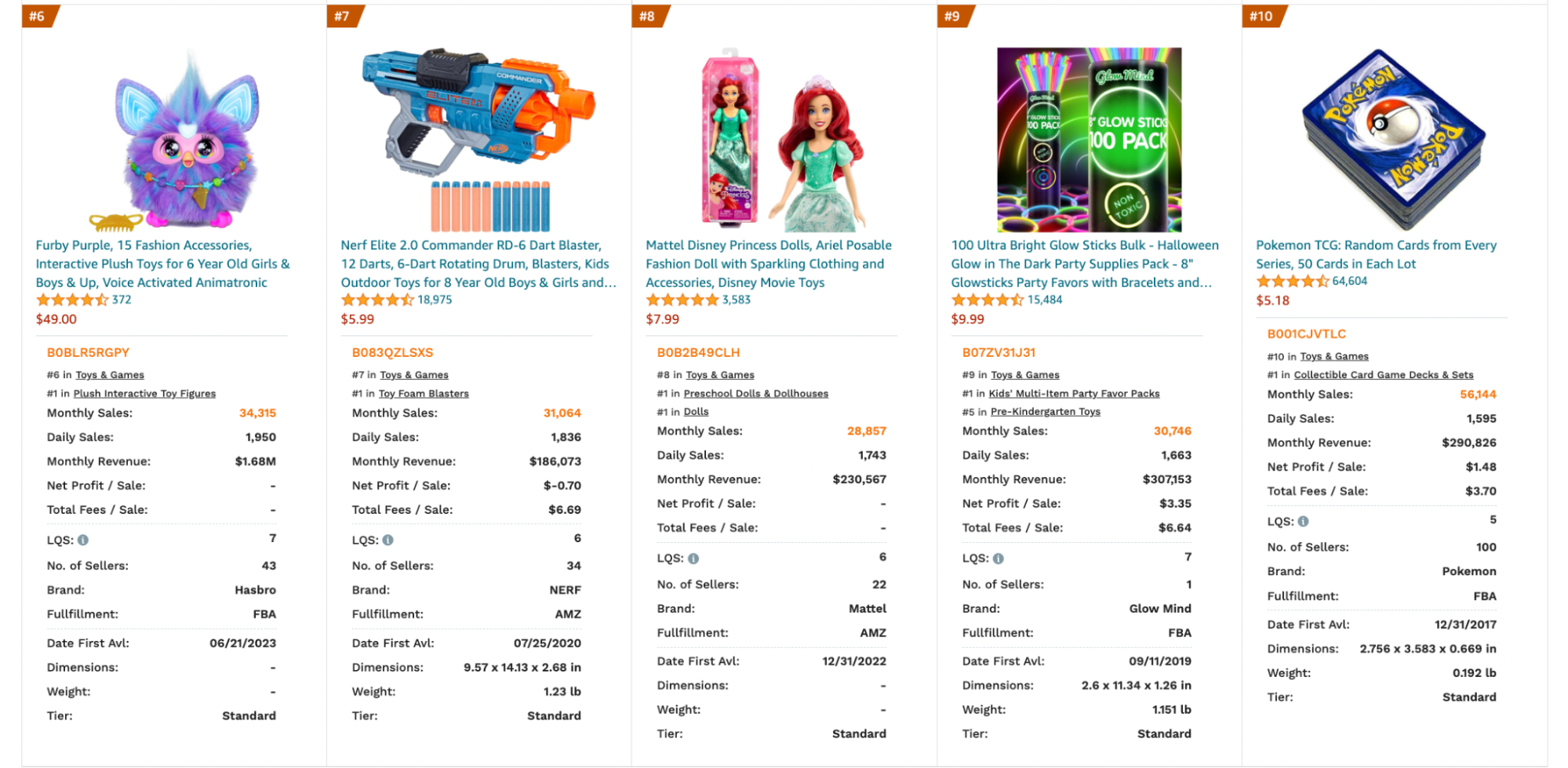
Identify popular toys that have high demand. Use tools to research trending products. Check online reviews and ratings to understand customer preferences. Analyze sales data to spot patterns and popular categories. Consider seasonal trends and holiday demands for toys.
Assessing Quality And Safety
Ensure toys meet safety standards and regulations. Choose products made from durable materials. Verify age-appropriateness and hazard-free designs. Check for certifications like ASTM and EN71 compliance. Inspect toys for non-toxic paints and materials.
Unique Selling Propositions
Find toys with unique features or designs. Look for educational or interactive elements. Highlight eco-friendly or handmade options. Emphasize toys with personalization or customization features. Showcase toys from niche markets or indie creators.
Pricing Strategy
Adopt competitive pricing to attract more buyers in the toy market. Consider seasonal discounts to boost sales during holidays. Evaluate market trends to adjust prices and meet customer demands effectively.
Pricing Strategy is a crucial aspect of selling toys effectively. It’s more than just setting a price tag; it’s about understanding market dynamics, your costs, and what will appeal to your customers. A well-thought-out pricing strategy can make the difference between a toy that flies off the shelves and one that gathers dust.Cost Analysis
Before deciding on prices, you need to understand your costs. This includes production, shipping, and any overhead expenses. By breaking down each cost element, you can determine the minimum price needed to cover your expenses and generate a profit. Think about hidden costs like packaging or marketing. Having a clear picture helps you avoid the trap of underpricing your products and ensures your business remains sustainable.Competitive Pricing
Look at what your competitors are charging for similar toys. Are they pricing lower, higher, or about the same as what you’re considering? Competitive pricing isn’t about matching others cent for cent. It’s about positioning your products in a way that highlights their value while considering what the market can bear. Sometimes, a slightly higher price can work in your favor if your toys offer unique features or higher quality.Discounts And Offers
Discounts can be a powerful tool to boost sales, but they must be used wisely. Offering occasional discounts or bundles can attract more buyers without devaluing your products. Think about seasonal offers or special promotions during holidays. These can entice customers to buy more toys and can create a sense of urgency. Remember, discounts should feel like a genuine opportunity for your customers rather than a desperate attempt to sell. Are your discounts driving more sales or just eroding your profits?Effective Branding
Effective branding is the cornerstone of selling toys in today’s competitive market. It’s not just about creating a logo or catchy slogan; it’s about crafting a narrative that resonates with your audience and builds trust. Branding goes beyond visuals, embedding itself into every interaction customers have with your toys. So, how can you create a brand that stands out and captures the hearts and imaginations of children and parents alike?
Brand Identity Development
Developing a strong brand identity involves defining what your toys stand for and what makes them unique. Consider what emotions you want your toys to evoke. Are they adventurous, educational, or comforting? Align these emotions with your brand’s mission and values.
Think about the colors, shapes, and fonts that best represent your toys. These elements should be consistent across all platforms to create a unified look. For example, if your toys are designed to spark creativity, vibrant colors and playful fonts can reinforce this concept.
Packaging Design
Packaging is often the first touchpoint between your toys and potential customers. It serves as a silent ambassador for your brand. Ensure your packaging is not only visually appealing but also functional and informative.
Consider using eco-friendly materials that appeal to environmentally conscious parents. Clear labeling and engaging graphics can make the unboxing experience delightful. Remember, the goal is to make the packaging memorable and reflective of your brand’s identity.
Storytelling Techniques
Every brand has a story to tell. How can your toys narrate theirs? Use storytelling techniques to create an emotional connection with your audience. Share the inspiration behind your toy’s creation or the adventures they can unlock.
Use social media, videos, and blogs to bring these stories to life. Engage your audience by asking them to share their own experiences with your toys. This not only fosters community but also reinforces your brand’s message and values.
Effective branding is an ongoing process, constantly evolving with trends and customer needs. What steps will you take to ensure your toy brand remains unforgettable?
Sales Channels
Exploring various sales channels can boost toy sales effectively. Consider online marketplaces, local stores, and social media platforms. Each channel offers unique opportunities to reach diverse customers.
Sales channels play a crucial role in selling toys. They determine how products reach customers. Choosing the right channels can boost sales and visibility. Explore different avenues to maximize your reach and profits.Online Platforms
Online platforms are vital for toy sales today. They offer a vast audience and convenience. Consider marketplaces like Amazon and eBay. They provide a ready-made customer base. Set up your online store for more control. Platforms like Shopify and WooCommerce can help. Use social media to showcase toys creatively. Engage with customers through posts and ads. A strong online presence can drive sales significantly.Physical Retail Stores
Physical stores offer a tangible shopping experience. Customers can see and feel toys before buying. Partner with local toy shops and big retailers. Place toys in high-traffic areas of the store. Eye-catching displays attract attention. Staff can provide personal recommendations. Host in-store events to draw families in. Physical stores build brand trust and loyalty.Wholesale Opportunities
Wholesale offers bulk sales to other businesses. It’s a way to reach more customers indirectly. Partner with toy distributors and large chains. Offer competitive pricing and reliable service. Attend trade shows to network with potential buyers. Build relationships with retailers for repeat business. Wholesaling can increase volume and reduce marketing costs. It’s a smart strategy for scaling your toy business.
Credit: toycycle.co
Digital Marketing
Digital marketing plays a crucial role in selling toys today. It offers diverse channels to reach potential customers. Each platform has unique advantages that can boost toy sales effectively. Let’s explore some vital digital marketing strategies.
Social Media Campaigns
Social media platforms like Facebook and Instagram attract millions daily. Creating engaging posts can capture the attention of toy buyers. Use vibrant images and videos to showcase toys. Run contests to encourage user participation. Promote special offers to drive sales. Regularly update your profile to keep followers engaged.
Email Marketing
Email marketing remains a powerful tool for toy sellers. Build an email list with customer sign-ups. Send newsletters featuring new toy arrivals. Include exclusive discounts to entice purchases. Personalize emails to make customers feel special. Track open rates to refine your strategy.
Influencer Collaborations
Influencers can greatly impact toy sales. Partner with influencers who align with your brand. They can introduce toys to their followers. Choose influencers with genuine engagement. Collaborations can include unboxing videos or toy reviews. This builds trust and reaches a wider audience.
Customer Engagement
Engage customers by showcasing toys through interactive demonstrations and videos. Share fun stories and play ideas to spark interest. Encourage feedback and build a community around shared toy experiences.
Customer engagement is key to selling toys effectively. It builds trust and connection with your audience. Engaged customers are more likely to become repeat buyers. They also spread the word about your toys. Here are some strategies to enhance customer engagement.Loyalty Programs
Create a loyalty program to reward customers. Offer points for every purchase. Customers can redeem points for discounts or free toys. This encourages them to buy more frequently. It also makes them feel valued and appreciated.Feedback And Reviews
Encourage customers to leave feedback and reviews. Positive reviews attract new customers. Address negative feedback promptly. Show that you care about customer satisfaction. Reviews help improve your products and services.Community Building
Build an online community around your toys. Use social media platforms to connect with customers. Share engaging content like tips and fun facts about toys. Encourage discussions and interactions. A strong community increases brand loyalty.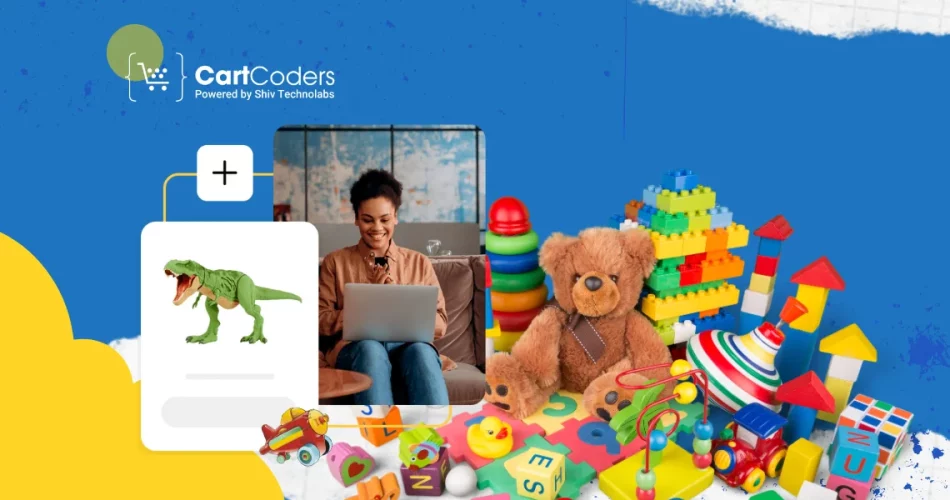
Credit: cartcoders.com
Distribution And Logistics
Efficient distribution and logistics are essential for selling toys. Organize inventory to ensure quick delivery and customer satisfaction. Partner with reliable carriers for smooth transportation and timely arrivals.
In the toy business, getting products to customers is crucial. Distribution and logistics play a vital role in ensuring toys reach the shelves and online carts quickly. By optimizing these processes, toy sellers can maximize efficiency and minimize costs. This section explores key areas that are essential for effective distribution and logistics in the toy industry.Supply Chain Management
Efficient supply chain management ensures toys move from manufacturers to consumers seamlessly. Start by establishing strong relationships with suppliers. This builds trust and reliability. Use technology to track shipments and manage orders. This reduces delays and improves transparency. Streamlining communication between all parties ensures smooth operations.Inventory Control
Proper inventory control prevents stockouts and overstocking. Implement a system to monitor stock levels in real-time. This helps in making informed decisions about restocking. Use historical sales data to predict demand. This data-driven approach minimizes waste and maximizes profitability. Regular audits keep inventory records accurate.Shipping Solutions
Choosing the right shipping solutions ensures timely deliveries. Evaluate various carriers for cost and reliability. Some carriers offer bulk shipping discounts. This can reduce overall costs. Consider offering multiple shipping options. Customers appreciate flexibility in delivery times and costs. Tracking systems provide customers with real-time delivery updates. This enhances customer satisfaction and trust.Legal Considerations
Understanding legal considerations is vital for anyone selling toys. Complying with laws ensures safety and protects your business. This section highlights key legal aspects you should focus on.
Safety Regulations
Toy safety is critical for consumer trust. Follow guidelines from authorities like the Consumer Product Safety Commission (CPSC). Ensure all toys meet safety standards. Check for potential hazards such as choking or sharp edges. Regular testing can prevent recalls and build credibility with buyers.
Trademark Protection
Trademarks protect your brand and products. Register your brand name and logo. This prevents others from using similar trademarks. It strengthens your position in the market. Trademark registration is a legal safeguard against infringement.
Contract Essentials
Contracts define business relationships clearly. They protect you and your partners. Include terms on pricing, delivery, and quality in agreements. Specify dispute resolution methods. A well-drafted contract can prevent misunderstandings and legal issues.
Adapting To Market Changes
In the dynamic world of toy sales, adapting to market changes is crucial for sustained success. As trends shift and consumer preferences evolve, staying ahead requires more than just a keen eye for what’s popular. It demands a proactive approach to embrace new opportunities and address emerging challenges, ensuring your toy business remains vibrant and relevant.
Trend Adaptation
Keeping up with trends can be like trying to catch a moving train. You need to be agile. Regularly research what’s buzzing in the toy industry. Are STEM toys gaining popularity? Is there a resurgence of retro toys? Being aware of these trends allows you to adjust your inventory accordingly.
Think of the fidget spinner craze; businesses that quickly adapted saw tremendous growth. You could hold brainstorming sessions with your team to identify upcoming trends. Encourage creativity and innovation to find unique ways to incorporate trending themes into your product line.
Innovative Product Launches
Launching new products can invigorate your business and capture the attention of consumers. Innovation doesn’t have to be groundbreaking; sometimes, a small tweak can make a big difference. Consider adding interactive elements to existing toys or creating themed collections that resonate with current cultural phenomena.
Remember when augmented reality toys started gaining traction? Brands that integrated AR features saw increased engagement and sales. Use customer feedback to refine your ideas and ensure your new launches meet their expectations.
Customer Behavior Analysis
Understanding how your customers think and act is essential to staying relevant. Dive into sales data and social media interactions. What are they buying more of? What are they talking about? This information can guide your business decisions and marketing strategies.
Pay attention to seasonal trends or buying patterns. Analyze why certain products fly off the shelves while others gather dust. You might discover insights that help you refine your offerings or tailor your marketing campaigns to better connect with your audience.
Credit: coresamexico.net
Frequently Asked Questions
How Do I Start Selling Toys Online?
Begin by selecting a niche that interests you and researching market trends. Create a business plan outlining your target audience, budget, and marketing strategies. Set up an e-commerce platform or sell through established marketplaces like Amazon or Etsy. Optimize your listings with engaging descriptions and high-quality images to attract customers.
What Platforms Are Best For Selling Toys?
Popular platforms include Amazon, eBay, and Etsy, which offer vast reach and easy setup. Shopify is ideal for creating a dedicated online store. Consider social media channels like Instagram and Facebook for direct sales and marketing. Choose a platform that aligns with your target audience and business goals.
How Do I Price My Toys Competitively?
Research competitor pricing to understand the market and set competitive rates. Factor in production costs, overheads, and desired profit margins. Use pricing strategies like discounts or bundle offers to attract buyers. Regularly review and adjust prices based on demand and inventory levels to stay competitive.
What Marketing Strategies Work For Toy Sales?
Utilize social media to engage potential customers with eye-catching posts and promotions. Collaborate with influencers to reach wider audiences. Implement email marketing campaigns targeting parents and gift buyers. Use SEO techniques to improve search visibility and drive organic traffic to your online store.
Conclusion
Selling toys can be a rewarding journey. Start small and learn as you go. Understand your market and what customers want. Quality and pricing matter. Offer toys that are safe and fun. Build trust with honest sales practices. Use social media to reach more people.
Happy customers spread the word. Keep your inventory fresh and exciting. Stay updated on trends. Listen to feedback and improve. Selling toys requires effort and passion. Success comes with patience and persistence. Remember, the joy of toys brings smiles to many faces.