Are you searching for the perfect toys that will capture your preschooler’s imagination and aid their development? You’re in the right place.
Choosing toys for preschoolers can feel like a daunting task. With countless options on the market, how do you know which ones will truly benefit your child? Imagine watching your little one play happily while learning new skills effortlessly. This guide will reveal exactly what toys could make that vision a reality.
By the end of this article, you’ll discover toys that not only entertain but also nurture your child’s growing mind, ensuring every playtime is a step towards a brighter future. Keep reading to uncover the secret to transforming play into a powerful learning experience.
Age-appropriate Toys
Preschoolers thrive with toys that foster imagination and creativity. Building blocks, puzzles, and art supplies spark curiosity and learning. Safe, colorful options encourage exploration and skill development.
Choosing the right toys for a preschooler can feel like a daunting task. You want to ensure that their playtime is not only fun but also helps them learn and grow. Age-appropriate toys are crucial as they match a child’s developmental stage, keeping them engaged and safe.Building Blocks
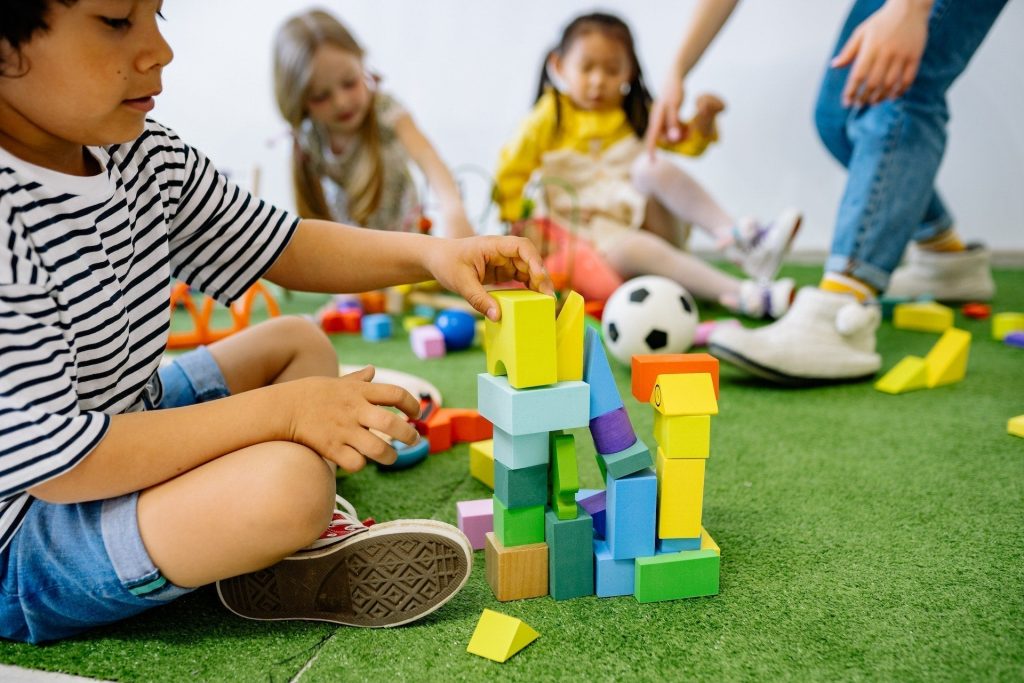
Building blocks are timeless toys that can spark creativity. They help develop fine motor skills and encourage problem-solving. Watching a child construct a towering castle or a wobbly bridge can be as rewarding for you as it is for them.Musical Instruments
Toy musical instruments are perfect for a budding little musician. They introduce rhythm and melody, enhancing auditory skills. Imagine the joy on your child’s face as they create their own tunes with a mini keyboard or tambourine.Puzzles
Puzzles are fantastic for boosting cognitive development. They challenge a child’s ability to recognize shapes and patterns. You might find yourself getting hooked as you assist your preschooler in fitting pieces together.Art Supplies
Art supplies like crayons, paints, and paper are wonderful for unleashing creativity. They allow children to express themselves and improve hand-eye coordination. The masterpiece they create might just be the next decoration for your fridge.Dress-up Clothes
Dress-up clothes open a world of imagination and role-playing. They help children understand different characters and scenarios. Who doesn’t love a little one running around dressed as a superhero or a princess, crafting their own stories?Outdoor Toys
Outdoor toys like tricycles and balls encourage physical activity. They help develop balance and coordination while providing an outlet for energy. You might even join in the fun, reliving your childhood days. In choosing toys, think about what will captivate your child’s interest and support their growth. Does the toy inspire creativity? Does it challenge their mind? Your thoughtful choices can make playtime more enjoyable and educational for your preschooler.
Credit: mamasmusthaves.com
Building Blocks And Construction Sets
Preschoolers enjoy playing with building blocks and construction sets, which boost creativity and fine motor skills. These toys encourage problem-solving and imaginative play, providing endless fun and learning opportunities.
Building blocks and construction sets are timeless toys that spark creativity and imagination in preschoolers. These toys offer endless possibilities for little hands to build and create, while also helping them develop essential skills. Whether it’s stacking, sorting, or constructing complex structures, building blocks provide a fun and educational play experience.Why Building Blocks Are Essential For Preschoolers
Building blocks are more than just fun; they are a critical part of early childhood development. As children manipulate blocks, they enhance their fine motor skills and hand-eye coordination. These tasks help them gain confidence in their abilities to create and solve problems. Playing with blocks also introduces basic math concepts. When a child stacks blocks, they’re learning about balance, symmetry, and geometry. Have you ever watched a child proudly announce the number of blocks they’ve stacked? That’s an early math lesson in action.Types Of Building Blocks And Construction Sets
There is a variety of building blocks and construction sets available, each offering unique benefits. Wooden blocks are sturdy and provide a classic feel. They are perfect for teaching balance and gravity. Plastic interlocking blocks, like LEGO, are popular for their versatility. These blocks allow children to build more intricate designs, encouraging creativity and planning. Magnetic blocks are another exciting option that adds an element of surprise as pieces snap together.Safety Tips For Choosing The Right Set
When selecting building toys, safety should be a priority. Ensure that the blocks are made of non-toxic materials, especially if your child is prone to putting things in their mouth. Avoid sets with small pieces that could pose choking hazards. Always consider the recommended age range on the packaging. It’s essential to supervise playtime to ensure your child’s safety while they explore their creativity.Encouraging Social Play With Construction Sets
Building blocks are excellent tools for social interaction. They can be a great way for children to play together, promoting teamwork and communication. Encourage your child to build something with a friend or sibling. Share in their excitement as they collaborate on creating a masterpiece. This cooperative play helps them learn the value of sharing and taking turns. What structures will your preschooler design today? The possibilities are as endless as their imagination.Educational Toys
Preschoolers thrive with toys that spark curiosity and creativity. Building blocks, puzzles, and musical instruments engage their developing minds. Simple board games and art supplies also enhance learning through play.
Educational toys play a crucial role in a preschooler’s development. They bridge the gap between fun and learning. These toys stimulate the brain and encourage problem-solving skills. Through play, children grasp basic concepts in math and language. This type of learning prepares them for the school years ahead. Let’s explore some top educational toys for preschoolers.Building Blocks
Building blocks boost imagination and creativity. Kids learn about shapes and sizes while stacking. It aids in developing fine motor skills. These blocks also introduce basic physics concepts. Kids understand balance and structure. Playing together fosters teamwork and communication skills.Puzzles
Puzzles enhance cognitive abilities. Children recognize patterns and improve memory. Completing a puzzle gives a sense of accomplishment. It encourages patience and focus. They learn to think critically. Puzzles come in various themes and sizes. Choose the right difficulty level for your child.Educational Games
Games make learning enjoyable. Many games teach numbers and letters. They also introduce basic science concepts. Educational games improve hand-eye coordination. They help in developing social skills. Playing with others teaches turn-taking and sharing.Musical Instruments
Musical instruments inspire creativity. They help in understanding rhythm and sound. Playing instruments boosts memory and attention. Music enhances language development. It also improves listening skills. Instruments like drums and xylophones are great for beginners.Interactive Books
Interactive books capture a child’s attention. They combine reading with play. Kids learn words and sounds through pictures. They develop a love for reading early. These books encourage imagination. They are perfect for storytime and bonding moments.Counting Toys
Counting toys introduce basic math concepts. They help kids understand numbers and sequences. Toys like abacuses make counting fun. They improve problem-solving skills. Children learn to recognize patterns. Counting toys build a strong math foundation. Incorporating these toys into playtime benefits a child’s growth. They make learning an enjoyable journey. Parents can choose toys based on their child’s interests.
Credit: www.habausa.com
Art And Craft Supplies
Colorful building blocks, soft plush toys, and interactive musical instruments. These supplies spark creativity and learning in preschoolers. Encourage exploration with safe, age-appropriate art materials for imaginative play.
Art and craft supplies can ignite a preschooler’s imagination. These materials offer endless possibilities for creativity. Young children enjoy expressing themselves through colors and shapes. Craft activities enhance fine motor skills and problem-solving abilities. Whether painting a masterpiece or building a sculpture, preschoolers learn while they play.Paints And Brushes
Preschoolers love the vibrant colors of paints. Watercolors and washable paints are ideal choices. Brushes come in various sizes for different effects. They help develop hand-eye coordination. Painting is a fun way to explore creativity.Colorful Paper And Scissors
Bright paper attracts children’s attention. Cutting paper with child-safe scissors is a great skill. It helps improve hand strength. Kids can make shapes and figures. These activities build confidence and imagination.Glue And Stickers
Glue is essential for sticking creations together. Preschoolers enjoy pasting pieces and making collages. Stickers add fun and personality to projects. They learn spatial awareness through placement. Glue and stickers inspire creativity.Modeling Clay
Clay allows children to mold and shape ideas. Soft and pliable clay is best for young hands. Sculpting with clay encourages creativity. It improves dexterity and hand strength. Kids love creating animals and figures.Beads And String
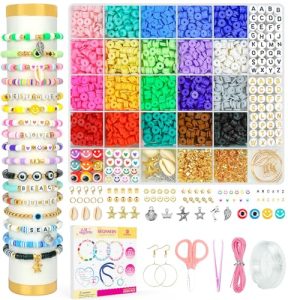
Beading activities foster concentration. Preschoolers enjoy threading colorful beads. It helps develop fine motor skills. Making necklaces and bracelets is rewarding. Beads and string add fun to craft time.Musical Instruments For Kids
Musical instruments like xylophones and tambourines are great toys for preschoolers. They help kids explore sounds and rhythms. These instruments are easy to play and keep young minds engaged.
Introducing music into a preschooler’s playtime can be a delightful way to boost their development and creativity. Musical instruments for kids are not only fun but also educational, enhancing their motor skills, rhythm, and auditory senses. Whether it’s a simple rattle or a mini keyboard, these instruments can spark joy and learning in equal measure.Benefits Of Musical Play
Engaging with musical instruments allows children to express themselves creatively. It encourages them to explore sounds and develop their auditory skills. Additionally, playing instruments can improve hand-eye coordination and fine motor skills.Choosing The Right Instrument
When selecting an instrument for your preschooler, consider their interests and age. Start with simple instruments like maracas or tambourines. These are easy to handle and offer instant gratification with sound.Incorporating Music Into Daily Activities
Make music a part of your child’s daily routine. Incorporate it during playtime, bedtime, or even while doing chores. This can help them associate music with fun and relaxation.Group Play And Social Skills
Musical play in groups can enhance social skills. When children play instruments together, they learn to listen, share, and collaborate. It’s a great way for them to build friendships and learn teamwork.Encouraging Creativity And Imagination
Musical instruments can be a tool for storytelling and imaginative play. Encourage your child to create their own songs and stories using different sounds. This can nurture their creativity and boost their confidence.Cost-effective Musical Options
You don’t need to break the bank to provide musical instruments. Look for affordable options like homemade instruments or second-hand ones. Sometimes, a simple pot and spoon can be a perfect drum set for your little one. Integrating musical instruments into your preschooler’s playtime can be a rewarding experience for both of you. It’s a chance to bond, learn, and have fun together. So, which instrument will you introduce to your child today?Outdoor Play Equipment
Preschoolers delight in outdoor play equipment like swings, slides, and sandboxes. These toys boost physical activity and creativity. They offer endless fun and help develop motor skills and social interaction.
Outdoor play equipment opens up a world of fun for preschoolers. Kids need fresh air and exercise. Outdoor toys bring excitement and joy. These activities build strength and balance. They enhance social skills too. Children play and learn together. Let’s explore some great options for outdoor play.Swings
Swings are a timeless favorite. Kids love the feeling of flying. They swing high and laugh loud. Swings improve coordination. They strengthen leg muscles. Swings are safe and fun. Choose swings with soft seats.Slides
Slides are thrilling for preschoolers. Kids climb up and slide down. Slides boost confidence and courage. They help develop balance. Choose slides with smooth surfaces. Ensure slides have safe edges.Climbing Frames
Climbing frames challenge little adventurers. Preschoolers climb and explore. They develop strength and agility. Climbing frames enhance motor skills. Ensure frames are sturdy. Choose ones with safety grips.Sandboxes
Sandboxes invite creativity and imagination. Kids dig and build castles. Sand play improves sensory skills. It’s calming and soothing. Choose covered sandboxes. Ensure sand is clean and soft.Trampolines
Trampolines are exciting and bouncy. Kids jump high with joy. They strengthen leg muscles. Trampolines boost coordination. Choose trampolines with safety nets. Ensure they are age-appropriate.Push Bikes
Push bikes offer freedom and movement. Kids ride and explore the outdoors. These bikes improve balance. They enhance coordination skills. Choose sturdy push bikes. Ensure they have safety brakes.Puzzles And Games
Preschoolers thrive with toys like building blocks, simple puzzles, and matching games. These toys boost creativity and problem-solving skills. Interactive play encourages social interaction and language development.
Puzzles and games play a vital role in a preschooler’s development. They provide a fun way for children to learn problem-solving, improve hand-eye coordination, and boost memory. Engaging your child with puzzles and games can also encourage patience and perseverance.Jigsaw Puzzles
Jigsaw puzzles are a fantastic way to develop a child’s cognitive skills. They help improve spatial awareness and teach kids how to recognize patterns. Start with puzzles that have larger pieces and fewer parts to ensure your child doesn’t get overwhelmed.Matching Games
Matching games are a staple in early childhood education. They enhance memory and concentration while also teaching children about similarities and differences. You can easily create a matching game at home using cards with pictures of animals, fruits, or everyday objects.Board Games
Board games like “Candy Land” or “Chutes and Ladders” introduce children to the concept of taking turns. They are a great way to teach basic counting and color recognition. Plus, they’re perfect for family bonding time.Interactive Digital Games
Interactive digital games can be beneficial if used in moderation. Many educational apps are designed to teach letters, numbers, and basic math skills. Look for apps that encourage active participation rather than passive watching.Construction Toys
Toys like building blocks or LEGO sets encourage creativity and problem-solving. They help children understand how different pieces fit together to create something new. These toys can keep your preschooler engaged for hours, stimulating their imagination. Engaging your preschooler with puzzles and games is an excellent way to support their development. Have you tried any of these activities with your child? They might surprise you with how quickly they pick up new skills.
Credit: www.amazon.com
Role-playing And Dress-up
Preschoolers enjoy role-playing with toys like costumes, dolls, and action figures. These toys spark imagination and storytelling. Simple props like hats and masks add fun to their playtime adventures.
Role-playing and dress-up activities are essential for preschoolers’ development. They spark imagination and creativity. Children learn about the world by imitating adults. They explore different roles and scenarios. Dress-up play allows them to express themselves freely. It also helps them develop social and emotional skills. Parents can support this by providing a variety of costumes and props. Let’s explore some exciting role-playing and dress-up ideas for preschoolers.Classic Costumes For Imaginative Play
Children love classic costumes like firefighters and doctors. These costumes help them imagine real-life scenarios. They enjoy pretending to save the day or help others. Provide simple accessories like hats or stethoscopes. This adds realism to their play. Encourage them to use their imagination.Fairytale And Fantasy Dress-up
Fairytale costumes captivate young minds. Think of princesses, knights, and wizards. These costumes transport children to magical worlds. They can create their own stories with friends. Use items like capes or crowns. These small touches enhance their experience.Animal Costumes For Creative Exploration
Animal costumes are a hit with preschoolers. They enjoy pretending to be lions or bunnies. This type of play allows them to explore different animal behaviors. Simple masks or ears can make a big difference. Encourage them to mimic animal sounds and movements.Everyday Heroes And Community Helpers
Children admire community helpers like police officers and teachers. Dress-up as these heroes boosts their understanding of community roles. They learn about responsibility and teamwork. Provide items like badges or chalkboards for interactive play.Diy Dress-up Ideas
Create DIY costumes from household items. Use scarves, cardboard, and old clothes. This encourages creativity and resourcefulness. Let children design their own costumes. This adds a personal touch to their playtime. They learn to think outside the box.Mix And Match Costume Accessories
Mix and match costume accessories for endless possibilities. Children can combine hats, glasses, and scarves. This fosters creativity and individuality. Let them experiment with different looks. It enhances their decision-making skills.Soft And Plush Toys
Soft and plush toys provide comfort and stimulate creativity in preschoolers. These toys are safe and perfect for imaginative play. They help develop social skills, as kids often engage in pretend scenarios with their favorite soft companions.
Soft and plush toys are essential for preschoolers. These toys offer comfort and security. Children love hugging them and carrying them around. Soft toys can be in various forms, like animals, dolls, or characters. They help kids develop emotional skills and imagination. These toys are perfect for bedtime stories and quiet playtime. Preschoolers often form strong bonds with their plush companions.Benefits Of Soft And Plush Toys
Soft toys promote emotional development. They provide a sense of security for young children. Kids often express their feelings through these toys. This helps them understand emotions better. Plush toys also encourage imaginative play. Children create stories and adventures with their stuffed friends. This boosts creativity and cognitive skills.Choosing The Right Soft Toy
Choose toys made from safe materials. Ensure they are washable and durable. Look for toys with simple designs. Avoid small parts that could be choking hazards. Consider the child’s interests. Some kids prefer animal plushies, others like character dolls. Selecting the right toy can enhance a child’s play experience.Interactive Soft Toys
Interactive plush toys offer more engagement. Some toys have sounds or lights. Others respond to touch or movement. These features captivate preschoolers’ attention. They learn cause and effect through play. Interactive toys can also teach basic skills. They might introduce numbers or colors in a fun way.Soft Toys For Social Skills
Plush toys can improve social skills. Kids often share their toys with peers. This encourages cooperation and communication. Role-playing with soft toys helps children understand relationships. They learn empathy and compassion. Soft toys can be great tools for developing social skills.Safety Tips For Toy Selection
Choosing safe toys for preschoolers is crucial. Opt for toys without small parts to prevent choking. Ensure toys are sturdy and free of sharp edges to avoid injuries.
Choosing safe toys for preschoolers is crucial. It ensures a fun and secure playtime. Parents must consider several factors. These tips help in selecting the right toys.Check Age Recommendations
Always check the toy’s age label. It guides you on suitability for your child. Toys for older kids may have small parts. These can pose choking hazards to preschoolers.Inspect For Small Parts
Small parts can be dangerous. They are choking hazards. Ensure toys have no detachable pieces. If unsure, test the toy with a toilet paper roll. If it fits, it’s a choking risk.Verify Non-toxic Materials
Toys should be made of non-toxic materials. Preschoolers often chew or suck on toys. Ensure the paint and plastic are safe. Look for certifications like ASTM or CE.Check For Sharp Edges
Inspect toys for sharp edges. These can cause cuts or injuries. Choose toys with smooth surfaces. Rounded edges are safer for little hands.Ensure Durability
Toys should withstand rough play. Durable toys last longer and stay safe. Avoid toys that break easily. Broken pieces can be harmful.Consider Noise Levels
Some toys can be loud. High noise levels can damage hearing. Choose toys with adjustable volume. Check if the sound is pleasant and safe.Look For Safety Standards
Check if the toy meets safety standards. Look for labels like CPSC or EN71. These ensure the toy is tested and safe. Certified toys follow strict safety guidelines.Frequently Asked Questions
What Are The Best Toys For Preschoolers?
Preschoolers benefit from toys that foster creativity, learning, and physical activity. Consider puzzles, building blocks, and art supplies. These stimulate cognitive development. Outdoor toys like tricycles and balls enhance physical skills. Interactive toys like storybooks and musical instruments encourage imagination and social interaction.
Always ensure toys are age-appropriate and safe.
How Do Toys Aid Preschooler Development?
Toys play a crucial role in preschooler development by enhancing motor skills, creativity, and social interaction. Building blocks improve hand-eye coordination. Art supplies stimulate creativity and expression. Interactive toys promote language skills and social interaction. Choosing the right toys can support various developmental milestones effectively.
Are Educational Toys Suitable For Preschoolers?
Yes, educational toys are ideal for preschoolers. They combine fun with learning, promoting cognitive and social skills. Toys like alphabet puzzles and counting games introduce basic concepts. They enhance problem-solving abilities and creativity. Always select toys that match the child’s age and interests for optimal engagement.
Should Preschoolers Play With Electronic Toys?
Electronic toys can be beneficial if used moderately. They offer interactive learning experiences, enhancing cognitive and motor skills. However, balance is key. Ensure preschoolers also engage in physical and creative play. Choose electronic toys that are educational and age-appropriate to ensure a healthy play environment.
Conclusion
Choosing toys for preschoolers can be fun and rewarding. Safe toys help children learn and grow. Simple puzzles boost problem-solving skills. Blocks improve creativity and motor skills. Dolls and action figures encourage imaginative play. Musical toys foster a love for rhythm and sound.
Books introduce language and storytelling. Art supplies let kids express themselves. Always check for age-appropriate labels. Look for sturdy toys without small parts. Remember, playtime is crucial for development. Toys should ignite curiosity and joy. Aim for balance in educational and fun toys.
Let playtime be a safe, happy adventure!