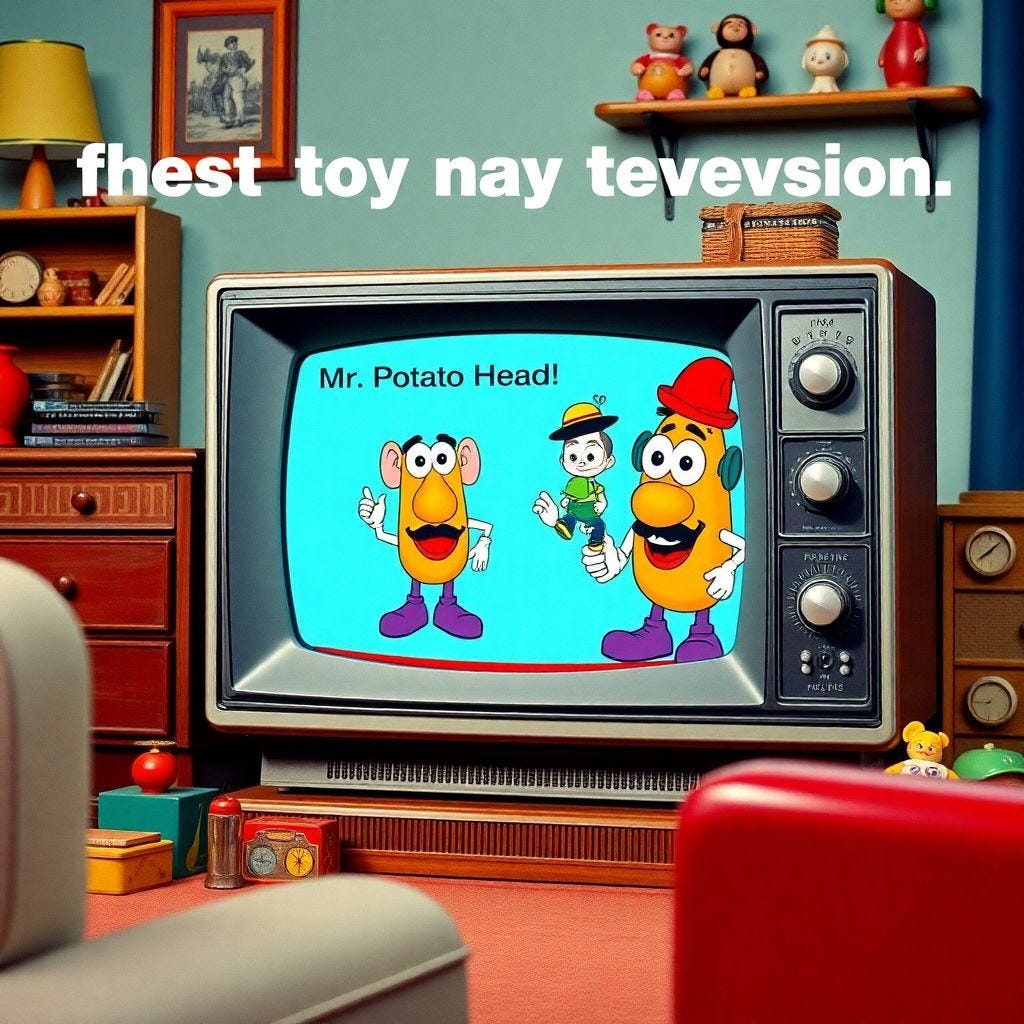
Have you ever wondered about the very first toy that graced television screens? It was a groundbreaking moment that changed the way products were marketed forever.
Imagine a time when the magic of television was new and enchanting. A time when a single commercial could captivate millions and transform a simple toy into a household name. By discovering the story behind this historic advertisement, you’ll unlock a fascinating piece of marketing history that continues to influence how products are promoted today.
The first TV toy advertisement was not just about selling a toy; it was about creating a connection with viewers, much like the one you’re about to experience. Curious to know which toy made television history? Read on, and prepare to be surprised by the toy that started it all.
The Birth Of Television Advertising
In 1952, Mr. Potato Head became the first toy advertised on television. This pioneering ad marked a significant moment in TV advertising history, engaging audiences and sparking interest in children’s products.
The Birth of Television Advertising Television advertising began in the early 1940s. It transformed marketing strategies worldwide. Before TV, radio and print dominated advertising. But TV offered something new. It combined sound, motion, and visuals. This made ads more engaging and memorable. Businesses quickly saw its potential. They understood TV could reach millions at once. This marked a new era in advertising history.The First Toy Advertised On Tv
In 1952, a toy changed TV advertising forever. Mr. Potato Head was the first toy advertised on television. Its commercial aired on April 30, 1952. The ad targeted children directly. It was a huge success. Sales skyrocketed within months. This set a trend for future toy ads.Why Tv Advertising Was Revolutionary
TV reached homes across the nation. It brought products into living rooms. Ads used catchy jingles and vibrant images. This captured viewers’ attention instantly. Unlike radio, TV showed products in action. This visual appeal was powerful. It connected emotionally with audiences. Brands built trust more effectively.Impact On Consumer Behavior
TV ads changed how people shopped. They influenced buying decisions at home. Consumers relied more on what they saw on TV. This created a new kind of brand loyalty. Companies recognized this shift quickly. They invested heavily in TV ads. This led to a boom in consumer culture.The Legacy Of Early Tv Advertisements
Early TV ads set a foundation for modern marketing. They introduced the idea of direct-to-consumer communication. These ads shaped how brands interact today. The success of Mr. Potato Head showed the power of targeted advertising. It proved that understanding the audience was key. This lesson remains relevant in today’s digital world.
Credit: www.facebook.com
The Dawn Of Toy Commercials
The first toy advertised on TV was Mr. Potato Head in 1952. This marked a new era in toy marketing. TV commercials soon became a powerful tool for reaching young audiences.
The evolution of toy commercials marks an intriguing chapter in advertising history, capturing the imagination of children and parents alike. It all began with a simple but groundbreaking moment on television that would forever change the way toys were marketed. Before digital ads and social media campaigns, there was a time when television was the prime medium for reaching audiences. This era paved the way for the first toy commercial ever aired, leaving a lasting impact on the toy industry and advertising practices.The First Toy Commercial: A Game-changer
In the early 1950s, television was becoming a household staple, and advertisers quickly recognized its potential. The first toy commercial aired in 1952, showcasing Mr. Potato Head. It was a moment that transformed advertising strategies, allowing brands to directly reach children with colorful, engaging content.Why Mr. Potato Head Stood Out
Mr. Potato Head wasn’t just a toy; it was an interactive experience. Unlike other toys of its time, it encouraged creativity and personalization. The commercial cleverly highlighted these features, appealing to both kids who loved playful activities and parents looking for educational value.The Impact On Toy Marketing
After Mr. Potato Head’s success, toy companies realized the power of television advertising. This led to an increase in toy commercials, each striving to be more captivating than the last. The format became a staple in marketing strategies, forever changing how toys were promoted.How It Influenced Consumer Behavior
Television commercials made toys more desirable, sparking demand and shaping purchasing decisions. They created memorable moments, often leading children to persuade parents during shopping trips. This technique proved effective, showing how advertising can sway consumer behavior.Reflecting On Today’s Toy Advertisements
Fast forward to today, and the legacy of that first commercial is evident. Toy ads have adapted to new technologies, yet the core principle remains: engage the audience. Whether through TV, online, or social media, toy commercials continue to captivate and inspire. As you reflect on the impact of that first toy commercial, consider how advertising influences your choices today. Do you find yourself drawn to ads that evoke nostalgia or promise innovation? The roots of these marketing strategies can be traced back to those pioneering days of toy commercials, proving their lasting relevance in the advertising world.The Iconic Toy: Mr. Potato Head
In the world of toys, few are as memorable as Mr. Potato Head. This iconic toy captured the hearts of children and adults alike. It was a simple idea that sparked creativity and imagination. Mr. Potato Head was not just a toy; it was a cultural phenomenon. It holds a special place in history as the first toy advertised on television.
The Birth Of Mr. Potato Head
Mr. Potato Head was born from a unique concept. George Lerner invented the toy in 1949. He wanted children to create faces using vegetables. Originally, Lerner sold small face parts to be used with real potatoes. This idea was new and exciting, paving the way for Mr. Potato Head’s success.
Television Debut: A New Era
In 1952, Mr. Potato Head made history on television. It became the first toy to be advertised on TV. The advertisement was aired on April 30, 1952. This marked a new era in toy marketing. The ad was aimed at children, a unique approach at the time.
Impact On Toy Industry
The TV ad changed the toy industry forever. It showed the power of reaching children directly. Sales soared after the advertisement aired. This success led to a shift in how toys were marketed. TV became a crucial tool for toy companies.
Mr. Potato Head’s Legacy
Mr. Potato Head remains a beloved toy today. Its legacy endures in popular culture. Movies, TV shows, and more feature this iconic toy. It stands as a testament to creativity and innovation in the toy world.
Credit: historyfacts.com
Mr. Potato Head’s Impact On Advertising
Mr. Potato Head made history as the first toy advertised on television. This groundbreaking moment transformed toy marketing, reaching millions of households and capturing children’s imaginations. The advert marked a new era in advertising, showcasing the power of TV to influence consumer behavior.
Mr. Potato Head’s debut marked a pivotal moment in advertising history. It was the first toy ever advertised on television. This event changed how products were marketed forever. Before this, toys were mainly promoted through print media. Television offered a dynamic platform, reaching a broad audience quickly. Mr. Potato Head’s commercial success showed the power of TV ads. It opened doors for other toy manufacturers. The toy industry became more competitive and creative.Mr. Potato Head’s Introduction To Tv
Mr. Potato Head was introduced to the public in 1952. The ad aired on April 30th, showcasing the toy’s fun features. It attracted children’s attention immediately. Parents saw the commercial and bought the toy for their kids. The ad was simple yet effective. It demonstrated how to play with Mr. Potato Head. This approach was new and exciting.How Tv Changed Toy Advertising
Television ads transformed toy marketing strategies. Companies started investing in TV commercials. They realized the potential for reaching more customers. TV ads became essential for launching new products. Advertisers could show toys in action, engaging kids visually. This method increased sales and brand awareness.Impact On Toy Sales
Mr. Potato Head’s TV ad boosted its sales significantly. It became a must-have toy for children. The demand was unprecedented, leading to large profits. Other toy makers noticed this success. They followed suit, creating TV ads for their products. This trend increased competition among toy brands. TV ads helped toys stand out in a crowded market.Legacy In Advertising
Mr. Potato Head’s TV commercial left a lasting legacy. It set the standard for future toy ads. Companies learned the importance of creative advertising. TV became a dominant medium for promoting toys. This shift influenced advertising strategies across industries. Mr. Potato Head’s impact is still seen in modern commercials. Its success paved the way for innovative marketing techniques.Cultural Significance Of Mr. Potato Head
The cultural significance of Mr. Potato Head is profound, marking a pivotal moment in the history of toys and advertising. As the first toy ever advertised on television, Mr. Potato Head changed the landscape of marketing forever. This plastic spud, with its interchangeable parts, wasn’t just a toy; it became a symbol of creativity and innovation for generations to come.
Cultural Impact On Childhood Creativity
Mr. Potato Head encouraged children to use their imaginations by allowing them to create unique characters. With its mix-and-match features, kids could explore endless possibilities. This simple act of putting together a face fostered creativity and problem-solving skills in a way that was both fun and educational.
The Role In Family Dynamics
Families gathered around to play with Mr. Potato Head, creating shared experiences that strengthened bonds. It wasn’t just about the toy; it was about the laughter and joy it brought to living rooms across the country. How often do you find toys today that can unite generations in play?
Influence On Advertising Strategies
The success of Mr. Potato Head’s TV advertisement set the stage for modern marketing strategies. It demonstrated the power of television as a tool for reaching wide audiences. This innovative approach paved the way for future toys to captivate the hearts and minds of children everywhere.
Legacy In Pop Culture
Mr. Potato Head’s legacy continues through appearances in films like “Toy Story,” solidifying its place in pop culture. Its enduring presence showcases how a simple toy can become an iconic figure. What other toy has maintained relevance across multiple generations like Mr. Potato Head?
Evolution Of Toy Advertising
In 1952, Mr. Potato Head became the first toy advertised on TV. This marked a significant shift in toy marketing, capturing children’s imagination and setting the stage for future television promotions.
The history of toy advertising is rich and fascinating. It shows how much marketing has changed over time. The first toy advertised on TV was Mr. Potato Head in 1952. This marked a significant shift in how toys were marketed. TV became a powerful tool for reaching children and their parents. Let’s dive into the evolution of toy advertising and its impact.Changes In Advertising Strategies
Toy advertising has evolved alongside technology. In the early days, ads were simple and direct. They focused on showing the toy and its features. As competition grew, strategies became more sophisticated. Advertisers began using storytelling to engage children. This approach made the toys more appealing. It also helped build a connection with young audiences. Today, ads often highlight the experience of playing with the toy. They emphasize fun and creativity. Brands use catchy jingles and memorable characters. These elements help keep the toy in a child’s mind. Social media and online platforms are now part of the strategy. Influencers and viral content play key roles in promoting toys.The Role Of Television In Toy Marketing
Television transformed toy marketing. It brought toys into the living room, reaching millions. TV ads could show toys in action. This was more effective than print ads. Kids could see how the toy worked and imagine playing with it. This visual appeal drove demand. TV also allowed for targeted advertising. Shows aimed at children became prime spots for toy commercials. Advertisers could reach their audience directly. This increased the impact of their campaigns. As TV technology improved, so did the ads. They became more colorful and engaging, capturing the attention of young viewers. Today, TV remains a vital platform for toy marketing. Despite the rise of digital media, TV ads still hold power. They continue to influence toy buying decisions. This makes TV a crucial part of any toy marketing strategy.Nostalgia And Modern Toy Commercials
The first toy advertised on TV was Mr. Potato Head in 1952. Nostalgia surrounds this iconic moment in advertising history. Modern commercials continue to evolve, blending nostalgia with innovative digital storytelling.
Nostalgia and Modern Toy Commercials Toy commercials have a unique way of striking a chord with both children and adults. They often transport us back to our childhood, evoking a sense of nostalgia that is hard to ignore. While today’s commercials are flashy and tech-driven, the charm of the first toy advertisement on TV still lingers in our memories.Understanding The Impact Of The First Toy Advertised On Tv
The first toy ever advertised on TV was Mr. Potato Head in 1952. It was a groundbreaking moment in advertising history, marking the beginning of a new era. This commercial not only introduced a fun new toy but also set the stage for how toys would be marketed in the future.How Nostalgia Influences Buying Decisions
Nostalgia is a powerful tool in marketing. It taps into our emotions and memories, making us more likely to purchase toys that remind us of our past. When you see a commercial for a toy you played with as a child, it often brings a smile to your face and tempts you to buy it for your own children.Differences Between Past And Present Toy Commercials
Modern toy commercials are vastly different from those of the past. They often feature advanced graphics, catchy jingles, and interactive elements that engage children instantly. However, the simplicity and charm of older commercials, like Mr. Potato Head, still hold a special place in many hearts.The Role Of Technology In Modern Toy Advertising
Technology has transformed the way toys are advertised. Today’s commercials often include animated characters and virtual reality elements, making them more exciting and engaging. But do these high-tech elements create the same emotional connection that simpler commercials did in the past?Why Some Toy Commercials Become Timeless
Certain toy commercials stand the test of time due to their emotional appeal and memorable content. They often feature relatable characters or catchy slogans that resonate with audiences. Think about which toy commercials from your childhood you still remember—what made them so special?Personal Connections To Toy Advertising
Reflecting on toy commercials can be a fun trip down memory lane. Remember the excitement of seeing your favorite toy on TV and eagerly waiting to get it? Sharing these memories with your children can create a bond that transcends generations. Nostalgia and modern technology both play crucial roles in toy commercials. As you watch these ads, think about what draws you in and makes you want to buy. Are you swayed by the nostalgia of a simpler time, or do the flashy graphics of today capture your attention more?
Credit: www.youtube.com
Frequently Asked Questions
What Was The First Toy Advertised On Tv?
The first toy ever advertised on TV was Mr. Potato Head. It debuted in 1952. Hasbro was the company behind this innovative marketing move. The commercial targeted children directly, revolutionizing toy advertising. Mr. Potato Head became an instant success.
When Did Mr. Potato Head Air On Tv?
Mr. Potato Head’s commercial first aired on April 30, 1952. It marked a significant shift in toy advertising. This TV commercial targeted children, a novel concept then. The success paved the way for future toy advertisements.
Why Was Mr. Potato Head’s Ad Significant?
Mr. Potato Head’s ad was the first to target children. It changed how toys were marketed forever. The commercial’s success opened new advertising avenues. It demonstrated the power of TV in reaching young audiences.
How Did Tv Advertising Impact Toy Sales?
TV advertising revolutionized toy sales by reaching larger audiences. It allowed direct communication with children and parents. This method significantly boosted toy visibility and sales. Companies quickly adopted TV as a crucial marketing tool.
Conclusion
The first toy advertised on TV was Mr. Potato Head. It aired in 1952. This marked a new era in toy marketing. TV ads changed how toys reached homes. Mr. Potato Head’s success showed the power of television. It was simple yet effective.
Kids could now see toys before buying. This new method made toys more popular. Mr. Potato Head paved the way for future toy ads. It became a household name quickly. TV became a key tool for toy companies. Today, many toys use TV ads to reach children.
Mr. Potato Head was the pioneer.