A Toy Poodle: The Ultimate Guide to Care & Training
Imagine coming home to a little ball of fluff that greets you with endless affection and playful antics. A Toy Poodle can be that perfect companion, blending charm with intelligence in a way that few other pets can.
These tiny dogs, known for their curly coats and perky personalities, are more than just adorable—they are loyal friends ready to bring joy into your life. But what makes a Toy Poodle so special? And how can they seamlessly fit into your lifestyle?
By delving into the world of Toy Poodles, you’ll discover the unique traits that make them stand out among other breeds. Whether you’re considering bringing one into your home or are simply curious about these delightful dogs, this guide will offer insights that speak directly to your heart and mind. Ready to uncover the secrets of owning a Toy Poodle? Keep reading to learn more about your potential new best friend.
History And Origin
The Toy Poodle, with its elegant appearance and charming personality, boasts a rich history that dates back centuries. This breed, known for its intelligence and lively nature, has captured the hearts of dog lovers worldwide. Understanding the history and origin of the Toy Poodle offers a fascinating glimpse into how this beloved breed came to be.
History Of The Poodle Breed
The Poodle breed is believed to have originated in Germany, despite its strong association with France. Initially bred as a water retriever, the Poodle was prized for its ability to retrieve waterfowl for hunters. Its distinctive curly coat, which provides insulation and buoyancy, was a significant advantage in cold water.
Development Of The Toy Poodle
The Toy Poodle emerged as a smaller version of its larger counterparts—the Standard and Miniature Poodles. Selective breeding aimed to create a compact, intelligent dog suitable for companionship rather than hunting. This process resulted in the Toy Poodle, which quickly became popular among the European aristocracy in the 18th century.
Popularity In France
France played a crucial role in the Toy Poodle’s history, where it became a favorite among the French nobility. The breed’s elegance and versatility made it a symbol of sophistication and style. Today, the Toy Poodle is often referred to as the national dog of France, further cementing its strong ties to French culture.
Unique Characteristics And Traits
What makes the Toy Poodle truly special are its unique characteristics and traits. They are known for their intelligence, making them highly trainable and adaptable. Their hypoallergenic coat is a bonus for allergy sufferers, offering a pet option that requires less shedding-related maintenance.
Have you ever wondered why Toy Poodles are so often seen in dog shows? It’s their agility, intelligence, and eagerness to please that make them frequent competitors and winners. Their history is a testament to their enduring appeal and adaptability, qualities that continue to attract dog lovers today.
Physical Characteristics
Physical characteristics define the unique charm of a Toy Poodle. These small dogs possess an elegant stature and captivating appearance. Their features make them stand out among other breeds. Let’s explore their distinct traits.
Size And Weight
Toy Poodles are compact and petite. They typically weigh between 4 to 6 pounds. Their height ranges from 9 to 11 inches at the shoulder. This small size makes them ideal for apartment living.
Coat And Colors
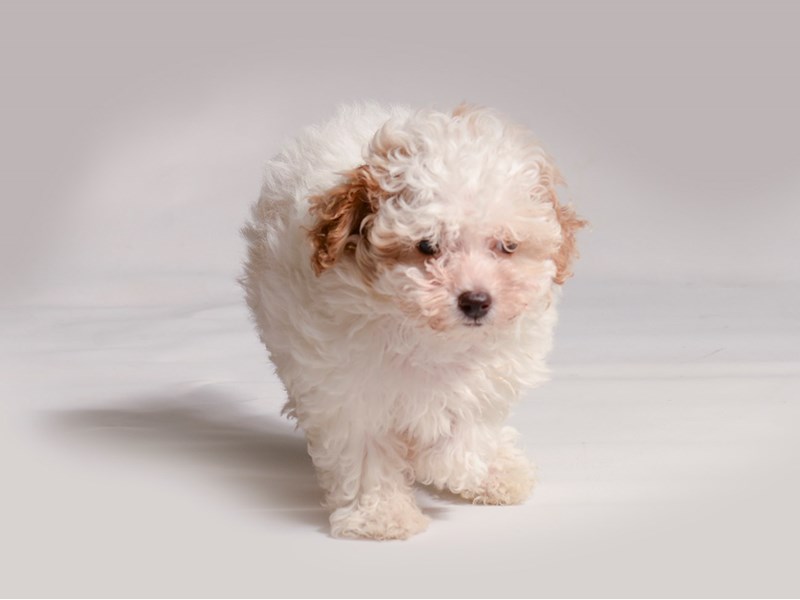
Their coat is dense and curly, offering a plush feel. It is hypoallergenic, reducing shedding and allergens. Toy Poodles come in a variety of colors. Common shades include white, black, apricot, and gray. Each color is vibrant and distinct. Their coats require regular grooming to maintain beauty.
Lifespan
Toy Poodles enjoy a long lifespan. They often live between 12 to 15 years. With proper care, some even reach 18 years. Their longevity makes them cherished family members for many years.
Personality Traits
Toy Poodles are known for their lively and intelligent nature. They love attention and have a friendly demeanor. Their playful spirit makes them wonderful companions for families and individuals alike.
Toy Poodles are renowned for their charming personalities. These small dogs pack a big heart and a lively spirit. Their personality traits make them a beloved companion for many households. Understanding these traits can help potential owners make informed decisions.Temperament
Toy Poodles are known for their intelligent and alert nature. They quickly grasp new concepts, making training a breeze. Their eagerness to learn is matched by their desire to please. These dogs are sensitive and intuitive, often picking up on the emotions of their owners. They thrive in environments where they receive attention and mental stimulation.Energy Levels
Despite their small size, Toy Poodles are energetic. They enjoy playful activities and require regular exercise. Their zest for life keeps them active and engaged. Daily walks and playtime are essential for their well-being. Without proper exercise, they can become bored and restless. This energy makes them a great match for active families.Social Behavior
Toy Poodles are sociable and enjoy the company of people and other pets. They are friendly and adapt well to various social settings. Their affectionate nature makes them excellent companions. They often form strong bonds with their families. Proper socialization from a young age ensures they grow into well-adjusted adults.
Credit: www.reddit.com
Basic Care Needs
Toy Poodles are known for their intelligence and charm. To keep them happy, they need proper care. Their small size doesn’t mean they need less attention. Basic care involves feeding, grooming, and exercise. These are crucial for their well-being.
Feeding And Nutrition
Toy Poodles need a balanced diet for good health. Choose high-quality dog food with protein and healthy fats. Avoid foods with artificial additives. Serve meals in small portions to prevent overeating. Fresh water must be available at all times.
Grooming Requirements
Regular grooming keeps Toy Poodles looking neat. Their curly coat needs brushing every day to prevent mats. Schedule professional grooming every 4 to 6 weeks. Trim their nails regularly to avoid discomfort. Check their ears for dirt and clean them gently.
Exercise Needs
Toy Poodles are energetic and playful. Daily exercise is essential for their health. Short walks and play sessions are great. Interactive toys keep their minds active. Monitor their activity to ensure they don’t overexert themselves.
Training Essentials
Training your Toy Poodle is a rewarding journey that strengthens your bond and keeps your furry friend happy and healthy. These little dogs are known for their intelligence and eagerness to learn, which makes training both enjoyable and effective. Let’s dive into some essential training techniques to ensure your Toy Poodle grows into a well-behaved companion.
Obedience Training
Obedience training is crucial for establishing good behavior in your Toy Poodle. Start with basic commands such as sit, stay, and come. These foundational commands help you manage your dog’s behavior in various situations.
Use positive reinforcement to encourage your Toy Poodle. Treats, praise, and playtime are excellent motivators for these intelligent dogs. Consistency is key; practice commands daily to build a strong routine.
Ever noticed how your Toy Poodle seems to understand your mood? Use this to your advantage. When you’re excited, your enthusiasm will rub off on your dog, making training sessions more lively and fun.
House Training
House training can be one of the most challenging aspects, but with patience, your Toy Poodle will learn quickly. Establish a regular feeding schedule to manage bathroom breaks more predictably.
Create a designated potty area outside. Take your Toy Poodle to this spot consistently after meals and naps. Praise them when they succeed in using the correct area, reinforcing this positive behavior.
Do you have a friend who successfully house-trained their dog? Reach out and ask for tips or share your experiences. Sometimes, hearing another’s story can spark new strategies to try.
Socialization Techniques
Socializing your Toy Poodle is essential to prevent anxiety and aggression. Introduce them to different environments, people, and other animals gradually. This helps them adapt to new experiences with confidence.
Organize playdates with other dogs or visit dog parks to provide opportunities for social interaction. Watch how they respond and guide them with gentle encouragement.
Think about how you felt when you met someone new. It’s similar for your Toy Poodle. Helping them feel comfortable in new situations builds their trust in you and in the world around them.
Health Considerations
Toy Poodles are a delightful breed known for their intelligence and charm. However, like any breed, they come with specific health considerations. Understanding these can ensure your furry friend leads a happy and healthy life. Let’s dive into some key health aspects you should be aware of as a Toy Poodle owner.
Common Health Issues
Toy Poodles, despite their robust nature, are prone to certain health issues. Patellar luxation is common, where the kneecap slips out of place, causing discomfort.
Dental problems are another concern; their small mouths can lead to crowded teeth and plaque build-up. Regular dental care is crucial.
They may also suffer from progressive retinal atrophy, a degenerative eye disorder. Keeping an eye on their vision can help catch this early.
Preventative Care
Preventative care is essential to mitigate these health risks. A balanced diet rich in nutrients supports overall well-being.
Regular exercise keeps them fit and helps manage weight, reducing stress on their joints. Incorporating playtime into their routine can be beneficial.
Don’t forget dental care; brushing their teeth regularly can prevent plaque build-up and maintain oral health.
Regular Vet Visits
Regular vet visits are crucial for monitoring your Toy Poodle’s health. These visits can catch potential issues early, before they become serious.
A vet can provide tailored advice on diet, exercise, and any specific needs your dog might have. They are your partner in ensuring your pet’s health.
Are you keeping up with your Toy Poodle’s vaccinations and check-ups? These are essential for preventing diseases and keeping your dog safe.
Choosing A Toy Poodle
Toy Poodles are small, intelligent dogs perfect for families and apartments. Their friendly nature and hypoallergenic coat make them ideal companions. Regular grooming ensures they stay healthy and happy.
Choosing a Toy Poodle can be a delightful journey. These tiny dogs bring joy and companionship. Their intelligence and charm make them popular pets. Deciding between a breeder or adoption involves thoughtful consideration. Each option offers unique benefits and experiences.Breeder Vs. Adoption
Opting for a breeder offers specific advantages. Breeders provide detailed lineage information. This can help predict your poodle’s traits. You may also see the puppy’s parents. This gives insights into their future size and temperament. Ensure the breeder is reputable. They should prioritize health and well-being. Adoption offers a chance to give a dog a new home. Many poodles in shelters need loving families. Adoption fees are often lower than breeder prices. Shelters usually include vaccinations and spaying or neutering. This can save on initial vet expenses. Check local shelters or rescue groups for toy poodles.What To Look For
Consider the poodle’s energy level. Toy poodles are active. They need regular exercise and mental stimulation. Ensure your lifestyle matches their needs. Examine their coat and grooming requirements. Toy poodles have curly, hypoallergenic fur. Regular grooming keeps them healthy and neat. Health is crucial. Look for signs of good health. Bright eyes, clean ears, and a shiny coat are positive indicators. Ask about any known health issues. Observe their temperament. Toy poodles are known for their friendly nature. They should be curious and sociable. Spend time with them to gauge their personality.Integrating Into Your Home
A Toy Poodle easily adapts to family life, adding joy with its playful nature. Its small size and friendly demeanor make it a delightful companion for cozy homes.
Integrating a Toy Poodle into your home is a rewarding experience that requires careful preparation and understanding. These tiny bundles of joy bring endless love and laughter, but ensuring their smooth transition is essential. By taking thoughtful steps, you can help your Toy Poodle feel comfortable and secure, making your home a happy place for your newest family member.Preparing Your Home
Start by puppy-proofing your home. Remove small objects that can be swallowed and secure loose wires to prevent accidents. Create a cozy space with a comfortable bed and toys. This will be their sanctuary, offering warmth and security. Consider using baby gates to restrict access to certain areas. This helps in managing their exploration and keeping them safe.Introducing To Family
Let each family member greet your Toy Poodle gently. Encourage them to use a calm voice and slow movements. Plan fun activities like short walks or playtime. This helps in building positive associations with each person. Monitor interactions closely to ensure everyone respects the puppy’s space and comfort levels.Establishing Routine
Set regular feeding times to create stability. Your Toy Poodle will appreciate the predictability. Incorporate daily walks and play sessions. This helps in burning energy and enhancing their mood. Establish a consistent bedtime. It aids in regulating their sleep patterns and promotes healthy growth. How would your life change with a Toy Poodle’s cheerful presence? Their joyful antics and loving nature can bring a new rhythm to your daily routine.Fun Activities
Toy Poodles are energetic, intelligent, and love to engage in fun activities. Keeping them entertained is vital for their mental and physical well-being. These activities not only strengthen the bond with your pet but also enhance their agility and intelligence. Here are some engaging activities to enjoy with your Toy Poodle.
Interactive Games
Interactive games stimulate a Toy Poodle’s mind. Try playing fetch with soft toys or balls. Hide and seek can be exciting for them. Use treats to encourage them to find hidden objects. Puzzle toys challenge their problem-solving skills. Rotate different games to keep your Poodle interested.
Training Exercises
Training exercises are perfect for Toy Poodles. They learn commands quickly. Start with simple commands like sit, stay, and come. Use positive reinforcement with treats and praise. Agility training is also beneficial. Set up a mini obstacle course in your backyard. Keep sessions short but frequent for best results.
Social Outings
Toy Poodles enjoy social outings. Take them to a dog park to meet other dogs. This helps with social skills and reduces anxiety. Short walks in new environments can be exciting. Visiting pet-friendly cafes offers a change of scenery. Always supervise interactions with other dogs to ensure safety.

Credit: www.instagram.com
Credit: www.petlandtopeka.com
Frequently Asked Questions
What Is A Toy Poodle’s Size?
A Toy Poodle is a small dog breed, typically weighing between 4 to 6 pounds. They stand around 10 inches tall at the shoulder. Despite their petite size, Toy Poodles are known for their lively personalities and intelligence, making them popular companions for families and individuals alike.
Are Toy Poodles Hypoallergenic?
Yes, Toy Poodles are considered hypoallergenic due to their low-shedding coat. Their curly fur traps dander, minimizing allergens in the environment. Regular grooming helps maintain their coat and reduce allergens further. This makes them an ideal choice for individuals with mild allergies to pets.
How Long Do Toy Poodles Live?
Toy Poodles typically have a lifespan of 12 to 15 years. Proper care, including regular vet check-ups and a balanced diet, can extend their lifespan. Exercise and mental stimulation are also crucial for their health. With the right care, Toy Poodles can live a long and healthy life.
Do Toy Poodles Need A Lot Of Exercise?
Toy Poodles need moderate exercise to stay healthy and happy. Daily walks and playtime are essential for their physical and mental well-being. They enjoy activities that stimulate their intelligence. Despite their small size, they have high energy levels that require regular outlets.
Conclusion
Toy Poodles make wonderful companions. They are small, smart, and playful. Perfect for families or singles. Their curly coat needs regular grooming. But it’s worth it for their cute appearance. They love to play and learn new tricks. Training them is usually easy due to their intelligence.
Remember, they need exercise and social interaction. This keeps them happy and healthy. Consider adopting a Toy Poodle if you want a loyal friend. They’ll bring joy and fun to your life. Their cheerful nature is truly delightful. Enjoy the time spent with your Toy Poodle.