Have you ever marveled at the intricate details of a toy car or airplane and wondered what they’re made of? Diecast toys, those charming miniature replicas that capture the imagination of both children and collectors, are more than just playthings.
They’re crafted with precision and care, using specific materials that give them their unique weight, shine, and durability. Understanding what diecast toys are made of can not only enhance your appreciation for these tiny marvels but also help you make informed decisions when adding to your collection.
Stick around as we delve into the fascinating world of diecast toys and uncover the secrets behind their enduring appeal. Discover how the choice of materials plays a crucial role in their allure and durability, and learn how this knowledge can transform the way you choose your next prized piece.
Materials Used
Diecast toys are popular among collectors and children. They are made from different materials, each adding unique qualities to the toy. These materials ensure durability and detail, making them appealing to all ages.
Zinc Alloy
Zinc alloy forms the core of most diecast toys. It provides strength and weight, giving the toy a realistic feel. The alloy is versatile, allowing for intricate designs and details. This material resists corrosion, ensuring the toy lasts longer.
Plastic Components
Plastic components are used for finer details in diecast toys. They create parts like windows, lights, and interiors. Lightweight and easy to mold, plastic complements the heavier zinc alloy. It adds color and texture, enhancing the toy’s appearance.
Rubber Parts
Rubber parts add realism to diecast toys. They are often used for tires and small accessories. Rubber provides grip and a tactile feel, mimicking real vehicles. It adds a layer of authenticity, making playtime more engaging.
Credit: medium.com
Manufacturing Process
Diecast toys are crafted from metal, typically zinc or aluminum, which is poured into molds. This process gives them durability and a realistic look. Plastic components are added for details and color.
The manufacturing process of diecast toys is a fascinating journey. It combines precision with artistry to create durable collectibles. Each step ensures the toy’s quality, realism, and appeal. Understanding this process reveals the craftsmanship behind these miniature marvels.Molding Techniques
In the first stage, liquid metal is poured into molds. These molds shape the toy’s body and parts. The metal used is usually a zinc alloy. It’s strong and resistant to wear. After cooling, the metal takes its final shape. This method produces accurate and detailed components. Molding is crucial for achieving realistic features.Painting And Detailing
Once the toy is molded, painting begins. Skilled hands apply base colors. Then, they add intricate details. This includes logos, patterns, and tiny features. Paint enhances the toy’s appearance, making it lifelike. Airbrushing and hand painting are common techniques. Quality paint ensures a glossy and durable finish. Every detail adds character to the toy.Assembly Stages
The final stage is assembly. Here, all parts are put together. Workers attach wheels, doors, and other elements. Precision is key during assembly. Each piece must fit perfectly. This ensures the toy functions well. Quality checks happen at this stage. They confirm everything is in place. Once assembled, the diecast toy is ready for display or play.Importance Of Metal Content
Diecast toys, cherished by collectors and children alike, owe much of their allure to their metal content. The metal used in these toys not only determines their weight and feel but also their durability and longevity. Understanding the importance of metal content can enhance appreciation for these miniature masterpieces.
Durability Factors
The durability of diecast toys is largely due to their metal composition. Metal resists wear and tear better than plastic. This means diecast toys can withstand rough play and handling. Zinc, a common metal used, provides strength and resistance to corrosion. This ensures the toys last for years, making them a favorite among collectors.
Weight Considerations
The weight of a diecast toy adds to its realistic feel. Heavier toys often feel more solid and valuable. Metal content gives these toys a satisfying heft. This weight can enhance the play experience, making them feel more like their real-life counterparts. Collectors often prefer heavier models, associating them with higher quality.

Credit: www.amazon.com
Environmental Impact
Diecast toys are popular among collectors and children alike. They are primarily made from metal alloys, typically zinc and aluminum. While these toys are durable and detailed, they raise concerns about environmental impacts. Understanding how diecast toys affect the environment can help consumers make informed choices.
Recycling Practices
Recycling diecast toys can mitigate their environmental impact. The metals used in these toys are recyclable. Many recycling facilities accept zinc and aluminum, reducing waste in landfills. Properly recycling these toys saves resources and energy. This practice helps preserve the environment for future generations.
Sustainable Alternatives
Some manufacturers are exploring sustainable materials for diecast toys. Using recycled metals reduces the need for new raw materials. This approach lowers the carbon footprint of toy production. Additionally, some companies are considering biodegradable materials. These innovations aim to create eco-friendly toys without compromising quality.
Quality Control
Diecast toys are crafted from metal and plastic, offering durability and detailed designs. High-quality zinc alloy is often used for the metal parts. These materials ensure the toys are strong and long-lasting.
Quality Control is a crucial aspect in the production of diecast toys. Ensuring that each toy meets high standards is vital for safety and customer satisfaction. You might wonder how manufacturers keep these tiny replicas consistent in quality.Testing Procedures
Every diecast toy goes through rigorous testing procedures. Manufacturers use precise instruments to measure dimensions and weight, ensuring accuracy. Toys are also subjected to stress tests to mimic real-world handling. Ever wondered why your favorite diecast car lasts for years? It’s because of these meticulous tests that evaluate durability and resilience.Standards Compliance
Compliance with international standards is non-negotiable. Diecast toys must meet specific safety guidelines to prevent hazards. Regulations, such as EN71 in Europe, outline requirements for toy safety. Manufacturers often conduct audits to ensure compliance. Imagine buying a toy knowing it’s been crafted under strict regulations—doesn’t that give you peace of mind?
Credit: www.amazon.com
Market Trends
The diecast toy market is evolving rapidly. Collectors and enthusiasts drive this change. Manufacturers focus on detailed designs and authentic replicas. This trend boosts interest and demand worldwide. Understanding market trends helps collectors and buyers make informed decisions.
Popular Themes
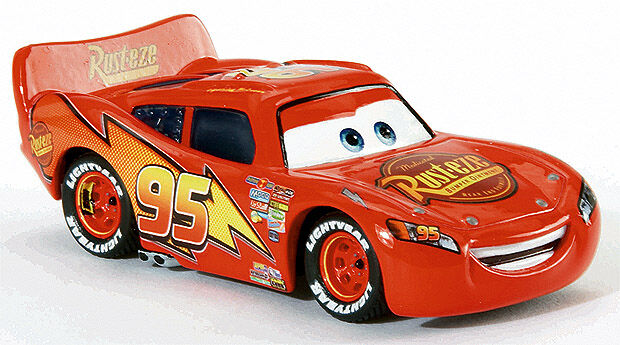
Diecast toys often follow popular themes. Cars from famous movies attract many buyers. Superhero-themed models are also in high demand. Classic cars remain timeless favorites. These themes appeal to collectors of all ages. New themes emerge as pop culture evolves.
Collectibility Insights
Diecast toys vary in collectibility. Limited editions are highly sought after. These models increase in value over time. Rare finds draw interest from serious collectors. Condition and packaging also affect value. Collectors often seek mint-condition items. Knowing these insights aids in building a valuable collection.
Frequently Asked Questions
What Materials Are Used In Diecast Toys?
Diecast toys are primarily made from metal alloys like zinc and aluminum. These materials provide durability and a realistic look. Other components, such as plastic or rubber, are used for parts like wheels and interiors. The combination of materials ensures the toys are sturdy yet detailed, appealing to collectors and children alike.
Why Are Diecast Toys Popular Among Collectors?
Diecast toys are popular for their detailed craftsmanship and durability. They replicate real vehicles, appealing to enthusiasts. The variety of models available enhances their collectible value. Additionally, they hold nostalgic value for many collectors. Their robust construction and intricate designs make them timeless treasures.
How Are Diecast Toys Manufactured?
Diecast toys are created using a process called die casting. This involves pouring molten metal into a mold. Once cooled, the toys are assembled with other components like plastic parts. The final step involves painting and detailing. This process ensures high precision and quality in each toy.
Are Diecast Toys Safe For Children?
Diecast toys are generally safe for children, but age recommendations should be followed. Small parts can pose choking hazards for young children. Always check for non-toxic paint and materials. Supervision is advised during playtime. Ensuring these safety measures keeps playtime both fun and secure.
Conclusion
Diecast toys captivate with their realistic details and sturdy build. They’re crafted from zinc alloy, often mixed with other metals. This blend ensures durability and a sleek finish. Collectors cherish these toys for their lifelike features. Kids love them for imaginative play.
Diecast toys are timeless, bridging generations with their charm. Whether a car, plane, or train, each piece tells a story. They are more than toys; they are cherished keepsakes. Discover the joy in collecting these unique items. Dive into the world of diecast toys and find your next favorite piece.