Are Puzzle Toys Good for Dogs: Unleash Mental Stimulation
Imagine watching your dog play with the same old toys day after day. You know your furry friend deserves more than just a chew toy and a ball.
Puzzle toys might just be the answer you’re looking for to keep your dog entertained and mentally stimulated. You may have heard about these intriguing toys, but are they really good for your dog? As a pet owner, you want the best for your four-legged companion, and understanding the benefits of puzzle toys can change the way you approach playtime.
Dive into this article to discover how puzzle toys could transform your dog’s routine, enhance their mental well-being, and even strengthen your bond with them. Your dog’s happiness might just be one puzzle piece away.
Benefits Of Puzzle Toys
Puzzle toys are great for dogs. They boost mental stimulation and keep dogs entertained for hours. These toys can reduce boredom and prevent destructive behavior, making them a perfect choice for energetic pups.
Puzzle toys offer numerous benefits for dogs. They challenge the mind and keep dogs entertained. These toys are designed to stimulate, exercise, and strengthen bonds. Let’s explore the key benefits of puzzle toys for our furry friends.Mental Stimulation
Dogs need mental challenges to stay sharp. Puzzle toys engage their brains. They offer different levels of difficulty. Dogs learn to solve problems and stay focused. This mental exercise reduces boredom and destructive behavior. It helps to keep them happy and engaged.Physical Exercise
Puzzle toys promote physical activity. Dogs move, shake, or roll the toy to get treats. This movement helps burn energy and keep them fit. Regular play can improve their overall health. It also helps maintain a healthy weight. Puzzle toys are a fun way to get them moving.Bonding With Owners
Puzzle toys can enhance the bond between dogs and their owners. Playing together builds trust and strengthens relationships. Owners can guide and encourage their dogs during play. This interaction fosters a deeper connection. It also provides a shared activity to enjoy together.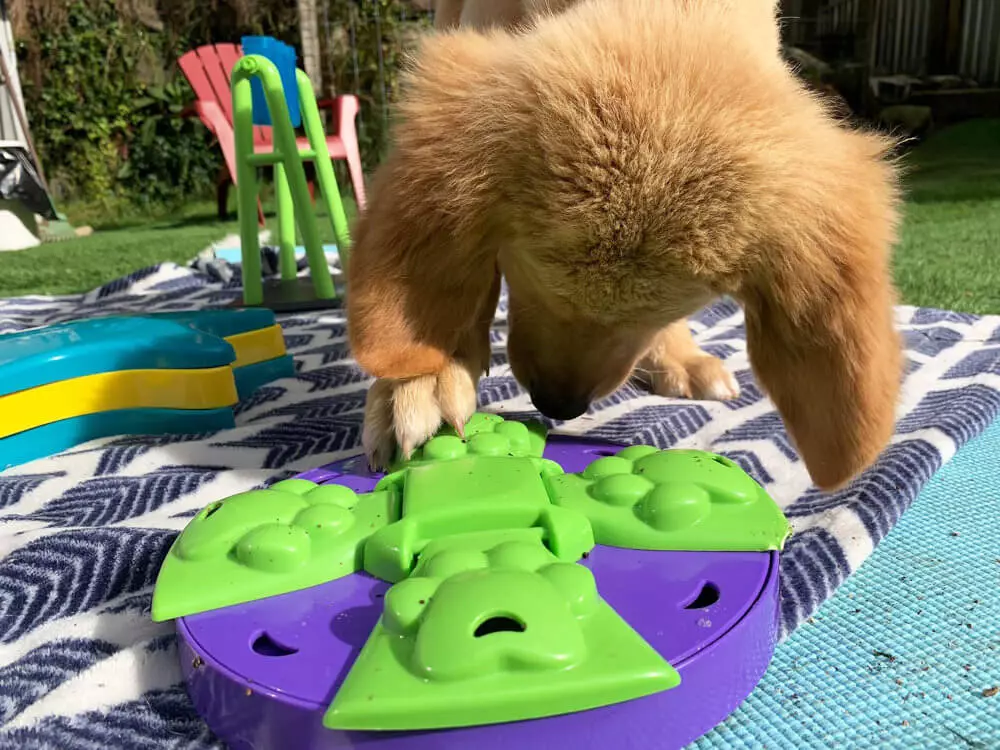
Credit: www.bowendogranch.com
Types Of Puzzle Toys
Puzzle toys are a fantastic way to engage your dog’s mind and keep them entertained. There are various types of puzzle toys available, each offering unique benefits to your furry friend. Understanding the different types can help you choose the perfect toy to challenge and delight your dog.
Interactive Toys
Interactive toys are designed to stimulate your dog’s problem-solving skills. These toys often involve moving parts or mechanisms that your dog must manipulate to access a reward. For example, toys with sliders and levers can be great for keeping your dog busy while sharpening their mental skills. Imagine watching your dog work out how to slide a panel just right to get their favorite treat; it’s not only entertaining but also rewarding for both of you.
Treat-dispensing Toys
Treat-dispensing toys combine playtime with snack time, offering a delicious incentive for your dog to engage with the toy. These toys typically require your dog to roll or chew them in a certain way to release treats. Have you ever noticed how your dog perks up when they realize there’s a tasty reward involved? This type of puzzle toy taps into their natural food motivation, making it an effective way to keep them occupied for longer periods.
Diy Puzzle Toys
If you’re feeling crafty, DIY puzzle toys are a budget-friendly option that allows you to customize the challenge based on your dog’s needs. Common household items can be transformed into engaging puzzles. Think about using a muffin tin and tennis balls to hide treats underneath. As your dog figures out how to remove the balls, they will enjoy the process and you’ll enjoy the satisfaction of creating something special for them. Have you tried making a puzzle toy yourself? It might be easier and more fun than you think!
Choosing The Right Puzzle Toy
Puzzle toys can be a great choice for dogs, offering mental stimulation and helping to reduce boredom. Selecting the right toy depends on your dog’s size, age, and chewing habits. Choose durable, engaging toys that match your dog’s interest and energy level for the best experience.
Choosing the right puzzle toy for your dog can enhance their playtime. These toys keep dogs mentally stimulated and entertained. Selecting the perfect one involves considering several important factors. Each dog is unique, so it’s crucial to find a toy that suits their needs and personality.Size And Durability
A puzzle toy should match your dog’s size. Large dogs need larger toys to avoid choking. Small dogs require smaller toys that they can easily manipulate. Durability is also essential. Dogs can be rough with their toys, so choose materials that withstand biting and scratching. Quality construction ensures the toy lasts longer, providing more hours of fun.Complexity Levels
Puzzle toys come with varying complexity levels. Beginners might need simpler puzzles to start with. Advanced puzzles challenge experienced dogs and keep them engaged. Choose a toy that matches your dog’s skill level. Gradually increase complexity as they become more adept. This progression maintains their interest and sharpens their problem-solving skills.Safety Considerations
Safety is a top priority when selecting a puzzle toy. Ensure the toy has no small parts that can break off. Check for non-toxic materials to avoid any health risks. Supervise playtime to prevent accidents. Choose toys designed specifically for dogs, as they adhere to safety standards. Providing a safe play environment ensures a positive experience for your dog.Training With Puzzle Toys
Puzzle toys can be great for dogs, as they stimulate mental activity and keep them entertained. These toys challenge dogs to solve problems, improving their cognitive skills and helping to reduce boredom.
Training with puzzle toys offers a wonderful opportunity to engage your dog’s mind. These toys stimulate their brains, reducing boredom and unwanted behaviors. Puzzle toys provide a fun way to train, using mental challenges to improve skills and focus.Introducing Puzzle Toys
Begin by choosing the right puzzle toy for your dog’s size. Start with a simple toy, allowing your dog to understand the concept. Show them the toy, explaining the task with enthusiasm. Let them sniff and explore the toy. This introduction sparks curiosity and interest.Encouraging Engagement
Use treats to motivate your dog during play. Place a treat inside the puzzle toy, enticing them to interact. Cheer them on with positive words as they try to solve the puzzle. Gradually increase the toy’s difficulty to maintain their interest. This keeps the experience fun and rewarding.Monitoring Progress
Observe your dog’s behavior with the puzzle toy. Take note of their problem-solving methods and any struggles. Adjust the toy’s difficulty if needed, ensuring it remains challenging yet achievable. Celebrate small victories with praise or a treat. Consistent monitoring helps tailor the training to your dog’s needs.Potential Challenges
Puzzle toys for dogs can be a fantastic way to engage their minds and keep them entertained, but they are not without their challenges. As you introduce these toys to your furry friend, you might encounter a few hurdles that can affect their effectiveness. Let’s dive into some potential challenges you might face when using puzzle toys for dogs.
Overstimulation
Dogs can sometimes become overstimulated when playing with puzzle toys. This can lead to anxiety or hyperactive behavior. If you notice your dog is struggling to calm down after playtime, it might be time to limit their exposure to the toy.
Consider introducing puzzle toys gradually. Start with short play sessions and slowly increase the duration as your dog becomes more comfortable. Pay attention to their behavior and adjust accordingly.
Toy Destruction
Some dogs have a knack for turning puzzle toys into chew toys. This can lead to quick destruction and potential hazards from broken pieces. If your dog has strong jaws, opt for durable materials that can withstand vigorous play.
Look for toys specifically designed to be tough. Brands often indicate the durability of their products, helping you make safer choices for your pet. Regularly check the toys for any signs of wear and replace them as needed.
Lack Of Interest
Not all dogs are immediately captivated by puzzle toys. If your dog seems indifferent, try various types and difficulty levels to find what sparks their interest. Experiment with toys that dispense treats or make sounds to entice them.
Sometimes, a little encouragement goes a long way. Play alongside your dog and guide them on how to interact with the toy. Your enthusiasm can be contagious, making the toy more appealing to your pet.
Are puzzle toys the right fit for your dog? Share your experiences and tips in the comments below!

Credit: www.amazon.com
Puzzle Toys For Different Dog Breeds
Choosing the right puzzle toy for your dog is important. Different breeds have different needs and preferences. Let’s explore which puzzle toys suit small, medium, and large dog breeds best. Matching the toy to your dog’s size can enhance their playtime experience and keep them mentally stimulated.
Small Breeds
Small breeds like Chihuahuas and Dachshunds enjoy compact puzzle toys. Choose toys with gentle challenges. Look for toys that fit their small mouths and paws. Soft textures and lightweight designs work well. Many small breeds have a curious nature. They enjoy interactive toys that reward them with treats or kibble.
Medium Breeds
Medium breeds such as Beagles and Cocker Spaniels need toys that offer moderate difficulty. Toys with sliding compartments or hidden pockets work well. These breeds have a keen sense of smell. Puzzle toys that involve sniffing and searching keep them engaged. Durable materials are important, as medium breeds often have strong jaws.
Large Breeds
Large breeds like Labradors and German Shepherds require robust puzzle toys. Opt for toys that can withstand powerful chewing. Look for interactive elements that involve pulling or pushing. Large breeds benefit from toys that challenge their intelligence. Complex puzzles with multiple steps keep them entertained and mentally active.

Credit: www.holistapet.com
Frequently Asked Questions
What Are Puzzle Toys For Dogs?
Puzzle toys are interactive games designed to challenge dogs mentally. They often involve hiding treats that dogs must figure out how to access. These toys stimulate a dog’s mind, helping to reduce boredom and anxiety. They come in various difficulty levels to cater to different dog abilities.
How Do Puzzle Toys Benefit Dogs?
Puzzle toys provide mental stimulation, which is crucial for a dog’s well-being. They help in preventing boredom and destructive behavior. Engaging with these toys can improve problem-solving skills. Additionally, they offer a fun way for dogs to get rewards, enhancing their mood and overall happiness.
Can Puzzle Toys Help Reduce Dog Anxiety?
Yes, puzzle toys can help reduce anxiety in dogs. They keep dogs occupied, diverting their attention from stressors. By providing mental engagement, these toys help calm anxious dogs. The challenge of solving puzzles can also tire them out, leading to more restful behavior.
Are Puzzle Toys Suitable For All Dog Breeds?
Puzzle toys are generally suitable for all dog breeds. However, the difficulty level should match the dog’s ability. Start with simpler puzzles for beginners. As they get better, introduce more challenging toys. Always supervise play to ensure safety and maximize benefits.
Conclusion
Puzzle toys offer many benefits for dogs. They stimulate mental growth. Dogs stay entertained and happy. These toys also help reduce boredom and anxiety. Healthier play results from engaging toys. Choose the right puzzle for your dog’s size and age.
Always supervise playtime for safety. Puzzle toys can enhance your dog’s life. They promote fun and learning. Your furry friend will love the challenge. Investing in puzzle toys is worthwhile. Happy dogs make happy homes. Consider adding puzzle toys to your dog’s routine.
You might notice a positive change.