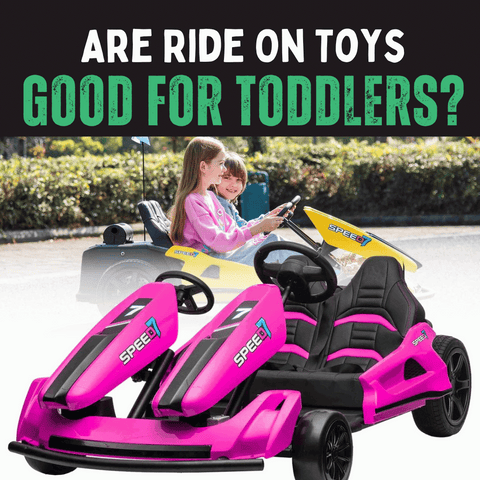
Are you wondering if ride-on toys are a good choice for your toddler? You’re not alone.
As a parent, you’re always looking for ways to keep your little one entertained while also supporting their development. Ride-on toys can seem like a big decision, and it’s natural to have questions. Are they safe? Do they really help with your child’s growth?
And perhaps most importantly, will they bring that delightful giggle and joy to your toddler’s face? We’ll dive into the benefits of ride-on toys for toddlers, explore what makes them such a popular choice, and help you decide if they are the right fit for your child. Keep reading to discover how these fun and engaging toys can make a positive impact on your toddler’s life.

Credit: www.amazon.com
Developmental Benefits
Ride-on toys offer more than just fun for toddlers. They play a crucial role in early childhood development. These toys can enhance various skills that are foundational for growth. Let’s explore how ride-on toys contribute to a child’s developmental journey.
Motor Skills Enhancement
Ride-on toys are perfect for boosting motor skills. Toddlers use their legs and arms to move and control these toys. This activity improves muscle strength and coordination. Steering helps in developing hand-eye coordination. Balancing on these toys enhances stability and physical awareness. All these movements are vital for physical development.
Cognitive Growth
These toys are great for cognitive development too. Toddlers learn about speed and direction. Making decisions on where to go enhances problem-solving skills. Understanding space and movement is an early math skill. Imagining scenarios while playing helps in creative thinking. Ride-on toys stimulate the brain in fun ways.
Social Interaction
Ride-on toys encourage social play among toddlers. Playing with peers on these toys fosters sharing and teamwork. Kids learn to wait for their turn, which develops patience. Group play can lead to communication and negotiation. These interactions build social skills and friendships. Ride-on toys are a great way to learn and play together.
Physical Health Advantages
Ride on toys enhance toddlers’ physical health by improving balance and coordination. These toys encourage active play, promoting muscle development and motor skills.
Ride-on toys offer toddlers exciting ways to explore and play. Beyond fun, these toys bring crucial physical health benefits. Kids develop stronger bodies and better motor skills while playing. They learn to control their movements, which aids their growth. Here are some key advantages of ride-on toys for toddlers’ physical health.Improved Balance
Balancing on ride-on toys challenges toddlers. They learn to keep steady while moving. This skill helps them in walking and other activities. Balancing strengthens their core muscles. It also boosts their confidence as they master movement.Strength Building
Ride-on toys require muscle use. Kids push, pedal, or scoot, which builds leg strength. Arms and back also get a workout. Regular play enhances muscle development. Strong muscles support their growing bodies.Coordination Improvement
Toddlers coordinate different body parts to ride smoothly. They use hands, feet, and eyes together. This coordination improves overall motor skills. It helps in tasks like throwing, catching, and drawing. Coordination is key in daily activities and sports.Boosting Confidence
Ride on toys can boost toddlers’ confidence by encouraging exploration and independence. These toys help develop motor skills and balance, providing a fun and safe way for young children to build self-assurance.
Boosting Confidence Ride-on toys offer more than just fun. They play a key role in boosting toddlers’ confidence. These toys encourage exploration and adventure in a safe environment. As toddlers learn to maneuver their ride-on toys, they gain a sense of achievement. This accomplishment builds confidence, making them feel capable and independent.Encouraging Independence
Ride-on toys encourage toddlers to explore their surroundings. They learn to navigate spaces on their own. This sense of freedom fosters independence. Toddlers start making decisions about direction and speed. They learn to trust their judgment. Independence nurtures self-confidence and decision-making skills.Risk Assessment Skills
Toddlers develop risk assessment skills while playing with ride-on toys. They learn to evaluate obstacles and decide whether to proceed. This process helps them understand limits and possibilities. As they encounter different situations, they become better at assessing risks. These experiences teach them to adapt and make safe choices. Developing these skills early can contribute to their confidence and safety awareness.
Credit: www.walmart.com
Safety Considerations
Checking for age-appropriate design and sturdiness ensures ride on toys are safe for toddlers. Supervision is essential to prevent accidents.
Safety considerations are paramount when introducing ride-on toys to toddlers. While these toys offer fun and physical activity, ensuring your child’s safety should be your top priority. Understanding the right age for each type of ride-on toy, supervising playtime, and equipping them with proper safety gear can make play both enjoyable and secure.Age-appropriate Selection
Choosing the right ride-on toy for your toddler depends heavily on their age and development stage. Toys designed for older children might be too complex or unsafe for younger toddlers. Look for toys with recommended age labels. For instance, if your toddler is just learning to walk, a stable push toy with a broad base can be more suitable than a battery-powered car. Ask yourself: is this toy helping my child to learn while ensuring their safety?Supervision Guidelines
While ride-on toys can foster independence, supervision is crucial. Young children can easily get excited and overlook potential dangers. Stay close, especially if the toy is used outdoors or near stairs. Consider creating a designated play area free from obstacles. Your presence not only ensures safety but also reassures your toddler as they explore their newfound mobility.Safety Gear Importance
Safety gear is often overlooked but is vital for preventing injuries. Helmets are essential for ride-on bikes or scooters, even if your toddler is just scooting around the living room. Knee and elbow pads offer additional protection. It’s a good idea to make wearing safety gear a habit early on. Would you let them ride a bike without a helmet? The same principle applies to ride-on toys. Instilling these habits early can make a big difference as they grow.Types Of Ride On Toys
Ride on toys come in various types, including cars, bikes, and animals. They foster physical development and coordination. Toddlers love the freedom and fun they bring.
Ride on toys offer fun and physical activity for toddlers. They help develop balance, coordination, and motor skills. These toys come in various types, each with unique features. Understanding these types aids in choosing the perfect fit for your child.Pedal Powered Options
Pedal powered toys encourage active play. Kids use their legs to move the toy forward. This boosts leg strength and coordination. Bicycles and tricycles are popular choices. They come in different sizes and designs. Some have adjustable seats for growing children. Pedal powered toys teach kids about speed and direction. Safety gear, like helmets, is vital for protection.Battery Operated Choices
Battery operated ride on toys add excitement with ease. They often resemble cars or motorcycles. Kids enjoy the thrill of driving around. These toys have controls for steering and acceleration. Rechargeable batteries power these toys, ensuring extended playtime. Some models include lights and sounds for added fun. Always supervise kids while using battery operated toys.Push And Pull Variants
Push and pull toys suit younger toddlers. They help develop walking skills. Kids push or pull these toys using handles or ropes. Wagons and carts are common examples. These toys encourage imaginative play. Kids enjoy filling them with toys or other items. Push and pull toys are simple yet effective. They promote active play without needing complex controls.Choosing The Right Toy
Ride-on toys offer toddlers active play and boost motor skills development. They encourage balance and coordination while providing endless fun. These toys are generally safe, but supervision is necessary for preventing accidents.
Choosing the right ride-on toy for your toddler can be fun and rewarding. It’s essential to consider factors that ensure safety and enjoyment. The perfect toy will engage your child and withstand their active play.Material Durability
The material of the toy affects its longevity. Look for sturdy plastics or metals. These materials stand up to rough play. They also resist wear and tear. Check for non-toxic finishes. Safety should always be a priority.Size And Weight Factors
Consider the size of the toy. It should fit your toddler comfortably. The weight should be manageable. Your child might need to push or carry it. Lightweight options are best for younger toddlers. They prevent accidental injury and encourage independence.Interest And Preferences
Every child is unique. Choose a toy that aligns with their interests. Does your child love cars or animals? Find a toy that matches these themes. This will keep them entertained for hours. Remember, the best toy is one that sparks joy and imagination.
Credit: www.radioflyer.com
Frequently Asked Questions
Are Ride On Toys Safe For Toddlers?
Yes, ride-on toys are safe when used with supervision. Ensure they are age-appropriate and meet safety standards. Always check for sturdy construction and avoid toys with small parts. Supervise your toddler during play to prevent accidents and encourage safe play habits.
Do Ride On Toys Help Toddler Development?
Ride-on toys promote physical development by enhancing balance and coordination. They encourage active play, improving motor skills. Additionally, they foster imaginative play and social interaction, contributing to cognitive and emotional growth. Overall, they offer a fun way to support your toddler’s developmental milestones.
What Age Is Best For Ride On Toys?
Ride-on toys are generally suitable for toddlers aged 18 months and older. Choose toys designed for their specific age group to ensure safety. The toy should match their physical abilities and interests, providing an enjoyable and developmental experience. Always supervise playtime for younger children.
How To Choose A Ride On Toy For Toddlers?
Consider your toddler’s age, interests, and developmental stage when choosing a ride-on toy. Look for sturdy construction, safety features, and easy maneuverability. Ensure the toy is suitable for indoor or outdoor use, depending on your space. Reading reviews can also help you make an informed decision.
Conclusion
Ride on toys offer great benefits for toddlers. They encourage active play and help develop motor skills. These toys also boost confidence as kids learn to balance and steer. Parents can choose from a variety of safe options. Always ensure the toy suits your child’s age and size.
Supervision remains key during playtime. Ride on toys can be a fun addition to your child’s growth journey. They provide exercise and joy. Consider them as a valuable tool in your toddler’s development. Enjoy watching your child explore and learn through play.