Imagine welcoming a furry friend into your home without the worry of itchy eyes, sneezing, or a runny nose. If you’re considering a Toy Poodle, you might be asking yourself: are Toy Poodles hypoallergenic?
This is a crucial question for anyone with allergies. Your health and comfort are important, and you deserve to enjoy the companionship of a dog without compromising them. You’ll discover the truth behind the hypoallergenic claims surrounding Toy Poodles. You’ll learn what it really means for a breed to be hypoallergenic and whether Toy Poodles fit the bill.
By the end, you’ll have the insights needed to make an informed decision about bringing this adorable breed into your life. Keep reading to find out if a Toy Poodle is the perfect allergy-friendly companion for you!
What Does Hypoallergenic Mean?
Have you ever heard someone say that Toy Poodles are hypoallergenic? If you’re allergic to dogs, this might sound like a dream come true. But before you rush out to adopt a Toy Poodle, it’s crucial to understand what “hypoallergenic” really means. The term often gets thrown around without much explanation, leaving pet lovers wondering if their allergies will truly be kept at bay.
Hypoallergenic doesn’t mean allergy-free. Instead, it refers to something less likely to cause an allergic reaction. So, when you hear about hypoallergenic dogs, it means they’re less likely to trigger your allergies compared to other breeds.
It’s not just about shedding; it’s also about the proteins found in a dog’s skin, saliva, and urine. These proteins are often the culprits behind allergic reactions. Toy Poodles, with their curly coats, tend to trap these allergens, preventing them from spreading around your home.
However, don’t be fooled into thinking you won’t have any allergic reactions at all. It’s possible for someone to be allergic to even hypoallergenic breeds. If you have severe allergies, you’ll want to spend some time with a Toy Poodle before making a commitment.
Have you considered spending a day with a Toy Poodle to test your allergies? It’s a practical step that can save you from future discomfort. Remember, everyone’s sensitivity to allergens is different, and what works for one person might not work for another.
Have you ever wondered why some people seem unaffected while others sneeze at the mere thought of a dog? It’s a fascinating topic, and understanding it can help you make informed decisions about pet ownership.

Credit: zigly.com
Understanding Toy Poodles
Toy Poodles are often considered hypoallergenic due to their low-shedding coats. They produce fewer allergens compared to other breeds. Perfect for allergy sufferers seeking a furry companion.
Understanding Toy Poodles Toy Poodles are charming little companions that win hearts with their intelligence and elegance. But are they really hypoallergenic? To answer this, we first need to understand what makes Toy Poodles unique. These delightful dogs are not just adorable; they bring a lot to the table with their distinct characteristics and specific grooming needs.Characteristics Of Toy Poodles
Toy Poodles are renowned for their lively and intelligent nature. Weighing between 4-6 pounds, they might be small in size, but their personality is anything but tiny. If you’ve ever seen a Toy Poodle in action, you know they are eager to please and quick learners. They excel in obedience training and love to show off their skills. However, their intelligence means they need mental stimulation. Without it, they might get bored and find their own ways to entertain themselves, which might not always align with your idea of fun!Grooming Needs
Poodles, including Toy Poodles, have a curly coat that requires regular grooming. Their hair grows continuously, much like human hair, and needs to be trimmed every 6-8 weeks. If you love a well-groomed dog, this can be a rewarding routine. Brushing is also essential to prevent matting. If you’ve ever missed a grooming session, you probably learned the hard way just how quickly those curls can tangle. Consistent grooming can help reduce allergens, making life easier for those with sensitivities. Have you ever wondered why Toy Poodles are frequently seen with fancy haircuts? It turns out these cuts aren’t just for show—they serve to maintain the health of their skin and coat. But is this enough to make them hypoallergenic? The answer might surprise you.Allergy Triggers In Dogs
Allergy triggers in dogs can be a puzzling challenge, especially for those who adore pets but suffer from allergies. Understanding the sources of these triggers is key to managing symptoms and enjoying the companionship of your furry friend. Toy Poodles are often touted as hypoallergenic, but are they truly allergy-friendly? Let’s delve into the common allergens found in dogs and the role of dog dander in triggering allergies.
Common Allergens
Dogs can be a source of several allergens, with saliva, urine, and dander being the primary culprits. These allergens can stick to furniture, clothing, and even float in the air, causing allergic reactions. You might notice sneezing, itchy eyes, or even skin rashes after spending time with your pet.
It’s not just about the breed; individual dogs can produce different levels of allergens. For instance, my neighbor’s Labrador sheds enough to fill a pillow, while my Toy Poodle barely leaves a trace. This variance can make it tricky to predict how a specific dog will affect your allergies.
Role Of Dog Dander
Dog dander is tiny flakes of skin that dogs shed naturally. It is one of the most significant contributors to pet allergies. Unlike fur, dander is microscopic and can easily become airborne, making it hard to avoid. If you’ve ever found your allergies acting up despite a thorough cleaning, dander might be the sneaky culprit.
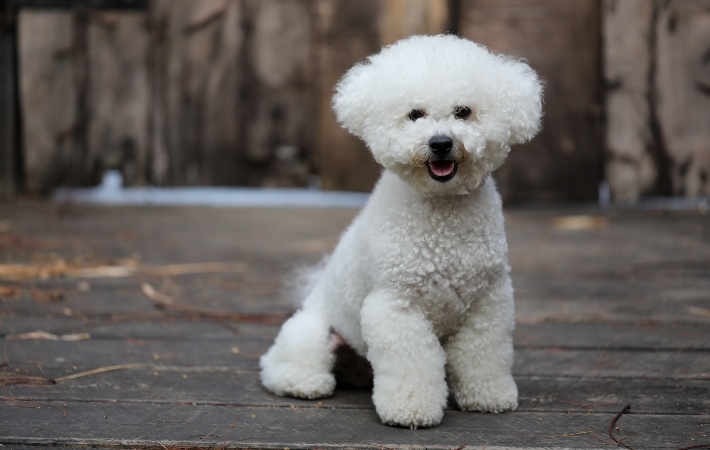
Some believe that smaller dog breeds, like Toy Poodles, produce less dander, but this isn’t universally true. It’s often about the individual dog’s grooming habits and overall health. Regular baths and grooming can minimize dander, making your environment more comfortable.
Do you think it’s worth the effort to manage these allergens for the joy of having a pet? With the right precautions, many find the companionship outweighs the challenges.
Credit: www.nylabone.com
Toy Poodles And Allergens
Toy poodles are often favored by allergy sufferers. These small dogs have a reputation for being hypoallergenic. But what does that truly mean? It refers to their potential to cause fewer allergic reactions. Let’s explore why toy poodles may be a suitable choice for those with allergies.
Shedding And Dander
Toy poodles have a curly, dense coat. They shed less than many other breeds. This low shedding means less dander is released into the air. Dander is a common allergen. It’s made up of tiny skin flakes. In toy poodles, the hair traps much of the dander. Regular grooming reduces dander significantly.
Saliva And Urine Considerations
Allergens are also present in saliva and urine. Toy poodles produce these allergens too. Cleaning toys and bedding reduces saliva exposure. Regular potty breaks keep urine allergens in check. Consistent hygiene helps manage allergy risks. It’s crucial for a comfortable living environment.
Managing Allergies With Toy Poodles
Managing allergies with Toy Poodles can be a game-changer for those who love dogs but struggle with allergic reactions. Although no breed is completely hypoallergenic, Toy Poodles are among the better options for allergy sufferers due to their unique coat. Their hair grows continuously, much like human hair, and they shed minimally, reducing the amount of allergens in your home. But how can you ensure that your experience with a Toy Poodle is as allergy-friendly as possible? Here are some practical tips to manage allergies effectively.
Regular Grooming
Routine grooming is essential for minimizing allergens. Schedule regular grooming sessions to keep your Toy Poodle’s coat clean and free from loose hair and dander. Many owners find that a weekly bath helps to reduce allergens significantly. Consider brushing your poodle daily to remove any loose hairs. This not only helps keep allergens at bay but also strengthens the bond between you and your furry friend.
Professional grooming every six to eight weeks can further ensure a well-maintained coat. If you notice any signs of irritation or excessive shedding, consult your groomer or veterinarian for tailored advice.
Home Environment Adjustments
Adjusting your home environment can make a significant difference in managing allergies. Start by investing in a high-quality air purifier to reduce airborne allergens. Regularly vacuum your floors and furniture, especially if your Toy Poodle loves lounging around the house.
Consider designating specific areas for your poodle to play and rest. This can help contain allergens to certain spots, making cleaning more manageable. Using washable covers for your furniture and bedding can also be beneficial. Are there any other adjustments you could make to enhance your environment for a more allergy-friendly living space?
Real Experiences Of Toy Poodle Owners
Toy Poodles are often celebrated for their hypoallergenic qualities. Many owners share stories about their experiences with this charming breed. Understanding real-life accounts can offer valuable insights, especially for those considering a Toy Poodle as a pet.
Testimonials
- Mary from Texas says her Toy Poodle, Max, transformed her life. She never thought she could have a dog due to allergies. Max’s coat is gentle on her skin, causing no reactions.
- John, a father of two, mentions that his kids love their Toy Poodle, Bella. The children have allergies but have no issues with Bella. She has become a beloved family member.
- Sarah, a college student, shares how her Toy Poodle, Daisy, has been a comforting presence. Daisy’s hypoallergenic coat makes living together easy. Sarah experiences no sneezing or itchy eyes.
Allergy Management Tips
- Regular grooming helps reduce allergens. Brush your Toy Poodle often.
- Use air purifiers in your home. They help minimize airborne allergens.
- Keep your Toy Poodle’s sleeping area clean. Wash bedding regularly.
- Consult a vet for allergy-friendly shampoos. These can help maintain a healthy coat.
- Consider dietary changes. Sometimes, adjusting the diet can improve coat health.
Medical And Expert Opinions
When considering a new furry friend, especially if you’re prone to allergies, understanding medical and expert opinions on whether Toy Poodles are hypoallergenic is crucial. While these adorable pups are often touted as hypoallergenic, it’s important to delve into what veterinarians and allergists have to say. Let’s explore their insights and recommendations to help you make an informed decision.
Veterinarian Insights
Veterinarians frequently get asked about hypoallergenic breeds, and Toy Poodles are often at the top of the list. According to vets, their curly coat traps dander, which can minimize allergen exposure. However, no dog is truly hypoallergenic.
A vet might suggest regular grooming to further reduce dander and hair shedding. Consistent grooming can significantly decrease the presence of allergens in your home. Have you ever considered how a simple grooming routine could make a difference in your allergy symptoms?
Allergist Recommendations
Allergists provide a more scientific perspective on pet allergies. They explain that allergies are caused by proteins found in a dog’s saliva, skin, and urine, not just their fur. Therefore, it’s essential to manage expectations when considering a pet like a Toy Poodle.
Allergists often recommend spending time with a Toy Poodle before bringing one home. This allows you to gauge your body’s reaction and determine if this breed is suitable for you. Could a trial period with a Toy Poodle be your next step in finding the perfect pet?
Incorporating these expert opinions into your decision-making process can help ensure a happy and healthy relationship with your potential new pet. Balancing your love for dogs with practical health considerations is key to a harmonious home environment. After all, who doesn’t want a loving pet without the sneezes and sniffles?
Final Thoughts On Toy Poodles
Toy Poodles are loved for their intelligence and charm. Their hypoallergenic nature is a bonus for allergy sufferers. These small dogs fit well in many homes, offering companionship without triggering allergies. Understanding their needs helps in making the right choice.
Balancing Love And Allergies
Living with allergies can be challenging. Toy Poodles offer a solution for many. Their hypoallergenic coat reduces allergic reactions. This makes them a favorite for sensitive individuals. Owning a Toy Poodle requires commitment. But the joy they bring outweighs the challenges.
Regular grooming helps maintain their coat. This prevents allergens from spreading in the home. Investing time in care ensures a happy and healthy pet. Consider your lifestyle and allergy level. It’s crucial in determining if a Toy Poodle is right for you.
Making Informed Decisions
Research is key before adopting any pet. Learn about Toy Poodles’ temperament and care needs. Understand the responsibility involved. Speak with breeders or rescue organizations. They provide valuable insights. Testing your allergies with exposure to the breed can help.
Consulting with a veterinarian can guide you. They offer advice on managing pet-related allergies. Make a list of pros and cons. This aids in making a thoughtful choice. Consider trial visits with Toy Poodles. This tests your allergy response effectively.

Credit: www.facebook.com
Frequently Asked Questions
What Does Hypoallergenic Mean For Dogs?
Hypoallergenic means a dog produces fewer allergens. Toy Poodles have hair, not fur, reducing shedding. This helps minimize dander, a common allergen. While no dog is completely hypoallergenic, Toy Poodles are often tolerated better by allergy sufferers.
Are Toy Poodles Suitable For Allergy Sufferers?
Toy Poodles are often suitable for allergy sufferers. Their curly hair traps allergens, reducing airborne particles. Regular grooming helps maintain their hypoallergenic qualities. However, individual reactions vary, so spending time with a Toy Poodle is advisable before committing.
How Do Toy Poodles Affect Allergies?
Toy Poodles produce fewer allergens due to their hair type. Their hair traps dander, reducing airborne allergens. Regular grooming helps manage this. While not completely hypoallergenic, they are better tolerated by many with allergies.
Can Toy Poodles Cause Allergic Reactions?
Yes, Toy Poodles can cause allergic reactions in sensitive individuals. Their hair reduces allergen spread, but dander still exists. Regular grooming and cleaning can help minimize reactions. It’s best to test your reaction before adopting.
Conclusion
Toy Poodles can be a good choice for allergy sufferers. They shed less, producing fewer allergens. Regular grooming helps reduce dander. Consider spending time with a Toy Poodle first. This helps test allergy reactions. Each person is different. So, experiences may vary.
Consult an allergist for personalized advice. Owning a Toy Poodle requires commitment. They need love and attention. But they bring joy and companionship. Think about your lifestyle and needs. A Toy Poodle may be your perfect pet. Enjoy the journey with your furry friend!