Can You Wash Plush Toys Safely? Expert Tips Inside!
Have you ever looked at your child’s beloved plush toy and wondered if it could use a good wash? Those adorable companions often become magnets for dirt and germs, especially after countless hours of play and comfort.
You might be hesitant to toss them into the wash, fearing they could lose their softness or shape. But here’s the thing—knowing how to safely wash plush toys can not only keep them looking fresh but also extend their lifespan.
Imagine your child’s joy when their favorite cuddly friend is clean and vibrant again! We’ll unravel the secrets of washing plush toys without causing damage, ensuring they remain snuggly companions for years to come. Are you ready to transform your plush toys and give them a new lease on life? Let’s dive in!

Credit: www.tiktok.com
Types Of Plush Toys
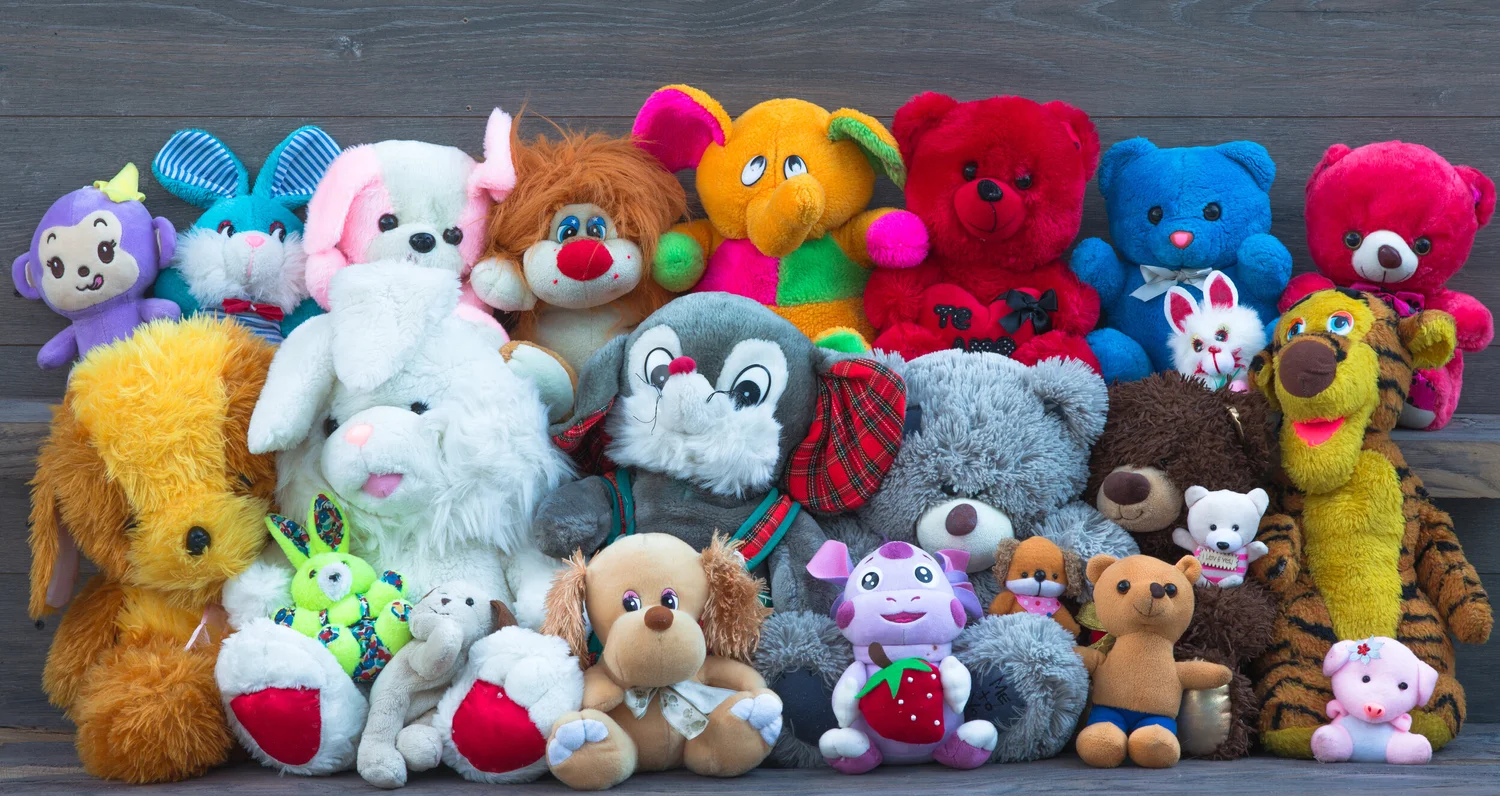
Plush toys come in a delightful array of types, each unique in its texture, feel, and care needs. Understanding the type of plush toy you have can help you determine the best washing method to keep it looking its best. Let’s delve into the world of plush toys and discover the different materials and stuffing variations that make them special.
Materials And Fabrics
The fabric of a plush toy is crucial to its feel and durability. You’ll find plush toys made from cotton, polyester, and fleece, each offering a distinct touch. Cotton plush toys are known for their softness and natural feel, but they may shrink if washed improperly.
Polyester and fleece toys, on the other hand, are more resilient and retain their shape well, even after multiple washes. However, they might hold onto stains more stubbornly. Understanding these nuances can help you choose the right cleaning approach. Have you ever washed a plush toy only to find it lost its softness? Knowing its fabric can prevent such mishaps.
Stuffing Variations
The stuffing inside plush toys varies greatly and influences how you should care for them. Some plush toys are filled with cotton or synthetic fibers, providing a soft, cuddly feel. These can usually be washed without much fuss.
Others might contain beans or pellets, adding weight and a unique texture. These toys require careful handling, as the stuffing can shift or clump during washing. Have you considered the stuffing when deciding to wash your plush toy? It’s an often overlooked detail that can make a significant difference.
Additionally, some plush toys feature electronic components or music boxes. These special additions mean you must avoid water altogether and opt for spot cleaning. By understanding the stuffing variations, you can ensure your plush toys remain as comforting as ever.

Credit: www.reddit.com
Pre-wash Preparations
Pre-wash preparations are essential to ensure your plush toys emerge from the cleaning process looking as good as new. Before you toss them in the wash, there are a few steps you should take to protect their fabric and features. These simple precautions can save you from the heartache of ruining a beloved stuffed friend.
Checking Care Labels
Start by inspecting the care labels on your plush toys. These labels often provide valuable information about the safest cleaning methods. They might suggest a specific temperature or even warn against machine washing altogether. If your favorite teddy doesn’t have a label, try to recall any advice from the packaging or manufacturer’s website. This small step can prevent irreversible damage.
Spot Cleaning Techniques
Sometimes, a plush toy only has a minor stain or dirt spot. In such cases, spot cleaning is your best bet. Use a damp cloth with mild soap to gently dab at the affected area. Be careful not to soak the fabric, as too much moisture can lead to unpleasant odors or mold growth. It’s like giving your plush a tiny spa treatment without the full wash.
Repairing Damages
Before washing, inspect your plush toys for any tears or loose threads. You wouldn’t want a small rip to turn into a major hole after washing. Take a needle and thread to patch up these little problems. A few minutes of repair work can prolong the life of your beloved toy. Plus, it’s a handy skill that might come in useful for other items around your home.
Machine Washing Tips
Washing plush toys in a machine can be safe. Use a gentle cycle with cold water for best results. Placing toys in a mesh laundry bag helps protect them during the wash.
Washing plush toys in a machine can save time and effort. It helps keep them fresh and clean. Follow these tips to ensure they remain in good condition.Choosing The Right Cycle
Select a gentle cycle for plush toys. This cycle reduces wear and tear. Avoid using hot water; it may damage the fabric. Cold water is ideal for preserving colors and textures.Using Gentle Detergents
Opt for mild detergents when washing plush toys. Harsh chemicals can fade colors. They might also irritate sensitive skin. Check labels for hypoallergenic options. These are safer for kids and pets.Protective Measures
Use a laundry bag for protection. It prevents toys from snagging or losing parts. Fasten zippers or buttons before washing. This reduces the risk of damage. If the toy has delicate parts, hand washing is better.
Credit: www.dailymail.co.uk
Hand Washing Techniques
Cleaning plush toys involves gentle hand washing techniques. Use mild soap and lukewarm water to preserve their softness. Ensure thorough rinsing to remove soap residue.
Washing plush toys can be a delicate task. These cuddly companions often require special care to maintain their softness and color. Hand washing is a gentle and effective method to clean these beloved items without causing damage.Best Practices
To start, fill a basin or sink with lukewarm water and add a mild detergent. Test the detergent on a small area of the toy to ensure it doesn’t cause discoloration. Gently submerge the plush toy and use your hands to softly agitate the water, focusing on any stained areas. Avoid excessive scrubbing, as this can ruin the fabric. Instead, use a soft cloth or sponge to gently blot stains. Rinse thoroughly with clean water to remove all soap residues, ensuring no detergent is left behind, as this could irritate sensitive skin.Drying Methods
After washing, gently squeeze out excess water without twisting or wringing the toy. Lay it flat on a clean towel and roll it up to absorb additional moisture. Replace the towel if it becomes too wet. Allow the toy to air dry completely, preferably in a well-ventilated area away from direct sunlight. You can speed up the drying process by placing a fan nearby. Would you consider using a hairdryer on a low setting to speed things up? Be cautious, as too much heat can damage the fabric and stuffing.Drying Plush Toys
Drying plush toys after washing ensures they stay fresh and fluffy. Air drying is gentle and prevents damage. Using a towel or hair dryer can speed up the process while maintaining the toy’s shape.
Drying plush toys properly ensures their longevity and fluffiness. After washing, drying plays a crucial role. It helps maintain the toy’s shape and softness. Let’s explore the best methods to dry plush toys safely.Air Drying Vs. Machine Drying
Air drying is gentle and preserves plush fibers. Lay the toy on a flat surface. Ensure it’s in a well-ventilated area. Avoid direct sunlight to prevent color fading. Flip the toy occasionally for even drying. Machine drying is faster but can be risky. Use a low heat setting. Place the toy in a pillowcase or laundry bag. This protects its delicate parts. Check the toy frequently to avoid overheating.Avoiding Heat Damage
Heat can ruin plush toys. High temperatures might melt synthetic fibers. It can also cause shrinkage. Always opt for low heat or air dry. Regularly check the toy during drying. This prevents heat-related damage. Keep your plush friends cuddly and safe. Proper drying techniques ensure they remain soft and huggable.Maintaining Plush Toys
Washing plush toys is possible and safe with gentle methods. Use mild detergent and lukewarm water for hand washing. Machine wash in a mesh bag on a delicate cycle to protect fabric and details.
Maintaining plush toys can feel like a daunting task, especially when they are beloved companions to your little ones or cherished collectibles. However, with a few simple practices, you can ensure these cuddly friends stay clean and in excellent condition. The goal is to keep them looking fresh without compromising their softness and charm.Regular Cleaning Schedule
Set up a routine to clean your plush toys regularly. Depending on the toy’s usage and exposure to dirt, a monthly wash might suffice. For toys constantly hugged and dragged around, you might want to increase the frequency. Spot cleaning can be your best friend for quick fixes between washes. Use a mild detergent and a damp cloth for small stains. Have you ever noticed a musty smell? That’s your cue for a more thorough cleaning. Always check the care label before washing, as some toys may only be surface washable.Storage Tips
Proper storage is key to maintaining your plush toys when not in use. Keep them in a dry place to prevent mold and mildew. Consider using a breathable storage bag or a shelf with open air circulation. This prevents them from getting squished or deformed. If space is an issue, vacuum-sealed bags can help save room, but use them sparingly to avoid compressing the stuffing long-term. Are you rotating toys to keep your child’s interest alive? Store the out-of-rotation toys in a way that they remain accessible, yet protected. Regularly changing their positions can also prevent dust accumulation.Common Mistakes
Washing plush toys might seem straightforward, but many fall into common pitfalls that can lead to damaged toys and frustrated parents. Knowing what not to do is just as important as knowing the correct steps. Let’s explore some of these common mistakes to ensure your child’s favorite cuddly toy comes out fresh and intact.
Overloading The Washer
It’s tempting to throw all the plush toys into the washer at once, especially when you’re trying to tackle laundry in a hurry. However, overloading can prevent toys from being cleaned properly. The toys need space to move around for effective cleaning.
Imagine trying to wash your clothes in a cramped space; they wouldn’t come out as fresh as you’d like. The same logic applies to plush toys. Aim to wash them in small batches for the best results.
Using Harsh Chemicals
Plush toys are often made of delicate materials that can be easily damaged by harsh chemicals. Using strong detergents might strip away the toy’s softness and color. Instead, opt for mild, hypoallergenic detergents that are gentle on fabrics.
Consider this: would you use a harsh chemical on your skin? Likely not. Treat your plush toys with the same care to keep them cuddly and vibrant. Have you ever noticed a faded toy after washing? This is a common outcome of using strong detergents.
Expert Recommendations
When it comes to washing plush toys, ensuring that your cherished companions remain clean and intact can be challenging. You might wonder about the best methods and when to take extra precautions. Expert recommendations can guide you in making informed decisions, ensuring your plush toys continue to bring joy without compromising their quality.
When To Seek Professional Cleaning
Not all plush toys are created equal, and some require more delicate handling. If your plush toy has intricate details, electronics, or is particularly large, it might be best to seek professional cleaning. Professionals have the right tools and expertise to clean your toys without causing damage.
Consider the value of the toy. If it’s a limited edition or holds sentimental value, professional cleaning can prevent any mishaps that a home wash might cause. You wouldn’t want a beloved toy to lose its charm because of a washing error.
Handling Vintage Toys
Vintage toys often come with unique challenges. Their materials can be fragile, and colors may fade easily. Handling them with care is crucial to preserve their integrity.
Before washing, check for any signs of wear or damage. Vintage toys might have stitching issues or fraying fabric that could worsen if not handled properly. Would you risk a precious heirloom for the sake of a quick clean?
Using gentle cleaning methods, like spot cleaning with a mild detergent, is often recommended. You can also use a soft brush to remove dust without applying too much pressure. Remember, the goal is to maintain the toy’s original look while ensuring it’s clean and safe for display.
Frequently Asked Questions
Can Plush Toys Be Machine Washed?
Yes, most plush toys can be machine washed. Use a gentle cycle with cold water to protect the fabric. Place the toy in a mesh laundry bag to prevent damage. Avoid using bleach or harsh detergents. Always check the care label for specific washing instructions.
What Detergent Is Safe For Plush Toys?
Choose a mild, hypoallergenic detergent for plush toys. Gentle formulas protect the fabric and reduce allergens. Avoid detergents with harsh chemicals or strong fragrances. A small amount is usually sufficient. Always rinse thoroughly to remove any residue.
How Do You Dry Plush Toys After Washing?
Air drying is best for plush toys. Lay them flat on a towel in a well-ventilated area. Avoid direct sunlight or heat sources. Use a fan to speed up drying. For quicker results, use a low-heat setting on a dryer, but check the care label first.
Are All Plush Toys Washable?
Not all plush toys are washable. Some may have delicate materials or electronic components that can be damaged by water. Check the care label or manufacturer’s instructions. If unsure, spot clean using a damp cloth and mild soap.
Conclusion
Washing plush toys can be simple and safe. Check the care label first. Some toys can go in the machine. Others need hand washing. Use mild detergent for best results. Dry them completely to prevent mold. Regular cleaning keeps toys fresh and safe for play.
A little effort goes a long way. Keep your child’s favorite plush clean and cozy. Enjoy those cuddle moments without worry. Clean toys mean happy kids. And happy parents too!