Do Fidget Toys Help ADHD: Boost Focus and Calmness
Imagine having a tool right at your fingertips that could help you focus better, ease your stress, and make your day a little brighter. If you or someone you know has ADHD, you might be searching for ways to manage symptoms more effectively.
This is where fidget toys come into play. But do they really work? You may have heard mixed reviews, leaving you curious but unsure. Dive into this article to discover whether these playful gadgets could be the key to enhancing concentration and calm in your life.
Let’s explore the science, the stories, and the strategies behind fidget toys and their potential impact on ADHD.
What Are Fidget Toys
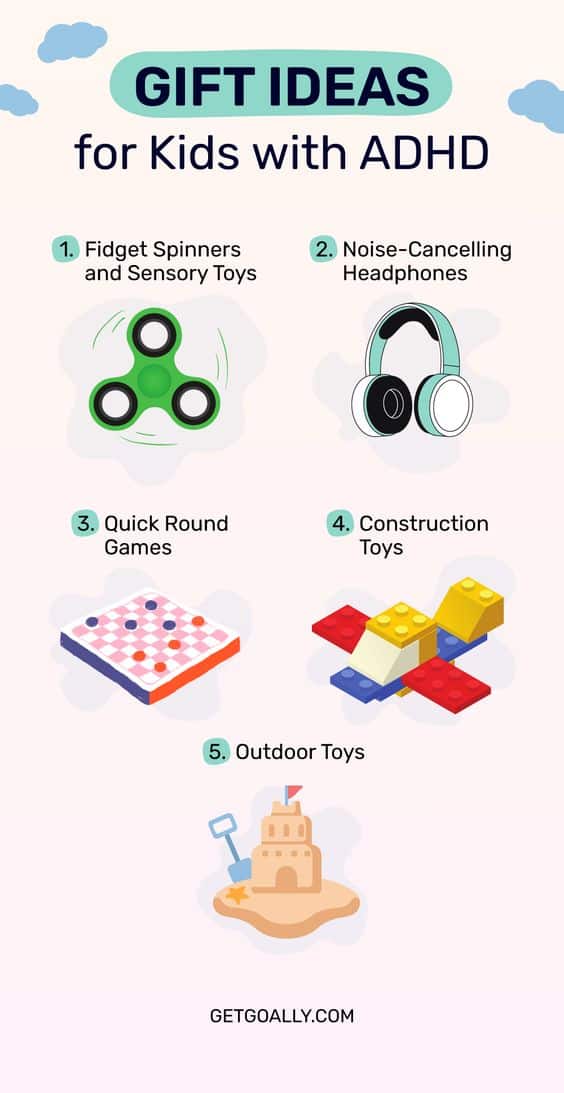
Fidget toys are small gadgets designed for hands-on activity. They may help individuals with ADHD by providing sensory stimulation, promoting focus, and reducing anxiety. These toys come in various forms, including spinners, cubes, and squishy balls, offering diverse tactile experiences.
Fidget toys have become a buzzword, especially among parents and educators looking for ways to help individuals with ADHD. But what exactly are these little gadgets? They are small, handheld devices designed to be fiddled with, helping to focus the mind by keeping the hands busy. These toys come in various shapes, sizes, and materials, offering a tactile experience meant to soothe or stimulate.What Are Fidget Toys?
Fidget toys are more than just a passing trend; they serve a functional purpose. From stress balls to fidget spinners, each toy offers a unique way to engage your hands. The goal is simple: provide a physical outlet for restlessness. Parents often notice that their child seems calmer with a fidget toy in hand. It’s as if having something to do physically helps them focus mentally. Whether it’s twisting, squeezing, or spinning, these toys allow for a subtle form of movement without being disruptive.Different Types Of Fidget Toys
- Fidget Spinners:These are perhaps the most iconic, consisting of a central bearing with three prongs that spin around it.
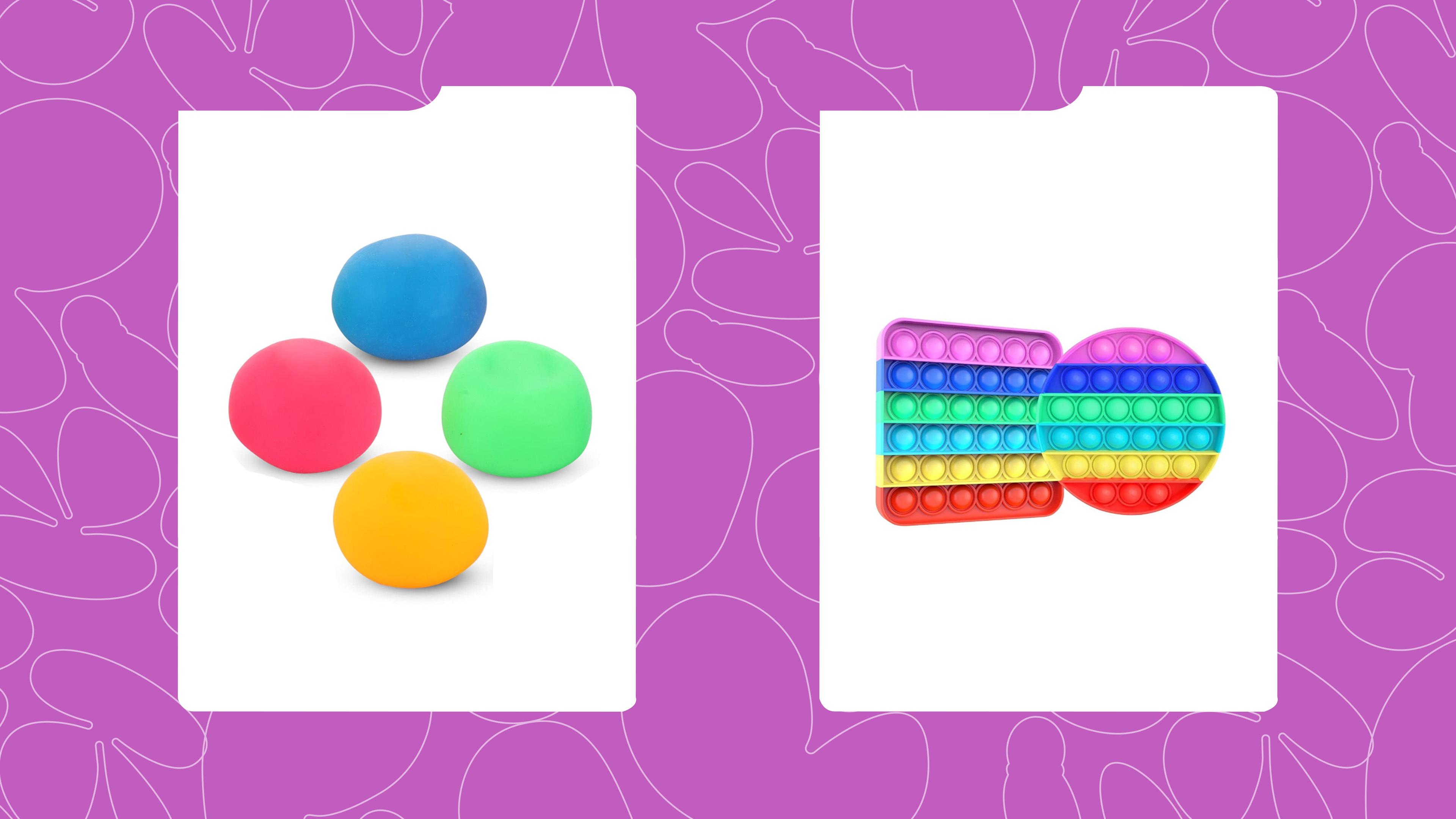
- Stress Balls:Soft and squeezable, stress balls can be a great way to release tension.
- Tangle Toys:Made of interconnected segments, these toys can be twisted and turned.
- Putty and Slime:Malleable and fun to manipulate, these can be particularly soothing.
How Do They Help With Adhd?
The theory behind fidget toys is simple: they provide a way to channel excess energy. For someone with ADHD, sitting still can be a challenge. Fidget toys offer a quiet form of movement, which can help improve concentration. You may wonder if something so simple can truly make a difference. Anecdotal evidence from many parents and teachers suggests it can. When I introduced a tangle toy to my niece, who struggles with ADHD, her teachers noted an improvement in her ability to focus during class. Engaging with these toys might seem trivial, but the impact can be significant. Have you ever tried using a fidget toy yourself? You might be surprised at how such a small device can make a big difference in your concentration and stress levels.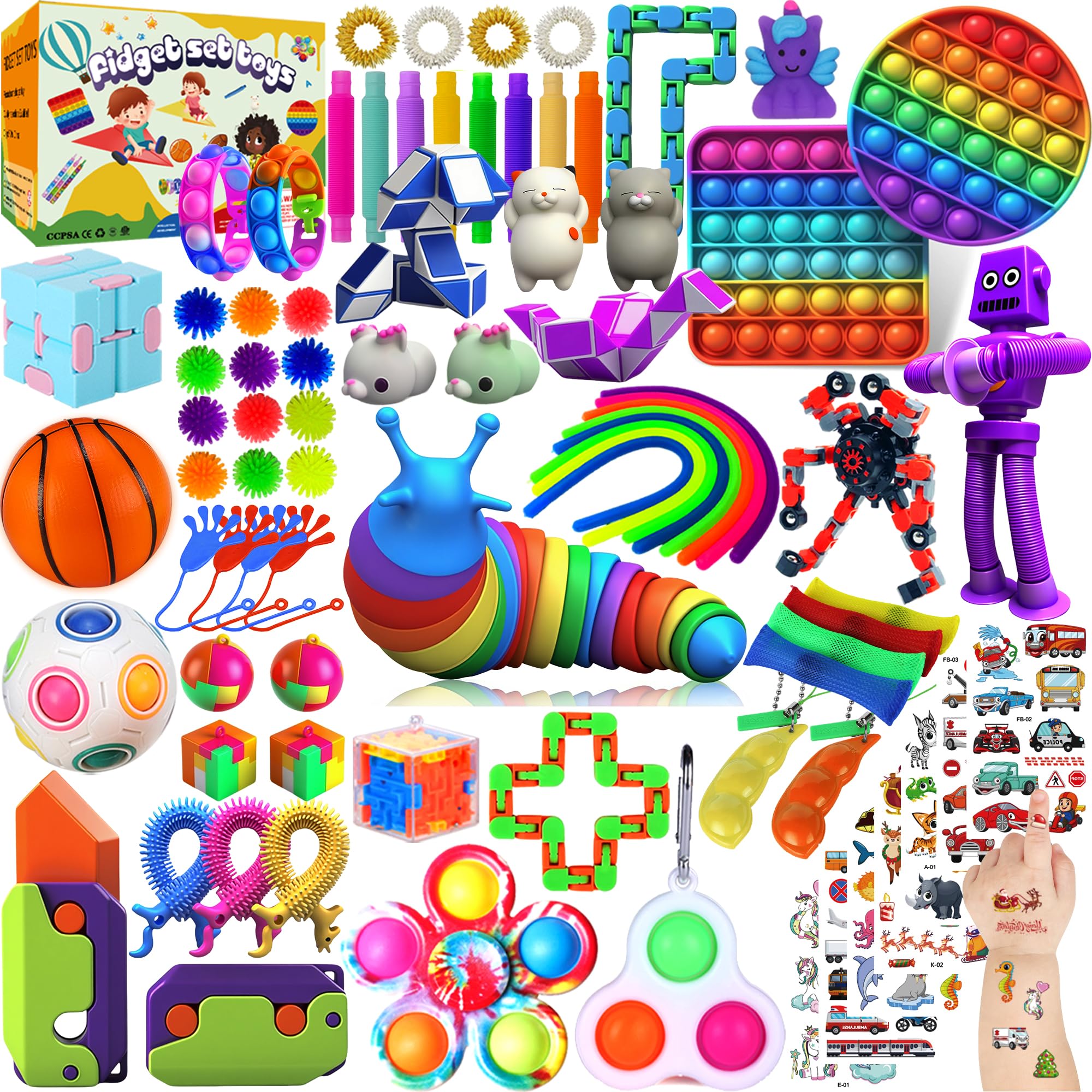
Credit: www.amazon.com
Types Of Fidget Toys
Fidget toys have become popular tools for managing ADHD symptoms. They offer tactile engagement that helps improve focus and reduce stress. Different types of fidget toys cater to varied needs and preferences.
Spinners
Spinners are small, handheld devices that rotate smoothly. They provide a calming effect through repetitive motion. Spinners are discreet and easy to carry. Many find their rhythmic movement soothing.
Cubes
Fidget cubes are compact devices with multiple functions. Each side offers a different activity like clicking, spinning, or rolling. These cubes engage the hands and mind. They are versatile and fun.
Putty And Slime
Putty and slime are malleable materials that users can stretch and mold. They offer sensory stimulation through touch. These toys help in grounding and reducing anxiety. Their texture invites creative play.
Stress Balls
Stress balls are soft, squeezable balls that relieve tension. They strengthen hand muscles and improve dexterity. Stress balls can be squeezed repeatedly. Their simple design makes them popular.
Tangle Toys
Tangle toys are twistable, interconnected pieces. They encourage exploration through twisting and turning. Tangle toys promote finger movement and coordination. They are visually engaging and colorful.
Adhd And Its Challenges
ADHD, or Attention Deficit Hyperactivity Disorder, presents unique challenges for individuals. These challenges impact both children and adults. Managing ADHD often involves understanding its symptoms and effects on daily life. This understanding can lead to effective coping strategies and tools.
Symptoms Of Adhd
ADHD symptoms vary among individuals. Common signs include inattentiveness, hyperactivity, and impulsivity. Inattention manifests as difficulty focusing on tasks. Hyperactivity leads to excessive movement and restlessness. Impulsivity results in hasty actions without thinking.
Impact On Daily Life
ADHD can disrupt everyday activities. School and work performance may suffer. Individuals might struggle with organization and completing tasks. Social interactions can become challenging. Miscommunication and misunderstandings often occur.
Managing these impacts requires patience and support. Strategies like using fidget toys can help. These tools offer a simple way to channel energy and improve focus. Understanding ADHD challenges is key to finding solutions that work.
Credit: www.pulse.ng
How Fidget Toys Aid Focus
Many people with ADHD find it difficult to focus. Fidget toys can be helpful. These toys offer a tactile experience that engages the senses. By providing a physical outlet, they help maintain attention. They are small and portable, making them accessible in any situation. Let’s explore how fidget toys aid focus.
Stimulating The Brain
Fidget toys activate multiple senses at once. This multisensory stimulation can help keep the brain alert. The hands keep busy, reducing excess energy. This can help the mind stay focused on tasks. A busy mind often wanders, but fidgeting keeps it grounded. The simple action of touching, squeezing, or spinning occupies the brain. This keeps distractions at bay, fostering concentration.
Enhancing Concentration
Fidget toys can improve concentration in a subtle way. They offer a rhythmic movement that can be soothing. This rhythm helps calm the mind and increase focus. The repetitive motion aids in maintaining attention. It provides a sense of control, which helps stabilize thoughts. Fidgeting can reduce anxiety and stress, which can improve focus. The tactile feedback can act as a mental anchor, aiding concentration.
Calming Effects Of Fidget Toys
Fidget toys have gained popularity as a potential aid for individuals with ADHD, offering calming effects that can make a difference in daily life. These small, often colorful gadgets are designed to keep hands busy, helping to redirect attention and reduce symptoms associated with ADHD. But how exactly do these toys work to create a calming effect?
Reducing Anxiety
Anxiety can be a frequent companion for those with ADHD. Fidget toys can provide a simple yet effective outlet for nervous energy. By engaging your hands in repetitive, soothing motions, these toys can help redirect your focus away from anxious thoughts. Imagine the relief of feeling your mind quiet down, even if just for a moment, while you spin a fidget spinner or squeeze a stress ball.
Have you ever noticed how doodling or tapping your fingers can help during tense moments? Fidget toys work in a similar way, offering a physical means to channel anxiety. They can provide a sense of control, as you manage the toy’s movements and textures, bringing a calming influence during stressful times.
Managing Stress
Stress is another common challenge for those with ADHD, often exacerbated by the demands of school, work, or social interactions. Fidget toys can be a practical tool in managing this stress. Their tactile nature can create a distraction, allowing your brain a momentary break from overwhelming tasks.
Consider a scenario where you’re feeling the pressure of a looming deadline. Having a fidget toy at hand might just be the secret weapon you need. By focusing on the toy’s movements, you may find your stress levels decreasing, enabling you to tackle tasks with a clearer mind. Could a simple spinner or cube be the key to unlocking your productivity?
Scientific Research On Fidget Toys
Scientific research explores how fidget toys affect ADHD symptoms. These toys may help improve focus and reduce restlessness. Studies suggest they can provide a simple tool for managing attention challenges.
Scientific Research on Fidget Toys In recent years, fidget toys have gained popularity as tools to help manage ADHD symptoms. But what does science say about their effectiveness? You may be surprised by the insights from various studies and expert opinions.Study Findings
Research on fidget toys and ADHD is still evolving, yet some studies offer promising insights. A study published in the “Journal of Attention Disorders” found that fidgeting can indeed help some individuals with ADHD maintain focus. Participants who used fidget toys showed improved attention spans during tasks that required concentration. However, not all research is conclusive. Some studies suggest that while fidget toys may aid focus in certain tasks, they don’t universally improve performance in all scenarios. It raises an interesting question: Could the effectiveness of fidget toys depend on the individual and the specific task at hand?Expert Opinions
Many experts in the field of psychology and education have weighed in on the use of fidget toys for ADHD. Dr. John Ratey, a clinical professor of psychiatry, believes that physical movement, even small, can enhance cognitive function. He suggests that fidget toys might serve as an outlet for the excess energy often seen in ADHD. On the other hand, some educators caution against relying solely on fidget toys. They emphasize the importance of a holistic approach, including behavioral strategies and environmental adjustments. This perspective encourages you to consider fidget toys as one tool in a broader toolkit for managing ADHD symptoms. So, what does this mean for you or your child? It might be worth experimenting with fidget toys while also integrating other supportive strategies to see what combination works best. Remember, understanding how you or your child responds to different interventions can be key to effectively managing ADHD.Practical Tips For Using Fidget Toys
Fidget toys can be helpful for managing ADHD. Their use can boost focus and calmness. But, they need to be used properly. Here are practical tips to make the most of fidget toys. These tips can help in choosing the right toy and integrating it into daily routines.
Choosing The Right Toy
Not all fidget toys are the same. Some are better for certain needs. Consider the child’s preferences and sensory needs. Soft toys might suit those who like gentle textures. Spinners might be better for those who need more movement. Test different types to find the best match. Also, consider the toy’s size and portability. A toy that fits in a pocket is great for on-the-go use.
Integrating Into Routine
Consistency is key. Use fidget toys during study time or homework. This helps associate the toy with focus tasks. Introduce the toy slowly into other parts of the day. For example, use it while watching TV or during car rides. Set specific times when the child can use the toy. This prevents over-reliance on it. Ensure the toy does not distract from the main activity. If it does, try using it in breaks.

Credit: www.sensorytoywarehouse.com
Potential Drawbacks
Fidget toys have gained popularity as tools to aid focus and manage ADHD symptoms. However, while they offer benefits, there are potential drawbacks to consider. It’s essential to weigh these against the advantages to determine their effectiveness for your needs.
Distraction Risks
Fidget toys can sometimes become more of a distraction than a helpful tool. Imagine you’re in a meeting, and your attention shifts from the discussion to the mesmerizing spinning of a fidget spinner. This might lead to missing crucial points. Ask yourself: Are these toys enhancing your focus, or are they pulling your attention away from what truly matters?
Overreliance Concerns
Another consideration is the risk of becoming overly reliant on fidget toys. If you find yourself unable to concentrate without one, it might indicate a dependency. You might start feeling anxious if you don’t have your trusty gadget during a crucial test or presentation. Could this reliance limit your ability to develop other focus-enhancing strategies?
Personal Stories
Personal stories provide a unique insight into the impact of fidget toys on ADHD. These narratives shed light on real experiences, offering a window into their daily challenges and triumphs.
Parents’ Perspectives
Many parents have found fidget toys to be helpful. They notice improvements in their child’s focus. One mother shared how her son’s grades improved. The toys kept his hands busy, reducing distractions. Another parent mentioned a calmer household atmosphere. These toys seem to soothe her child, making family time more enjoyable. Listening to these stories offers hope for other parents.
Teachers’ Experiences
Teachers also observe positive changes in students using fidget toys. A third-grade teacher noticed increased participation in class. Students became more engaged when holding a toy. Another teacher shared a story about a student who couldn’t sit still. With a fidget spinner, his concentration improved. Such experiences highlight the potential of fidget toys in education. Teachers find them valuable tools for managing attention. These stories inspire educators to consider new strategies.
Alternative Strategies
Fidget toys have gained popularity as a tool for managing ADHD symptoms, but they are not the only option available. Exploring alternative strategies can provide a well-rounded approach to managing ADHD effectively. Let’s delve into two powerful strategies that can complement the use of fidget toys: behavioral therapies and lifestyle modifications.
Behavioral Therapies
Behavioral therapies offer structured ways to address ADHD symptoms. You might wonder how these therapies can impact daily life. They focus on changing negative patterns and reinforcing positive behaviors. Techniques such as Cognitive Behavioral Therapy (CBT) help in recognizing and altering thought patterns that lead to impulsive actions.
Imagine having tools at your disposal to improve focus and reduce impulsivity. Therapists often work with individuals to set goals, track progress, and develop problem-solving skills. This hands-on approach can create lasting changes. Have you ever tried setting small, achievable goals to boost motivation? It’s all about creating a roadmap to success.
Lifestyle Modifications
Simple changes in daily routines can make a significant difference in managing ADHD. Consider tweaking your environment to minimize distractions. Organized spaces and structured routines can enhance focus and productivity. What does your workspace look like? A clutter-free area can reduce stress and boost concentration.
Incorporating physical activity is another impactful modification. Regular exercise helps in reducing hyperactivity and improving mood. Even a short walk can refresh your mind and improve attention. Have you noticed how a quick stretch can invigorate you? It’s all about creating balance in your lifestyle.
Diet also plays a crucial role. A balanced intake of nutrients can improve brain function and stabilize mood swings. Opt for whole foods over processed ones and notice the difference in energy levels. How does your diet influence your daily performance? Small changes can lead to big improvements.
These alternative strategies, alongside fidget toys, create a comprehensive approach to managing ADHD. By integrating behavioral therapies and lifestyle modifications, you empower yourself to tackle ADHD symptoms effectively. What’s your strategy for managing ADHD? Consider experimenting with these approaches to find what works best for you.
Frequently Asked Questions
What Are Fidget Toys For Adhd?
Fidget toys are small, handheld objects designed to improve focus and concentration. They help manage restlessness and anxiety. For individuals with ADHD, these toys provide a tactile distraction. This can enhance attention and productivity. They’re widely used in classrooms and workplaces to support focus.
How Do Fidget Toys Benefit Adhd Symptoms?
Fidget toys can improve focus and reduce restlessness in individuals with ADHD. They offer a physical outlet for excess energy. This helps in calming the mind and enhancing concentration. By providing sensory stimulation, these toys support better cognitive function and emotional regulation.
Are Fidget Toys Scientifically Proven To Help Adhd?
Scientific studies suggest that fidget toys can aid in improving attention and focus. They provide sensory input that can be beneficial for individuals with ADHD. While not a cure, they are a helpful tool in managing symptoms. Research supports their use as part of a broader treatment plan.
Which Fidget Toys Are Best For Adhd?
Popular fidget toys for ADHD include stress balls, spinners, and cubes. These toys offer various tactile experiences to help with focus. Choosing the right toy depends on personal preference and specific needs. It’s important to find a toy that provides the right level of sensory input.
Conclusion
Fidget toys can support focus for some with ADHD. They offer a simple tool to manage restless energy. Not everyone will find them effective. Every person is unique. It’s important to try different strategies. See what works best for you.
Consult with professionals for tailored advice. Fidget toys are not a cure. But they may provide relief. Explore options and stay informed. ADHD management requires patience and understanding. Balance is key in daily life. Keep experimenting and learning. You’re not alone on this journey.