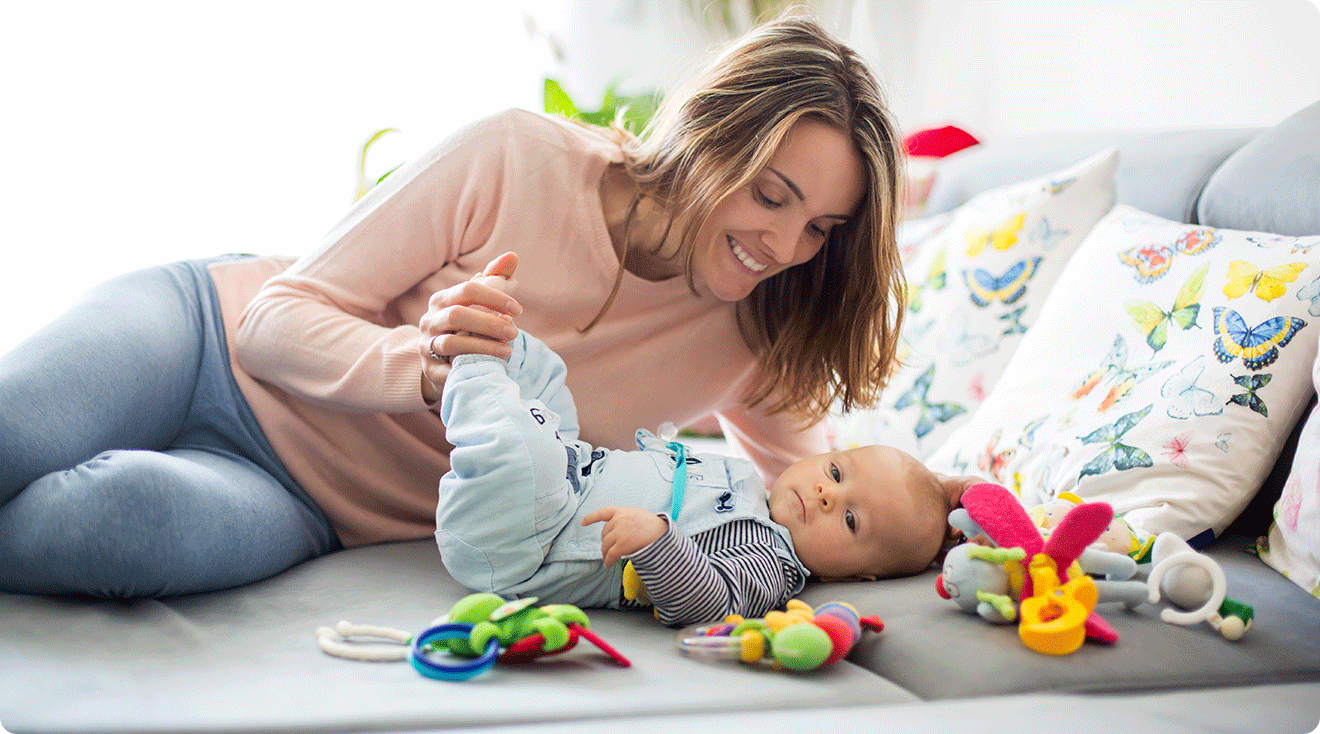
Do Infants Need Toys: Essential Development Insights
You’re holding your little one, gazing into those curious eyes, and a question pops into your mind: do infants really need toys? It’s a common wonder among parents, and you’re not alone in asking.
Every parent wants the best for their child, and understanding what truly benefits them is key. Imagine this: toys can do more than just keep your baby entertained. They can be powerful tools for development and growth. But how do you choose the right ones?
And, are all toys equally beneficial? You might be surprised at the answers. We’ll uncover the truth about toys for infants. You’ll learn how the right toys can spark joy and curiosity in your baby, and how they can play a pivotal role in their early development. Ready to discover how toys can make a difference in your baby’s world? Let’s dive in.

Credit: www.thebump.com
Importance Of Play In Infant Development
Toys play a crucial role in infant development, aiding sensory exploration and motor skill enhancement. Soft toys and colorful objects stimulate curiosity, encouraging cognitive growth and emotional bonding.
The early stages of an infant’s life are a whirlwind of discovery and growth. Play, though seemingly simple, plays a significant role in this development. It is through play that infants begin to understand the world around them, build essential motor skills, and engage their ever-curious minds.The Role Of Play In Cognitive Development
Play is not just about fun and games; it is a crucial aspect of cognitive development. Through play, infants learn to recognize shapes, colors, and patterns. Simple toys like stacking blocks or colorful rattles can stimulate a child’s mind, helping them develop problem-solving skills and hand-eye coordination.Building Emotional And Social Skills
Playing with toys can also foster emotional and social growth. When infants engage with toys, they start to express themselves, experiencing joy, frustration, or curiosity. These interactions can help them understand and manage their emotions better. Sharing toys or playing with others can also teach valuable lessons about cooperation and empathy.Enhancing Physical Development
Physical development is another vital area where play is indispensable. Toys that encourage crawling, reaching, or grasping can strengthen muscles and improve physical coordination. Activities like these are critical for developing motor skills, setting a foundation for walking, running, and other physical activities later in life.Encouraging Creativity And Imagination
Playtime is an opportunity for infants to unleash their creativity and imagination. Simple toys like dolls or building blocks can lead to imaginative play, where children create stories and scenarios. This kind of play encourages creative thinking and problem-solving, skills that will benefit them throughout their lives.Choosing The Right Toys For Development
Selecting the right toys for your infant can make a significant difference in their development. Look for toys that are safe, engaging, and appropriate for their age. Consider toys that stimulate multiple senses or those that encourage movement and exploration. Are you providing your infant with the right tools for growth? Remember, the goal is to support their natural curiosity and desire to learn about the world.Toys And Sensory Exploration
Infants are naturally curious. Their world is full of new sights and sounds. Toys play a vital role in this exploration. They offer sensory experiences that aid development. Infants learn about textures, colors, and sounds through play. Toys can stimulate a baby’s senses and encourage discovery.
The Role Of Textures In Infant Toys
Textures intrigue infants. They love feeling different surfaces. Soft toys provide comfort. Rough toys stimulate curiosity. Each texture offers unique sensations. These sensations help infants understand their environment.
Colors And Visual Stimulation
Bright colors attract infants. They are drawn to vibrant hues. Toys with contrasting colors capture attention. Colors can enhance visual development. They help infants recognize patterns and shapes. Colorful toys make learning fun.
Sounds And Auditory Development
Sound is crucial for infants. Toys with bells or rattles engage hearing. These sounds help infants focus. Auditory toys promote listening skills. They encourage interaction and response. Sounds make playtime exciting.
The Importance Of Safe Materials
Safety is essential for infant toys. Toys should be non-toxic. They must be free from sharp edges. Safe materials protect infants from harm. Parents must ensure toys are appropriate. Safe toys build trust and confidence.
Encouraging Motor Skills Through Play
Toys can enhance motor skills. Grasping toys improves hand-eye coordination. Pushing toys develops strength. These activities aid muscle growth. Toys that move or roll motivate infants to crawl. Motor skills are vital for growth.
Interactive Toys For Cognitive Growth
Interactive toys challenge infants. They stimulate thinking and problem-solving. Toys with buttons or levers engage curiosity. Infants learn cause and effect. Cognitive growth strengthens through interactive play.
Types Of Toys For Cognitive Growth
As a parent, you might wonder how toys can contribute to your infant’s cognitive development. Toys are not just sources of entertainment; they play a vital role in helping your child learn and grow. Different types of toys can stimulate your baby’s brain in unique ways, leading to improved problem-solving skills, creativity, and understanding. So, which toys should you consider for boosting your child’s cognitive growth?
Interactive Toys
Interactive toys are a fantastic way to engage your infant’s senses and motor skills. Think about toys that respond to touch or make sounds when squeezed. These toys encourage your baby to explore cause and effect, aiding their understanding of the world around them. A simple toy like a musical rattle can turn playtime into a learning adventure.
Consider toys with bright colors and varied textures. These features captivate your baby’s attention and stimulate visual and tactile senses. As your baby reaches out to grab or press these toys, they develop hand-eye coordination, laying the groundwork for future learning.
Educational Toys
Educational toys are designed to introduce concepts like shapes, numbers, and letters in a playful manner. Shape sorters and stacking blocks can teach your child about spatial awareness and logic. These toys encourage problem-solving as your baby learns to fit different pieces together.
Books with colorful images and simple text can also fall under this category. Reading to your infant helps with language acquisition and comprehension. As you point to pictures and name objects, your baby starts to associate words with their meanings, building vocabulary early on.
How do you decide which toys suit your child’s developmental stage? Observing your baby’s interests and abilities can guide you in selecting toys that challenge yet engage them. Remember, the best toy is one that sparks curiosity and joy in your little one.
Motor Skills And Physical Activity
Motor skills and physical activity are crucial for an infant’s growth. Early development sets the foundation for lifelong health and well-being. Toys play a vital role in encouraging these skills. They offer fun ways to explore and interact with the world. Let’s delve into how toys contribute to physical development and movement.
Role Of Toys In Physical Development
Toys aid in strengthening muscles and coordination. Simple toys like rattles improve hand-eye coordination. Soft balls encourage grasping and throwing. Building blocks enhance precision and control. These activities boost fine motor skills, essential for tasks like writing.
Push toys promote walking and balance. They motivate infants to take steps, supporting gross motor skills. Activity gyms offer varied textures and shapes. They inspire crawling, reaching, and rolling. These movements are key for physical growth.
Encouraging Movement With Toys
Toys encourage infants to move and explore. Rolling toys spark curiosity and chase instincts. Musical toys inspire dancing and rhythm. These help develop coordination and timing. Toys with sounds and lights draw attention, promoting active engagement.
Interactive toys with buttons and levers teach cause and effect. They motivate exploration and learning. Outdoor toys like balls and ride-ons offer fresh air and space. These toys enhance physical health and stamina. Movement is essential for healthy growth. Toys make it enjoyable and rewarding.
Social And Emotional Development
Infants experience rapid social and emotional growth. Toys play a vital role in this development. Through play, infants learn to interact with others and express their feelings. Toys encourage exploration and imagination, aiding emotional understanding. As they play, they learn empathy and communication. Toys can be tools for expressing emotions and understanding social cues.
Toys For Social Interaction
Toys that promote social interaction are essential for infants. Dolls and action figures encourage role-playing and storytelling. This helps infants understand relationships and social dynamics. Playsets allow them to mimic real-life scenarios. Sharing toys with peers teaches cooperation and turn-taking. Infants learn the value of teamwork and friendship through play.
Emotional Expression Through Play
Emotional expression is crucial for infants. Toys provide a safe outlet for feelings. Soft toys offer comfort and security during play. Building blocks help express creativity and frustration. Puzzle toys teach patience and problem-solving. Infants learn to manage emotions through playful activities. They develop resilience and confidence, essential for growth.

Credit: www.thebump.com
Safety And Age-appropriate Toys
Infants benefit from toys that stimulate their senses and encourage development. Soft, colorful toys grab their attention and help explore touch, sound, and sight. Ensuring toys are safe and age-appropriate is crucial for infant’s well-being and growth.
Choosing the right toys for your infant is more than just about fun and games. It’s about ensuring their safety and supporting their development with age-appropriate options. As a parent, you might wonder if toys are necessary for your baby, and if so, how to choose the best ones. Let’s dive into the essentials of selecting toys that are not only safe but also suitable for your infant’s age.Choosing Safe Toys
Safety should be your top priority when selecting toys for your baby. Always check for sharp edges or small parts that could be a choking hazard. Look for toys labeled as non-toxic, especially if they are likely to end up in your baby’s mouth. Ensure the toy is durable and well-constructed. You don’t want it breaking apart with rough handling. Consider toys that are easy to clean, as infants explore the world through their mouths, and hygiene is crucial.Age Guidelines For Toys
Different toys cater to different stages of development. For newborns, toys that stimulate sight and sound, like high-contrast mobiles or soft rattles, are ideal. As babies grow, they benefit from toys that encourage motor skills, such as stacking cups or soft blocks. By the time your baby reaches six months, they might enjoy toys that involve cause and effect, like simple musical instruments. Always check the age recommendation on toy labels to ensure they are suitable for your infant’s current stage. Choosing the right toy might seem trivial, but it plays a significant role in your child’s growth and safety. What toys have you found to be a hit with your little one, and how did you ensure they were safe and appropriate?Minimalism Vs. Abundance In Toy Selection
Choosing toys for infants involves a delicate balance. Minimalism and abundance are two approaches. Some parents prefer fewer toys. Others fill every corner with playthings. Each choice has its impact on a child’s development.
Benefits Of Fewer Toys
Fewer toys can spark creativity. Children invent new games with limited options. They learn to share and cooperate with siblings. Minimalism encourages focus. Kids spend more time on one activity. This enhances concentration and patience.
Minimalist toy selection reduces clutter. A tidy space calms the mind. It allows children to engage deeply in play. Parents also benefit. Fewer toys mean less cleaning. It simplifies daily routines.
Impact Of Too Many Toys
Too many toys can overwhelm a child. They may flit from one toy to another. This hampers focus and attention span. An abundance of toys can breed discontent. Children may always want more. It sets unrealistic expectations.
Cluttered play areas can cause stress. It becomes difficult to find specific toys. This can lead to frustration. Parents may feel overwhelmed managing the mess. A crowded environment can hinder relaxation and peaceful play.
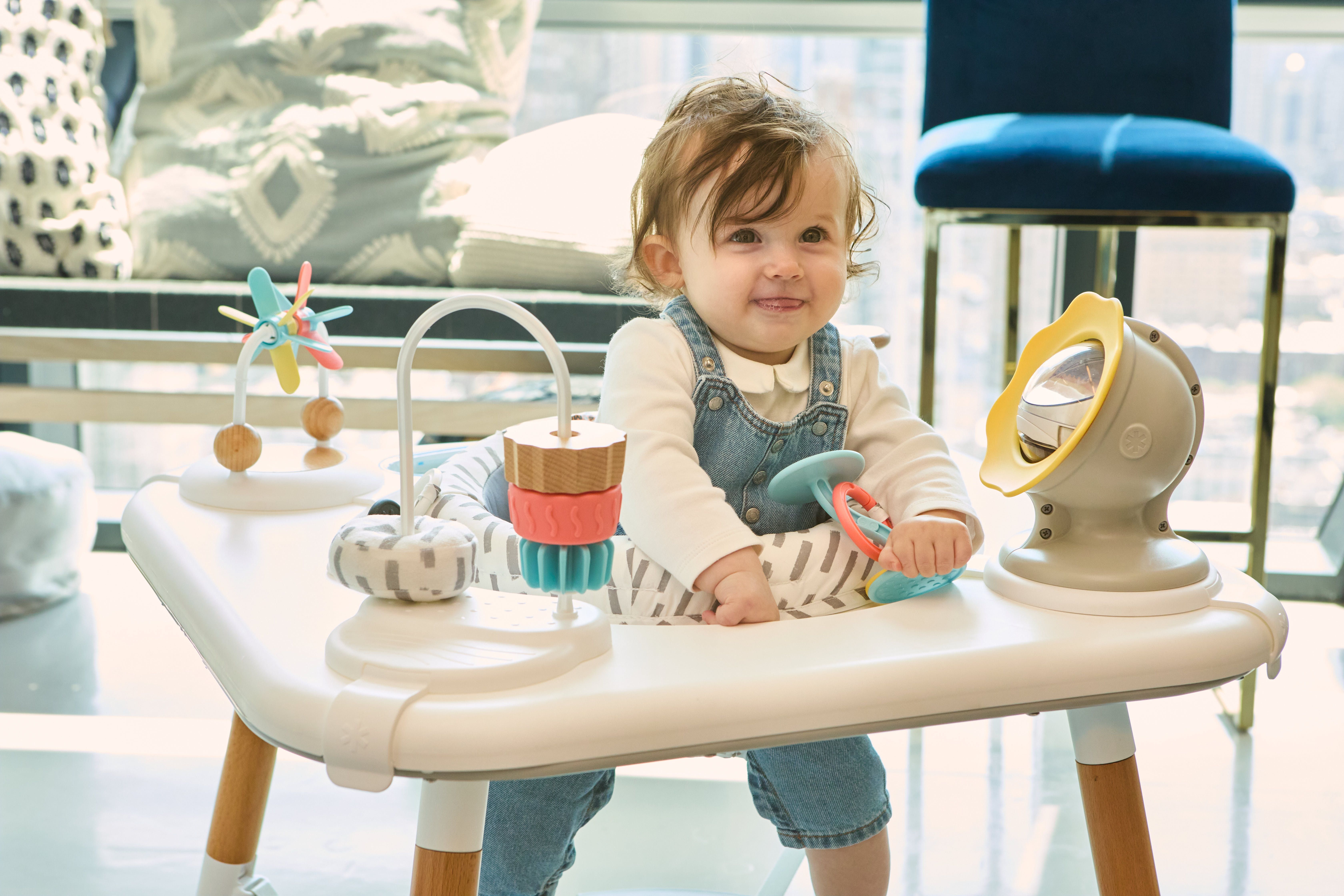
Credit: www.goodhousekeeping.com
Parental Involvement In Play
Exploring toys can be beneficial for infants, offering stimulation and fostering curiosity. Parental involvement enhances playtime, promoting learning and emotional bonding. Simple objects like blocks or soft toys can spark imagination and support development, even in the early stages.
Parental involvement in play is crucial for an infant’s development. While toys can be beneficial, they are not the sole source of engagement. Your interaction, guidance, and presence can enrich playtime, making it a more meaningful experience for your child. Connecting through play fosters emotional bonds and encourages learning.Guided Play
Guided play involves you leading your infant through activities that stimulate their imagination and curiosity. It’s not about dictating every move, but rather offering subtle directions that encourage exploration. For instance, try holding a toy and showing your baby different ways to interact with it. You might discover that your guidance can spark new ideas and excitement. Consider introducing sensory play, like water or sand. You can guide your baby by demonstrating how to touch and feel different textures. This not only enhances tactile skills but also strengthens your bond. The key is to be present, offer suggestions, and observe how your baby responds.Balancing Independence And Interaction
Striking a balance between letting your baby play independently and interacting with them is essential. While it’s important for infants to explore on their own, your participation can add depth to their play. Are you giving them enough space to try new things, yet stepping in when they need encouragement? Imagine watching your baby play with blocks. Let them stack a few by themselves, then join in to show how to build a tower. This approach allows them to learn and grow while benefiting from your involvement. It’s a dance between letting go and stepping in, ensuring that your child feels both supported and free to explore. Encourage moments where your baby can play solo. This builds confidence and problem-solving skills. When you notice them struggling, offer help or a new idea. This way, you foster independence while staying engaged in their development.Frequently Asked Questions
Why Do Infants Need Toys?
Infants benefit from toys as they stimulate sensory development. Toys help with motor skills and cognitive growth. They encourage exploration, creativity, and problem-solving. Playing with toys can also promote emotional and social development by teaching infants about interaction and sharing.
It’s essential to choose age-appropriate toys for safety and maximum benefit.
What Toys Are Best For Infants?
Soft, colorful toys are ideal for infants. They should be easy to grasp and safe to chew. Toys like rattles, cloth books, and teething rings are great choices. These toys help stimulate sensory development. Ensure toys are free of small parts to prevent choking hazards.
Can Toys Aid Infant Development?
Yes, toys play a vital role in infant development. They promote motor skills and cognitive growth. Toys encourage sensory exploration and help infants understand their environment. Interaction with toys can also foster emotional and social skills. Choosing age-appropriate toys is crucial for safety and effective development.
Are Educational Toys Necessary For Infants?
Educational toys can be beneficial for infants. They stimulate sensory and cognitive development. Toys that encourage interaction can promote social skills. It’s important to select toys that are age-appropriate and safe. While not essential, educational toys can enhance learning experiences for infants.
Conclusion
Toys play a vital role in an infant’s development. They aid learning and growth. Sensory toys stimulate curiosity and exploration. Social skills improve through playtime interactions. Safe, simple toys encourage creativity and imagination. Parents should choose age-appropriate options. Observe how your child engages with toys.
It reveals preferences and interests. Balance is key; limit screen time. Encourage active, hands-on play. It nurtures physical and mental growth. Toys are not just entertainment; they’re educational tools. Investing in quality toys benefits your child’s development. Remember, play is a child’s work.
Choose wisely for their future.


