Do you have a playful kitten at home? Those tiny furballs are full of energy and curiosity.
But did you know they also go through a teething phase just like human babies? This might be news to many, and it raises an important question: do kittens need teething toys? Imagine your adorable kitten, chewing on your favorite shoes or gnawing at the furniture legs.
It’s not just a mischievous act; it’s their natural way of soothing those sore gums. But, without the right tools, their comfort might come at the expense of your belongings. We will explore why teething toys can be a lifesaver for both you and your kitten. We’ll dive into how these toys can help ease your kitten’s discomfort, save your cherished items, and even contribute to their overall development. Stick around to discover how a simple toy could make a world of difference in your kitten’s life—and your home.
Kitten Teething Basics
Understanding kitten teething is crucial for any cat parent. Just like human babies, kittens go through a teething phase. This period is marked by the growth of their adult teeth, which can cause discomfort. Providing teething toys can help alleviate this discomfort and promote healthy dental development. But do kittens truly need these toys? Let’s dive into the basics of kitten teething to find out.
Teething Timeline
Kittens start teething around three weeks of age. Initially, they develop their deciduous teeth, also known as milk teeth. By six months, these are replaced by permanent adult teeth. During this timeline, you’ll notice changes in your kitten’s behavior, especially around the four-month mark when teething is at its peak.
Having teething toys during this period can be beneficial. These toys offer a safe outlet for chewing, which is a natural instinct during teething. Without them, your kitten might turn to furniture or shoes, causing unwanted damage.
Common Symptoms
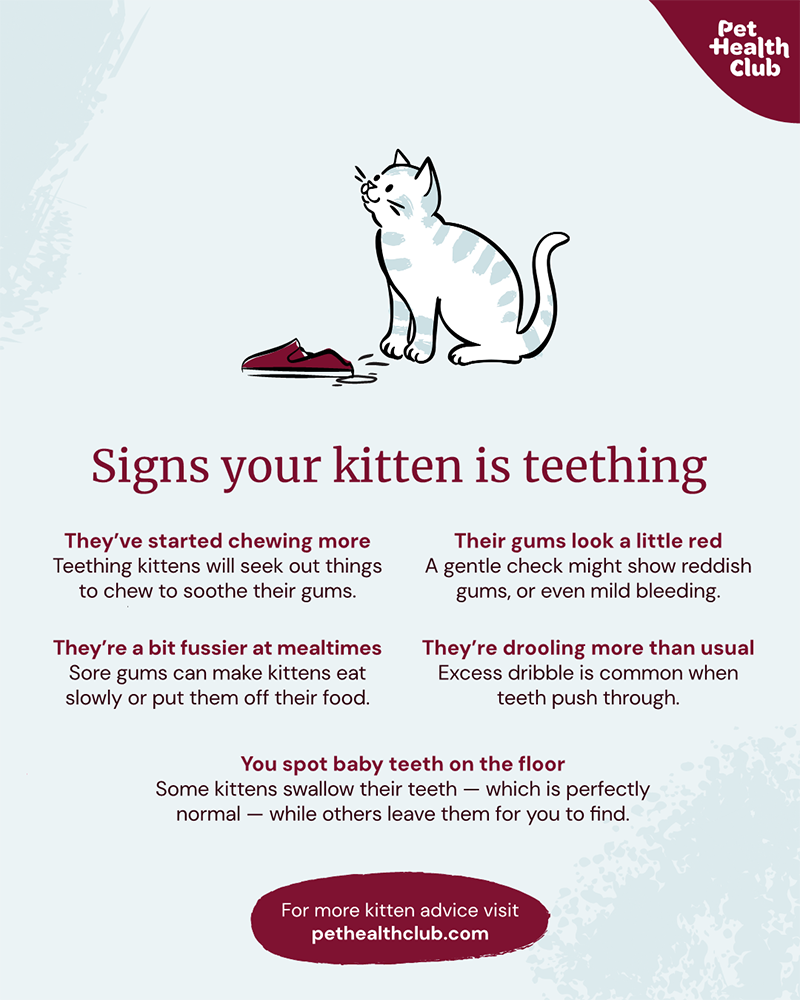
Teething symptoms can vary, but common signs include increased chewing, drooling, and irritability. You may also notice your kitten biting more than usual. This behavior is their way of dealing with the discomfort caused by emerging teeth.
Some kittens might have swollen gums or small blood spots where a tooth has fallen out. If your kitten seems distressed or avoids eating, it’s crucial to check their mouth for any issues. Providing teething toys can offer relief and deter them from chewing on inappropriate items.
Have you ever noticed your kitten gnawing on something odd? It’s often a sign they’re seeking relief from teething discomfort. By introducing teething toys, you can offer them a safe and effective alternative.
Ultimately, understanding your kitten’s teething process helps you support them better. Are you prepared to ease their teething woes with the right toys?
Benefits Of Teething Toys
Kittens benefit from teething toys by soothing sore gums and reducing chewing on inappropriate items. These toys provide a safe outlet for their natural chewing instinct, promoting healthier dental development and preventing destructive behavior.
The journey of a kitten’s growth is filled with playful moments and some challenges. One significant phase is teething. During this time, teething toys can be a great help. They offer several benefits that aid in a kitten’s development and comfort. Let’s explore how these toys make a difference.Pain Relief
Teething can be a painful process for kittens. Chewing on teething toys helps ease the discomfort. The pressure applied to the gums reduces pain. It provides relief and makes teething more bearable. Soft rubber or silicone toys are ideal. They are gentle on sensitive gums.Promoting Healthy Teeth
Teething toys help maintain dental health. They encourage kittens to chew, which is crucial. This chewing action cleans their teeth. It helps remove plaque and debris. Regular chewing also strengthens their jaws. It’s a natural way to promote oral hygiene in kittens.Reducing Destructive Chewing
Kittens are curious and love to explore. Without teething toys, they might chew on inappropriate items. Shoes, furniture, or cables can become targets. Teething toys redirect this behavior. They provide a safe outlet for chewing instincts. This reduces damage around the home and keeps kittens happy.Types Of Teething Toys
Kittens often benefit from teething toys, which help soothe their gums. Soft rubber toys are gentle and safe. Plush toys offer comfort and ease chewing.
Kittens often experience discomfort during teething. Providing the right toys can help ease their pain. Teething toys come in various types designed to suit different needs and preferences. Understanding the options available can help you choose the best toys for your kitten.Soft Chew Toys
Soft chew toys are ideal for gentle teething relief. They are made from plush materials that are gentle on a kitten’s gums. These toys can be easily carried around by kittens. Look for chew toys with different textures. This adds interest and variety.Interactive Toys
Interactive toys keep kittens engaged. They often feature moving parts or sounds. Toys like balls with bells or puzzle toys stimulate a kitten’s curiosity. These toys also help in developing coordination skills. Interactive toys are perfect for active play sessions.Natural Teething Options
Natural teething options include items like dried sweet potato or catnip sticks. These provide a safe alternative to synthetic toys. They are free from harmful chemicals. Natural options can also promote dental health. These items are both enjoyable and healthy for kittens.
Credit: www.amazon.com
Choosing Safe Teething Toys
Choosing the right teething toys for kittens is crucial. These toys help soothe their gums and promote healthy chewing habits. Ensuring the toys are safe is a priority. This section will guide you through the key aspects of selecting the best teething toys for your furry friend.
Material Safety
Focus on toys made from non-toxic materials. Rubber and silicone are good options. They are durable and gentle on gums. Avoid toys with small parts that can break off. Check for any sharp edges that might harm your kitten.
Size Considerations
Choose toys appropriate for your kitten’s size. A toy that’s too small could be a choking hazard. A toy that’s too large might be hard to chew. Ensure your kitten can easily grasp and bite the toy. This will keep them engaged and entertained.
Avoiding Toxic Substances
Read labels carefully to ensure toys are free from harmful chemicals. BPA and phthalates are common toxic substances to avoid. Look for toys labeled “safe for children” as they often meet higher safety standards. If uncertain, consult with your veterinarian for recommendations.
Diy Teething Toy Ideas
Kittens, much like human babies, need relief during teething. DIY teething toys offer an affordable solution. These homemade toys provide comfort and engagement for your kitten. Let’s explore some creative ideas.
Simple Homemade Options
Creating teething toys at home can be simple and fun. Use soft fabric strips to make knotted toys. Cut old t-shirts into strips, then tie them together. These knots provide a soft, chewable texture.
Another easy option is using a small sock. Fill it with rice, then tie a knot at the end. This creates a soft and malleable toy for teething kittens.
Upcycling Household Items
Transform everyday items into playful toys. Empty cardboard rolls can become excellent chew toys. Simply cut them into rings for endless entertainment.
Old woolen gloves make wonderful teething aids. Cut off the fingers and sew the ends. These soft and sturdy toys are perfect for kittens.

Credit: www.purina.com
Alternatives To Teething Toys
While teething toys are often recommended for kittens, there are several alternatives that can effectively soothe their sore gums and satisfy their urge to chew. Exploring these options can not only provide relief to your furry friend but also offer a creative way to engage them. Let’s dive into some natural and household solutions that may already be available to you.
Natural Chewing Options
Consider incorporating some natural materials into your kitten’s environment. Soft wooden sticks can be a delightful surprise for kittens. They offer a safe and natural surface to gnaw on, which can help ease their teething discomfort.
Another option is cat-friendly plants. Some herbs like catnip or silvervine can be both stimulating and soothing. They can be a great distraction and may even become your kitten’s favorite plaything.
Safe Household Items
Your home is likely filled with items that can double as teething aids. Cloth scraps or old socks can be tied into knots, creating a chewy and fun toy. Ensure they are clean and free from any harmful substances.
Plastic containers, like those used for food storage, can be repurposed into engaging chew toys. Just make sure they are sturdy and free of small, detachable parts that could pose a choking hazard.
Have you ever observed your kitten showing interest in unexpected household items? Sometimes, the simplest things can keep them occupied. What quirky items has your kitten taken a liking to?
Monitoring Kitten’s Teething Progress
Monitoring your kitten’s teething progress is crucial for their dental health. Kittens, like human babies, experience teething. This phase can be uncomfortable for them. Understanding their needs helps ease this transition. Keep an eye on their behavior and dental health. This ensures a smooth teething period.
Signs Of Healthy Teething
Healthy teething in kittens shows specific signs. They might chew on soft items more often. Chewing helps soothe their gums. Mild drooling is another common sign. This happens as the new teeth push through. Some kittens may have a slight decrease in appetite. Their gums can feel tender, making eating uncomfortable. Ensure they have access to suitable teething toys. These toys help relieve gum discomfort and keep them occupied.
When To Consult A Vet
Sometimes, teething can cause complications. Watch for signs like bleeding gums. Excessive drooling can also be a concern. If your kitten refuses to eat, consult a vet. Persistent bad breath is another red flag. It might indicate gum infection. If baby teeth don’t fall out, see a vet. Retained teeth can cause misalignment. Regular vet check-ups ensure healthy dental development.

Credit: www.cphdistortion.dk
Frequently Asked Questions
Do Kittens Benefit From Teething Toys?
Yes, kittens benefit from teething toys. These toys help soothe their gums and reduce discomfort. They also promote healthy chewing habits. Providing teething toys can prevent destructive chewing on household items. Always choose toys made from safe, non-toxic materials.
When Do Kittens Start Teething?
Kittens start teething around 3 to 4 weeks of age. This is when their baby teeth begin to emerge. The process continues until they’re about 6 months old. During this period, they may show increased chewing behavior. Providing appropriate toys can help ease the teething process.
Are Teething Toys Safe For Kittens?
Teething toys are generally safe if made from non-toxic materials. Always supervise playtime to ensure safety. Choose toys specifically designed for kittens. Avoid small parts that could be swallowed. Regularly inspect toys for wear and tear to prevent choking hazards.
How Do Teething Toys Help Kittens?
Teething toys help kittens by soothing their sore gums. They provide an outlet for natural chewing instincts. These toys can also reduce the chance of kittens chewing on furniture. By satisfying their need to chew, teething toys promote healthy dental habits.
Conclusion
Kittens love to chew. Teething toys can help soothe their gums. They offer safe options for curious bites. Toys are fun and engaging, keeping kittens busy. Chewing also supports dental health and reduces boredom. It’s important to choose safe, durable toys.
Avoid small parts that might be swallowed. Regularly check toys for wear and tear. With the right toys, kittens grow happy and healthy. Consider investing in a few teething toys. Your kitten will thank you with playful purrs. Enjoy watching your kitten discover the world with safe, fun toys.