How to Become a Toy Designer: Unleash Creativity
Do you remember the joy of unwrapping a new toy as a child? That magic, that excitement—it’s something you can create for others.
If you’ve ever dreamed of designing toys, you’re not alone. The idea of crafting something that sparks imagination and brings happiness is a powerful motivator. But how do you turn that dream into reality? Becoming a toy designer might seem like a distant goal, but it’s closer than you think.
We’ll uncover the step-by-step process to help you transform your passion into a profession. Whether you’re looking to make a career shift or starting from scratch, we’ll guide you through every stage. Let’s dive into the world of toy design, where your creativity can bring endless smiles. Keep reading to discover how you can start creating toys that captivate and inspire.
The World Of Toy Design
Dream of creating fun toys? Begin by studying design and understanding children’s needs. Explore trends, sketch ideas, and learn about materials.
The world of toy design is a vibrant and dynamic field, brimming with creativity and innovation. It’s where imagination meets practicality, allowing you to create products that spark joy and curiosity in children and collectors alike. Whether you’re inspired by classic toys or cutting-edge technology, toy design offers endless possibilities to express your creativity and bring your ideas to life.The Role Of A Toy Designer
As a toy designer, you’ll be responsible for conceptualizing and creating toys that are fun, safe, and engaging. This involves sketching ideas, developing prototypes, and collaborating with engineers and marketers. Your role is to ensure that each toy is not only enjoyable but also meets safety standards and market demands.Understanding Market Trends
Keeping up with market trends is crucial in toy design. It helps you understand what children are interested in and what parents are willing to buy. By observing trends, you can create toys that resonate with current interests, whether it’s a new superhero franchise or an educational STEM toy.Developing A Unique Style
Having a unique style sets you apart in the competitive world of toy design. Think about what makes your designs different and how you can infuse your personality into your creations. A distinctive style can make your toys stand out on the shelves and in the hearts of children. A strong portfolio is essential for showcasing your skills and creativity to potential employers or clients. Include a variety of designs, from sketches to final products, to demonstrate your versatility. Your portfolio is your chance to tell your story and highlight your journey as a toy designer.Networking And Collaboration
Networking with other professionals in the industry can open doors and provide valuable insights. Attend toy fairs, join online communities, and collaborate with others to expand your knowledge and reach. Building these connections can lead to new opportunities and collaborations that enhance your career.Staying Inspired
Inspiration can come from anywhere—nature, art, or even everyday objects. Always keep your eyes open for new ideas and challenge yourself to think outside the box. By staying inspired, you can continue to create toys that captivate and delight children around the world.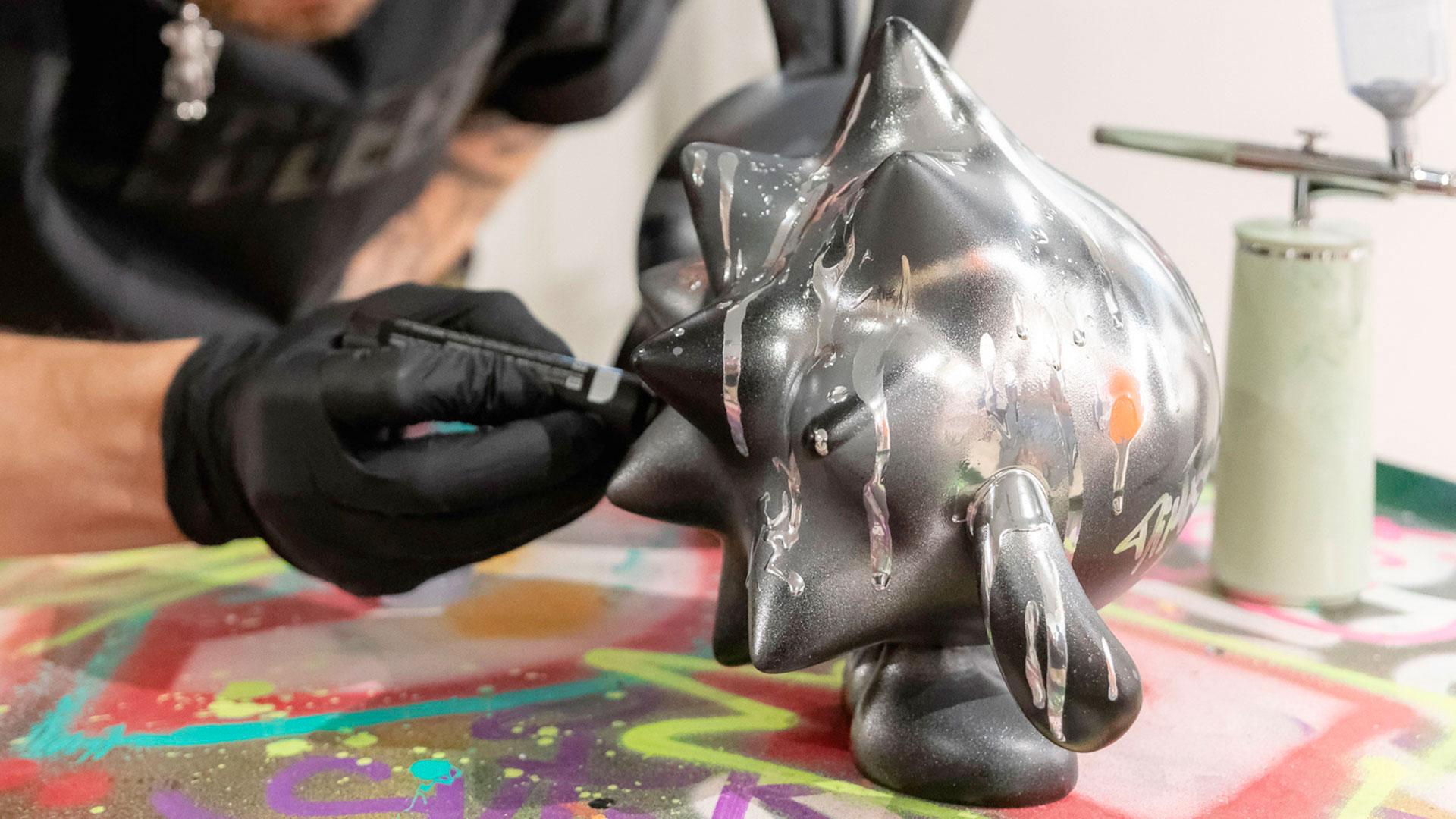
Credit: r.toys
Essential Skills
Becoming a toy designer is a dream profession for many, combining the art of creativity with the science of child development. Essential skills are the foundation of a successful career in toy design, and mastering them can elevate your creations to bring joy and learning to children worldwide. What skills are necessary to step into the shoes of a toy designer?
Creativity And Imagination
At the heart of toy design lies creativity. It’s about seeing the world through a child’s eyes and imagining what sparks their curiosity and joy. If you remember a time when you crafted playful worlds from cardboard boxes and household items, you’ve tapped into this skill. Embrace those imaginative moments and challenge yourself to create toys that inspire storytelling and adventure.
Technical Proficiency
Designing toys requires a blend of artistic vision and technical skill. Understanding materials, production processes, and safety regulations is critical. Consider taking courses in industrial design or engineering to hone these skills. The ability to translate a sketch into a tangible, functional prototype is what turns ideas into beloved toys.
Understanding Child Psychology
Knowing what captivates a child’s attention and supports their development is crucial. Dive into child psychology to understand different stages of development. Ask yourself: What do children need to learn at various ages? Tailor your designs to aid in their growth, whether it’s a toy that encourages problem-solving or one that fosters social skills.
Educational Pathways
Aspiring toy designers often pursue degrees in industrial design or toy design. Gaining skills in 3D modeling and prototyping is essential. Building a portfolio with unique toy concepts can help showcase creativity and technical skills to potential employers.
Embarking on the journey to become a toy designer is both exciting and rewarding. The educational pathways you choose can significantly shape your career. Understanding these pathways will help you make informed decisions and prepare effectively for this creative profession.Relevant Degree Programs
Pursuing a degree in Industrial Design or Toy Design is a great starting point. These programs often cover essential topics such as product design, materials, and child psychology. Many universities offer specialized courses within these degrees, providing a focused curriculum tailored to toy design. Degrees in Fine Arts or Graphic Design can also be beneficial. They help build a strong foundation in creativity and design principles. You will learn to sketch, create prototypes, and understand the aesthetics of toy design.Specialized Courses
Beyond degree programs, specialized courses can offer deeper insights. Courses in child development can be particularly useful, helping you understand your audience better. By learning how children interact with toys, you can design more engaging and educational products. Digital design courses are increasingly important in today’s tech-driven world. Skills in 3D modeling and animation can set you apart from other designers. Online platforms often offer these courses, allowing you to learn at your own pace. Consider workshops or short courses that focus on specific skills like prototyping or material selection. These practical experiences can enhance your knowledge and refine your design techniques. They often provide hands-on learning opportunities that are invaluable in the toy design industry. What steps will you take to carve your educational path in toy design?Building A Portfolio
Building a portfolio is crucial for aspiring toy designers. Showcase your creativity with sketches, prototypes, and detailed descriptions. A diverse collection demonstrates your unique style and design skills effectively.
Building a Portfolio Creating a compelling portfolio is essential for aspiring toy designers. It’s your visual resume, showcasing your talent and creativity to potential employers or clients. A well-curated portfolio can open doors to exciting opportunities in the toy design industry.Showcasing Your Designs
Your portfolio should be a reflection of your best work. Select designs that demonstrate your range and versatility. Include sketches, 3D models, and finished products to give a comprehensive view of your capabilities. Consider organizing your work in categories, such as educational toys, plush toys, or action figures. This makes it easier for viewers to navigate and find what interests them. Have you ever worked on a project that challenged you? Highlight it. Sharing the story behind your designs can make your portfolio more engaging and memorable.Highlighting Unique Concepts
Innovative ideas can set you apart from the competition. Your portfolio should include concepts that showcase your creativity and problem-solving skills. Think outside the box and present toys that are not only fun but also functional and safe. Use visuals to illustrate your unique concepts. Diagrams, prototypes, or animations can bring your ideas to life and demonstrate your design process. Challenge yourself by asking: What makes my toy design stand out? Addressing this question can lead to breakthroughs that elevate your portfolio and captivate your audience.Gaining Experience
Gaining experience is a crucial step in your journey to becoming a successful toy designer. It’s about immersing yourself in the industry, learning from seasoned professionals, and refining your unique style. Whether through internships, freelance gigs, or apprenticeships, each opportunity offers invaluable lessons and insights. Are you ready to dive into the vibrant world of toy design?
Internships And Apprenticeships
Internships and apprenticeships offer a firsthand look at the inner workings of toy design companies. These positions provide you with the chance to learn from the best, understand industry standards, and witness the creative process from concept to creation.
Consider approaching companies that align with your interests. If you love plush toys, apply to firms specializing in them. By focusing on a niche, you gain specific skills that can set you apart.
During my apprenticeship, I learned the importance of prototyping. Watching a sketch transform into a tangible product was exhilarating. What skills can you glean from such experiences?
Freelance Opportunities
Freelancing allows you to explore diverse projects and collaborate with various clients. It’s a fantastic way to build a portfolio and demonstrate your versatility. As a freelancer, you’ll have the freedom to express your creativity and develop your personal brand.
Platforms like Upwork and Fiverr are great starting points. Here, you can connect with clients seeking fresh ideas for toy designs. Every project completed adds to your reputation and experience.
While freelancing, I once designed a toy for a niche market. It taught me the importance of understanding consumer needs. What unique perspectives can freelancing offer you?

Credit: www.youtube.com
Industry Trends
Aspiring toy designers should focus on creativity and innovation. Studying design principles and gaining industry insights is crucial. Building a diverse portfolio helps showcase talent and attract potential employers.
Understanding industry trends is crucial for anyone aspiring to become a successful toy designer. These trends not only shape the market but also guide the creative process, ensuring that new toys meet consumer demands and expectations. Let’s dive into some key trends shaping the toy design industry today.Sustainability In Toy Design
Sustainability is no longer just a buzzword; it’s a vital aspect of modern toy design. Consumers are increasingly eco-conscious, favoring toys made from sustainable materials like recycled plastics and organic textiles. As a toy designer, you can stand out by creating products that are environmentally friendly. Consider the entire lifecycle of your toy. How will its production impact the environment? Can it be recycled or repurposed at the end of its life? By addressing these questions, you can contribute to a greener planet while appealing to a growing market segment.Technological Innovations
Technology is transforming the toy industry in exciting ways. From augmented reality (AR) games to interactive robots, tech-infused toys are capturing the imaginations of children and adults alike. As a designer, staying updated with technological advancements can give your creations a competitive edge. Embrace tools like 3D printing to prototype your designs quickly and efficiently. Use technology to enhance the play experience, making it more engaging and educational. Are there innovative ways to integrate technology without sacrificing the toy’s simplicity and charm? Balancing tech with traditional play can lead to groundbreaking designs that resonate with today’s tech-savvy generation.Networking And Community
Building connections with toy designers can open doors to mentorship and collaboration. Join online forums and attend industry events to expand your network. Engaging with communities allows you to share ideas and gain valuable insights into toy design trends.
Networking and building a strong community are crucial steps in your journey to becoming a successful toy designer. By connecting with others in the industry, you gain insights, support, and opportunities that you might not find on your own. Whether you’re seeking advice, partnerships, or inspiration, being part of a network can significantly enhance your growth and creativity.Joining Professional Associations
Joining professional associations can be your gateway to the toy design world. These organizations often provide members with access to exclusive resources, such as industry reports and design workshops. They also host events that allow you to meet fellow designers, share ideas, and collaborate on projects. For example, the Toy Association offers memberships that connect you with industry leaders and experts. By becoming a member, you can attend seminars that focus on the latest trends and technologies in toy design. This not only keeps you informed but also places you in a community that encourages innovation and creativity.Attending Toy Fairs
Toy fairs are vibrant, bustling events that offer a sneak peek into the latest industry trends. Attending these fairs allows you to see firsthand the innovative designs and products that are shaping the future of toys. More importantly, they provide an excellent opportunity to network with manufacturers, distributors, and fellow designers. Imagine walking through the aisles, engaging in conversations with seasoned professionals who share their stories and experiences. It’s a chance to ask questions, seek advice, and perhaps even find a mentor. These interactions can be invaluable as they often open doors to collaborations and job opportunities that you might not have considered. So, how will you make the most of these networking opportunities in your pursuit of becoming a toy designer? Will you reach out and connect, or let these chances pass by? The choice is yours, and the potential benefits are immense.Career Opportunities
Aspiring toy designers can explore various career paths. Start by studying design or art at college. Gain experience through internships with toy companies.
Embarking on a career as a toy designer opens a world of imaginative possibilities. This field offers diverse career opportunities that cater to your creative and entrepreneurial spirit. Whether you choose to collaborate with established toy companies or venture into launching your own toy line, each path presents unique challenges and rewards.Working With Toy Companies
Joining forces with toy companies can be a thrilling journey. These companies are often on the lookout for fresh, innovative ideas to captivate their young audience. As a toy designer, you have the opportunity to work in a dynamic environment where your creativity is valued and nurtured. Consider the experience of working on a team project, where diverse perspectives fuel innovation. You’ll engage in brainstorming sessions, sketching prototypes, and refining designs. Imagine seeing your concept come to life on store shelves, bringing joy to children worldwide. Do you have what it takes to collaborate effectively? Understanding market trends and consumer needs can enhance your contributions. This partnership can also offer stability and resources that might be challenging to achieve independently.Starting Your Own Toy Line
Creating your own toy line is a bold yet rewarding endeavor. This path allows you to express your unique vision without constraints. It’s an exciting opportunity to showcase your creativity and connect directly with your audience. Picture the excitement of designing a toy that reflects your personal style and values. You have the freedom to explore niche markets and cater to specific interests. This independence can be empowering, as you shape your brand identity and make decisions that align with your goals. However, starting your own toy line requires determination and resilience. You’ll tackle everything from product development to marketing strategies. Are you ready to embrace the entrepreneurial spirit and turn your dreams into reality? Whether you collaborate with toy companies or forge your own path, the toy design industry offers a wealth of opportunities. Which path resonates with your aspirations?Challenges And Rewards
Becoming a toy designer involves facing both challenges and rewards. It’s a journey filled with creativity and responsibility. The path demands balancing imagination with practical needs. It also offers the chance to impact young minds positively. Let’s explore these aspects further.
Balancing Creativity With Market Needs
Creativity is vital for toy designers. Yet, market demands can limit this freedom. Designers must create toys that sell well. This means understanding what children and parents want. Research and trends guide design choices. Finding this balance is crucial. It ensures toys are both fun and profitable.
Impact On Child Development
Toy designers shape children’s growth. They create toys that educate and entertain. Well-designed toys can boost learning and skills. They encourage imagination and problem-solving. This impact on child development is rewarding. It adds purpose to the designer’s work.

Credit: m.youtube.com
Frequently Asked Questions
What Qualifications Do Toy Designers Need?
Toy designers typically need a degree in industrial design or a related field. Creativity and strong drawing skills are essential. Experience with computer-aided design (CAD) software is beneficial. Many companies also value experience in the toy industry. Internships can provide valuable hands-on experience and industry connections.
How Do Toy Designers Generate Ideas?
Toy designers brainstorm and research current trends to generate ideas. They often draw inspiration from children’s interests and behaviors. Collaboration with marketing teams can help align ideas with consumer needs. Prototyping and testing are crucial to refine concepts. Continuous learning helps designers stay innovative.
What Are Common Challenges For Toy Designers?
Toy designers face challenges like ensuring safety standards and appealing to diverse markets. Balancing creativity with cost-effectiveness is crucial. Keeping up with changing trends and technologies can be demanding. Designers must also consider environmental impact and durability. Effective communication with manufacturers is essential.
How Important Is Prototyping In Toy Design?
Prototyping is crucial in toy design, allowing designers to test functionality and safety. It helps refine concepts and identify potential issues early. Prototypes provide a tangible model for feedback from stakeholders. This process ensures the final product meets quality standards and consumer expectations.
Conclusion
Becoming a toy designer is an exciting journey. Creativity leads the way. Dive into research and find inspiration everywhere. Sketch your ideas often. Learn from others and improve your skills. Build prototypes to test your concepts. Networking opens doors to opportunities.
Stay updated with trends in the toy industry. Patience and perseverance are your friends. Share your passion with the world. Your unique designs can bring joy to children. Embrace feedback and grow from it. Remember, every toy has a story.
Write yours with innovation and imagination. Your dream job awaits in the world of toys.