How to Choose Montessori Toys: Expert Tips for Parents
Are you overwhelmed by the endless options of toys available for your little one? Choosing the right toys can feel like navigating a maze, especially when you want something that supports your child’s growth and development.
Montessori toys might just be the solution you’re looking for. These toys are designed not just to entertain, but to nurture your child’s natural curiosity and learning. But how do you pick the right ones? In this guide, you’ll discover the secrets to selecting Montessori toys that truly enhance your child’s playtime.
Get ready to unlock the potential of Montessori toys and watch your child thrive. Keep reading to find out how simple choices today can build a brighter future for your little learner.
Understanding Montessori Philosophy
Choosing Montessori toys involves focusing on simplicity and natural materials. Opt for items that encourage exploration and creativity. Prioritize toys that align with a child’s developmental stage, promoting independence and learning through play.
Understanding Montessori Philosophy The Montessori method emphasizes learning through play and exploration. This philosophy encourages children to learn at their own pace. It values independence, curiosity, and respect for a child’s natural development. Montessori toys support this by being simple and purposeful. They help children develop skills through hands-on experiences.What Is Montessori Philosophy?
Montessori philosophy was developed by Dr. Maria Montessori. It focuses on child-led learning. Children choose their activities and learn by doing. The environment plays a crucial role. It should be prepared and organized to support learning.Importance Of Independence
Montessori education encourages independence. Children learn to do things by themselves. Toys should support this independence. They must be easy to use without constant adult help. This builds confidence and decision-making skills.Role Of The Environment
The environment in Montessori is key. It should be calm and organized. Each toy or material has a specific place. This helps children feel secure and focused. Toys should be accessible for children to choose freely.Hands-on Learning
Montessori toys encourage hands-on learning. They allow children to explore and experiment. This type of play helps develop fine motor skills. It also supports problem-solving and critical thinking.Encouraging Natural Curiosity
Montessori toys should spark a child’s curiosity. They should be engaging and interesting. Toys that mimic real-life activities are beneficial. They help children understand the world around them.Focus On Realism
Montessori toys often reflect real life. They are made from natural materials like wood. This helps children connect with the real world. Realistic toys support practical life skills.Quality Over Quantity
In Montessori, less is more. Quality toys are preferred over many toys. They should be durable and purposeful. This ensures that each toy serves a learning purpose.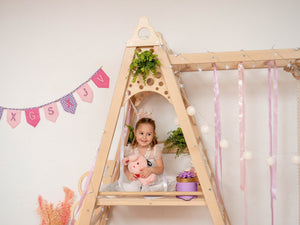
Credit: woodandhearts.com
Benefits Of Montessori Toys
Choosing Montessori toys involves focusing on simplicity and natural materials. These toys encourage creativity and independence in children. Opt for items that promote sensory exploration and problem-solving skills.
Choosing Montessori toys for your child can be an enriching experience. These toys are designed to support learning and development. They offer numerous benefits that align with Montessori principles, promoting independence and creativity. Understanding these benefits can help in selecting the right toys for your child’s growth.Encourages Independent Play
Montessori toys foster independence. Children learn to play by themselves. They explore and solve problems without help. This builds confidence and self-reliance.Enhances Creativity And Imagination
These toys spark imagination. They are often simple, allowing children to use their creativity. Open-ended toys offer endless possibilities for creative play.Supports Developmental Skills
Montessori toys are designed to support various skills. They improve fine motor abilities, hand-eye coordination, and cognitive development. Children learn through hands-on activities.Promotes Concentration And Focus
These toys encourage children to focus. They engage children for longer periods. This helps in developing concentration and attention skills.Natural And Safe Materials
Montessori toys are often made from natural materials. Wood, fabric, and metal are common. These materials are safe and durable, offering peace of mind.Encourages Problem Solving
Children face challenges with Montessori toys. They learn to solve problems independently. This promotes critical thinking and decision-making skills.Develops Social Skills
These toys encourage cooperative play. Children learn to share and communicate. This helps in developing social and emotional skills. Montessori toys offer valuable benefits. They support holistic development and learning. Choosing the right toys can enrich your child’s playtime.Age-appropriate Selection
Selecting the right Montessori toys involves considering the child’s age and developmental stage. Choose toys that match their skills and encourage growth. Age-appropriate toys help children explore and learn effectively.
Choosing the right Montessori toys can be a delightful adventure for both you and your child. However, ensuring that toys are age-appropriate is crucial for maximizing their developmental benefits. Montessori toys are designed to engage children at different stages of growth. Picking the right toy can spark curiosity, foster independence, and promote learning. Let’s dive into what you should consider for various age groups.Infant Toys
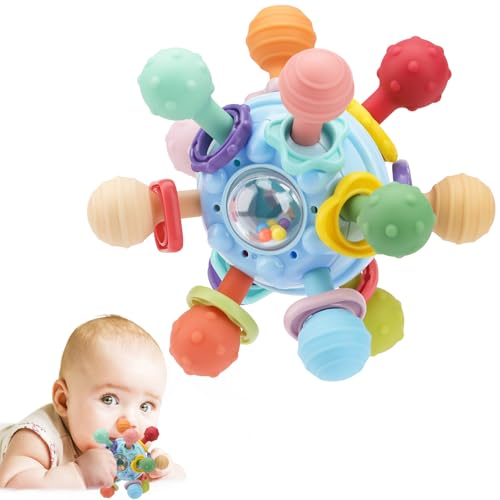
During infancy, toys should stimulate senses and encourage exploration. Soft rattles, sensory balls, and simple wooden grasping toys are excellent choices. These toys help in developing fine motor skills and hand-eye coordination. Bright colors and different textures can also captivate your baby’s attention. Have you noticed your baby reaching for objects or trying to grab things? This is a sign they’re ready for toys that enhance their tactile experience.Toddler Options
Toddlers are eager to explore the world around them. Toys like stacking blocks, sorting games, and simple puzzles can be incredibly beneficial. These toys promote problem-solving skills and build foundational concepts of shape and size. Look for items that encourage movement, such as pull toys or balance bikes. Is your toddler trying to fit shapes into holes or stack towers? They’re developing spatial awareness and coordination, and the right toys can support this growth.Preschool Choices
Preschoolers thrive on challenges that stimulate their brains. Opt for toys like building sets, role-play items, and art supplies. These toys foster creativity, critical thinking, and social skills. Encourage imaginative play with costumes or small-world playsets that reflect real-life scenarios. Are you surprised by your preschooler’s vivid imagination during playtime? Providing them with toys that support storytelling and creativity can enhance their cognitive development. Selecting age-appropriate Montessori toys not only nurtures your child’s growth but also creates cherished moments of learning and play. Consider your child’s developmental stage and interests when picking toys, and watch them blossom with curiosity and joy.Material And Safety Considerations
Choosing Montessori toys requires careful attention to materials and safety. Opt for non-toxic, natural materials like wood. Ensure toys meet safety standards and avoid small parts for younger children.
Choosing Montessori toys involves more than just picking the most colorful or popular options. Material and safety considerations play a crucial role in selecting toys that not only engage your child but also ensure their well-being. The materials used in the toys and their safety features can significantly impact your child’s learning experience and health. Let’s dive into what you should keep in mind.Material Choices: Natural Over Synthetic
Montessori philosophy emphasizes natural materials. Wooden toys, for example, offer a tactile experience that plastic cannot match. Wood is durable and often sourced sustainably, making it an environmentally friendly choice. Consider toys made from fabrics like cotton or wool. These materials are soft and safe for children to explore with their senses. They also tend to be free from the harsh chemicals found in some synthetic fabrics.Non-toxic And Eco-friendly Finishes
The finishes on Montessori toys should be non-toxic and safe for your child to handle and mouth. Look for products with water-based paints or natural oils. These options are generally safer than those with chemical-laden finishes. Why not double-check the label for eco-friendly certifications? These certifications can give you peace of mind that the toy is both safe for your child and kind to the planet.Sturdy Construction And Longevity
Montessori toys should be built to last. Sturdy construction ensures that the toy can withstand rough handling and last through multiple stages of development. Quality craftsmanship not only provides durability but also allows the toy to be passed down to siblings or friends. Isn’t it satisfying to choose a toy that becomes a family heirloom rather than ending up in a landfill after just a few months?Size Matters: Avoiding Choking Hazards
Pay attention to the size of the toy parts. Small pieces can be a choking hazard for young children. Ensure that all parts are large enough to not fit entirely in your child’s mouth. Consider using a choke tube tester, which simulates the size of a young child’s throat. This simple tool can be a lifesaver in ensuring toy safety.Certifications And Safety Standards
Check for safety certifications that meet your country’s standards. In the U.S., look for ASTM or CPSC certifications. These labels indicate the toy has undergone rigorous safety testing. Wouldn’t you want reassurance that the toys you choose meet the highest safety standards? By focusing on these material and safety considerations, you can make informed choices that support your child’s development while ensuring their safety. Remember, the right toy can make all the difference in nurturing curiosity and learning.Encouraging Independence
Choosing Montessori toys helps foster independence in children. Select toys that encourage problem-solving and creativity. Opt for materials like wood and simple designs to stimulate natural curiosity.
Encouraging independence is a core principle of Montessori education. It empowers children to explore, learn, and grow at their own pace. Choosing the right Montessori toys can greatly aid this journey. These toys not only stimulate creativity but also nurture self-reliance. They allow children to make decisions, solve problems, and discover the world around them. Selecting toys that foster independence is crucial for a child’s development.Understanding Child’s Interests
Montessori toys should resonate with a child’s natural curiosity. Observe what captures their attention. Choose toys that align with these interests. This encourages deeper engagement and exploration.Promoting Problem-solving Skills
Look for toys that challenge the child’s mind. Puzzles and building blocks are excellent choices. They encourage critical thinking and problem-solving. These activities foster independence and confidence.Offering Choices In Play
Provide a variety of toys to choose from. This empowers children to make their own decisions. Having options encourages independent play. It helps them understand personal preferences and interests.Encouraging Self-paced Learning
Select toys that allow children to learn at their own speed. Avoid overly complex toys that may frustrate them. Choose toys with varying levels of difficulty. This ensures steady progression and satisfaction.Supporting Practical Life Skills
Introduce toys that mimic real-life activities. Kitchen sets or gardening tools are great examples. These toys teach practical skills. They enhance independence and prepare children for daily tasks.Ensuring Safety And Simplicity
Safety should always be a priority. Choose toys made from non-toxic materials. Simple designs are often more effective. They allow children to focus and engage fully without distractions.Promoting Creativity And Problem Solving
Choosing the right Montessori toys can boost creativity and problem-solving skills. Montessori toys are designed to encourage children to think independently. They help in developing imagination and critical thinking. These toys focus on open-ended play, allowing kids to explore and discover. In this section, we will explore how Montessori toys promote creativity and problem solving.
Encouraging Open-ended Play
Open-ended toys have no fixed outcome. Children can use them in many ways. This flexibility fosters creativity. Children create their own scenarios and stories. Imagination flourishes as they explore new possibilities. Open-ended toys include building blocks and art supplies. These toys inspire original ideas and solutions.
Stimulating Critical Thinking
Montessori toys often present challenges. They require children to think critically. Problem-solving skills develop as children figure out solutions. Puzzles and sorting games are excellent choices. These toys encourage logical thinking. They help children learn to approach problems from different angles.
Developing Fine Motor Skills
Many Montessori toys engage fine motor skills. Activities like threading beads or stacking blocks improve hand-eye coordination. Fine motor skills are crucial for problem-solving tasks. As children manipulate objects, they learn precision and patience. These skills lay the groundwork for more complex problem-solving abilities.
Montessori toys promote self-directed learning. Children play independently, making their own decisions. They learn to trust their judgment. This independence boosts confidence. Confident children are more willing to tackle challenges. They are not afraid to make mistakes and learn from them.
Fostering Collaboration
Some Montessori toys encourage group play. Children learn to work together to solve problems. They share ideas and communicate effectively. Collaboration enhances creativity and problem-solving. It teaches children the value of teamwork. This skill is essential in real-world situations.
Avoiding Overstimulation
Selecting Montessori toys wisely can help prevent overstimulation. Opt for toys that promote focus and creativity. Choose items with simple designs and natural materials to encourage calm and meaningful play.
Choosing the right Montessori toys for your child involves more than just picking the most colorful or popular items. One crucial aspect to consider is avoiding overstimulation. Overstimulation can overwhelm your child’s senses and hinder their ability to focus and learn effectively. It’s essential to strike a balance between providing engaging toys and ensuring a calm, focused environment.Understanding Overstimulation
Overstimulation occurs when a child is exposed to too much sensory input simultaneously. Imagine walking into a room filled with bright lights, loud noises, and vibrant colors. It might be exciting at first but can quickly become overwhelming. This is similar to what a child experiences when overstimulated by toys. You want their learning environment to be inviting, not overwhelming.Choosing Simple And Purposeful Toys
Montessori toys are designed to be simple yet effective in teaching concepts. Look for toys that focus on one skill at a time, like stacking rings or sorting shapes. These types of toys help children concentrate on mastering one skill without being distracted by unnecessary features.Prioritize Quality Over Quantity
It’s tempting to buy lots of toys to keep your child entertained. However, fewer high-quality toys often provide a more enriching experience than a room full of flashy gadgets. Consider this: How many toys does your child actually play with regularly? Instead of quantity, aim for toys that encourage creativity and problem-solving.Embrace Natural Materials
Natural materials like wood are not only durable but also less stimulating than plastic. They offer a tactile experience that many children find comforting. Plus, natural materials tend to have neutral colors, reducing visual clutter. Next time you’re shopping, notice how your child interacts with wooden toys compared to plastic ones.Creating A Calm Play Space
Designate a specific area for playtime, free from distractions like TVs or bright screens. This helps your child focus solely on their toys and learning activities. A calm environment fosters concentration and allows for a more meaningful play experience. What does your child’s play space look like right now? Could it use a little decluttering?Observe Your Child’s Responses
Watch how your child interacts with their toys. Are they focused or easily distracted? Observation is key to understanding what stimulates or overstimulates them. Adjust the toys and play environment based on their responses. This personalized approach ensures a balance that supports their learning journey. Choosing Montessori toys with a mindful approach to overstimulation creates a serene environment where your child can thrive. Each toy becomes a tool for learning and growth, rather than a source of distraction.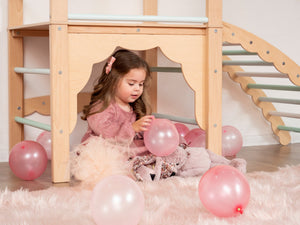
Credit: woodandhearts.com
Sustainability And Durability
Choose Montessori toys made from eco-friendly materials for long-lasting use. Opt for simple designs that withstand play and promote creativity.
Choosing Montessori toys is not just about selecting items that engage and educate your child. It’s also crucial to consider how these toys impact the environment and how long they will last. Sustainability and durability are key factors that should guide your decision-making process.Why Sustainability Matters In Montessori Toys
Sustainable toys are made from materials that are eco-friendly and biodegradable. Choosing sustainable toys means you’re contributing to a healthier planet for your child’s future. When you select toys made from wood or recycled materials, you’re making a small but significant difference. Consider the production process of the toys. Brands that focus on sustainability often use non-toxic paints and natural fibers. These choices ensure that your child plays with safe and earth-friendly products.Evaluating Durability: Will It Last?
Durability is essential when choosing toys that withstand the test of time. Wooden toys, for example, are often more durable than their plastic counterparts. They can be passed down to younger siblings or even the next generation. Check for solid construction and sturdy materials. A well-made toy will endure years of use and still look great. Imagine a toy train that your child’s grandchild could play with—now that’s value!Balancing Cost And Quality
While sustainable and durable toys might have a higher upfront cost, they often save money in the long run. Instead of buying multiple replacements for cheaper toys, invest in fewer high-quality items. This approach not only benefits your wallet but also reduces waste. Think about the long-term use of the toy. Is it something your child will enjoy for years? If yes, then spending a little more could be a wise decision.Personal Experience: Finding The Right Balance
I once bought a plastic toy set for my niece that broke within a week. It was a waste of money and added to the landfill. After that experience, I shifted to buying wooden toys that last longer and offer more imaginative play. What’s one toy you remember from your childhood? Chances are, it was something durable and well-made. Aim to find toys that could create similar lasting memories for your child.Making Informed Choices
Research brands that prioritize sustainability and durability. Many companies now provide details about their materials and processes online. Transparency is a good indicator of a brand’s commitment to quality and the environment. Ask yourself, does this toy align with my values and the kind of world I want my child to grow up in? Your choices today can make a lasting impact.Incorporating Nature
Incorporating nature into Montessori toys enriches children’s learning. Select toys made from natural materials like wood or cotton. These materials offer sensory experiences and connect kids to the environment.
Incorporating elements of nature into your child’s playtime can profoundly impact their growth and development. Natural materials often provide tactile experiences that synthetic toys simply cannot replicate. Plus, nature-based toys can foster a lifelong appreciation for the environment. But how do you make nature a part of your Montessori toy selection?Choose Toys Made From Natural Materials
Opt for toys crafted from wood, cotton, or wool. These materials are not only environmentally friendly but also safe for your child. Wooden toys often have unique textures and grains, adding an extra sensory element to play.Utilize Natural Elements
Consider toys that incorporate leaves, stones, or sand. A simple set of smooth river stones can become a balancing game or a counting tool. These elements allow children to explore textures and patterns found in nature.Encourage Outdoor Play
Take the toys outside and let your child interact with the natural world. A wooden balance board can become a bridge over a puddle or a mountain in the grass. Outdoor play encourages creativity and physical activity.Look For Eco-friendly Brands
Research brands committed to sustainability and ethical production. These companies often use non-toxic paints and sustainable materials. Supporting such brands not only benefits your child but also the planet.Integrate Seasonal Themes
Incorporate toys that reflect the seasons, like leaf puzzles in the fall or seashell counting games in the summer. This approach helps children understand the cyclical nature of the environment and encourages curiosity about seasonal changes.Engage With Diy Projects
Why not try creating some toys yourself? Collect pinecones or acorns during a nature walk and use them in crafts. This activity can be a bonding experience and teaches children about resourcefulness. By focusing on nature in your Montessori toy selection, you provide your child with enriching play experiences. How will you bring a touch of the outdoors into your child’s playroom today?Expert Recommendations
Choosing Montessori toys involves considering age-appropriate options. Focus on toys that encourage creativity and problem-solving. Select items made from natural materials for a tactile experience.
Choosing the right Montessori toys can be a challenge. Expert recommendations help parents make informed decisions. Experts suggest toys that foster learning and development. They focus on simplicity, creativity, and engagement. Here’s what experts have to say.Understand The Child’s Interests
Every child has unique interests. Observe what captures their attention. Choose toys that resonate with their curiosity. This keeps them engaged and eager to learn.Prioritize Safety And Quality
Safety comes first. Ensure toys meet safety standards. High-quality materials last longer and are safer. Look for non-toxic finishes and sturdy construction.Opt For Open-ended Toys
Open-ended toys encourage creativity. They allow multiple ways to play. Children can use their imagination freely. Blocks and art supplies are great choices.Choose Age-appropriate Toys
Select toys suitable for the child’s age. This ensures they can use the toy effectively. It also keeps playtime enjoyable and challenging.Encourage Developmental Skills
Toys should support various skills. Fine motor, cognitive, and social skills are important. Choose toys that promote these areas of development.Seek Expert Reviews And Recommendations
Expert reviews offer valuable insights. They help identify the best toys. Check reliable sources and recommendations. This guides you in making the right choice.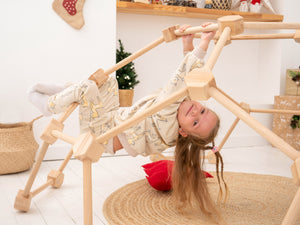
Credit: woodandhearts.com
Frequently Asked Questions
What Are Montessori Toys?
Montessori toys are designed to encourage independent play and learning. They promote creativity, problem-solving, and fine motor skills. These toys are often simple and made from natural materials. The focus is on practical life skills and understanding real-world concepts through play.
Why Choose Montessori Toys For Children?
Montessori toys foster independence and curiosity in children. They encourage hands-on learning and critical thinking. These toys help develop concentration and self-discipline. They are also designed to grow with the child, adapting to different developmental stages.
How Do Montessori Toys Support Learning?
Montessori toys support learning by engaging children in sensory experiences. They help develop cognitive skills and physical coordination. These toys encourage exploration and discovery. They provide opportunities for children to practice real-life skills in a playful environment.
Are Montessori Toys Suitable For All Ages?
Montessori toys are suitable for a wide range of ages. They can be adapted to meet the developmental needs of infants, toddlers, and preschoolers. These toys grow with the child, offering challenges that match their level of development.
Conclusion
Choosing Montessori toys can be simple and rewarding. Focus on toys that inspire curiosity and learning. Select items made from natural materials for durability and safety. Observe your child’s interests, matching toys to their developmental stage. Balance play with education, creating a supportive environment.
Seek toys that encourage independence and creativity. Involve your child in selection, boosting engagement and excitement. Remember, toys are tools for growth. Choose wisely, but keep it fun. Each toy is a step in their learning journey. Your thoughtful choices lay the foundation for lifelong learning and exploration.
Happy toy hunting!