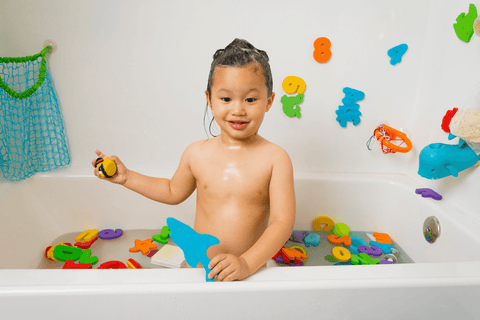
Are you worried about the grime and germs lurking in your baby’s bath toys? You’re not alone.
Many parents find themselves wondering how to ensure these little playthings are safe and hygienic for their children. Bath time should be a fun and relaxing experience, not a breeding ground for bacteria. Luckily, there are simple and effective ways to clean those toys and put your mind at ease.
Imagine the peace of mind knowing your baby is splashing around with toys that are as clean as they are entertaining. Let’s dive into the best methods for keeping your baby’s bath toys squeaky clean and ready for endless fun!
Choosing The Right Cleaning Supplies
Choosing gentle cleaning supplies ensures safe play for babies. Use mild soap and warm water to clean bath toys. Rinse thoroughly to remove all soap residue, keeping toys fresh and hygienic.
Choosing the right cleaning supplies for baby bath toys is important. Babies love playing with bath toys, but these toys can harbor germs and mold. Regular cleaning keeps them safe and hygienic. Using the right supplies makes the cleaning process effective and easy. Let’s explore some essential cleaning supplies that will ensure the toys are safe for your little one.1. Natural Dish Soap
Natural dish soap is gentle yet effective. It helps remove dirt and grime without harmful chemicals. Opt for unscented versions to avoid skin irritation.2. White Vinegar
White vinegar is a powerful disinfectant. It kills bacteria and removes odors. Mix vinegar with water for a natural cleaning solution.3. Baking Soda
Baking soda is a great deodorizer. It helps scrub away stubborn stains. Combine with vinegar for enhanced cleaning power.4. Soft-bristled Brush
A soft-bristled brush reaches into tiny crevices. It ensures thorough cleaning without damaging the toys. Choose a brush with a comfortable grip.5. Clean Towels
Clean towels are essential for drying. They prevent moisture from causing mold. Use a fresh towel for each cleaning session.6. Warm Water
Warm water is a simple yet effective cleaning agent. It helps dissolve soap and dirt. Ensure water is not too hot to avoid damage.7. Bleach Solution
A bleach solution can sanitize toys. Use sparingly and rinse thoroughly. Follow dilution instructions on the label for safety.8. Toothpick Or Tweezers
A toothpick or tweezers help remove trapped debris. Use them carefully to avoid scratching the toys. They’re handy for cleaning small openings.9. Storage Container
A storage container keeps supplies organized. It ensures everything is within reach. Choose a waterproof container for easy maintenance. Using the right cleaning supplies keeps baby bath toys safe and fun. Regular cleaning with these items will help maintain a healthy play environment.Regular Cleaning Routine
Bath time with your baby can be a delightful bonding experience, but those adorable bath toys can harbor unwanted germs if not cleaned regularly. Establishing a consistent cleaning routine ensures your child’s bath time is not only fun but safe. Let’s dive into an easy-to-follow regular cleaning routine for those beloved bath toys.
Daily Rinse
After each bath, give the toys a quick rinse under warm water. This helps remove soap residue and any lingering dirt. Make it a habit to squeeze out excess water from toys, especially those with holes. This simple step prevents mold buildup.
Consider placing the toys on a drying rack or towel to air dry completely. The less moisture left on the toys, the fewer chances for bacteria to thrive. Think of it as giving the toys a mini spa treatment after every bath!
Weekly Wash
Once a week, dedicate some time to give the toys a thorough wash. Fill a basin with warm water and a few drops of mild dish soap. Swish the toys around in the soapy water, ensuring each toy gets a good soak.
Use a soft brush or cloth to scrub away any stubborn residue. Pay special attention to hard-to-reach areas or any crevices. You might discover hidden grime that a daily rinse misses!
Rinse the toys with clean water after scrubbing. Allow them to air dry completely before storing. This routine not only keeps the toys clean but extends their lifespan. Have you ever considered using a vinegar solution for extra disinfecting power?
Deep Cleaning Techniques
Cleaning baby bath toys regularly is crucial for your child’s health. These toys can harbor mold and bacteria. Deep cleaning ensures they stay safe for play. Here, we explore effective deep cleaning techniques.
Vinegar And Baking Soda Method
This natural method is safe and effective. Combine equal parts of vinegar and water in a bowl. Add a tablespoon of baking soda. The mixture will fizz, helping to lift grime. Soak the toys for an hour. Use an old toothbrush to scrub them. Rinse thoroughly with warm water. Let them air dry completely.
Bleach Solution For Tough Stains
Use bleach for stubborn stains and mold. Mix one tablespoon of bleach with one gallon of water. Submerge the toys in this solution for five minutes. Ensure they are fully covered. Rinse them well with clean water afterward. Allow the toys to dry in sunlight. This helps remove any bleach residue.
Mold And Mildew Prevention
Keep baby bath toys mold-free with regular cleaning. Soak toys in a vinegar-water solution to eliminate germs. Dry thoroughly after each use to prevent mildew growth.
Preventing mold and mildew on baby bath toys is essential. These toys are often exposed to water, creating ideal conditions for mold growth. Keeping them clean and dry ensures your child’s safety and hygiene. Below, explore effective strategies to prevent mold and mildew.Proper Drying Techniques
After bath time, rinse toys with clean water to remove soap residue. Shake them well to get rid of excess water. Use a towel to pat them dry. If the toys have holes, squeeze out trapped water. Consider placing toys on a drying rack. Air circulation helps speed up drying. Set them near a window for sunlight exposure. Sunlight naturally helps prevent mold.Storage Tips
Store toys in a dry, well-ventilated area. Avoid keeping them in damp places. Use a mesh bag for storage. It allows air to circulate, keeping toys dry. A plastic container with holes can also work. Make sure the container is clean and dry. Regularly check for signs of mold. Inspect toys weekly for any mildew spots. If you spot mold, clean toys immediately.Safety Considerations
Cleaning baby bath toys ensures safety and hygiene for your little one. Toys can harbor bacteria and mold if not cleaned properly. Following safety guidelines prevents potential health risks. Let’s explore some safety considerations when cleaning baby bath toys.
Non-toxic Cleaning Products
Choose cleaning products without harmful chemicals. Babies are sensitive to toxins. Use natural options like vinegar or baking soda. These are safe and effective. Avoid bleach or harsh chemicals. They can leave residues harmful to your child. Always rinse toys thoroughly with water. This removes any cleaning product remnants.
Inspecting Toys For Damage
Check toys for cracks or holes. Damaged toys can harbor mold and bacteria. Discard any toy showing signs of wear. Regularly inspect squeaky toys. Water can get trapped inside. This creates a breeding ground for mold. Keep toys in good condition to ensure safety. Safe toys mean a safe bath time for your baby.
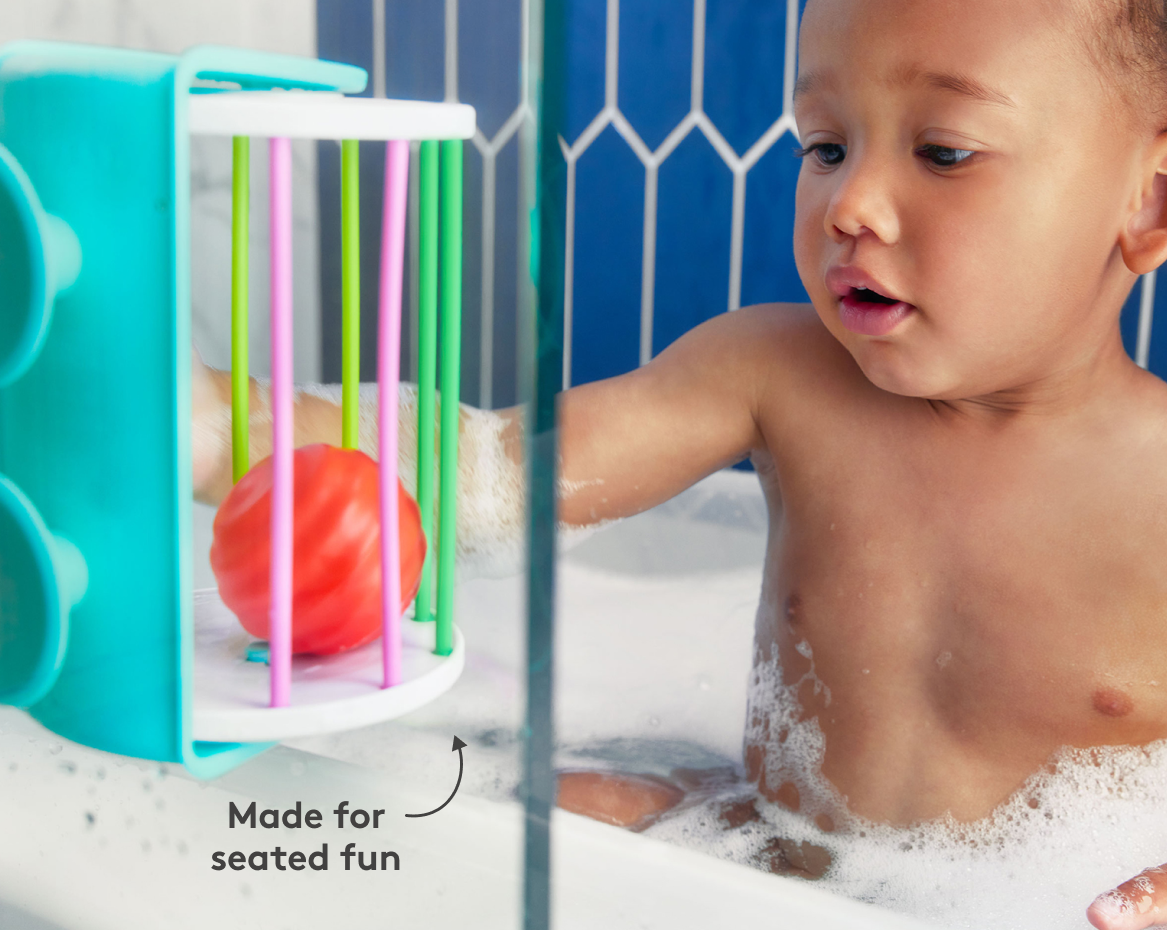
Credit: lovevery.com
Cleaning Different Types Of Toys
Cleaning baby bath toys keeps them safe and hygienic. Different toys require different cleaning methods. Understanding how to clean each type is essential. It ensures your baby’s toys remain germ-free and enjoyable.
Rubber And Plastic Toys
Rubber and plastic toys are easy to clean. Fill a basin with warm soapy water. Use mild dish soap to avoid harsh chemicals. Submerge the toys and scrub with a soft brush. Pay attention to crevices and small parts. Rinse thoroughly to remove soap residue. For extra sanitation, use a mixture of water and white vinegar. Let the toys air dry completely to prevent mold.
Fabric And Soft Toys
Fabric toys need gentle handling. Check the label for washing instructions. Many are machine washable. Use a gentle cycle with cold water. Add a mild detergent to protect the fabric. For hand washing, fill a basin with cold soapy water. Soak the toy and gently scrub with your hands. Rinse thoroughly to remove all soap. Air dry flat to maintain shape and softness.
Extending Toy Lifespan
Proper cleaning keeps baby bath toys fresh and safe. Rinse toys with warm water after each use. Regularly scrub them using mild soap to prevent mold buildup.
Extending Toy Lifespan Baby bath toys are more than just playthings; they’re companions in watery adventures. But every splash session leaves them needing care to stay safe and fun. Extending their lifespan requires regular maintenance and knowing when to let go.Regular Maintenance Tips
Maintaining baby bath toys is simpler than you might think. Start by rinsing them with clean water after every bath. This prevents soap scum buildup and helps keep toys fresh. Create a routine to deep clean toys weekly. Use warm water and mild soap, scrubbing gently to remove any residue. Consider using vinegar as a natural disinfectant; it’s safe for babies and effective against germs. Dry toys thoroughly after each cleaning session. Moisture is the enemy, inviting mold and bacteria. Air dry them in a sunny spot or use a towel for quick results.When To Replace Toys
Even with the best care, bath toys have a lifespan. Look out for signs of wear and tear. Cracks or holes might seem minor, but they can harbor bacteria. Has a toy lost its color or started smelling odd? These are red flags indicating it’s time to say goodbye. Think about safety. If a toy’s parts become loose or sharp edges appear, it’s better to replace it rather than risk harm to your little one. Keeping bath toys in top shape is more than maintenance; it’s about ensuring safe playtime. What steps will you take today to keep your baby’s bath time safe and enjoyable?
Credit: www.youtube.com

Credit: www.tiktok.com
Frequently Asked Questions
How Do I Sanitize Baby Bath Toys?
To sanitize baby bath toys, soak them in a solution of one part vinegar and one part water for 15 minutes. Rinse thoroughly to remove any residue. Regular sanitization helps prevent mold and bacteria build-up, ensuring your baby’s bath toys remain safe and hygienic.
Can Mold Grow Inside Bath Toys?
Yes, mold can grow inside bath toys, especially if they have holes. Moist environments encourage mold growth. To prevent this, ensure toys are thoroughly dried after each use and periodically sanitize them. Consider sealing holes with glue or choosing toys without holes to reduce mold risk.
What Cleaning Products Are Safe For Baby Toys?
Natural cleaning solutions like vinegar or mild dish soap are safe for baby toys. Avoid harsh chemicals and bleach, as they can harm your baby. Always rinse toys thoroughly after cleaning to remove any residue, ensuring they are safe for your baby to play with.
How Often Should Bath Toys Be Cleaned?
Clean bath toys every week to prevent mold and bacteria build-up. Regular cleaning helps maintain hygiene and ensures toys remain safe for your baby. If a toy shows signs of mold or dirt, clean it immediately to keep your baby’s bath environment healthy.
Conclusion
Keeping baby bath toys clean is essential for safety. Regular cleaning prevents germs. Use simple cleaning methods for best results. Warm soapy water works well. Vinegar can help with stubborn stains. Rinse toys thoroughly after cleaning. Air drying prevents mold.
Keep a consistent cleaning schedule. This ensures toys stay hygienic. Avoid harsh chemicals near baby’s toys. Safe practices protect your child’s health. Clean toys make bath time fun. Your baby’s happiness depends on clean toys. Follow these tips for peace of mind.
Enjoy bath time with confidence, knowing toys are safe and clean.