How to Clean Children’s Toys: A Step-by-Step Guide
Have you ever watched your child happily play with their toys, only to later wonder about the invisible germs lurking on them? You’re not alone.
Many parents grapple with the challenge of keeping their children’s toys clean and safe. But fear not! In this guide, you’ll discover simple yet effective strategies to ensure those cherished playthings remain spotless and germ-free. Imagine the peace of mind knowing that the toys your child loves are not only fun but also safe.
Keep reading, and soon you’ll master the art of toy cleaning, turning a daunting task into a stress-free routine. Your child’s health is worth it, and with a few easy steps, you can protect it. Let’s dive into how you can keep playtime both joyful and hygienic.
Importance Of Cleaning Toys
Regularly cleaning children’s toys prevents the spread of germs and keeps playtime safe. Use mild soap and water for most toys, while disinfecting wipes work well for plastic surfaces.
When was the last time you thought about how clean your child’s toys are? Toys are not just instruments of fun; they are also potential carriers of germs and bacteria. Ensuring they are clean is crucial for your child’s health and safety. A routine cleaning schedule can help prevent the spread of illnesses. Plus, a clean toy is a happy toy, free from sticky residue and mysterious stains. Let’s dive into why keeping those toys clean should be a priority for every parent.Protecting Your Child’s Health
Cleaning toys regularly reduces the risk of your child coming into contact with harmful bacteria. Kids love putting toys in their mouths, and this habit can transfer germs quickly. Regular cleaning can significantly cut down the chances of infections and illnesses.Extending Toy Longevity
Dirt and grime can degrade the materials of toys over time. Maintaining cleanliness helps in preserving the toy’s condition, making them last longer. This means your child can enjoy their favorite toys for years, and you save money by not having to replace them frequently.Promoting Good Hygiene Habits
When you clean your child’s toys, you are setting an example. Kids learn by watching you and will understand the importance of cleanliness. This practice instills good hygiene habits in them from a young age.Reducing Allergens
Dust and allergens can accumulate on toys, especially plush ones. Regular cleaning helps to remove these allergens, providing a safer play environment for children with allergies. It ensures that playtime is comfortable and worry-free.Encouraging Organized Play Spaces
A clean toy often means a tidy play area. Keeping toys clean can encourage you to regularly sort and organize them. This not only keeps the space neat but also makes it easier for your child to find and enjoy their toys. Do you have any tips for keeping toys clean that have worked wonders for you? Share your thoughts and let’s keep the conversation going!
Credit: www.facebook.com
Choosing Safe Cleaning Products
Choosing cleaning products wisely ensures toys remain safe for children. Opt for non-toxic, biodegradable options to clean toys effectively. Regular cleaning helps maintain hygiene, protecting children from germs.
Cleaning children’s toys requires attention to safety. Many cleaning products contain harsh chemicals. These can be harmful if ingested or touched. Choosing safe cleaning products is crucial. You want to protect your children while ensuring their toys are clean.Understanding Labels And Ingredients
Read labels carefully on cleaning products. Look for non-toxic and eco-friendly options. Avoid products with bleach, ammonia, or other strong chemicals. Check for natural ingredients such as vinegar or baking soda. These are safer for children.Opting For Natural Solutions
Natural solutions can be effective and safe. Use a mix of water and vinegar for cleaning. It’s gentle and kills many germs. Baking soda is great for scrubbing tough stains. Essential oils like tea tree or lavender add a fresh scent.Using Diy Cleaning Mixes
Create your own cleaning mixes at home. Combine water, vinegar, and essential oils. This mix cleans well and smells nice. Use a soft cloth or sponge with the mix. This method avoids harsh chemicals entirely.Checking Product Safety Certifications
Look for safety certifications on cleaning products. Certifications show that products are tested for safety. Choose products approved by reputable organizations. This ensures they are safe for use around children.Storing Cleaning Products Safely
Store cleaning products out of children’s reach. Keep them in locked cabinets or high shelves. This prevents accidental exposure or ingestion. Proper storage is essential for children’s safety.Cleaning Plastic Toys
Plastic toys are durable and colorful, making them a favorite among children. Keeping them clean is crucial for maintaining hygiene and extending their lifespan. Regular cleaning prevents the buildup of germs, ensuring safe playtime. Here, we will explore two effective methods for cleaning plastic toys.
Washing With Soap And Water
Fill a basin with warm water and add mild dish soap. Submerge the toys and gently scrub them with a soft brush. Pay attention to crevices where dirt can hide. Rinse thoroughly with clean water to remove soap residue. Let the toys air dry completely before use.
Using A Dishwasher
Check the toy’s label for dishwasher compatibility. Place toys in the top rack to avoid heat damage. Use a gentle cycle with regular detergent. Avoid using the heated drying option. Remove toys immediately after the cycle and let them air dry.
Sanitizing Plush Toys
Plush toys are a delightful part of childhood, offering comfort and companionship to your little ones. However, they can also harbor germs and allergens if not cleaned regularly. Keeping these cuddly friends sanitized ensures a healthy play environment for your child. But how do you effectively sanitize plush toys without damaging them? Let’s explore some practical methods.
Machine Washing
Machine washing is often the simplest way to clean plush toys. It’s quick and requires minimal effort on your part. Before tossing a toy into the machine, always check the care label. Many plush toys are machine washable, but some might not withstand a spin cycle.
- Use a gentle cycle to prevent damage.
- Place the toy in a mesh laundry bag for extra protection.
- Opt for a mild detergent to avoid irritating your child’s skin.
One time, I threw my daughter’s beloved teddy bear in the washer without a second thought. I learned the hard way that cold water and a low-spin cycle were key to keeping teddy intact and fluffy. Have you ever had a toy come out unrecognizable?
Hand Washing
Hand washing is an excellent alternative for delicate toys or those with electronic components. It requires a bit more time and effort but can be surprisingly therapeutic. Start by filling a basin with warm water and add a few drops of mild detergent.
- Submerge the toy and gently scrub with a soft cloth or sponge.
- Focus on particularly dirty areas like the paws or face.
- Rinse thoroughly to remove all soap residue.
Once, my son’s favorite stuffed bunny was too precious for the washing machine. I hand washed it while recounting tales of its adventures. The process was unexpectedly calming, and it felt like a bonding moment. What story does your child’s favorite plush toy tell?
Sanitizing plush toys doesn’t have to be a daunting task. With these methods, you can keep your child’s cherished companions clean and safe. Which method will you try first?
Cleaning Wooden Toys
Cleaning wooden toys requires gentle methods to avoid damage. Use a damp cloth with mild soap for surface cleaning. Ensure toys dry completely to prevent mold or warping.
Cleaning wooden toys is important for your child’s health. Wooden toys are durable and eco-friendly. They require special care to maintain their quality. Avoid harsh chemicals. Use natural cleaning methods to keep them safe.Using Vinegar Solution
Vinegar is a natural cleaner. Mix one part vinegar with one part water. Use a soft cloth or sponge. Dip it in the solution and wring it out. Gently wipe the toy’s surface. This cleans dirt and bacteria effectively. Allow toys to air dry completely. This prevents moisture buildup.Avoiding Water Damage
Wooden toys can absorb water. Excessive water can cause damage. Always use a damp cloth, not a soaked one. Never submerge wooden toys in water. Keep them in a dry place. Sunlight can also cause damage. Store them away from direct sunlight. Regular care extends their lifespan.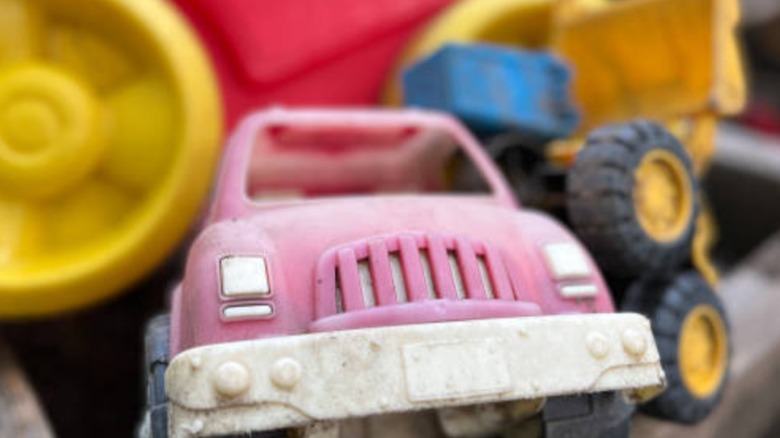
Credit: www.housedigest.com
Disinfecting Electronic Toys
Cleaning children’s electronic toys requires gentle care. Use a soft cloth slightly dampened with water and mild soap. Avoid soaking or spraying directly to prevent damage.
Disinfecting electronic toys ensures they remain safe for children. These toys often harbor germs and bacteria. Proper cleaning extends their lifespan and keeps kids healthy.Wiping With Alcohol
Use a cloth with 70% isopropyl alcohol. This effectively kills germs. Gently wipe the toy’s surface. Focus on buttons and handles. Avoid soaking the cloth. Excess moisture can damage electronics. Ensure the toy dries completely before use.Avoiding Liquid Intrusion
Keep electronic components dry. Never immerse toys in water. Use a damp cloth instead of a wet one. Clean carefully around battery compartments. Secure any openings with tape if needed. This prevents liquid from seeping in. Always check manufacturer’s cleaning instructions.Natural Cleaning Alternatives
Natural Cleaning Alternatives for children’s toys involve using safe, gentle solutions like vinegar and water. This method effectively removes dirt and germs without harsh chemicals, ensuring a safe play environment.
Parents often worry about the chemicals found in commercial cleaning products. These can potentially harm their little ones, especially when it comes to toys that frequently end up in mouths. Thankfully, natural cleaning alternatives offer safe and effective solutions. These methods not only protect your children but also the environment. Let’s dive into some natural cleaning alternatives that are both easy and effective.Using Baking Soda
Baking soda is a versatile and powerful cleaning agent. It helps eliminate odors and break down dirt. To clean toys with baking soda, create a paste by mixing it with a small amount of water. Gently scrub the toys using a soft cloth or brush. This method works wonders on plastic toys and those with stubborn stains. You can also sprinkle baking soda directly onto toys, let it sit for a few minutes, then wipe it away with a damp cloth. This is especially useful for toys with intricate designs or grooves.Lemon Juice Solutions
Lemon juice is a natural disinfectant and leaves a fresh scent. It contains citric acid, which effectively kills germs. Mix equal parts lemon juice and water in a spray bottle. Spritz the solution onto the toys and wipe them down with a clean cloth. This is particularly effective for non-porous toys like blocks or action figures. For an extra cleaning boost, combine lemon juice with baking soda to tackle tougher grime. You’ll not only clean the toys but also add a delightful citrus aroma to your cleaning routine. Which natural method will you try first? Let these simple solutions bring peace of mind to your toy cleaning process.Drying And Storing Tips
Ensure toys are thoroughly dried to prevent mold. Use clean, dry towels or air-dry under the sun. Store toys in sealed containers to keep them dust-free and organized.
Drying and storing children’s toys is crucial for maintaining cleanliness. Proper drying prevents mold and bacteria, while effective storage ensures toys last longer. Here are some practical tips for drying and storing toys safely.Air Drying Techniques
Air drying is simple and effective. After washing, shake off excess water. Spread toys on a clean towel. Place them in a well-ventilated area. Use a fan to speed up drying. Ensure toys are completely dry before storing. Moisture can lead to mold.Proper Storage Solutions
Proper storage keeps toys organized and safe. Use plastic bins with lids to prevent dust. Label bins for easy access. Store toys in a cool, dry place. Avoid direct sunlight, which can fade colors. Use shelves to keep toys off the floor. This prevents tripping hazards and clutter. Stackable bins are great for saving space. Rotate toys regularly to keep playtime exciting.
Credit: www.facebook.com
Frequently Asked Questions
How Often Should I Clean Children’s Toys?
Cleaning frequency depends on usage and toy type. Generally, clean toys weekly to prevent germs. For shared toys, clean more frequently. Always clean toys after illness. Regular cleaning maintains hygiene and prolongs toy life.
What Materials Are Safe For Toy Cleaning?
Use mild soap and warm water for most toys. Vinegar and baking soda are safe for wooden toys. Avoid harsh chemicals as they may be harmful to children. Always check manufacturer instructions for specific cleaning guidelines.
Can I Use A Dishwasher For Toy Cleaning?
Many plastic toys are dishwasher-safe. Check labels for dishwasher compatibility. Use the top rack for safety. Avoid washing battery-operated toys in the dishwasher as they may get damaged.
How Do I Sanitize Stuffed Animals?
For machine-washable stuffed animals, use a gentle cycle with mild detergent. Air dry or use a low-heat setting. Non-machine-washable stuffed animals can be spot-cleaned with mild soap and water. Consider using a fabric-safe disinfectant spray.
Conclusion
Cleaning toys keeps kids healthy and happy. Regular cleaning prevents germs and dirt. Use safe products. Avoid harsh chemicals. Check labels for safety. Easy steps make cleaning simple. Wipe surfaces with damp cloth. Wash stuffed toys in gentle cycle. Air dry completely.
Plastic toys need soap and water. Rinse thoroughly. Store clean toys properly. Teach kids to clean their toys. Make cleaning fun with music or games. Keeps playtime safe and enjoyable. Remember, clean toys mean fewer germs. Happy kids, happy home! Make cleaning a regular habit.
Your child’s health matters.