How to Clean Dog Toys: Easy Tips for Germ-Free Fun
Are your dog’s toys looking a bit worse for wear? You might not realize it, but those squeaky toys and plush pals can become breeding grounds for germs and dirt.
Keeping your dog’s toys clean isn’t just about making them look nice—it’s about protecting your furry friend’s health. Imagine the peace of mind you’ll have knowing your dog’s favorite playthings are free from harmful bacteria. In this guide, you’ll discover simple and effective ways to clean dog toys, ensuring they remain safe and fun for your pup.
Curious about the best cleaning methods for different types of toys? Keep reading to uncover the secrets to maintaining a healthy play environment for your beloved pet.
Types Of Dog Toys
Dog toys come in various forms, each needing different cleaning methods. Understanding the types helps keep them germ-free and safe for play.
Rubber And Plastic Toys
Rubber and plastic toys are durable and easy to clean. Warm soapy water removes dirt and grime. Use a brush for hard-to-reach spots. Rinse thoroughly to ensure no soap residue remains. Dry completely before returning to your dog.
Fabric And Plush Toys
Fabric and plush toys require careful handling. Many are machine washable. Check labels for washing instructions. Use a gentle cycle and mild detergent. Air-dry them to avoid shrinking or damage. Inspect for tears before giving back to your pet.
Rope Toys
Rope toys can harbor bacteria in their fibers. Soaking in warm, soapy water works well. Scrub thoroughly and rinse. Consider microwaving damp rope toys for a few seconds. This helps kill germs. Ensure they are completely dry before use.

Credit: www.instagram.com
Signs Toys Need Cleaning
Discoloration, unpleasant odors, or visible dirt can indicate dog toys need cleaning. Regular cleaning helps maintain hygiene and prevents germs.
Cleaning your dog’s toys is an essential part of their care routine, ensuring that they remain safe and enjoyable for play. But how do you know when your furry friend’s toys need a refresh? Paying attention to a few critical signs can make all the difference in maintaining a healthy environment for your pet. Let’s dive into the tell-tale signs that your dog’s toys need cleaning.Visible Dirt And Grime
Look closely at your dog’s favorite squeaky toy or chew bone. Is there dirt or grime visibly clinging to it? These can be breeding grounds for bacteria, potentially leading to infections if your dog plays with them. A simple wipe might not suffice. Consider giving them a thorough cleaning using pet-safe soap and warm water. You’ll be surprised at how much muck washes away, revealing a toy that looks almost new.Unpleasant Odors
Have you ever noticed a foul smell emanating from your dog’s toys? This odor can be a clear indication that bacteria or mold are present. Dogs have a keen sense of smell, and even if they seem unfazed by the stench, it can still be harmful. Regularly sniff your dog’s toys. If they don’t pass the smell test, a deep clean is necessary. Sometimes, soaking toys in a vinegar solution can eliminate unwanted smells effectively.Wear And Tear
Observe the physical condition of your dog’s toys. Do they have tears, holes, or missing pieces? While wear and tear are natural over time, they might signal it’s time for cleaning or even replacement. Sharp edges or exposed stuffing can pose a choking hazard or other risks. Cleaning can help restore some toys, but knowing when to retire them is crucial. Consider rotating toys to prolong their lifespan and keep playtime exciting. By keeping an eye on these signs, you can ensure your dog’s playthings are clean and safe, contributing to their overall health and happiness. What will you discover next time you scrutinize your pup’s toy collection?Cleaning Supplies Needed
For cleaning dog toys, gather mild dish soap, a soft brush, and warm water. Rinse thoroughly to remove soap residue. Disinfect with vinegar or pet-safe sanitizers for deeper cleaning.
Cleaning your dog’s toys is not just about keeping them looking good—it’s essential for your pup’s health. You’ll want to have the right cleaning supplies on hand to make the process effective and safe. Let’s explore some essentials you should consider, ensuring your dog’s toys stay clean, fresh, and ready for play.Mild Detergent
A mild detergent is perfect for cleaning most dog toys, especially those made of rubber or plastic. Choose a detergent that is free of harsh chemicals and fragrances. You wouldn’t want your pup to chew on something that could irritate their mouth or stomach. Mix a small amount with warm water and scrub the toys gently. This will help remove grime without damaging the toy’s material. Is your dog sensitive to certain products? Opt for a hypoallergenic detergent to avoid any reactions.Baking Soda And Vinegar
Baking soda and vinegar are a dynamic duo when it comes to cleaning. These natural ingredients are not only effective but also safe for your dog. Baking soda works wonders in deodorizing toys, while vinegar helps in disinfecting and removing stubborn stains. Create a paste with baking soda and water for a deep clean. For a quick refresh, soak toys in a mixture of vinegar and water. Did you know vinegar’s antibacterial properties can keep germs at bay? It’s a safe choice for those toys your pup just can’t live without.Disinfectant Wipes
Disinfectant wipes are handy for quick cleans. They are perfect for toys that can’t be submerged in water, like those with squeakers. Look for wipes that are pet-safe and free from harsh chemicals. Swipe over the toys after a play session, especially if your dog likes to take them outdoors. This keeps dirt and bacteria from building up. Ever wonder about the germs your dog might be picking up? A quick wipe down can make a huge difference. Cleaning your dog’s toys shouldn’t be a chore—it’s an opportunity to ensure your pet stays healthy and happy. What cleaning supplies have you found most effective?Cleaning Rubber And Plastic Toys
Cleaning dog toys is essential for your pet’s health. Use mild soap and warm water to scrub rubber and plastic toys. Rinse thoroughly to remove all soap residue, then let them air dry completely.
Cleaning rubber and plastic dog toys is essential for your pet’s health. These toys can collect dirt, saliva, and bacteria. Regular cleaning keeps them safe and enjoyable for play. Two common methods are using the dishwasher or hand washing.Dishwasher Method
Using the dishwasher is a quick way to clean toys. Place toys on the top rack. Use a mild detergent. Ensure the dishwasher is set to a gentle cycle. Avoid using heat drying to prevent damage. Once done, let them air dry completely. Check for any remaining soap or residue.Hand Washing Steps
Hand washing is ideal for delicate toys. Fill a basin with warm water. Add a few drops of mild dish soap. Use a brush to scrub the toys. Pay attention to grooves and crevices. Rinse thoroughly with clean water. Dry the toys with a towel. Allow them to air dry before use. Inspect for any wear or damage.Washing Fabric And Plush Toys
Cleaning dog toys involves washing fabric and plush toys to keep them safe and hygienic. Use mild detergent and warm water for a thorough clean. Air-dry completely before giving them back to your pet.
Cleaning your dog’s fabric and plush toys is crucial for their health. These toys often accumulate dirt and bacteria over time. Regular washing not only keeps them fresh but also extends their lifespan. Whether the toys are machine washable or need hand washing, proper care is essential. Let’s explore the best ways to clean these beloved items.Machine Wash Instructions
Most fabric and plush toys can be washed in a machine. Check the toy’s label for any specific instructions first. Use a gentle cycle to prevent damage. Choose a mild detergent that’s safe for pets. Avoid fabric softeners as they may irritate your dog’s skin. Place the toys in a laundry bag to protect them. Ensure the water temperature is warm but not too hot. Once washed, let the toys air dry completely. This prevents mold and maintains the toy’s shape.Hand Wash Techniques
Some toys require hand washing for best results. Begin by filling a basin with warm water. Add a small amount of pet-safe detergent. Submerge the toy and gently scrub its surface. Use a soft brush for stubborn stains. Rinse thoroughly to remove all soap residue. Press the toy gently to remove excess water. Lay it flat on a towel to dry. Turn the toy occasionally to speed up drying. Make sure it’s completely dry before giving it back to your dog.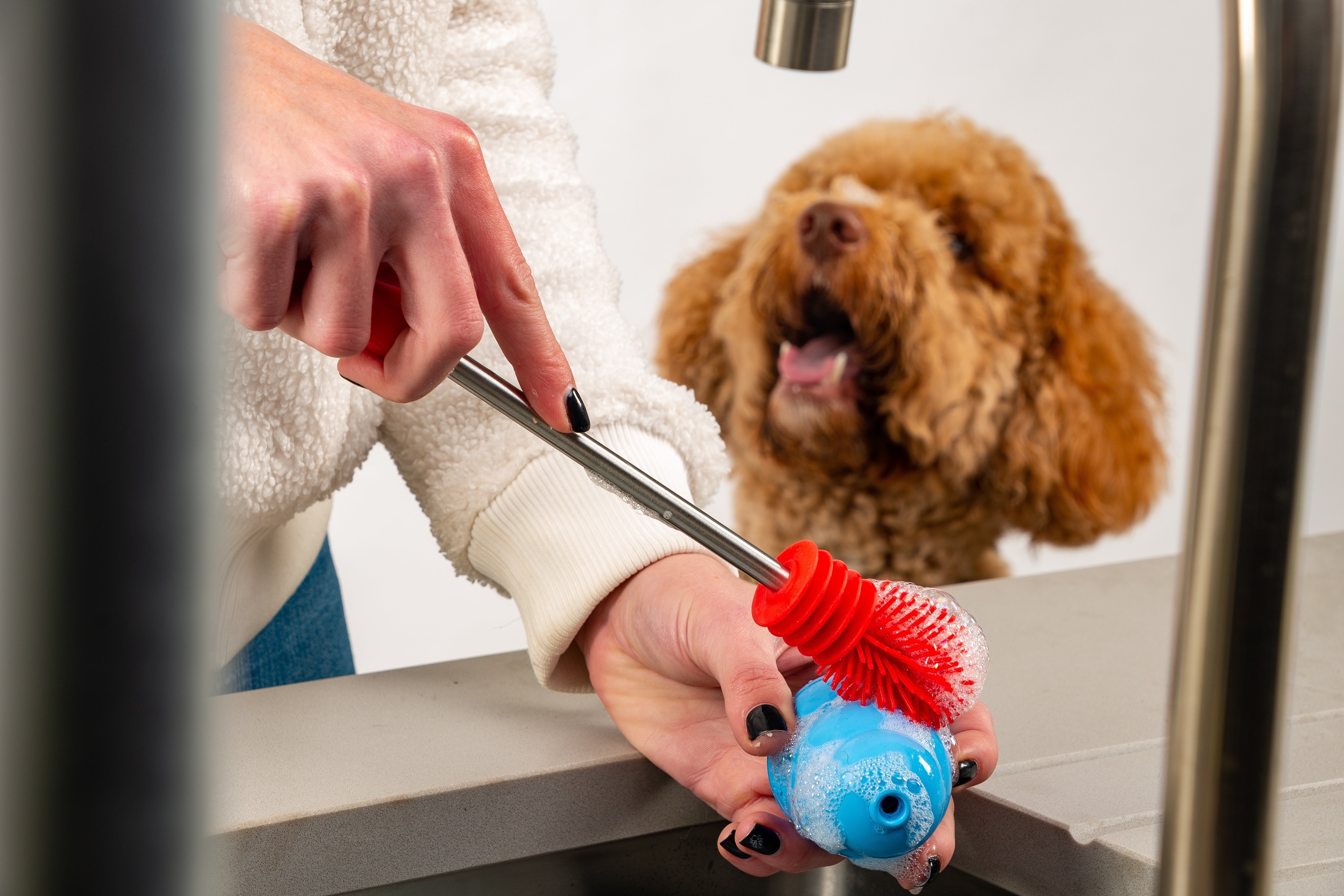
Credit: www.nofussfill.com
Sanitizing Rope Toys
Sanitizing rope toys ensures a germ-free playtime for pets. Soak them in hot, soapy water and rinse thoroughly. Dry completely to prevent mold growth.
Sanitizing your dog’s rope toys is essential to maintain their health. These toys can harbor germs and bacteria. Regular cleaning ensures they stay safe for play. Rope toys are durable and fun for dogs. They often get dirty quickly. Here are effective methods to sanitize them.Boiling Method
Boiling rope toys is a simple way to kill germs. Fill a pot with water and bring it to a boil. Submerge the rope toy in the boiling water for 10 minutes. This process helps eliminate bacteria and germs. Ensure the toy cools before giving it to your dog. This method works well for cotton rope toys. Avoid boiling toys with metal parts.Microwave Disinfection
Use the microwave to disinfect rope toys. Dampen the toy with water thoroughly. Place the damp toy in the microwave. Heat it on high for one minute. The heat kills bacteria and germs. Let the toy cool before returning it to your pet. This method is quick and effective. Ensure the toy is wet to prevent damage. Avoid using this method with toys that have plastic or metal parts.Drying And Storage Tips
Ensure dog toys are thoroughly dried to prevent mold. Store clean toys in a cool, dry place, away from sunlight. Regular cleaning keeps toys safe and extends their lifespan.
Drying and storing dog toys is essential for maintaining their condition. Proper care ensures they remain safe and hygienic for your pet. Clean, dry toys last longer and prevent bacteria buildup. Follow these tips for effective drying and storage.Air Drying Techniques
Air drying is a simple method. Use a clean towel to remove excess water. Find a well-ventilated area for drying. Ensure the space is free from dust and dirt. Spread the toys on a flat surface. Allow them to dry completely. Flip the toys periodically for even drying. Avoid direct sunlight to prevent material damage.Proper Storage Practices
Store toys in a clean, dry place. Use a designated toy basket or bin. Keep the storage area off the floor. This prevents moisture buildup. Sort toys by type and size. This makes them easy to find. Regularly inspect the toys for damage. Discard any with sharp edges or tears. Replace worn-out toys to keep your pet safe.Maintaining Cleanliness
Maintaining cleanliness is crucial for your dog’s health and happiness. Clean dog toys not only prevent the spread of germs but also ensure your furry friend has a safe playtime. It’s easy to overlook this task, yet it’s one of the simplest ways to keep your dog healthy. So, how can you make this a routine part of your pet care? Let’s dive into some practical strategies.
Regular Cleaning Schedule
Creating a regular cleaning schedule for your dog’s toys is essential. This doesn’t have to be a daily chore; a weekly or bi-weekly routine works well for most toys. Consider setting a reminder on your phone or calendar to stay consistent.
Think about the types of toys your dog has. Plush toys might need washing more frequently than rubber ones. You can use mild soap and water for most toys, but ensure to rinse thoroughly.
What if you have a busy week? You can always use quick solutions like wiping toys with pet-safe disinfectant wipes. This keeps germs at bay between deep cleans.
Inspecting For Damage
Cleaning time is perfect for inspecting toys for any damage. Check for tears in fabric toys and cracks in rubber toys. Damaged toys can pose a risk to your dog, especially if they swallow loose parts.
Have you ever noticed your dog losing interest in a toy? Sometimes, it’s not because they’re bored but because the toy is damaged or dirty. Regular inspections help maintain toy safety and your dog’s interest.
Don’t hesitate to discard toys that are beyond repair. Keeping broken toys might seem economical, but they can lead to costly vet visits if your dog ingests something harmful.

Credit: www.tiktok.com
Frequently Asked Questions
How Often Should I Clean Dog Toys?
Cleaning frequency depends on toy usage and environment. Regularly clean toys to prevent bacteria build-up. For active dogs, clean weekly. Less-used toys may need monthly cleaning. If toys look dirty or smell, clean them immediately. Always check for wear and tear during cleaning.
What Is The Best Way To Sanitize Dog Toys?
Use mild soap and warm water for most toys. Rinse thoroughly to remove soap residue. For plastic toys, a vinegar solution can help sanitize. Dishwasher-safe toys can be placed in the dishwasher. Always check manufacturer instructions for specific cleaning guidelines.
Can I Use Bleach To Clean Dog Toys?
Bleach isn’t recommended for cleaning dog toys. It can leave harmful residues. Instead, use non-toxic cleaners like vinegar or baking soda. These are safe and effective. Always rinse thoroughly and dry toys completely after cleaning to ensure safety for your dog.
Are There Natural Cleaners For Dog Toys?
Yes, natural cleaners like vinegar and baking soda are effective. Mix vinegar with water to create a cleaning solution. Baking soda can be used to scrub stubborn stains. These options are safe for dogs and environmentally friendly. Ensure toys are thoroughly rinsed and dried afterward.
Conclusion
Keeping dog toys clean is essential for your pet’s health. Regular cleaning prevents germs and keeps toys safe. Try different cleaning methods for various toy types. Use mild soap and warm water for most toys. Check labels for specific cleaning instructions.
Avoid harsh chemicals that may harm your dog. Inspect toys for any damage before cleaning. Replace broken toys to avoid injury. Cleanliness ensures fun and safe playtime. Your dog deserves clean toys to stay happy and healthy. Take time to clean toys regularly.
Enjoy playful moments with your furry friend!