How to Clean Infant Toys: Safe & Effective Methods
When you see your little one playing with their favorite toys, it’s heartwarming. But have you ever stopped to think about how clean those toys are?
You want to ensure your baby’s toys are not only fun but also safe and hygienic. Germs and bacteria can linger on toys, making them a potential risk for your child’s health. Imagine feeling confident every time your baby reaches for their beloved stuffed animal or teething ring, knowing it’s spotless and safe.
In this guide, you’ll discover simple and effective ways to clean infant toys, ensuring your child stays happy and healthy. Keep reading to learn the secrets to keeping your baby’s toys in pristine condition, with tips that will make cleaning a breeze.
:max_bytes(150000):strip_icc()/How-to-clean-baby-toys-5214136-3866d337300b4b13bed733b58b646ef4.png)
Credit: www.parents.com
Choosing Safe Cleaning Products
Choosing safe cleaning products for infant toys ensures a germ-free environment. Opt for non-toxic, fragrance-free cleaners. Rinse toys thoroughly after cleaning to remove any residue.
Choosing safe cleaning products for infant toys is crucial. Babies explore with their mouths, making toy cleanliness vital. Safe cleaning products ensure your baby’s health is protected.Natural Cleaners
Natural cleaners are gentle on toys and safe for infants. Vinegar is a popular choice. It disinfects and removes grime effectively. Mix equal parts of vinegar and water in a spray bottle. Spray the solution on the toy and wipe with a clean cloth. Baking soda is another excellent option. It removes stains and odors. Make a paste with water and baking soda. Apply it to the toy, scrub gently, and rinse well.Avoiding Harsh Chemicals
Avoid harsh chemicals that can harm your baby. Many store-bought cleaners contain strong chemicals. These can leave residues on toys. Always read labels carefully. Look for words like “non-toxic” and “baby-safe.” Opt for unscented cleaners. Fragrances can cause allergies in infants. Always rinse toys thoroughly after cleaning. This ensures no residues remain.Cleaning Plastic Toys
Cleaning plastic toys requires gentle care. Use mild soap and warm water for a safe wash. Rinse thoroughly and air dry to ensure no residue remains.
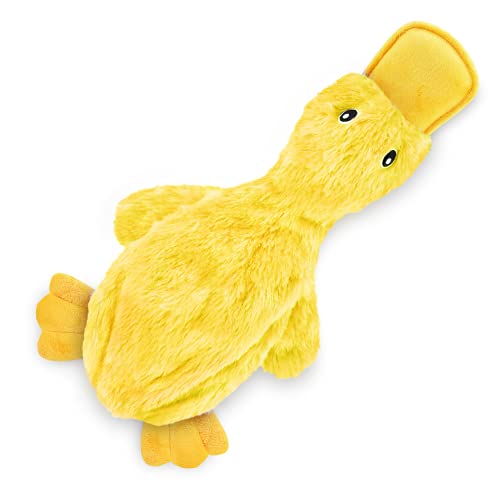
Cleaning Plastic Toys Plastic toys are a staple in many homes, providing endless entertainment for infants. However, these toys can quickly become breeding grounds for germs and bacteria. Regular cleaning is crucial to ensure your little one’s playtime is both fun and safe.Dishwasher Safe Options
Did you know some plastic toys can take a ride in your dishwasher? This method is an easy way to sanitize toys without much effort. Check the toy’s label or manufacturer instructions to see if it’s dishwasher safe. Place these toys on the top rack to avoid damage from high heat. Use a gentle cycle and avoid adding dishes or utensils that could scratch or damage the toys. Remember, not all toys are suitable for this method. If in doubt, opt for handwashing.Handwashing Techniques
For toys that aren’t dishwasher safe, handwashing is a reliable alternative. Fill a basin with warm water and add a few drops of mild dish soap. This creates a gentle yet effective cleaning solution. Use a soft cloth or sponge to scrub the toys, paying special attention to crevices and textured areas. Rinse thoroughly under running water to remove all soap residue. Dry toys with a clean towel or let them air dry. Ensure they are completely dry before returning them to your child’s play area to prevent mold growth. Have you ever noticed how quickly toys can get sticky? Regular handwashing can help maintain their appearance and ensure they stay germ-free.Sanitizing Fabric Toys
Sanitizing fabric toys ensures a safe playtime for infants. Use a gentle detergent and warm water for washing. Air dry thoroughly to prevent mold and bacteria growth.
Cleaning your infant’s fabric toys is essential for maintaining a healthy environment. These toys can harbor germs and bacteria, especially since little ones love to chew and drool on them. Regular sanitization not only helps in keeping the toys looking fresh but also ensures your child’s safety. Let’s explore some effective ways to sanitize fabric toys.Machine Washing Tips
Machine washing can be a convenient way to clean fabric toys, but it requires some attention to detail. First, check the toy’s label for washing instructions. Some toys might be delicate or contain electronic parts that are not machine washable. Use a gentle cycle with cold water to prevent color fading and fabric damage. Placing toys in a pillowcase or laundry bag can protect them during the wash. Add a mild detergent and avoid fabric softeners as they can irritate a baby’s skin. After washing, air dry the toys to maintain their shape and avoid any potential heat damage from the dryer.Spot Cleaning Methods
Not all fabric toys can be tossed in the washing machine. Spot cleaning is a great alternative for delicate or non-machine washable toys. Start with a damp cloth and a small amount of mild soap. Gently dab the stained areas, avoiding rubbing as it can push the stain deeper into the fabric. For stubborn stains, mix a solution of equal parts water and white vinegar. Use a soft brush to lightly scrub the affected area, then blot with a clean cloth to remove excess moisture. Do you find yourself wondering how often to clean these toys? A good rule of thumb is to clean them whenever they look dirty or at least once a month. Keeping a regular cleaning schedule ensures your baby plays with safe and hygienic toys.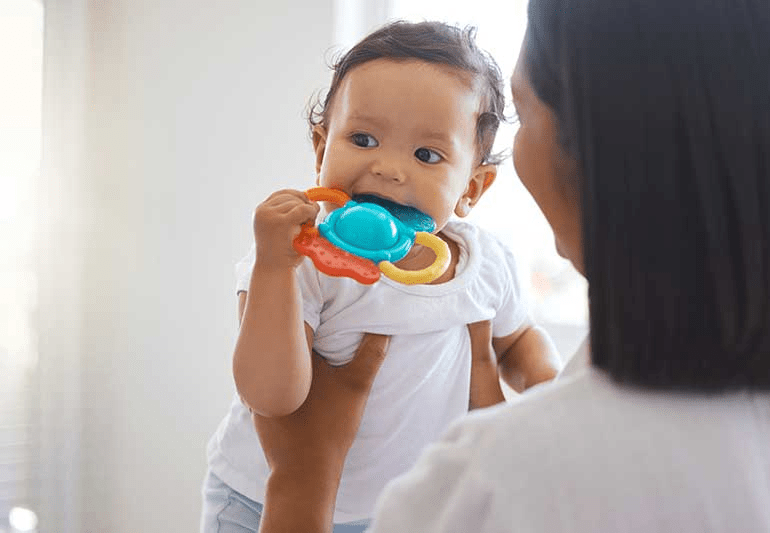
Credit: health.clevelandclinic.org
Disinfecting Wooden Toys
Ensure wooden toys are clean and safe for infants. Use mild soap and water to wipe them gently. Avoid soaking to prevent damage.
Disinfecting wooden toys is important for your infant’s safety. Wood is porous, so it can harbor germs. Using the right cleaning methods ensures the toys are safe.Gentle Cleaning Solutions
Natural solutions are best for wooden toys. Consider a mix of vinegar and water. This solution is effective yet gentle on wood. Use a soft cloth to apply the solution. Wipe the toy carefully, covering all surfaces. Avoid soaking the toy as excess moisture can damage wood.Proper Drying Practices
After cleaning, drying is crucial. Use a dry cloth to remove excess moisture. Place the toy in a well-ventilated area. Ensure it dries completely before use. Sunlight can help dry and disinfect wood naturally. Avoid high humidity areas to prevent mold growth. Proper drying keeps toys safe and durable for your infant.Electronic Toys Care
Clean infant toys regularly to ensure safety and hygiene. Use mild soap and warm water for washing. Dry thoroughly to prevent mold growth.
Electronic toys are part of every infant’s playtime. These toys offer bright lights, sounds, and interactive features. Keeping them clean is crucial for your baby’s health. Proper care ensures these toys last long and remain safe.Battery Safety Measures
Ensure the toy is turned off before cleaning. Remove the batteries to avoid any electrical mishaps. Check the battery compartment for leaks or corrosion. Replace damaged batteries immediately. Store batteries in a dry place when not in use. Use only the recommended battery type for the toy.Surface Cleaning Techniques
Use a soft cloth dampened with water to wipe surfaces. Avoid soaking electronic toys in water. Use mild soap for sticky residues. Clean crevices with cotton swabs. Ensure no water enters the battery compartment. Dry the toy thoroughly before reassembling.
Credit: purezest.ca
Regular Cleaning Routine
Sanitize infant toys by wiping them with a damp cloth and mild soap. Rinse thoroughly and air dry. For plastic toys, a quick soak in warm, soapy water can help.
Regular cleaning of infant toys is crucial for their health. Toys often accumulate germs, dirt, and bacteria. A routine cleaning schedule helps keep them safe. It doesn’t require much effort but makes a big difference. Let’s explore some key aspects of maintaining a regular cleaning routine.Frequency Recommendations
Infant toys should be cleaned regularly. For frequently used toys, weekly cleaning is ideal. For toys less used, clean them monthly. Soft toys can be washed every two weeks. Hard toys can be wiped down more often. Follow manufacturer’s instructions for specific cleaning guidelines.Benefits Of Consistency
A consistent cleaning routine reduces germs and bacteria. It keeps toys free from dust and allergens. This practice minimizes the risk of infections. Clean toys promote a healthier play environment. Children stay safe and parents worry less about hygiene. Regular cleaning extends the lifespan of toys.Storing Clean Toys
Ensure infant toys are clean and safe. Use mild soap and warm water for washing. Dry completely before storing in a cool, dry place.
Storing clean toys is vital for maintaining a healthy play environment. After cleaning, proper storage ensures toys remain fresh and ready for play. Keeping toys organized and free from dust not only extends their lifespan but also promotes a clutter-free space. Here’s how you can achieve that effectively.Avoiding Dust Accumulation
Dust can quickly settle on toys, making them dirty again. To combat this, use storage bins with lids. These containers shield toys from dust and debris. Clear bins are particularly useful. They allow you to see what’s inside without opening them. For larger toys, consider using breathable fabric bags. They offer protection while allowing airflow. Regularly dust the storage area. This simple routine reduces the chances of dust settling on toys.Organizing Tips
Organization is key to a tidy play area. Sort toys by category. Place similar items together in labeled bins. This method makes finding toys easier for both parents and children. Use shelves to maximize space. Store frequently used toys at accessible heights. Keep special occasion or less-used toys on higher shelves. For small parts, use transparent jars or small containers. Label each jar for quick identification. Rotate toys weekly to keep playtime exciting. Store the rest out of sight. This keeps the play area uncluttered and fresh. Regularly review and declutter to ensure space is used efficiently.Frequently Asked Questions
How Often Should Infant Toys Be Cleaned?
Infant toys should be cleaned regularly, ideally once a week. For toys that are frequently mouthed, clean them daily. Regular cleaning helps prevent the spread of germs and bacteria. Always follow the manufacturer’s instructions for cleaning to ensure the safety and longevity of the toys.
Can I Clean Infant Toys With Vinegar?
Yes, vinegar is a safe cleaning agent for infant toys. Mix equal parts of vinegar and water for a natural solution. Use a cloth or sponge to wipe down the toys. Rinse thoroughly with water and let them air dry.
Avoid vinegar on electronic toys or those with batteries.
Are Dishwasher-safe Toys Safe For Infants?
Yes, dishwasher-safe toys are convenient and safe for infants. Place them on the top rack to avoid melting. Use a mild detergent and select a gentle cycle. Always check the manufacturer’s instructions to ensure the toy’s material is dishwasher-friendly and safe for infants.
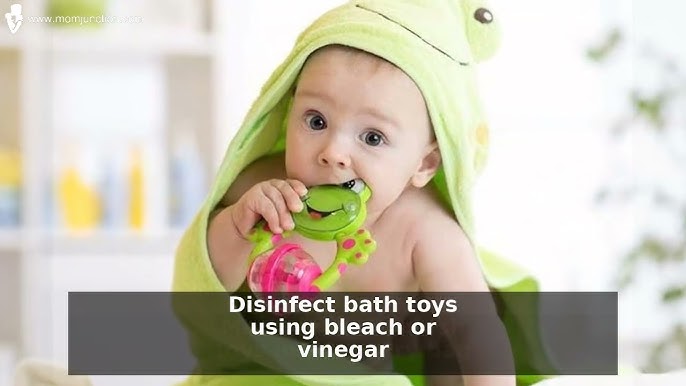
How Do I Sanitize Bath Toys?
To sanitize bath toys, soak them in a bleach solution. Mix one tablespoon of bleach with one gallon of water. Submerge the toys for five minutes, then rinse them thoroughly. Ensure they are completely dry before the next use. This method helps eliminate mold and bacteria effectively.
Conclusion
Keeping infant toys clean ensures a safe playtime for your child. Regular cleaning prevents germs and protects your baby’s health. Always check labels for safe cleaning methods. Use mild soap and warm water for most toys. For electronic toys, wipe with a damp cloth.
Avoid harsh chemicals that may harm your baby. Dry toys thoroughly before storing them. Consistent cleaning builds a healthy habit and maintains toy longevity. Parents, stay mindful and attentive. Your efforts create a safe environment for your little one. Clean toys mean happy and healthy playtime!