How to Disinfect Bath Toys: Ultimate Clean Guide
Bath time is one of those special moments where your child’s laughter fills the air, and their imagination runs wild. But amidst the fun, have you ever paused to think about what’s lurking inside those colorful bath toys?
Yes, the same ones your child loves to squeeze and splash. If you’re like most parents, you want to ensure your little one’s playthings are not just fun but also safe. That’s why knowing how to disinfect bath toys is crucial.
In this guide, you’ll discover simple, effective methods to keep those toys clean and free from mold and germs. By the end, you’ll have peace of mind knowing that bath time is not only enjoyable but also hygienic for your child. Dive into the details, and let’s make bath time worry-free!
Importance Of Clean Bath Toys
Disinfecting bath toys helps prevent mold and bacteria buildup, ensuring a safe play environment for children. Regular cleaning involves using mild soap and water, followed by soaking in a vinegar solution to kill germs effectively. Proper drying is crucial to avoid moisture, which can lead to harmful bacteria growth.
Keeping bath toys clean is more than just a matter of appearance; it’s essential for your child’s health. These toys, often damp and stored in warm bathrooms, can become breeding grounds for bacteria and mold. Ensuring they are disinfected regularly can prevent your child from being exposed to harmful germs during playtime.Health Risks Of Dirty Bath Toys
You might be surprised to learn the kinds of germs that can thrive in your child’s bath toys. Mold and mildew, which can trigger allergies and respiratory issues, often develop unnoticed inside toys. Contaminated toys can also harbor bacteria like E. coli, which pose serious health risks.Signs Your Bath Toys Need Cleaning
How do you know when it’s time to clean those toys? Look for visible mold inside or outside the toy. A musty smell is another clear indicator that bacteria are present. Regular checks can help you catch any issues early.Benefits Of Regularly Disinfecting Bath Toys
Maintaining a cleaning schedule ensures the toys remain safe for your child. Regular disinfection not only removes harmful germs but also extends the life of the toys. Plus, it gives you peace of mind knowing your child is playing in a safe environment.Personal Insights On Clean Bath Toys
I once neglected my child’s bath toys, thinking a quick rinse was enough. It wasn’t until I noticed mold inside a rubber duck that I realized the importance of regular cleaning. This experience taught me that a little effort goes a long way in keeping bath time both fun and safe.Why Consistency Matters In Cleaning
Consistency is key to preventing the buildup of germs. By making cleaning a routine, you ensure that your child is always playing with safe toys. It also helps instill good hygiene habits in your family, showcasing the importance of cleanliness in everyday life.Practical Tips For Busy Parents
Feeling overwhelmed by the thought of adding another task to your list? Here’s a quick tip: schedule toy cleaning alongside another routine, like laundry day. A simple vinegar soak while you manage other chores can keep those toys fresh and safe. Regular disinfection of bath toys is a small step that can make a big difference in your child’s health. So, when will you start your cleaning routine?Common Germs And Risks
Bath time is a fun and essential part of your child’s routine, but lurking within those colorful bath toys could be a host of unseen threats. These toys can be a breeding ground for common germs and bacteria, posing risks to your child’s health. Understanding these risks can help you take effective steps to ensure a safe and clean bath time environment.
Common Germs Found On Bath Toys
Bath toys often come into contact with water, soap, and your child’s skin, creating the perfect environment for germs to thrive. Moisture trapped inside toys can lead to the growth of bacteria such as E.coli and Staphylococcus. Mold is another common culprit, especially in toys that squirt water. These microorganisms can cause infections and other health issues if not properly managed.
Risks Associated With Contaminated Bath Toys
Did you know that dirty bath toys can lead to skin infections and respiratory issues? Children often put toys in their mouths, increasing the risk of ingesting harmful bacteria. This can result in stomach problems and other health complications. Keeping toys clean is crucial to preventing these risks and ensuring your child’s safety.
Signs Your Bath Toys May Be Contaminated
Are your bath toys showing visible mold or a foul odor? These are signs that germs have taken hold. Toys that squirt water can harbor mold inside, even if they look clean on the outside. Regular inspection can help you identify and address contamination before it becomes a problem.
Preventive Measures To Minimize Germs
- Rinse toys thoroughly after each use to remove soap residue and bacteria.
- Store toys in a dry place to prevent mold growth.
- Consider toys that don’t retain water or have removable parts for easy cleaning.
What steps can you take today to ensure your child’s bath toys are safe and clean? Regular cleaning and maintenance are key to keeping germs at bay and ensuring a healthy bath time experience.
Materials And Types Of Bath Toys
Disinfecting bath toys involves understanding their materials and types. Most bath toys are made from plastic, rubber, or silicone. Each material requires specific cleaning methods to prevent mold and bacteria.
Bath time can be a delightful experience for your little ones, filled with splashes, giggles, and colorful toys. But have you ever considered what lurks beneath the surface of those beloved bath toys? Understanding the materials and types of bath toys is the first step in ensuring they remain clean and safe for your children. From squishy rubber ducks to floating boats, each material requires a unique approach to effective cleaning.Materials Used In Bath Toys
Bath toys come in various materials, each offering different benefits and challenges when it comes to cleaning. Common materials include: – Plastic: Lightweight and durable, plastic toys are resistant to water damage but can develop mold in hidden crevices. – Rubber: Known for its flexibility, rubber toys are soft but can harbor bacteria if not properly dried. – Foam: Often used for educational toys, foam is absorbent and can become a breeding ground for germs if not disinfected regularly.Types Of Bath Toys
Exploring the types of bath toys can help you determine the best cleaning method for each. Consider the following: – Squeaky Toys: These are usually rubber or plastic and can trap water inside. Ensure you squeeze out all the water after each use. – Floating Toys: Often made of plastic or foam, these toys should be thoroughly dried to prevent mold. – Interactive Toys: Featuring moving parts, these toys need extra attention to ensure all components are clean and dry. Have you found yourself scrubbing away at stubborn soap scum or battling moldy residues on your child’s favorite duck? How do you tackle the cleaning challenges posed by different materials? Ensuring a clean bath toy collection not only protects your child but also prolongs the life of the toys.
Credit: www.youtube.com
Signs Toys Need Cleaning
Bath toys are a fun way to make bath time enjoyable for kids. However, they can also become breeding grounds for bacteria and mold. Knowing when your child’s bath toys need cleaning is crucial to ensuring their safety and health.
Have you noticed a slimy residue on the toys? This is a clear indication they need a thorough cleaning. The slime is often a mix of soap scum and bacteria, which can be harmful if ingested or if it comes into contact with sensitive skin.
Another sign is a musty or unpleasant odor. If bath toys smell off, it’s likely mold or bacteria are thriving inside them. Bath toys, especially those with small openings, can trap moisture, creating the perfect environment for mold to grow.
Discoloration is another red flag. If the vibrant colors of the toys have faded or changed, it might be due to bacteria or mold growth. While this may not always be dangerous, it certainly calls for a good cleaning to prevent any health risks.
Visible Mold Or Mildew
If you can see mold or mildew on the toys, it’s definitely time for cleaning. Mold can appear as black or green spots and can be particularly harmful if your child has allergies or respiratory issues.
Stains On Surfaces
Stains on bath toys can indicate contamination. These could be residue from soap or oils, but often, they signal bacterial growth. Regular cleaning can prevent stains and keep toys looking fresh.
Floating Debris
Finding floating debris around bath toys is not only unpleasant but also a sign of contamination. Debris can come from the toys themselves as they deteriorate or from collected dirt and grime.
Taking the time to regularly inspect bath toys for these signs can help maintain a clean and safe environment for your children during their bath time adventures. What steps will you take to ensure your child’s bath toys are clean and safe?
Essential Cleaning Supplies
Disinfect bath toys by using a mixture of water and white vinegar. Soak toys for 30 minutes to kill germs. Rinse thoroughly with clean water, then allow to dry completely before returning to play.
Keeping bath toys clean is essential for your child’s health and safety. These toys can harbor mold, bacteria, and other harmful microorganisms if not cleaned properly. To ensure your child’s bath time is both fun and safe, you need the right cleaning supplies. But what exactly should you have on hand?Vinegar
Vinegar is a natural disinfectant that can effectively kill bacteria and mold. Its acidic nature makes it ideal for cleaning bath toys. You can mix it with water for a gentle cleaning solution. Plus, it’s safe and non-toxic, so you won’t have to worry about harsh chemicals.Baking Soda
Baking soda is a versatile cleaning agent that works well in combination with vinegar. It can help scrub away stubborn grime and residue. Adding baking soda to your cleaning routine can make toys look and feel like new again. It’s gentle enough not to damage the toys but strong enough to remove stains and odors.Bleach
While bleach is a powerful disinfectant, it should be used sparingly and with caution. It’s best for deep cleaning, especially if the toys have visible mold spots. Always dilute bleach with water and rinse the toys thoroughly afterward. Using bleach occasionally can ensure a more thorough clean but always prioritize safety.Dish Soap
Dish soap is a staple for everyday cleaning. Its grease-cutting properties make it effective for removing dirt and grime from toys. Simply mix with warm water and scrub the toys gently. It’s a great option for regular maintenance, keeping toys fresh without the need for harsh chemicals.Toothbrush
An old toothbrush can be a handy tool for scrubbing tiny crevices in bath toys. Its bristles can reach areas that are difficult to clean with a cloth or sponge. Using a toothbrush can ensure you get into every nook and cranny, leaving no space for germs to hide.Cleaning Bucket
Having a dedicated cleaning bucket makes the process more organized. You can soak toys in your cleaning solution and scrub them easily. It keeps the mess contained and allows for efficient cleaning. Plus, it’s a simple way to ensure toys are thoroughly rinsed and dried before use.Drying Rack
After cleaning, it’s crucial to dry the toys properly to prevent mold growth. A drying rack ensures that toys dry evenly and quickly. This simple tool can make a big difference in maintaining cleanliness. It prevents water from pooling and gives toys a longer life. What cleaning supplies do you always keep handy for bath toys? Share your thoughts in the comments!
Credit: www.tiktok.com
Quick Clean Methods
Disinfect bath toys by soaking them in a mixture of vinegar and water. Scrub them gently to remove grime. Rinse thoroughly and let them air dry to ensure cleanliness.
Disinfecting bath toys quickly is crucial for keeping them safe. Germs and mold can grow easily in toys. Quick clean methods help reduce these risks. They are simple and effective. This guide shows you some easy ways to keep bath toys clean.Vinegar Solution Soak
Mix equal parts of vinegar and water in a bowl. Soak the toys for about 10 minutes. Rinse them well with clean water. Vinegar is a natural disinfectant. It helps kill bacteria and mold.Baking Soda Scrub
Make a paste with baking soda and water. Use an old toothbrush to scrub the toys. This method removes dirt and grime. Rinse the toys thoroughly after scrubbing.Dish Soap And Warm Water
Fill a basin with warm water and add dish soap. Submerge the toys and let them soak. Scrub with a sponge to remove any residue. Rinse well to remove all soap.Microwave Disinfection
Place toys in a microwave-safe bowl with water. Heat for one minute. The steam kills bacteria effectively. Ensure toys are microwave-safe first.Bleach Solution Rinse
Mix a small amount of bleach with water. Dip toys for a short time. Rinse thoroughly with clean water. This method is effective but use it sparingly.Deep Cleaning Techniques
Disinfect bath toys by soaking them in a mixture of water and white vinegar. Rinse thoroughly with clean water. Ensure toys dry completely to prevent mold growth.
Deep cleaning bath toys is essential to ensure they remain safe and hygienic for your little ones. Over time, these toys can accumulate mold and bacteria, especially if they trap water inside. Regular cleaning might not be enough. That’s where deep cleaning techniques come in handy.Using Vinegar Solution
Vinegar is an effective and natural disinfectant. Mix equal parts of white vinegar and warm water in a basin. Submerge the bath toys, ensuring they’re completely covered. Let them soak for at least an hour. After soaking, scrub each toy gently with a brush to remove any residual grime. Rinse thoroughly with clean water. Vinegar’s acidity helps break down bacteria and mold without harsh chemicals. Do you recall a time when you found an unexpected smell coming from a toy? That’s often the sign of bacteria build-up. Vinegar can help eliminate such odors.Bleach Solution Safety
Bleach is a powerful disinfectant but needs to be used cautiously. Add one tablespoon of bleach to a gallon of water in a large container. Carefully place the toys in the solution, ensuring they are submerged. Allow them to soak for about 10 minutes. Use gloves to handle the toys and rinse them thoroughly under running water to remove any bleach residue. Ensure the toys are completely dry before letting your child use them. Safety is paramount, so bleach should be used sparingly. Can you think of a safer alternative when bleach feels too harsh?Boiling Water Method
Boiling water is a straightforward yet effective way to kill germs. Bring a pot of water to a rolling boil. Carefully place the toys in the boiling water for about 5 minutes. This method is particularly useful for toys without electronic components. Remember, some toys might not withstand the heat, so check the manufacturer’s instructions first. The boiling water method works wonders, especially after a fun day at the beach when toys might be covered in salt and sand. Have you tried this simple trick after a beach outing? It’s surprisingly effective! Deep cleaning bath toys doesn’t have to be a daunting task. With these methods, you can ensure your child’s toys remain safe and clean, ready for the next splashy adventure.Machine Washing Tips
Disinfect bath toys effectively by using a mixture of vinegar and water. Soak toys for 10-15 minutes, then rinse thoroughly. Ensure toys dry completely to prevent mold growth.
Machine washing bath toys can be a game changer for busy parents. Imagine the convenience of tossing toys into the machine and letting technology do the dirty work for you. But, how do you ensure those toys come out sparkling clean and safe for your little ones? Here are some practical tips to help you navigate machine washing with confidence.Choose The Right Cycle
Selecting the correct wash cycle is crucial. Opt for a gentle cycle to prevent any damage to the toys. This cycle mimics hand washing and ensures that the toys are treated delicately, preserving their longevity.Use A Mesh Laundry Bag
A mesh laundry bag can be your best friend. Place the toys inside to keep them together and prevent them from banging against the machine. This simple step protects both the toys and your washing machine.Opt For Mild Detergent
Use a mild detergent that’s safe for your child. Harsh chemicals can leave residue, posing health risks. A gentle detergent ensures thorough cleaning without compromising safety.Avoid Hot Water
Hot water might seem like a good idea for killing germs, but it can damage some toys. Use warm or cold water to maintain the integrity of the toys while still achieving effective cleaning.Skip The Dryer
Drying bath toys in the dryer can lead to deformation or even melting. Air drying is the best option. Lay them out on a towel or use a drying rack for a gentle and effective drying process.Inspect Before Washing
Always check for batteries or electronic components. These should never go in the washing machine. Removing them beforehand prevents any mishaps or damage during the washing process. These tips make machine washing not just a time-saver but a safe and effective way to keep your child’s bath toys clean. Are you ready to give it a try?Preventing Mold Growth
Disinfect bath toys regularly to prevent mold. Use a mixture of vinegar and water to soak the toys. Scrub gently, rinse, and let them dry completely.
Preventing mold growth in bath toys is crucial for maintaining a safe and healthy play environment for your children. Mold thrives in damp conditions, and bath toys are often the perfect breeding ground. By implementing simple, effective strategies, you can keep these toys mold-free and ensure they remain safe for your little ones.Regular Cleaning Routine
Establish a consistent cleaning schedule for bath toys. Rinse them thoroughly with warm water after each bath. Use a mild soap to scrub away any soap scum or residue that might encourage mold growth.Proper Drying Techniques
Always dry bath toys completely after each use. Shake out as much water as possible, then leave them to air dry in a well-ventilated area. You could also use a towel to pat them dry and speed up the process.Seal Off Water Entry Points
Inspect toys for any holes or openings where water might collect. Consider sealing these openings with a non-toxic, waterproof adhesive. This can prevent water from getting trapped inside, reducing the risk of mold.Use Vinegar Or Bleach Solutions
Disinfect toys regularly using a vinegar or bleach solution. Mix one part vinegar or bleach with ten parts water. Soak the toys for a few minutes, then rinse thoroughly to eliminate any lingering cleaning agents.Store Toys Properly
Avoid leaving bath toys in the bathtub or a wet environment. Use a mesh bag or a toy organizer that allows for proper drainage and air circulation. This simple step can significantly reduce moisture accumulation.Try Boiling The Toys
Occasionally boiling bath toys can help kill mold spores. Place toys in boiling water for a few minutes. This method is especially effective for hard plastic toys without electronic components. By applying these tips, you can successfully prevent mold from taking hold in your children’s bath toys. Have you tried any other techniques that work wonders for you? Share your experiences in the comments!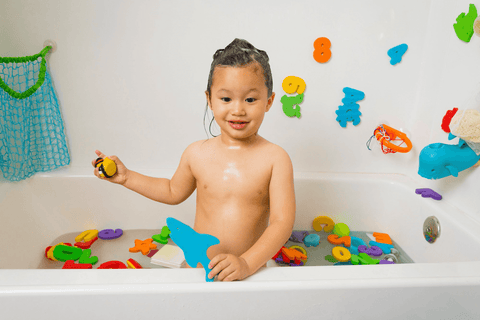
Credit: keababies.com
Safe Storage Solutions
Bath toys need regular cleaning to stay safe. Use warm, soapy water to remove dirt and germs. Rinse thoroughly, then soak toys in a mild bleach solution for ten minutes. Ensure complete drying to prevent mold growth.
Storing bath toys safely prevents mold and mildew. Proper storage keeps toys clean and extends their life. Explore different storage solutions to keep your child’s bath toys safe and dry.Use A Mesh Bag
A mesh bag allows toys to air dry quickly. Hang it on a hook near the tub. The holes let water drain away easily.Install A Toy Organizer
A toy organizer can be attached to the wall. Choose one with drainage holes. This keeps toys off the floor and dry.Suction Cup Baskets
Suction cup baskets stick to the bathroom wall. They hold toys and allow water to drip off. Easy to install and remove.Floating Storage
Floating storage sits on the water’s surface. It keeps toys within reach. Look for options with holes for drainage.Diy Storage Solutions
Use plastic containers with holes. Drill holes into lids for ventilation. Place them on bathroom shelves. Proper storage ensures bath toys remain clean and safe. Keep storage solutions simple and effective. Enjoy bath time with peace of mind.Eco-friendly Cleaning Alternatives
Disinfect bath toys naturally using a mix of white vinegar and water. Soak toys for 10 minutes, then rinse. This eco-friendly method removes germs without harsh chemicals.
Eco-friendly cleaning alternatives offer a sustainable way to keep bath toys safe. Traditional disinfectants can harm the environment and pose health risks. Using natural options ensures toys are clean without harsh chemicals. Parents can maintain hygiene while caring for the planet. Let’s explore some simple, green methods for cleaning bath toys.Using Vinegar Solution
White vinegar is a natural disinfectant. Mix equal parts vinegar and water. Soak toys for 15 minutes. Rinse thoroughly with water. This method removes dirt and bacteria without harmful residues.Baking Soda Scrub
Baking soda is a gentle cleaner. Create a paste with water and baking soda. Apply to toys and scrub gently. Rinse well to remove all residue. Baking soda neutralizes odors and cleans effectively.Lemon Juice Cleanser
Lemon juice acts as a natural antibacterial agent. Mix lemon juice with water. Use a cloth to wipe toys with the solution. Let them air dry completely. The acidity in lemon juice helps kill germs and freshen toys.Sunlight Drying
Sunlight is a natural disinfectant. After cleaning, place toys in direct sunlight. Let them dry for a few hours. Sunlight kills bacteria and molds naturally. It’s an energy-free way to sanitize toys.Tea Tree Oil Spray
Tea tree oil has antimicrobial properties. Mix a few drops in water. Spray toys with the mixture. Let sit for a few minutes. Rinse thoroughly to ensure no residue remains. This method offers a natural way to disinfect toys.Boiling Water Method
Boiling water kills most germs. Submerge toys in boiling water for a few minutes. Remove carefully and let them cool. This method is effective for sturdy toys. Ensure toys can withstand high temperatures.Maintaining Toy Longevity
Disinfecting bath toys ensures they remain safe and clean for children. Use a vinegar solution to remove germs effectively. Let toys soak for 15 minutes, rinse thoroughly, and dry completely. Regular cleaning prevents mold and extends toy life, keeping playtime fun and hygienic.
Preserving the life of bath toys is more than just about keeping them clean. It’s about ensuring that they remain safe and enjoyable for your little ones. Bath toys, when maintained properly, can last much longer, saving you both time and money. So, how can you maintain the longevity of these playful companions while ensuring they remain germ-free?Regular Cleaning Routine
Establishing a regular cleaning routine is essential. Make it a habit to rinse toys with clean water after each bath session. This simple step helps remove soap residue and any lingering bacteria.Use Gentle Cleaning Agents
Opt for mild, child-safe cleaning agents. Bleach solutions can be effective but can also wear out toys faster. Instead, consider using white vinegar or baking soda for a gentle yet effective clean.Dry Toys Thoroughly
Moisture is the enemy of toy longevity. Always ensure toys are thoroughly dried after cleaning. Consider placing them in a well-ventilated area or use a towel to wipe them down.Avoid Direct Sunlight
Direct sunlight can cause plastic toys to fade and crack. Store them in a shaded area to prevent this. This not only maintains their vibrant colors but also extends their usability.Rotate Toys Regularly
Do you notice that some toys are always at the bottom of the toy bin? Rotating toys can prevent overuse and excessive wear. This method also keeps bath time fresh and exciting for your child.Inspect For Damage
Regularly check toys for signs of damage or mold. A small crack or hole can harbor bacteria and reduce the toy’s lifespan. Promptly discard any damaged toys to maintain a safe bathing environment. By following these simple yet effective practices, you can ensure your child’s bath toys remain a source of joy and not a breeding ground for germs. How often do you assess the condition of your child’s toys? It might be time to take a closer look!Frequently Asked Questions
How Often Should I Clean Bath Toys?
Cleaning bath toys weekly prevents mold and bacteria. Regular cleaning keeps them safe for children to play with. Use soap and water for routine cleaning, and disinfect using vinegar or bleach monthly. This ensures bath toys stay hygienic and safe for your children.
Can Bath Toys Grow Mold?
Yes, bath toys can grow mold, especially if water is trapped inside. Mold thrives in moist environments, making bath toys susceptible. Ensure toys are thoroughly dried after use. Regular cleaning and disinfecting help prevent mold growth, keeping bath toys safe and clean for children.
What’s The Best Way To Disinfect Bath Toys?
Vinegar and bleach are effective disinfectants for bath toys. Soak toys in a vinegar-water solution for a few hours. Alternatively, use a bleach-water mix for ten minutes. Rinse thoroughly afterward. These methods kill germs and ensure bath toys are safe for kids’ use.
Are Dishwasher-safe Toys Easier To Clean?
Yes, dishwasher-safe toys simplify cleaning by using hot water and detergent. Place them in the top rack for a thorough wash. This method effectively removes dirt and bacteria, making it an easy option for busy parents. Always check labels to ensure toys are dishwasher safe.
Conclusion
Keeping bath toys clean ensures safe play for your child. Regular cleaning prevents germs and mold. Simple methods work best. Use vinegar or mild soap. Rinse thoroughly with warm water. Dry toys completely before storing. These steps help maintain toy hygiene.
Kids enjoy clean toys without worry. Frequent cleaning is key. Make it a routine. Protect your child’s health by disinfecting toys often. Your efforts create a safer play environment. Healthy habits start with clean toys. Happy playtime means happy kids.
Keep toys fresh and ready for fun. Simple actions make a big difference. Stay committed to toy cleanliness.