Ever found yourself squeezing a stress ball, feeling the satisfying squish between your fingers, and wondered how these delightful toys are made? You’re not alone.
Squishy toys have taken the world by storm, offering not just stress relief, but also a burst of joy in your day. Imagine crafting your own personalized squishy toy, right at home. Yes, it’s possible, and easier than you might think! In this guide, you’ll discover the simple steps to create squishy toys that are uniquely yours.
No need for complicated tools or techniques—just a few household items and a dash of creativity. Plus, making your own squishy toys isn’t just fun; it can be incredibly soothing, sparking a sense of accomplishment and relaxation. So, are you ready to dive into a world of squishiness and creativity? Let’s get started!
Materials Needed
Foam sheets, memory foam, and fabric scraps form the base of squishy toys. Gather scissors, glue, and paint for decoration. Add stuffing like polyester fiberfill for that irresistible squish.
Crafting your own squishy toys can be a delightful and rewarding experience. It’s a fun activity that allows you to express creativity while creating something tangible and enjoyable. But to start your squishy toy-making journey, you’ll need the right materials. These materials are crucial for ensuring your squishy toys have the desired texture and durability. Let’s dive into what you’ll need to get started.Foam Material
The core of any squishy toy is the foam. You’ll want a material that is soft yet resilient. Memory foam is a popular choice due to its ability to return to its original shape after being squeezed. It’s available in craft stores and online, often in sheets or blocks that you can cut into desired shapes.Acrylic Paints
To give your squishies personality, you’ll need vibrant colors. Acrylic paints work well because they adhere to foam and dry quickly. These paints are available in a wide range of colors, allowing you to customize your squishy toys. Consider getting a basic set of primary colors, along with white and black to mix and create various shades.Paint Brushes
Applying paint precisely requires good brushes. Opt for a set of fine-tip brushes for detailed work and broader brushes for larger areas. Having a variety of sizes will give you more control over your designs.Scissors And Craft Knife
Cutting foam into shapes requires sharp tools. Scissors are essential for basic cuts, while a craft knife can help with more intricate designs. Ensure your tools are sharp to make clean cuts without tearing the foam.Fabric Glue
To add embellishments or attach different foam pieces, you’ll need a strong adhesive. Fabric glue is ideal because it’s flexible once dry and holds pieces together securely. This ensures your squishy toy remains intact, even after numerous squeezes.Optional: Glitter And Accessories
If you want to add some sparkle or unique features to your squishies, consider using glitter or other small accessories. These can be glued onto the surface to add extra flair. Just ensure any small parts are securely attached to avoid a mess. Having these materials will set you up for a successful squishy toy-making adventure. What creative designs will you come up with using these supplies?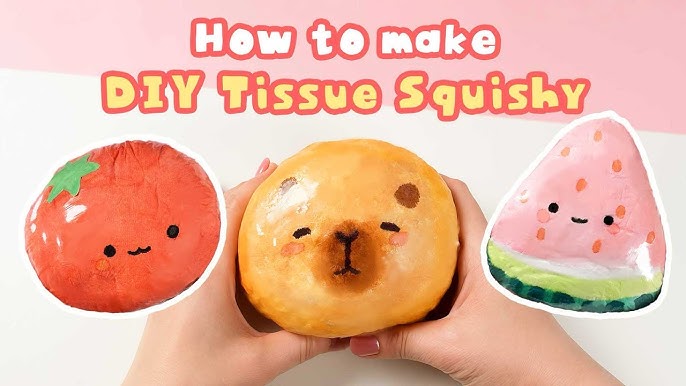
Credit: www.youtube.com
Choosing The Right Foam
Selecting the ideal foam enhances the squishy toy experience. Soft foams offer a gentle touch, perfect for squeezing. Dense foams provide durability, ensuring toys last longer.
Choosing the right foam is crucial in making squishy toys. The foam determines the toy’s texture and feel. It should be soft yet durable. Finding the perfect balance is key. Here are some tips to help you choose the right foam.Understanding Different Types Of Foam
Foam comes in many types. Memory foam is very soft and slow to rise. Polyurethane foam is firmer and bounces back quickly. Latex foam is natural and has a unique feel. Each type offers different squishy qualities.Considering Foam Density
Density affects the squishiness of the toy. High-density foam is firmer and lasts longer. Low-density foam is softer but may wear out. Choose based on how squishy you want the toy.Checking Foam Safety
Safety is important when making toys. Ensure the foam is non-toxic and safe. Check for certifications or safety labels. This is especially vital for children’s toys.Assessing Foam Size And Shape
Foam comes in sheets, blocks, or shapes. Choose based on your design needs. Sheets can be cut to any shape. Blocks are better for larger toys. Pre-shaped foam saves time for specific designs.Testing Foam Flexibility
Flexibility affects how the toy squishes. Squeeze the foam to test its flexibility. It should compress easily and return to shape. Flexible foam gives a better squishy feel.Evaluating Foam Cost
Cost plays a role in foam selection. Higher quality foam may cost more. Balance your budget with desired quality. Sometimes, investing in better foam is worth it.Design Ideas
Creating squishy toys is a delightful craft that allows you to express your creativity while crafting fun and stress-relieving items. With endless design possibilities, you can make squishy toys that reflect your personality and interests. Whether you’re inspired by cute animals, mouth-watering foods, or your own imaginative concepts, there’s a squishy toy design idea for everyone. Let’s dive into some exciting design categories that can spark your creativity.
Animals And Characters
Animal-themed squishy toys are a favorite among many. You can start with classic choices like cats, dogs, and pandas. Imagine creating a squishy toy that looks like your favorite pet, complete with its unique markings.
Character squishies are equally charming. Think about beloved characters from movies or cartoons. Crafting a squishy that resembles a popular superhero or a whimsical cartoon character can bring loads of joy.
What animal or character would you love to squish? Let your imagination roam free!
Fruits And Food Shapes
Food-shaped squishies are not only adorable but also offer a playful twist. Consider making a squishy toy shaped like a juicy watermelon or a delectable donut. The vibrant colors and textures make these designs irresistible.
Expand your collection with a cute burger or a slice of pizza. These designs are perfect for adding a fun element to your squishy collection.
Have you ever wondered what your favorite food would look like as a squishy? Dive into the world of food-inspired designs!
Custom Designs
Custom designs allow you to bring your own ideas to life. Have a unique concept in mind? Sketch it out and create a squishy that is truly one-of-a-kind.
Combine elements from different categories to craft something entirely new. Perhaps a unicorn pizza or a robot panda is waiting to be created.
Your creativity knows no bounds. What personal touch will you add to your squishy toy collection?
Cutting The Foam
Start by choosing a soft foam material that’s easy to cut. Use scissors or a sharp knife to shape the foam into desired toy designs. Smooth edges with sandpaper for a perfect finish, ensuring the toys are safe and squishy.
Cutting the foam is a crucial step in creating your own squishy toys. It’s where your creativity begins to take shape, quite literally. The foam will form the foundation of your squishy, so it’s essential to cut it carefully and precisely. Whether you’re crafting a cute animal or a quirky shape, the way you cut the foam can make all the difference.Safety Tips
Safety should always come first when working with sharp tools. Ensure you have a clean, clutter-free workspace. This will help you focus and prevent accidents. Use a sharp knife or a pair of scissors to cut the foam. A dull blade can cause jagged edges and make cutting more dangerous. Always cut away from your body. This reduces the risk of injury if the blade slips. Consider wearing protective gloves. They can provide an extra layer of safety, especially for beginners.Using Templates
Templates can be a game-changer when cutting foam. They provide a guide to ensure your shapes are consistent and symmetrical. You can create your own templates by drawing shapes on paper or cardboard. Alternatively, search online for printable templates. Place the template on the foam and trace around it with a marker. This will give you a clear outline to follow when cutting. Have you ever noticed how small details can transform a simple shape into a masterpiece? Using templates ensures those details are spot on. Plus, it’s a fun way to experiment with different designs and see what works best for your squishy creations.Shaping Techniques
Creating squishy toys is fun and rewarding. The shaping process is crucial. It defines the toy’s final look and feel. Two key techniques are important. Sanding and sculpting. These techniques ensure smooth and detailed designs. Let’s explore them further.
Sanding The Edges
Sanding helps achieve smooth edges. Use fine-grit sandpaper for best results. Gently rub the edges of the toy. This removes any rough spots. Sanding also prepares the surface for painting. Always sand in a circular motion. It helps maintain an even surface. Check for any missed spots. Sand again if necessary.
Sculpting Details
Sculpting adds character to your toy. Use a small carving tool for precision. Start with basic shapes. Then add finer details. Think of facial features or textures. Soft clay tools work well for this. Press lightly to avoid deep marks. Take your time. Focus on each detail. This step makes the toy unique and special.

Credit: www.youtube.com
Painting And Decorating
Painting and decorating squishy toys is a delightful process. This step brings your creation to life. You can express your creativity here. With the right techniques, your squishy will shine with personality. Let’s explore how to make your squishy toys vibrant and unique.
Choosing Paints
Selecting the right paint is crucial. Use fabric or acrylic paints. These paints stick well to squishy surfaces. They come in bright, vivid colors. Choose non-toxic options for safety. Test a small area first. Ensure the paint dries properly.
Adding Details
Details make your squishy special. Use fine brushes for precision. Add eyes, smiles, or patterns. Use stencils for complex designs. Glitter or stickers can add sparkle. Let each layer dry before adding another. This keeps colors vibrant and neat.
Drying And Sealing
Creating squishy toys is a fun and rewarding activity. After shaping your toy, drying and sealing are crucial steps. These ensure durability and a smooth finish.
Allowing Adequate Drying Time
Patience is key during the drying process. Place your toy in a cool, dry area. Ensure it sits on a flat surface to maintain its shape. Depending on the material, drying can take a few hours or days. Check for any wet spots before moving to the next step. Rushing can lead to cracks or deformation.
Applying A Protective Seal
Sealing the toy enhances its longevity. Use a clear, non-toxic sealant for safety. Apply the sealant evenly with a brush. Ensure coverage of all surfaces, including edges and corners. Allow the sealant to dry completely before handling the toy. This step protects the toy from moisture and wear.
Testing Squishiness
Crafting squishy toys is a fun and creative process. Begin by choosing soft materials like foam or memory foam. Cut them into desired shapes and coat with a smooth, colorful paint.
Testing the squishiness of your homemade squishy toy is an exciting part of the creation process. It’s where you get to see how all your hard work and creativity come together. But how do you know if your squishy toy is truly squishy enough? Let’s dive into the process of evaluating and adjusting squishiness to ensure your toy is perfect.Evaluating Texture
Begin by feeling the toy in your hands. Does it compress easily when you apply pressure? A good squishy toy should be soft and pliable. Consider how quickly it springs back to its original shape after being squeezed. Use a variety of testers, like family members or friends. They can provide feedback on how it feels compared to other squishy toys. This is especially helpful to gain different perspectives and ensure your creation appeals to a wide audience. Observing how your toy behaves under pressure is crucial. If it feels too hard, you might need to adjust your materials. But what about the feel? Is it satisfying to squish, or does it leave you wanting more?Adjusting For Desired Feel
If your squishy toy is too firm, adding more soft material like foam or stuffing can help. Be careful not to overdo it, as this could make the toy lose its shape. Balancing softness and firmness is key. Consider the outer layer. Sometimes the texture of the cover can affect squishiness. Experiment with different fabrics or coatings to find one that enhances the feel. This can transform your toy from average to extraordinary. Ask yourself, does it need more bounce-back? Adjusting the density of the filling can help achieve the desired resilience. Remember, it’s all about trial and error until you find that perfect squishiness that feels just right in your hands.Caring For Your Squishy Toys
Squishy toys are delightful companions, soft and fun. They can get dirty and sticky over time. Proper care helps them last longer and stay fresh. Let’s explore how to keep your squishy toys clean and stored safely.
Cleaning Tips
Regular cleaning keeps squishy toys looking new. Use warm water and mild soap for gentle washing. Avoid harsh chemicals. Rinse thoroughly to remove soap residue. Pat dry with a clean towel. Air drying prevents mold and keeps them fluffy.
Storage Solutions
Proper storage protects squishy toys from damage. Choose a cool, dry place away from direct sunlight. Sunlight can fade colors and damage materials. Use storage bins or shelves to keep them organized. Avoid overcrowding to maintain their shape. Keep them away from sharp objects to prevent tears.

Credit: m.youtube.com
Frequently Asked Questions
What Materials Are Needed For Squishy Toys?
To make squishy toys, gather foam, fabric paint, and scissors. You can also use molds for shaping. These materials help create soft, squeezable toys that are fun to play with. Ensure you have a clean workspace and consider using gloves for safety while crafting.
How Do You Shape Squishy Toys?
Shaping squishy toys involves cutting and molding foam into desired forms. Use scissors for precise cuts and molds for complex shapes. Experiment with different sizes and designs. This process allows for creativity and personalization, ensuring each toy is unique and enjoyable to squish.
Can I Customize Squishy Toys Easily?
Yes, customizing squishy toys is easy. Use fabric paint to add designs or colors. You can also add embellishments like glitter or stickers. Personalization makes the toys unique and special. Experiment with different styles to create a toy that reflects your personality and interests.
Are Homemade Squishy Toys Durable?
Homemade squishy toys can be durable if crafted carefully. Use quality materials and ensure all parts are securely assembled. Properly painted and sealed toys withstand regular squeezing. While not indestructible, with care, they can last a long time, providing endless fun and stress relief.
Conclusion
Creating squishy toys is fun and easy. You only need basic supplies. Follow each step carefully. Enjoy the process of crafting your unique squishy toy. Experiment with colors and shapes. Share your creations with friends and family. Squishy toys make great gifts.
They bring smiles and joy to everyone. Kids love them. Adults find them relaxing. Remember, practice makes perfect. Keep trying new ideas. Your skills will improve over time. Happy crafting!