Imagine the joy on a child’s face when they receive a handmade wooden toy crafted by you. Wooden toys aren’t just durable and eco-friendly; they are timeless treasures that spark creativity and imagination.
You’ll discover the art of making wooden toys from scratch. Whether you’re a seasoned woodworker or a curious beginner, you’ll find valuable insights and step-by-step guidance tailored for your skill level. This isn’t just about crafting toys; it’s about creating memories and passing down traditions.
So, grab your tools and let’s dive into the satisfying world of wooden toy making, where your creativity knows no bounds.

Credit: www.youtube.com
Choosing The Right Wood
Choosing the right wood is crucial for making safe and durable toys. The wood you select impacts the toy’s texture, strength, and safety. Understanding different wood types and their sources will guide you to the best choice.
Types Of Wood For Toys
Some woods are more suitable for toys due to their properties. Here are a few options:
- Maple:This hardwood is durable and smooth. It resists splitting and takes paint well.
- Beech:Known for its strength and fine grain. Beech is often used in wooden blocks.
- Pine:Softer and lighter, making it easy to work with. It is cost-effective but less durable.
- Birch:Offers a fine grain and is strong. Commonly used for its smooth finish.
Sourcing Quality Materials
High-quality wood ensures safety and longevity in toys. To source the best materials:
- Visit local lumberyards for a wide selection. Inspect the wood for defects.
- Consider sustainable sources. Look for FSC-certified wood to support eco-friendly practices.
- Check online suppliers for specialty woods. Read reviews to ensure quality.
- Consult with experienced woodworkers. They can recommend reliable suppliers and types.
Choose wood with care. It impacts the toy’s safety and appeal.

Credit: www.youtube.com
Essential Tools And Equipment
Creating wooden toys is a rewarding craft that requires the right tools. A well-equipped workspace helps you work efficiently and safely. Understanding the essential tools and equipment makes the process smoother.
Basic Woodworking Tools
Start with basic tools to shape and smooth wood. A saw is essential for cutting pieces to size. A handsaw or jigsaw works well for beginners. Sandpaper or a sanding block is crucial for smoothing edges. A drill is needed for making holes and joining parts. Clamps hold the wood securely while you work.
Measuring tools like a ruler or tape measure ensure precise dimensions. A pencil and a square help mark lines accurately. A workbench provides a stable surface. Safety gear like goggles and gloves protect you from dust and splinters.
Advanced Equipment For Precision
Advanced tools offer greater accuracy and efficiency. A table saw cuts larger pieces with precision. A band saw is ideal for curved shapes. A planer smooths surfaces and adjusts thickness.
A router carves intricate designs and edges. A scroll saw allows detailed cutting for complex patterns. A belt sander quickly smooths surfaces.
Dust collectors keep your workspace clean and safe. A lathe shapes wood into round objects like wheels or knobs. These advanced tools enhance creativity and precision in toy making.
Designing Your Toy
Crafting wooden toys combines creativity with simplicity. Begin by selecting quality wood, ensuring durability and safety. Design shapes that are easy to cut and assemble, embracing natural textures.
Designing your toy is an exciting part of making wooden toys. It allows creativity to flow and shapes the final product. A well-thought-out design ensures the toy is safe and fun. Your design influences every step of the toy-making process. To create a fantastic toy, start with clear ideas and a solid plan.
Sketching Ideas
Begin with a simple sketch. Use plain paper and pencils. Visualize what you want the toy to look like. Consider the toy’s purpose and who will play with it. Are you making a car, a doll, or an animal? Let your imagination guide you. Sketching helps bring ideas to life. Your sketch should include basic shapes. Focus on the toy’s size and proportions. Think about how different parts connect. It’s okay to make changes as you sketch. This is the time to explore various designs.
Creating A Prototype
With your sketch complete, build a prototype. Use cheap materials like cardboard or foam. This helps test the toy’s design. Cut and shape the materials according to your sketch. Assemble the pieces and see how they fit. Evaluate the prototype’s functionality. Check for any flaws or safety concerns. Ensure all parts move smoothly if necessary. Adjust the design based on your observations. The prototype helps refine your toy before using wood.
Cutting And Shaping Techniques
Crafting wooden toys is a delightful blend of art and precision. The heart of this process lies in the cutting and shaping techniques that transform raw wood into playful masterpieces. With the right tools and techniques, you can ensure each piece is perfectly safe and smooth for tiny hands.
Using A Saw Safely
Safety is paramount when using a saw. Before you start, ensure your workspace is well-lit and free from clutter. Always wear protective gear like goggles and gloves to guard against splinters and sawdust.
A reliable saw is your best friend. Choose one that suits the complexity of your design. For straight cuts, a basic hand saw works wonders, while a jigsaw is ideal for curves. Secure the wood firmly with clamps to prevent movement during cutting.
Remember, the key to safe cutting is patience. Rushing can lead to mistakes or accidents. Make slow, steady strokes, and allow the saw to work at its own pace. Have you ever thought about the satisfaction of seeing a perfectly cut piece? It’s worth the extra care.
Sanding For Smooth Edges
Sanding is like giving your wooden toy a gentle polish, smoothing out rough edges and surfaces. Start with a coarse grit sandpaper to eliminate larger imperfections and gradually move to finer grits for a sleek finish.
Using a sanding block can provide even pressure and control, but for detailed areas, you might need to use your fingers. Don’t forget to sand with the grain to prevent scratches. This attention to detail is what sets handcrafted toys apart.
Once your toy is smooth, run your fingers along the edges. Feel the difference? That silky finish ensures safety for children, enhancing both the beauty and functionality of your creation. Would you trust anything less for your child?
Assembly And Construction
Building wooden toys is a delightful journey that merges creativity with craftsmanship. Assembly and construction are vital stages where your wooden pieces transform into playful wonders. Each connection and securement adds character and durability, ensuring the toy is both fun and safe.
Joining Methods
Choosing the right joining method can make or break your toy’s durability. Wood glue is a favorite for its strength and ease of use. Just a dab can hold parts together firmly.
For more intricate designs, dowels can offer precision. They help align pieces perfectly, providing an extra layer of sturdiness.
Consider using screws or nails for larger pieces. They add robustness, especially for toys meant to endure rough play.
Securing Moving Parts
Moving parts add life to your wooden toys, but securing them requires careful planning. Hinges are excellent for creating doors or arms that swing open.
Rubber bands or springs can introduce flexible movement, perfect for toys like airplanes with propellers.
How will your toy handle dynamic play? Ensure each moving part is not only secure but also smooth in its operation. This will enhance the toy’s functionality and longevity.
Finishing Touches
Smooth the edges and surfaces of wooden toys for a polished look. Apply non-toxic paint or varnish to enhance durability. Personalize designs with unique patterns or colors for added charm.
Finishing touches bring wooden toys to life. They protect and beautify each piece. These final steps are crucial. They ensure toys are safe and appealing. A well-finished toy feels smooth and looks vibrant.
Applying Non-toxic Finishes
Choose finishes that are safe for children. Non-toxic options include beeswax, linseed oil, and shellac. These finishes are natural and safe. They also enhance the wood’s beauty. Apply the finish with a clean cloth. Rub it gently into the wood’s surface. Allow it to dry completely. This process might need repeating for best results.
Decorative Details
Decorative details add personality to wooden toys. Simple paints and stains can be used. Opt for water-based, non-toxic paints. They are safe and easy to apply. Use fine brushes for precision. Add small details like eyes, patterns, or clothes. These details make the toy more engaging. Stickers or decals can also be used. They offer a quick way to add charm. Choose designs that are durable and child-friendly.
Safety Considerations
Ensure all tools are sharp and in good condition to prevent accidents. Use non-toxic paints and finishes to keep toys safe for children. Always sand wooden edges smoothly to avoid splinters.
Safety considerations are essential when crafting wooden toys for your children. You want to ensure that every toy is not only fun but also safe for play. As a parent or toy maker, being aware of potential hazards and taking necessary precautions can make all the difference. Let’s dive into what you need to know to keep playtime safe and enjoyable.
Ensuring Safe Play
It’s crucial to consider the size and shape of the toy parts. Small pieces can pose a choking hazard for young children. Make sure all components are larger than what can fit inside a child’s mouth. Smooth surfaces are key. Sand down any rough edges to prevent splinters. Your child will appreciate the extra effort when their hands glide across a well-finished toy. Think about the durability of the materials. A toy that breaks easily can become dangerous. Use high-quality wood and sturdy joints to ensure longevity and safety.
Checking For Hazards
Inspect toys for sharp edges or points. Even the most meticulously crafted toy might have an overlooked danger. Run your fingers over each piece to catch any sharp spots. Consider the finishing materials. Some paints and varnishes contain harmful chemicals. Opt for non-toxic, child-safe finishes to ensure your child is not exposed to toxins. Keep an eye out for loose parts. A toy with moving parts should be securely fastened to prevent them from coming apart during play. Wouldn’t you want your child to play without the risk of swallowing small pieces? By addressing these safety considerations, you can confidently create wooden toys that your children will love and cherish without compromising their safety.
Inspiration And Ideas
Creating wooden toys is an art that combines craftsmanship with imagination. Whether you’re crafting for your kids or selling at local markets, finding inspiration and ideas is crucial to making unique toys. You may wonder, where do you start, and how do you keep your designs fresh and exciting?
Exploring Classic Designs
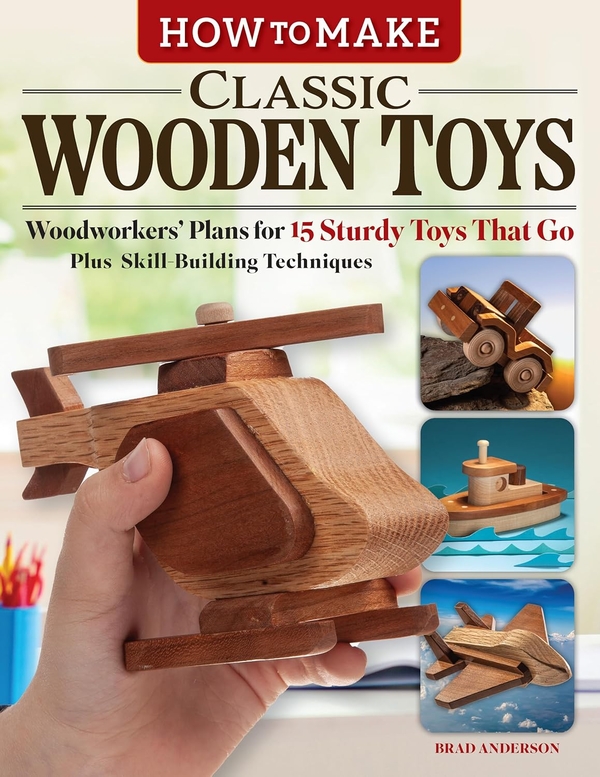
Classic designs have stood the test of time, capturing the hearts of children across generations. Think about toys like wooden trains, rocking horses, or simple blocks. These designs are not only timeless but also serve as the perfect canvas for personalization. You can add your own twist by painting them in vibrant colors or engraving names. Have you ever considered updating a classic toy with modern touches, such as adding wheels to a wooden animal figure?
Innovative Toy Concepts
Innovation in toy making is all about pushing the boundaries of what’s possible. Could you make a puzzle that teaches kids about the solar system or a wooden robot with movable limbs? Interactive toys that combine traditional woodwork with technology can offer a unique play experience. Incorporate elements like magnets for building structures or gears for moving parts. The possibilities are endless, and they offer a chance to engage both creativity and technical skills.
Credit: www.yakaboo.ua
Frequently Asked Questions
What Tools Do I Need For Wooden Toys?
To make wooden toys, basic tools like a saw, drill, and sander are essential. You may also need chisels, clamps, and a workbench. Safety equipment like goggles and masks are crucial for protection. These tools help in cutting, shaping, and finishing the wooden toys effectively.
How Do I Choose Wood For Toys?
Select wood types like pine, maple, or birch for making toys. These woods are durable and safe for children. Ensure the wood is untreated and free from chemicals. Smooth surfaces and rounded edges are crucial to prevent splinters. Choosing the right wood ensures the toys are safe and long-lasting.
Are Wooden Toys Safe For Children?
Wooden toys are generally safe if made properly. Use non-toxic finishes and ensure all edges are smooth. Avoid small parts to prevent choking hazards. Wooden toys are durable and eco-friendly, making them a great choice. Regular inspection and maintenance ensure continued safety for children.
How Can I Make Wooden Toys Durable?
To make wooden toys durable, use high-quality wood like oak or maple. Proper sanding and finishing help protect the wood. Applying a non-toxic sealant enhances durability. Regular maintenance, such as checking for splinters, ensures toys remain in good condition. Well-crafted wooden toys can last for generations.
Conclusion
Creating wooden toys can be a rewarding hobby. You get to craft unique, safe toys for children. The process involves choosing the right wood. Then, shaping and sanding it carefully. Paint can add color and personality. Each step requires patience and attention.
But the result is worth it. Handmade toys last longer and are cherished more. Plus, they encourage imaginative play. Try making a simple toy first. Gain confidence as you practice. Soon, you’ll create beautiful toys your loved ones will adore.
Enjoy your journey into the world of wooden toys. Happy crafting!