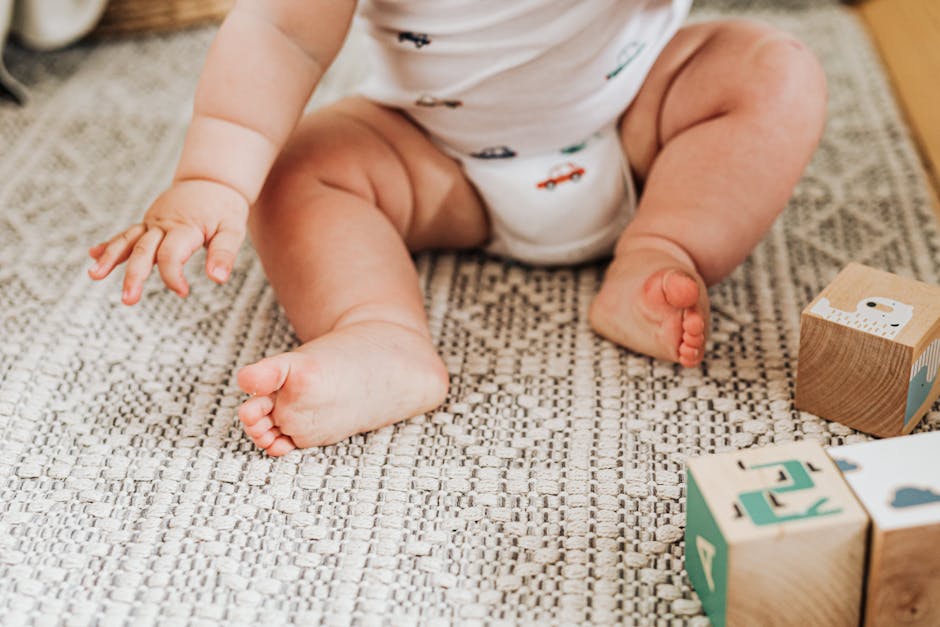
As a parent, you want the best for your baby. You nurture them, protect them, and provide them with a safe environment to explore and learn.
Among the many responsibilities, ensuring your infant’s toys are clean and germ-free is crucial. These toys are not just playthings—they’re teething companions and exploration tools. But have you ever wondered how to effectively sanitize them without using harsh chemicals? The good news is, keeping those toys squeaky clean doesn’t have to be a daunting task.
This guide will walk you through simple, effective methods to sanitize infant toys, so you can have peace of mind knowing your baby is playing with safe, clean toys. Dive in to discover how easy it is to keep your little one’s playtime both fun and hygienic.

Credit: www.youtube.com
Importance Of Toy Sanitation
Ensuring infant toys are clean prevents germs and infections. Regular sanitation keeps toys safe for little ones. Use mild soap and water, then dry thoroughly to maintain hygiene.
Sanitizing infant toys is crucial for maintaining a healthy environment for your child. Toys frequently come into contact with little hands and mouths, making them a potential breeding ground for germs and bacteria. Prioritizing cleanliness ensures that your baby can explore their world safely.Why Cleanliness Matters
A toy might seem harmless, but it can quickly become a carrier of germs. Imagine your baby dropping a favorite toy on the floor and then promptly putting it back in their mouth. This simple act can introduce unwanted bacteria into your child’s system.Reducing The Risk Of Illness
Keeping toys clean significantly reduces the chances of your baby catching infections. Babies have developing immune systems that are not as strong as adults. By ensuring toys are sanitized, you help protect your child from common colds and stomach bugs.Building Good Habits Early
When you routinely clean your baby’s toys, you set an example for maintaining hygiene. As your child grows, they will likely mimic your behaviors. This early exposure to cleanliness can help them develop habits that last a lifetime.Peace Of Mind For Parents
Knowing that your child’s toys are clean gives you peace of mind. You can let your baby play freely without constantly worrying about germs. This allows you to focus on enjoying those precious playtime moments together.Practical Tips For Toy Sanitation
– Use Safe Cleaning Products: Opt for non-toxic and baby-safe cleaning agents. Vinegar and baking soda are excellent natural alternatives. – Regular Cleaning Schedule: Set a routine to clean toys weekly. High-contact toys should be cleaned more frequently. – Check for Cleaning Instructions: Always read labels for specific cleaning guidelines. Some toys are dishwasher safe, while others require handwashing. By integrating these practices into your routine, you ensure a safer play environment for your little one. What steps will you take today to ensure your child’s toys are germ-free?Selecting Safe Cleaning Products
Choosing the right cleaning products for your infant’s toys is crucial. Babies explore the world through touch and taste, making it essential to sanitize toys without exposing them to harsh chemicals. But how do you ensure the products you choose are safe yet effective?
Read Labels Carefully
Look for cleaning products specifically labeled as safe for children. These usually have fewer chemicals and are gentler on the skin. If you’re unsure, check for certifications from trusted organizations like the Environmental Protection Agency (EPA).
Avoid Fragrances And Dyes
Fragrances and dyes can be irritating to sensitive skin and may contain allergens. Opt for fragrance-free products to minimize any potential reactions. This is particularly important if your child has sensitive skin or allergies.
Consider Natural Alternatives
Natural cleaning products, like vinegar and baking soda, can be effective yet gentle. These household staples offer a safe way to clean without leaving harmful residues. Plus, they’re budget-friendly and easy to find.
Test Before Use
Before applying any cleaning product, test it on a small area of the toy. This ensures there’s no adverse reaction or discoloration. Better safe than sorry, especially with your little one’s favorite teddy bear.
Consult Your Pediatrician
If you’re uncertain about a product, ask your pediatrician for advice. They can recommend safe options and may even offer tips on homemade solutions. Your child’s health is the priority, and expert guidance is invaluable.
Choosing safe cleaning products isn’t just about cleanliness—it’s about protecting your child’s health. What products have you found most effective and safe? Share your experiences and tips in the comments below.
Cleaning Methods For Different Materials
Sanitize infant toys using mild soap and warm water. Avoid harsh chemicals to protect baby’s health. Rinse thoroughly and air dry completely to prevent mold.
Sanitizing infant toys is crucial for maintaining a healthy play environment. Different materials require specific cleaning methods. By understanding these methods, you can ensure toys remain safe and germ-free. This section explores how to effectively clean toys made from plastic, wood, and fabric.Plastic Toys
Plastic toys are durable and easy to clean. Use warm, soapy water for routine cleaning. Rinse thoroughly to remove soap residue. For deeper sanitization, wipe with a disinfectant solution. Ensure the disinfectant is safe for children. Dry the toys completely before use.Wooden Toys
Wooden toys need gentle care to avoid damage. Wipe with a damp cloth using mild soap. Avoid soaking, as water can warp the wood. For sanitizing, use a vinegar-water mix. Vinegar is a natural disinfectant safe for wood. Dry immediately to prevent moisture absorption.Fabric And Plush Toys
Fabric toys often attract dust and allergens. Regular cleaning is essential. Machine wash if the label permits. Use a gentle cycle with mild detergent. Air dry to maintain shape and texture. For non-machine washable toys, spot clean with a mild soap solution. Ensure complete drying to prevent mold..png?width=550&height=377&format=png&quality=80)
Credit: www.lysol.com
Frequency Of Cleaning
Keeping infant toys clean is crucial for a healthy environment. Clean toys weekly with warm, soapy water. For deeper cleaning, use a child-safe disinfectant.
Sanitizing infant toys is crucial for keeping your child safe. Germs can easily accumulate on toys, especially those frequently handled. Understanding the right cleaning frequency can prevent illness and ensure a healthier play environment.Regular Cleaning Schedule
Infant toys should be cleaned regularly. Daily cleaning is ideal for toys that your child often puts in their mouth. For toys used less frequently, consider weekly cleaning. This routine helps minimize germ exposure.Signs Toys Need Cleaning
Toys that look dirty or sticky need immediate cleaning. Toys dropped on the floor or touched by other children should also be sanitized promptly. Always inspect toys for visible grime or residue.Seasonal Cleaning Considerations
During cold and flu seasons, increase cleaning frequency. Wash toys more often to prevent the spread of viruses. This practice is vital in maintaining a healthier environment for your child.Diy Natural Cleaning Solutions
Sanitize infant toys using DIY natural cleaning solutions. Mix equal parts water and white vinegar in a spray bottle. Gently wipe toys with a clean cloth to remove germs and dirt.
DIY Natural Cleaning Solutions are excellent for sanitizing infant toys. They are safe, effective, and easy to make at home. Using natural ingredients reduces exposure to harsh chemicals. It’s a great way to keep your baby’s playthings clean and safe.White Vinegar Solution
White vinegar is a natural disinfectant. Mix equal parts of water and vinegar in a spray bottle. Spray the toys and let them sit for a few minutes. Wipe with a clean cloth. This solution kills germs without harmful residues.Baking Soda Paste
Baking soda is perfect for scrubbing toys. Mix baking soda with water to form a paste. Use a soft brush to scrub the toys. Rinse well and let them dry. This method removes dirt and grime effectively.Lemon Juice Cleaner
Lemon juice has antibacterial properties. Squeeze fresh lemon juice into a bowl. Add water and stir. Use a cloth to wipe the toys with the solution. Rinse and dry thoroughly. This leaves a fresh, natural scent.Essential Oils Mixture
Essential oils can add extra cleaning power. Mix water, vinegar, and a few drops of essential oils like tea tree or lavender. Spray the toys and wipe clean. Ensure the oils are safe for infants. This solution is both refreshing and effective.Soap And Water
Sometimes, simple is best. Use mild baby soap mixed with warm water. Soak the toys for a few minutes. Scrub gently with a soft cloth. Rinse well to remove soap residues. This method is gentle yet effective for regular cleaning. These DIY solutions are not only safe but also cost-effective. They provide peace of mind knowing your baby’s toys are clean and chemical-free.Avoiding Common Mistakes
Properly sanitizing infant toys is essential for your child’s health. Use mild soap and warm water for regular cleaning. Avoid harsh chemicals to prevent residue that could harm your baby.
Avoiding common mistakes when sanitizing infant toys is crucial for ensuring the safety and well-being of your little one. It’s easy to overlook simple yet essential practices that can make a significant difference. Let’s dive into some tips to help you navigate the cleaning process without falling into common traps.Using Harsh Chemicals
Many parents assume that stronger cleaning agents mean better sanitation. However, harsh chemicals can leave residues that might be harmful if ingested. Opt for natural cleaning solutions like vinegar and water or specially formulated baby-safe disinfectants.Neglecting Regular Cleaning
It’s easy to forget about cleaning toys regularly, especially when they don’t look dirty. But germs can linger unseen. Make it a habit to clean toys weekly, or more frequently if they’re heavily used. Consistency is key to maintaining a healthy environment for your infant.Ignoring Instructions
Each toy is different, with specific cleaning instructions that should not be ignored. Check labels and manufacturer guidelines to ensure you’re using the correct method. This prevents damage to toys and ensures effective sanitation.Overlooking High-contact Toys
Certain toys are handled more frequently, meaning they accumulate germs quickly. Pay extra attention to these favorites, such as teething rings and plush toys. Prioritize them in your cleaning routine to keep them safe.Drying Inadequately
Wet toys can become breeding grounds for mold and bacteria. After cleaning, ensure toys are thoroughly dried before returning them to play areas. Air drying or using a clean towel can help prevent moisture-related issues.Not Rinsing Properly
Failing to rinse toys after cleaning can leave cleaning solution residue. This residue can be harmful if your child puts the toy in their mouth. Always rinse toys with clean water after disinfecting to remove any lingering cleaning agents. Do you find yourself making any of these mistakes? Reflect on your current cleaning habits and see where there’s room for improvement. A few tweaks can make a world of difference in keeping your child’s toys safe and clean.Storage Tips To Prevent Contamination
Sanitize infant toys regularly to keep germs at bay. Use mild soap and warm water for effective cleaning. Let toys dry completely before storing to prevent mold growth.
Storing infant toys properly is crucial for maintaining their cleanliness. Contaminated toys can lead to health issues for your baby. Implementing effective storage solutions helps prevent germs and dust accumulation.Proper Containers For Toy Storage
Use airtight containers to keep toys free from moisture. They prevent dust and germs from settling on toys. Clear containers allow easy visibility and help organize toys efficiently.Cleaning Storage Areas Regularly
Ensure storage areas are clean and dry. Dust and vacuum shelves or toy bins often. This routine prevents germs from spreading to toys.Using Labels For Toy Organization
Label containers to categorize toys by age or type. Labels make it easier to find specific toys. This organization reduces the time toys are exposed while searching.Avoid Overcrowding In Storage Spaces
Do not overcrowd storage containers. Overcrowding leads to toy damage and contamination. Ensure there is enough space for air circulation.Maintaining A Rotational System
Rotate toys regularly to ensure all are used evenly. Rotation prevents toys from staying in storage too long. It keeps them fresh and ready for play.:max_bytes(150000):strip_icc()/How-to-clean-baby-toys-5214136-3866d337300b4b13bed733b58b646ef4.png)
Credit: www.parents.com
Frequently Asked Questions
How Often Should I Sanitize Infant Toys?
Sanitize infant toys at least once a week to ensure cleanliness. Regular cleaning prevents germs and maintains hygiene. If your child is sick, sanitize toys more frequently. Always follow the manufacturer’s cleaning instructions for specific materials.
What Is The Best Method To Sanitize Toys?
Use a mixture of water and mild soap for effective sanitization. Rinse thoroughly and air-dry toys completely. For non-porous toys, you can use a diluted bleach solution. Avoid harsh chemicals that can harm your child.
Can I Use Disinfecting Wipes On Toys?
Yes, disinfecting wipes are convenient for quick cleaning. Ensure wipes are safe for children and non-toxic. After using wipes, allow toys to dry completely before play. Always check the label for safety instructions.
Are All Toys Safe To Sanitize With Water?
Not all toys are water-safe. Check the manufacturer’s instructions before cleaning. Electronic and plush toys require special care. Use appropriate cleaning methods, such as surface wipes or dry cloth for delicate toys.
Conclusion
Keeping infant toys clean is crucial for your baby’s health. Regular sanitization prevents germs and keeps toys safe. Simple steps make a big difference. Use mild soap and water for most toys. Disinfect with wipes for quick clean-ups. Always check toy labels for cleaning instructions.
Dry toys thoroughly to avoid mold. Store toys in a clean place. Follow these tips to ensure a safe play environment. Keep your baby happy and healthy. Make toy sanitizing a regular habit. Your baby’s well-being starts with clean toys.