How to Toilet Train a Toy Poodle: Expert Tips & Tricks
Are you tired of finding little surprises around your home? Toilet training a toy poodle might seem like a daunting task, but it doesn’t have to be.
These adorable furballs are as intelligent as they are charming, making them quick learners. With a sprinkle of patience and a dash of consistency, you can teach your toy poodle to be house-trained in no time. Imagine the relief of knowing your pet is well-trained, and the peace of mind that comes with it.
Dive into this guide, and discover the secrets to a cleaner home and a happier you. Your journey to a well-trained toy poodle starts here.

Credit: www.facebook.com
Choosing The Right Time
Starting toilet training a toy poodle early morning can be effective. Your puppy is more alert and receptive after waking up. Consistency in timing helps establish routine and prevent accidents indoors.
Toilet training your toy poodle can be a rewarding experience if you start at the right time. Timing plays a crucial role in how quickly and effectively your poodle learns. Beginning too early might lead to frustration for both you and your puppy, while starting too late could establish bad habits. Understanding when your toy poodle is ready to begin toilet training is key to success.Recognizing Physical Readiness
Toy poodles are small but mighty! They often reach developmental milestones faster than larger breeds. Look for signs of physical readiness, such as the ability to control their bladder for longer periods. A good indication is when your puppy can sleep through the night without accidents. This shows they have some bladder control. Puppies are typically ready between 12 to 16 weeks old. However, every dog is unique, so observe your pup closely.Understanding Behavioral Cues
Behavior is an excellent indicator of readiness. Does your poodle sniff around or circle before relieving themselves? These actions suggest awareness of their bodily functions. Encourage this behavior by taking them outside when you notice these cues. Consistency helps reinforce the connection between the behavior and the desired action.Environmental Considerations
Your home environment plays a role in training success. Is your living space conducive to frequent outdoor trips? If you live in a high-rise apartment, consider how you’ll manage timely outings. Ensure your home has a designated toilet area, whether indoors or outdoors. Consistency in location helps your poodle learn faster.Personal Experience: The Right Time
When I trained my toy poodle, Bella, I waited until she was around 14 weeks. I noticed she could hold her bladder for longer periods and showed signs of awareness. Starting at this time made the process smoother and less stressful for both of us. Have you observed similar signs in your poodle?Engaging Your Puppy During Training
Keeping the training process engaging is important. Use toys and treats to make toilet training a positive experience. Consistency, patience, and positive reinforcement go a long way. How do you plan to keep your poodle motivated? Choosing the right time is just the beginning. With patience and understanding, you can successfully toilet train your toy poodle, setting a foundation for good behavior.Essential Supplies
Potty training a Toy Poodle requires a few essential supplies. Use puppy pads to protect floors from accidents. Keep treats handy for rewarding good behavior.
Toilet training your toy poodle requires preparation. Essential supplies make the process smoother. Equip yourself with the right tools. It helps instill good habits in your furry friend.Puppy Pads
Puppy pads are crucial for indoor training. They absorb messes effectively. Place them in designated areas. They guide your toy poodle to the right spot. Choose pads with strong absorption. It prevents leakage and keeps floors clean. Replace pads regularly. It maintains hygiene and encourages consistency.Cleaning Products
Accidents happen during training. Cleaning products are important for quick clean-ups. Use pet-safe cleaners. They remove stains and neutralize odors. Regular cleaning discourages repeat accidents. It keeps your home fresh and inviting. A clean environment fosters positive training.Leash And Collar
A leash and collar are vital for outdoor trips. They provide control and safety. Introduce them early. Ensure the collar fits comfortably. A secure leash keeps your poodle close. Walks reinforce outdoor potty habits. They offer exercise and fun. Always praise successful outings.Creating A Routine
Creating a routine for toilet training a Toy Poodle involves consistent timing and positive reinforcement. Take the puppy outside regularly, especially after meals and naps. Reward successful attempts with praise and treats to encourage good habits.
Creating a routine for toilet training your Toy Poodle is essential for success. Consistency helps your puppy understand what’s expected. By sticking to a schedule, you can minimize accidents and make the process smoother for both you and your furry friend.Feeding Schedule
Establish a regular feeding schedule for your Toy Poodle. Doing this helps predict when your puppy will need to relieve itself. For example, feeding your puppy at the same times each day can create a natural rhythm for bathroom breaks. Avoid free-feeding, which can lead to unpredictable potty times. Instead, offer meals at set intervals, such as morning, midday, and evening. This approach also aids in maintaining your puppy’s ideal weight.Regular Potty Breaks
Take your Toy Poodle out for potty breaks regularly. Puppies have small bladders and need to go out more often than adult dogs. Consider taking your puppy out every two hours initially to prevent accidents. Use a designated spot for potty time to reinforce the habit. Over time, your puppy will associate this area with going to the bathroom. Praise your puppy when it succeeds to encourage good behavior. Do you know the signs that your puppy needs a potty break? Watch for circling, sniffing, or a sudden change in activity. Being attentive helps you catch those moments before an accident happens inside.Designating A Potty Area
Designating a Potty Area Choose a specific spot in your yard or home for your toy poodle’s potty area. Make it consistent to help your pet understand where to go. This will aid in establishing a routine, making toilet training more effective.
Designating a potty area is a crucial step in toilet training your toy poodle. Creating a dedicated space for your pet to relieve itself can significantly speed up the training process. You’ll need to decide whether to set this area indoors or outdoors, considering factors like space availability, weather conditions, and convenience.Indoor Vs Outdoor Options
Whether you choose an indoor or outdoor potty area depends on your living situation and lifestyle. Indoor potty training might be preferable for apartment dwellers or during inclement weather. Puppy pads or a small litter box can be effective tools for indoor training. Outdoor potty areas offer the advantage of fresh air and natural surroundings. They also reduce the chance of indoor accidents. Consider a small patch of grass or gravel as your designated spot.Consistency Is Key
Consistency in toilet training is critical. Take your toy poodle to the designated potty area regularly, especially after meals, naps, and playtime. This routine helps your pet associate specific times and places with relieving itself. Reward your poodle with treats or praise each time it uses the designated area. This positive reinforcement will encourage repeat behavior. Are you ready to be patient and persistent in this journey? Remember, maintaining consistency in your schedule will yield the best results.Positive Reinforcement
Positive reinforcement helps toilet train a toy poodle effectively. Reward good behavior with treats or praise. This encourages your pet to repeat desired actions.
Positive reinforcement is key in toilet training your toy poodle. It encourages good behavior and strengthens the bond between you and your pet. By rewarding your poodle for successful bathroom trips, you foster trust and joy in learning. This approach not only helps in training but also builds a happy environment for your pet.Reward System
Create a simple reward system for your toy poodle. Treats are a great motivator for dogs. Keep them small and tasty. Offer a treat each time your poodle uses the bathroom correctly. Consistency is crucial. Always reward immediately after the desired action. This helps them connect the treat with their good behavior.Verbal Praise
Verbal praise works wonders for toilet training. Speak to your poodle in a cheerful voice. Say “good job” or “well done” after they use the bathroom. Dogs love hearing your positive tone. It reassures them and boosts their confidence. Combine praise with petting. A gentle touch reinforces your words. Your poodle feels loved and eager to please.Handling Accidents
Accidents are a part of toilet training a toy poodle. Clean the mess without scolding. Use an enzymatic cleaner to remove odors and prevent repeat accidents.
Accidents are a natural part of toilet training your toy poodle. They can happen even to the most diligent puppy parents. It’s essential to handle these mishaps with patience and understanding, as frustration can hinder progress. Are you prepared to tackle accidents with grace and effectiveness?Cleaning Techniques
Accidents can leave unpleasant odors that attract your poodle to the same spot. Cleaning thoroughly is crucial. Use enzyme-based cleaners designed specifically for pet messes. These products break down the smell at the molecular level, ensuring your poodle won’t return to the scene of the crime. Consider investing in a portable carpet cleaner for larger messes. They can be a lifesaver. If your toy poodle has an accident on a hard surface, a simple mix of vinegar and water can effectively clean the area and neutralize odors.Avoiding Punishment
Punishing your toy poodle for accidents is counterproductive. It can lead to anxiety and fear, making toilet training more challenging. Instead, focus on positive reinforcement for successful bathroom trips. If you catch your poodle in the act, calmly interrupt them and take them to their designated bathroom spot. Praise them if they finish there. Remember, accidents are not intentional—your poodle is learning. Reflect on your training routine. Are you taking them out frequently enough? Adjust your schedule to prevent accidents before they happen. This proactive approach is far more effective than punishment.Signs Your Puppy Needs To Go
Toy Poodles often show signs like circling or sniffing when they need to go. Recognizing these cues is essential for successful toilet training. Promptly guiding them to the designated spot reinforces good habits.
Understanding when your Toy Poodle needs to go potty is crucial for successful toilet training. Recognizing these signs early can prevent accidents and reinforce good habits. By observing your puppy’s behavior, you can anticipate their needs and guide them to the appropriate spot.Recognizing Behavioral Cues
Puppies often exhibit specific behaviors when they need to go. Your Toy Poodle might start sniffing around the floor or circling a particular spot. They may also whine or scratch at the door, indicating their urgency. Sometimes, their body language becomes more focused, with a slight crouch or raised tail. Observing these subtle cues helps you act quickly and prevent mishaps. Have you noticed any unique signals from your puppy?Time Management
Timing is everything when training your Toy Poodle. Most puppies need to relieve themselves shortly after eating, drinking, or waking up. Establish a routine that includes regular potty breaks during these times. Create a schedule that aligns with your puppy’s natural habits. Consistency in timing helps your puppy understand when and where to go. Are there specific times your puppy seems more likely to need a bathroom break?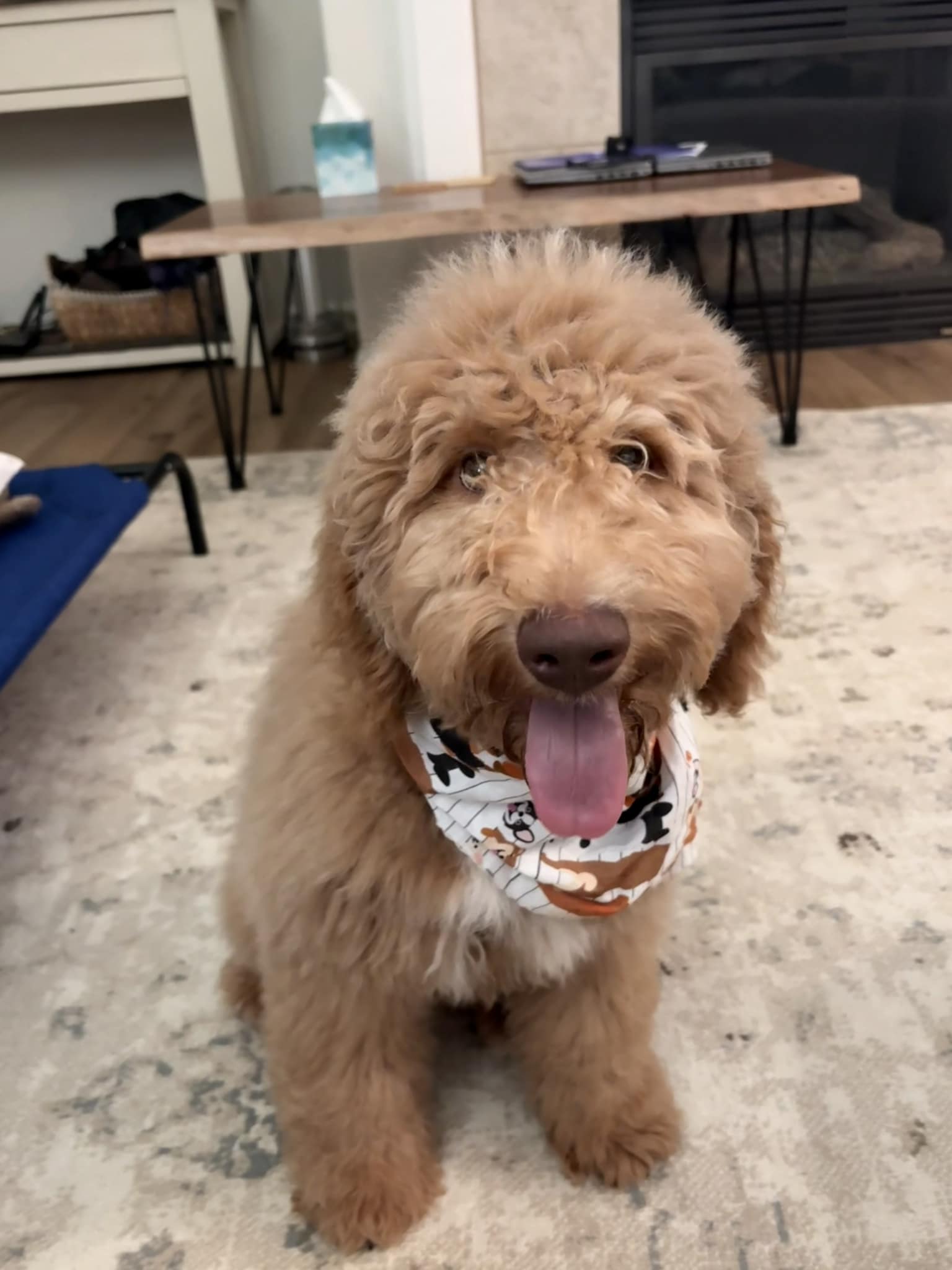
Credit: www.facebook.com
Common Challenges
Toilet training a Toy Poodle can be a delightful yet challenging journey. These adorable fluff balls are known for their intelligence and playful nature, but like any puppy, they come with their own set of quirks. Understanding and overcoming common challenges in toilet training is crucial for success. Let’s dive into some of the hurdles you might face and how to tackle them effectively.
Dealing With Setbacks
Setbacks are a normal part of toilet training. Your Toy Poodle may seem to grasp the concept one day and have accidents the next. It’s essential not to let these setbacks discourage you.
Consistency is key. Ensure you maintain a regular schedule for your puppy’s potty breaks. If accidents occur, gently guide your puppy to the designated toilet area and reinforce positive behavior with treats and praise.
It’s vital to evaluate what might be causing these setbacks. Is your puppy distracted? Are there changes in the environment? Identifying the root cause can help you adjust your training approach effectively.
Staying Patient
Patience is your greatest ally in toilet training. Training a Toy Poodle requires time and effort, and rushing the process can lead to more challenges.
Remember, puppies thrive on routine. Establish a regular feeding and potty schedule to help your Toy Poodle adapt to the new habits. Celebrate small victories, as progress might be gradual but it’s still progress.
Ask yourself: Are you setting realistic expectations? Every puppy is unique, and comparing your Toy Poodle’s progress to others might lead to unnecessary frustration. Patience and understanding will pave the way to success.
When To Seek Professional Help
Persistent accidents or no progress in toilet training might indicate the need for professional help. Consulting a trainer can provide tailored strategies for your toy poodle.
When toilet training a Toy Poodle, patience is key. But sometimes, even with effort, things don’t go smoothly. Recognizing when to seek professional help is crucial. It’s important to understand when your pet might need extra support.Behavioral Issues
Some Toy Poodles show behavioral issues during training. These can include anxiety or fear. Such issues might hinder progress. If your Poodle seems stressed, it could be a sign. Behavioral problems can make toilet training difficult. Observe your Poodle’s actions carefully. Consistent accidents or reluctance to follow instructions might indicate a problem.Training Specialists
Training specialists offer targeted solutions. They have expertise in handling difficult cases. Seeking their help can provide new strategies. Specialists understand canine behavior well. They use tailored techniques for each dog. A professional can identify what works best for your Toy Poodle. This guidance can speed up the training process. Consider these options if you face challenges. Professional help can make a significant difference. Your Toy Poodle deserves the best start.Credit: www.poodleforum.com
Frequently Asked Questions
How Long To Toilet Train A Toy Poodle?
Training a toy poodle can take several weeks to months. Consistency and patience are key. Every dog learns at their own pace. Positive reinforcement can speed up the process. Start with frequent breaks and reward successful attempts.
What Age Start Toilet Training Toy Poodle?
Begin training your toy poodle at around 8 weeks old. Early training helps establish good habits. Puppies can adapt quickly to routines. Ensure they have access to a designated toilet area. Gradual training can lead to long-term success.
How Often Should Toy Poodle Potty?
Toy poodles should potty every few hours. Puppies need more frequent breaks than adults. Regular schedules help establish routines. Monitor signs like sniffing or circling. Adjust frequency based on your poodle’s needs.
What Are Best Methods For Training?
Use positive reinforcement like treats and praise. Consistency in training sessions is crucial. Crate training can be effective for control. Set a regular routine for potty breaks. Avoid punishment to prevent fear or anxiety.
Conclusion
Toilet training your Toy Poodle takes patience and consistency. Celebrate small victories. Keep the training space clean and inviting. Use positive reinforcement. Praise your pup often. Set a routine and stick to it. Make potty breaks frequent. Watch for signs they need to go.
Respond quickly. Avoid punishment for accidents. Always be patient. Your Toy Poodle will learn with time. Enjoy the bonding process. Training can be fun. You both will succeed. Keep encouraging your furry friend. Soon, you’ll have a well-trained companion. Happy training!