
Is Lining Up Toys a Sign of Intelligence? Discover Insights
Ever noticed your child lining up toys in a perfect row and wondered what it means? You’re not alone.
Many parents see this behavior and question if it’s just a playful quirk or a sign of something deeper. Is it an early indicator of intelligence, creativity, or maybe even something concerning? Your curiosity is natural, and the answers might surprise you.
This behavior could reveal fascinating insights into how your child’s mind works. Dive into this article to uncover the mystery behind lining up toys and what it could mean for your little one’s development. You might find it’s more than just child’s play.
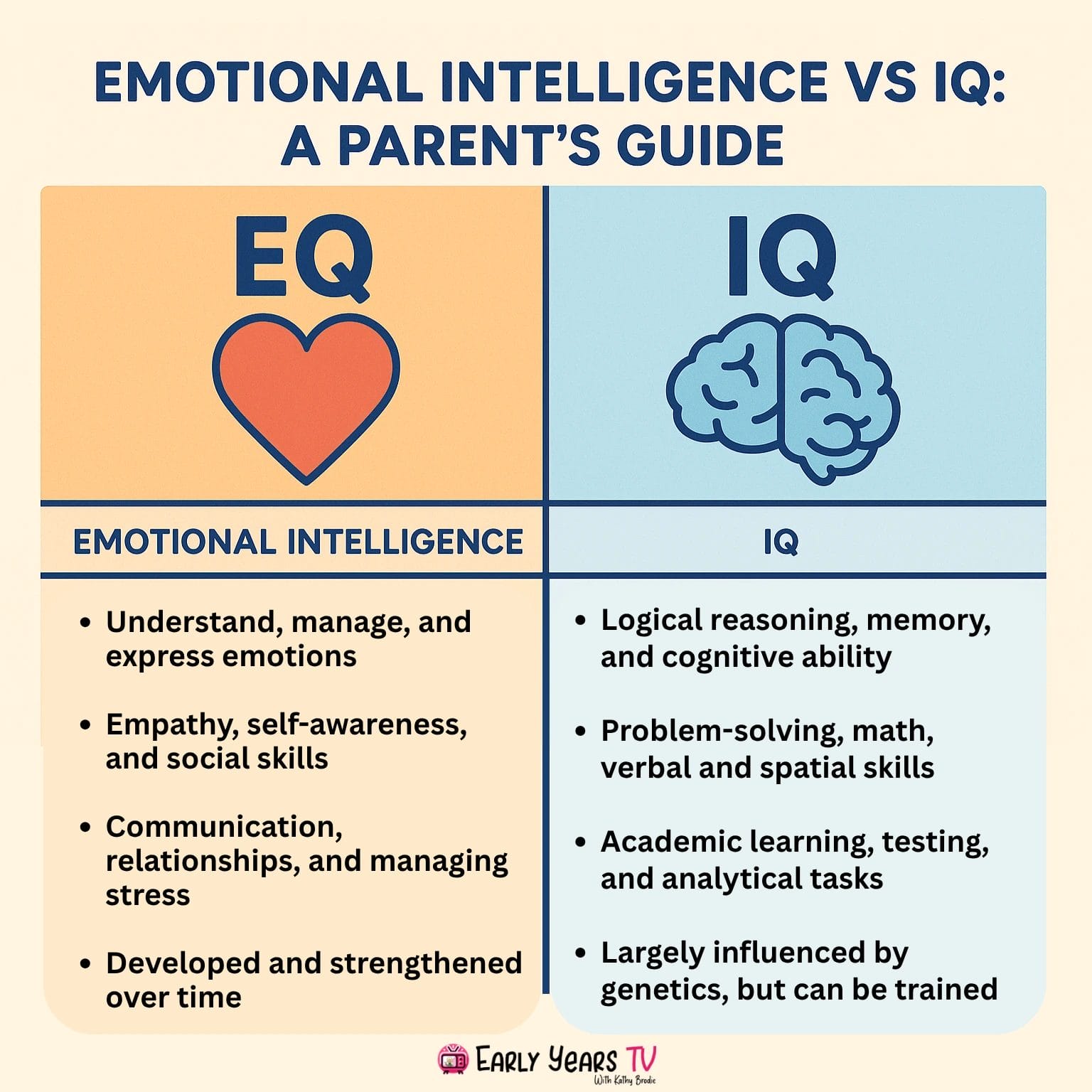
Credit: www.earlyyears.tv
Lining Up Toys: A Common Behavior
Many parents notice their kids lining up toys. This behavior can spark curiosity. Is it a sign of intelligence? Kids often align toys in neat rows. It might look unusual, but it’s quite common.
What It Looks Like
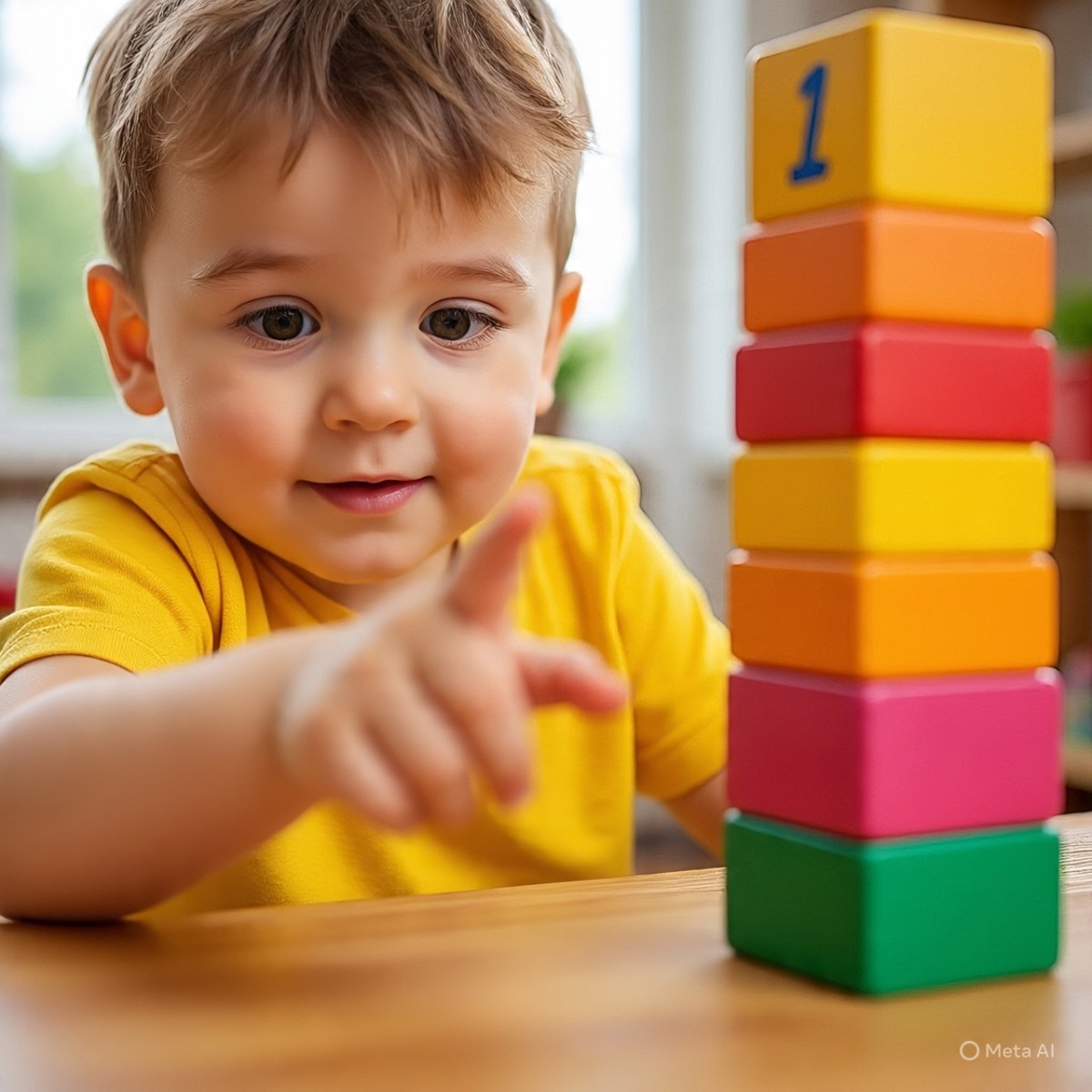
Children arrange toys in a straight line. Cars, blocks, or dolls are common choices. They focus on making the line perfect. This might include color, size, or type. Precision is key in their arrangement.
When It Occurs
This behavior often appears in early childhood. Kids between two to four years old do it frequently. Their brain is growing and exploring patterns. Arranging toys helps with this development.
The Psychology Behind Toy Arrangement
Children often line up toys, revealing their innate curiosity and organizational skills. This behavior may indicate advanced cognitive abilities. Observing toy arrangement can offer insights into a child’s development and problem-solving skills.
The arrangement of toys often reflects a child’s inner world. This behavior can show their developing mind and understanding. Children naturally organize toys as part of play. This action may seem simple, but it reveals much about their thinking.Developmental Stages
Children go through various stages of development. In early years, they explore their environment through play. Lining up toys often occurs in toddlers. It is part of their discovery process. They learn about shapes, sizes, and relationships. This behavior can be seen as a milestone. It signifies their growing awareness of order and patterns.Cognitive Skills Involved
Toy arrangement involves several cognitive skills. First, it requires attention to detail. Kids notice differences between toys. They compare and contrast them. Second, it involves categorization. Children group toys based on features. This shows their ability to classify objects. Third, it involves problem-solving. Deciding how to arrange toys requires thought. They must decide the best way to line them up. This builds their reasoning skills and creativity.Intelligence Indicators In Children
Parents often wonder if their child shows signs of intelligence early on. Observing behavior can reveal potential intelligence indicators. Children might surprise us with how they express their curiosity and skills. Toys are a common medium through which kids display their understanding and creativity. Lining up toys might be more than play; it might signal cognitive abilities.
Defining Intelligence
Intelligence is not just about knowing facts. It involves problem-solving, creativity, and understanding complex ideas. Children’s intelligence can manifest in various ways. Some kids show it through language skills. Others might display it through spatial awareness or logical thinking. Recognizing different types of intelligence can help appreciate each child’s unique abilities.
Early Signs To Watch For
Parents can look for specific behaviors indicating intelligence. These can include curiosity about the world. Asking many questions is another sign. Enjoying puzzles and complex games might suggest advanced cognitive skills. Lining up toys in a particular order can show organizational thinking. Observing how a child interacts with their environment is key.
Credit: www.indiatoday.in
Lining Up Toys: Skill Or Habit?
When you see your child lining up toys, you might wonder if it’s just a quirky habit or a sign of intelligence. This behavior can spark curiosity among parents and caregivers, especially when it seems to be a consistent activity. Understanding whether this is a skill or simply a habit can offer valuable insights into your child’s development.
Patterns And Order
Children often find comfort in patterns and order. Lining up toys could reflect a child’s ability to recognize patterns and create order in their environment. This might indicate a budding skill in organization, which is an essential aspect of cognitive development. Some children might simply enjoy the process of arranging toys in a specific sequence, finding satisfaction in the predictability and structure it provides.
Consider observing the types of patterns your child uses. Are they color-coordinating or arranging toys by size? This can give you clues about their thought process and interests. If they are consistent in their patterning, it might showcase an early interest in systematic thinking.
Role Of Repetition
Repetition is a key part of learning. By repeatedly lining up toys, children can develop fine motor skills and spatial awareness. This repetitive action allows them to practice precision and control, honing skills that are crucial as they grow.
Think about the role repetition plays in your own life. You might rehearse a speech multiple times to perfect it or repeatedly practice a sport to improve. Similarly, children use repetition to master new skills. This behavior can be more than a habit; it might be their way of practicing and understanding the world around them.
Could this repetitive behavior be a sign of intelligence? It’s worth considering how these actions contribute to a child’s skill set and confidence. Encourage exploration and see where their interests lead them, as it might reveal more about their unique capabilities.
Expert Opinions And Research
Parents often wonder if lining up toys is a sign of intelligence. Experts have debated this behavior in children. Research provides valuable insights into what this activity might indicate. Many studies have explored this intriguing behavior.
Studies And Findings
Numerous studies have observed children who line up toys. Researchers have found patterns in these behaviors. Some children show high focus and attention to detail. This could be linked to intelligence. Studies suggest that organizing toys requires problem-solving skills. It also involves planning and pattern recognition.
In one study, researchers compared children who lined up toys with those who didn’t. They found that those who did often had advanced cognitive skills. The study suggests a correlation between toy lining and intelligence. Children who line up toys may use complex thought processes. This behavior might reflect early intellectual abilities.
Psychologists’ Perspectives
Psychologists have shared diverse opinions on this behavior. Some see it as a sign of creativity and intelligence. They believe it shows an ability to create order from chaos. Others suggest it might be linked to developmental disorders. It may not always indicate high intelligence.
One psychologist noted that toy lining can show a child’s need for routine. This can be a sign of cognitive development. Another expert suggested observing the child’s overall behavior. It’s important to consider other factors alongside toy lining. Psychologists agree that each child is unique. Understanding their behavior requires a holistic approach.
Parental Observations And Tips
As a parent, observing your child’s behavior is a natural part of understanding their growth and development. When you notice your little one lining up toys, it can spark curiosity about what this behavior signifies. Is it a sign of intelligence? While it’s easy to jump to conclusions, understanding the context and nurturing this habit can be beneficial. Below are some observations and tips to help you make the most of these moments.
Encouraging Creative Play
Creative play is essential for cognitive development and can be encouraged alongside the organization of toys. You might notice your child arranging toys in specific patterns or color orders. This could be their way of expressing creativity and understanding order.
Encourage them by introducing themed play sessions. For example, if they are lining up cars, turn it into a race with a storyline. Ask questions like, “Who will win the race today?” This engages their imagination and critical thinking skills.
Set up a play area with different types of toys. Mixing blocks with animals or cars can prompt them to create narratives and scenarios. This not only fosters creativity but also enhances problem-solving abilities.
Balancing Structured Activities
While creative play is important, balancing it with structured activities can provide a comprehensive learning experience. Structured activities can teach your child discipline and focus, complementing their spontaneous play.
Consider introducing puzzles or building sets. These can be excellent for developing spatial awareness and logical thinking. Encourage them to complete tasks within a timeframe to instill a sense of achievement and discipline.
Balance is key. Over-scheduling can lead to stress and burnout, even for children. Create a routine that includes both free play and structured activities to nurture both creativity and discipline.
How do you ensure a healthy balance between creativity and structure in your child’s routine? Share your thoughts in the comments below!
When To Seek Professional Advice
Parents might wonder if lining up toys shows intelligence in children. It’s wise to seek professional advice if concerned about unusual patterns or behaviors. A professional can help understand if it’s a sign of intelligence or something else.
When observing your child meticulously lining up toys, you might wonder whether this behavior is a sign of intelligence or something else. While it can be a display of cognitive skill, there are times when it might signal the need for professional advice. Understanding when to seek help can be crucial in supporting your child’s development.Identifying Concerns
It’s natural to be curious if lining up toys is just a phase or something more. If your child consistently prefers this activity over others and shows little interest in social interaction, it might be worth paying attention. Notice if this behavior is accompanied by repetitive speech or difficulty in adapting to changes in routine. Do these patterns affect daily activities or relationships? If yes, it might be time to consider further evaluation. Keep an eye on whether the behavior is limiting their exploration or playing with others.Consulting Experts
Seeking guidance from child development professionals can provide clarity. Pediatricians or child psychologists can offer insights into whether this behavior is typical or if it requires intervention. They can help determine if your child might be on the autism spectrum or if there’s another underlying issue. These experts can assess your child through observations and standardized tests. They can then guide you on the next steps, whether it’s therapy or simple strategies to encourage more varied play. Engaging with experts can not only ease your worries but also empower you to better support your child’s growth.
Credit: www.skillpointtherapy.com
Frequently Asked Questions
Is Lining Up Toys A Sign Of Intelligence?
Lining up toys can indicate organizational skills in children. It may reflect cognitive development and attention to detail. However, it’s not a definitive sign of intelligence. Each child develops uniquely, and such behavior can also be a part of typical play patterns.
Why Do Children Line Up Their Toys?
Children may line up toys to create order or structure in their play. This behavior can be soothing and satisfying for them. It often reflects their desire to make sense of the world around them and exercise control over their environment.
Is Lining Up Toys Normal Behavior?
Yes, lining up toys is normal for many children. It’s a common developmental behavior and part of imaginative play. It helps children express creativity and develop spatial awareness. Unless accompanied by other concerning behaviors, it usually isn’t a cause for concern.
Does Toy Alignment Indicate Autism?
Lining up toys alone doesn’t indicate autism. It can be one of many behaviors seen in autism, but not a sole indicator. If you have concerns about autism, consult a healthcare professional for a comprehensive assessment.
Conclusion
Lining up toys can show intelligence in children. It reflects their ability to organize and focus. Children often express creativity through structured play. This behavior might indicate problem-solving skills. Observing these patterns can offer insights into a child’s mind. Parents should encourage such play.
It helps nurture cognitive development. These activities might not show intelligence alone. They can suggest a curious and engaged mind. Support and understanding from parents are vital. Let children explore their interests freely. Celebrate their unique ways of learning and growing.


