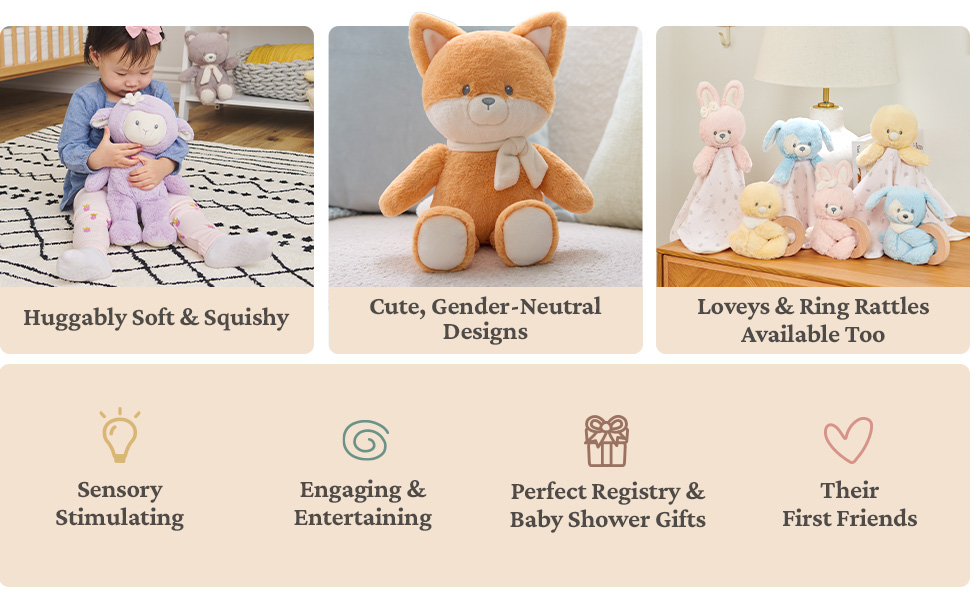
Have you ever wondered what makes your favorite plush toy so irresistibly soft and cuddly? These adorable companions, cherished by both kids and adults, have a way of bringing comfort and joy into our lives.
But have you ever paused to think about what they’re actually made of? Understanding the materials behind these beloved toys can change the way you look at them—and might even make you appreciate them more. We’ll unravel the secrets of plush toy production, revealing the materials that make them so special.
Get ready to discover the fascinating world of plush toys, one that combines science, art, and a touch of magic just for you. Curious? Let’s dive in!
Materials Used In Plush Toys
Plush toys, often cherished by children and adults alike, bring comfort and joy. These soft companions are crafted from various materials, each chosen for its unique properties. Understanding these materials can deepen your appreciation of these beloved toys.
Common Fabrics
Fabrics form the outer layer of plush toys. The most common is polyester. It is durable and soft, making it ideal for frequent hugs. Cotton is another popular choice. It is natural and breathable, perfect for sensitive skin. Some toys feature a blend of both materials, balancing softness and strength.
Filling Materials
The filling gives plush toys their characteristic squishiness. Polyester fiberfill is widely used for its lightness and fluffiness. It maintains shape well. Foam beads provide a different feel. They add weight and a more malleable texture. Some high-end toys use wool or cotton filling for a more organic touch.
Accessory Components
Details like eyes and noses enhance a plush toy’s charm. Plastic or embroidered features are common. Plastic eyes are shiny and expressive. Embroidered features are safer for young children. Some toys have additional accessories, such as bows or clothes. These are often made of felt or ribbons, adding character and style.
Popular Fabrics
Plush toys bring joy and comfort to many. They’re made from various fabrics that give them their softness and appeal. Understanding these fabrics can help us appreciate the craftsmanship behind these cuddly companions.
Cotton Variants
Cotton is a popular choice for plush toys. It’s soft and breathable, making it ideal for children’s toys. Cotton plush is durable and can be washed easily. Organic cotton is especially favored due to its natural properties. It is grown without harmful chemicals, ensuring safety for sensitive skin.
Synthetic Alternatives
Synthetic materials like polyester are widely used in plush toys. Polyester offers a smooth texture and vibrant colors. It’s also cost-effective, which makes it accessible to many. Another synthetic fabric, microfiber, is known for its high softness. Microfiber plush toys are often plushier and retain their shape well.
Eco-friendly Options
Eco-friendly fabrics are gaining popularity in toy production. Bamboo fabric is a sustainable choice, as it grows quickly and requires less water. Hemp is another eco-friendly option, known for its strength and durability. Recycled materials are used to create plush toys, reducing waste and promoting sustainability.
Types Of Filling
Plush toys are often filled with materials like polyester fiberfill, offering softness and lightness. Beans or pellets can add weight and texture, enhancing the cuddly feel. Some toys use foam for a firmer, structured shape.
Plush toys bring comfort and joy to both children and adults. What makes them so cuddly and soft often lies beneath their furry exteriors. The filling used in plush toys is crucial for their feel and shape. Different types of fillings offer unique textures and levels of softness. Understanding these can help you choose the perfect plush toy for your needs.Polyester Fiberfill
Polyester fiberfill is a common choice for plush toys. It’s lightweight and affordable. This synthetic material is made from spun polyester fibers. These fibers are fluffy and easy to mold, creating a soft and cuddly toy. Polyester fiberfill is also durable and easy to clean. It retains its shape even after being washed. Many plush toys use this filling because it provides a consistent level of comfort.Natural Fill Options
Natural fillings provide eco-friendly alternatives. They include materials like cotton, wool, or bamboo fibers. Cotton is soft and breathable, making it a popular choice. Wool offers warmth and is naturally fire-resistant. Bamboo fibers are sustainable and antibacterial. These natural options are ideal for those seeking environmentally conscious choices. They are gentle on sensitive skin, offering comfort and peace of mind.Innovative Fillings
Innovative fillings bring new textures and features to plush toys. Memory foam offers a unique, moldable softness. It contours to touch, providing personalized comfort. Gel beads create a weighted sensation, ideal for sensory toys. Some fillings use recycled materials, promoting sustainability. These modern options cater to diverse preferences and needs. They add exciting elements to the traditional plush toy experience.
Credit: www.amazon.com
Sewing And Stitching
Plush toys are crafted from soft fabrics like fleece, cotton, or synthetic materials. These materials provide a cuddly feel. Stuffing inside typically includes polyester fibers or cotton to maintain their shape and softness.
Sewing and stitching are the heart and soul of plush toy creation. The intricate process transforms simple fabric pieces into cuddly companions that children cherish. Each stitch not only holds the toy together but also determines its durability, safety, and overall appeal.Stitch Types
Different stitch types bring unique qualities to plush toys. Running stitches are commonly used for their simplicity and speed, creating a basic seam. However, more complex stitches like the blanket stitch add decorative elements while securing edges effectively. Have you ever thought about the tiny zigzag stitches on your plush toy? They aren’t just for show. These stitches provide flexibility, allowing the toy to withstand rigorous play without tearing.Durability Considerations
Durability is crucial when crafting plush toys, especially for those that will be loved by active children. Strong stitching ensures the toy can endure countless hugs and adventures. Reinforced seams, often achieved with double stitching, are essential for areas that undergo frequent stress, such as limbs and necks. Consider this: Have you ever seen a plush toy with a missing arm or leg? Poor stitching may be the culprit. Investing in quality stitching can prevent such disasters, keeping toys intact and children happy.Safety Standards
Safety is paramount in the world of plush toys, and the stitching plays a vital role. Toys must adhere to strict safety standards to prevent hazards. Secure stitches ensure that small parts, like buttons or eyes, don’t come loose, reducing choking risks. Do you check for tight stitches on your child’s toys? Ensuring that all elements are securely fastened can give you peace of mind. Safety stitches aren’t just a technical requirement—they’re a promise of care and protection for the little ones.Design And Aesthetics
Plush toys, with their soft textures and charming appearances, are more than just playthings; they are a delightful fusion of design and aesthetics. Every plush toy reflects the creativity and craftsmanship involved in its making. From the initial sketch to the final details, each step in the design process is crucial in bringing these cuddly companions to life.
Pattern Creation
Creating a pattern is the first step in designing plush toys. Designers often begin by sketching the toy’s shape on paper or using digital tools to visualize different angles. Imagine the excitement of translating a doodle into a tangible toy! Patterns are meticulously crafted to ensure the toy’s proportions and features are just right. Have you ever wondered how a teddy bear’s ear achieves that perfect curve? It’s all in the pattern.
Color Selection
Colors play a pivotal role in defining the personality of plush toys. Designers choose colors that evoke certain emotions or match a theme. Bright colors might be used for whimsical characters, while pastel shades suit gentle, soothing designs. Think about how a vibrant red dragon can instantly capture your attention or how a soft pink bunny can provide comfort. The color palette is selected not only for aesthetic appeal but also to ensure the toy’s materials are dye-friendly and safe for children.
Details And Features
Details and features breathe life into plush toys, giving them unique characteristics. This includes stitching patterns, facial expressions, and accessories like bows or hats. Designers focus on small details like embroidered eyes or a stitched smile, which can transform a simple toy into a cherished friend. Have you noticed how the tiniest bow tie can make a plush penguin look dapper? Every feature is carefully chosen to enhance the toy’s charm and appeal.
Safety And Regulations
Plush toys often consist of soft fabrics like cotton, polyester, or velvet. Manufacturers follow strict safety regulations to ensure materials are non-toxic and child-friendly.
Ensuring the safety of plush toys is crucial for manufacturers and consumers. Parents want to know that these soft companions are safe for their children. Regulations and standards help in maintaining this trust. Understanding these can make choosing the right toy easier.Material Safety
Plush toys are often made from cotton, polyester, and wool. These materials are non-toxic and hypoallergenic. Manufacturers must ensure that dyes and finishes are safe. Many countries have strict guidelines for chemical use in toys. Certifications from recognized bodies can assure parents of safety.Age Appropriateness
Not all plush toys are suitable for every age. Small parts can be dangerous for infants and toddlers. Labels often indicate the appropriate age group. Parents should check these labels before purchasing. For very young children, choose toys with embroidered features instead of plastic.Quality Assurance
Quality checks are essential before plush toys reach the market. Manufacturers perform rigorous testing to ensure durability. Seams and stitching must withstand rough play. Quality assurance also involves checking for loose parts. Parents should inspect toys regularly for wear and tear.Sustainability In Production
Sustainability in the production of plush toys is a growing focus in the toy industry. As consumers become more eco-conscious, manufacturers are pushed to find greener ways to make these cuddly companions. The demand for sustainable practices is transforming how plush toys are made, from the materials used to the methods of production.
Eco-conscious Brands
Some brands are leading the charge in sustainability by choosing organic and recycled materials for their plush toys. These companies are not just saving the planet; they’re also creating healthier toys for kids. Imagine a plush toy made from recycled water bottles, offering the same soft hug while reducing plastic waste.
Recycling And Reusability
Recycling plush toys is becoming easier and more common. Many manufacturers now design toys to be easily disassembled and recycled. Are you aware that you can send your old plush toys to certain companies for recycling? This approach not only reduces landfill waste but also teaches kids about responsible consumption.
Future Of Plush Toys
The future of plush toys is exciting and promising. Innovations in sustainable materials and production methods are paving the way for eco-friendly toys that are just as lovable. Could we soon see plush toys made entirely from biodegradable materials? As technology advances, the possibilities are endless, and you might find yourself choosing toys that align with your values.
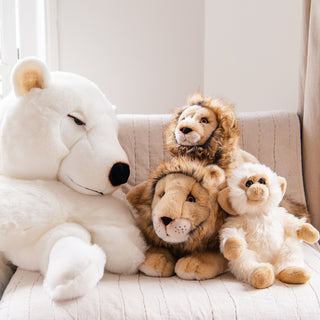
Credit: la-pelucherie.com

Credit: scratchandstitch.com
Frequently Asked Questions
What Materials Are Used In Plush Toys?
Plush toys are typically made from soft fabrics like polyester and cotton. The stuffing inside is often polyester fiberfill. These materials are chosen for their softness and durability. Some plush toys may also include plastic or embroidered details for features like eyes and noses.
Are Plush Toys Safe For Children?
Most plush toys are designed with child safety in mind. They usually meet safety standards for materials and construction. However, always check for loose parts or small components that could pose a choking hazard. For infants, choose plush toys without small detachable pieces.
How Are Plush Toys Manufactured?
Plush toys are manufactured through a combination of sewing and stuffing. Fabrics are cut into patterns and sewn together, leaving an opening for stuffing. After stuffing, the opening is sewn shut. Details like eyes or noses are added last, either by sewing or attaching securely.
Can Plush Toys Be Machine Washed?
Many plush toys are machine washable, but it’s best to check the label. Washing instructions vary depending on materials and construction. Use a gentle cycle with cold water to prevent damage. Air dry the toy to maintain its shape and texture.
Conclusion
Plush toys bring comfort and joy to people worldwide. Their soft materials, like cotton and polyester, make them cuddly and safe. Some toys include foam for extra fluffiness. Various fabrics give plush toys unique textures and appearances. Natural fibers are often used for eco-friendly options.
Plush toys can last years with proper care. Always check labels for quality materials before buying. These lovable companions offer warmth and happiness to children and adults alike. Understanding their construction helps in choosing the perfect plush friend. Enjoy the softness and charm of plush toys today!