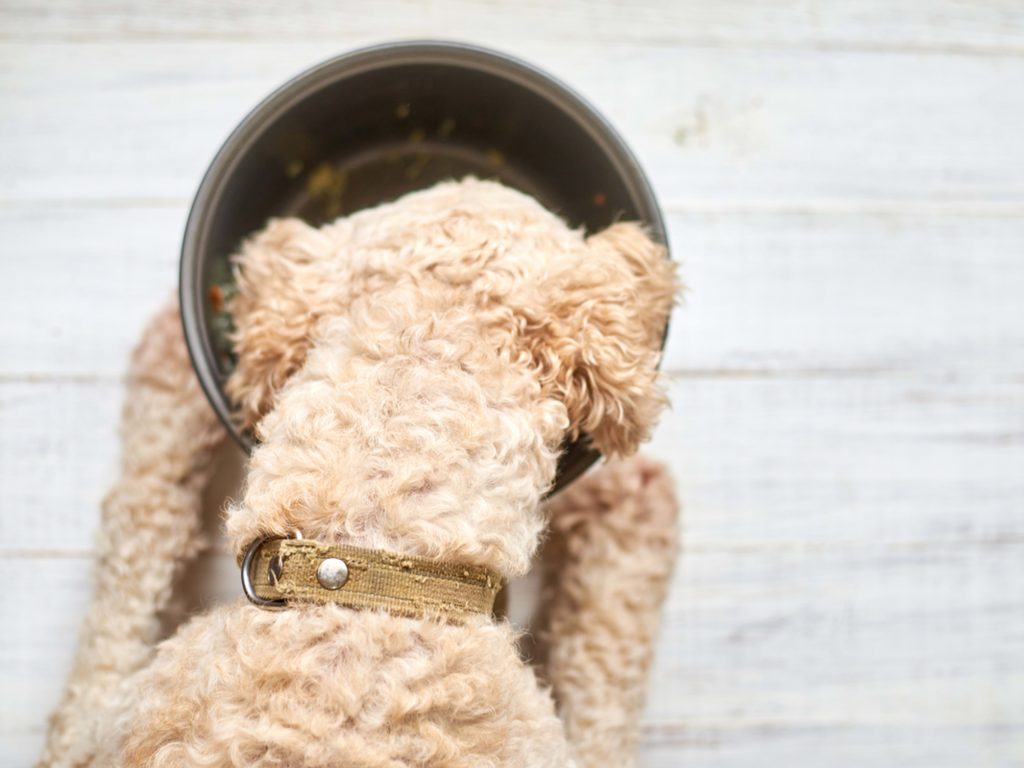
Have you ever wondered what the best diet is for your adorable toy poodle? You’re not alone.
Many pet owners like you want to ensure their furry friend is getting the right nutrients. The good news is, understanding what toy poodles eat can significantly impact their health, happiness, and longevity. Imagine your toy poodle bouncing with energy, sporting a shiny coat, and enjoying a robust immune system—all thanks to the right diet choices you make.
This guide will walk you through everything you need to know about feeding your pint-sized companion. Uncover the secrets to a balanced diet that will have your toy poodle wagging their tail with delight. Keep reading to discover how you can provide the best nutrition for your little buddy.
Toy Poodle Diet Essentials
Toy poodles thrive on a balanced diet that includes high-quality proteins, healthy fats, and essential vitamins. Fresh fruits and vegetables provide necessary nutrients and fiber. Regular meals tailored to their size ensure optimal health and energy levels.
Toy Poodles are adorable, intelligent, and active little dogs that require a balanced diet to support their energetic lifestyle. Understanding the essentials of a Toy Poodle’s diet is crucial for their health and happiness. A well-rounded diet includes protein, carbohydrates, healthy fats, and essential vitamins and minerals. Let’s dive into each of these components to ensure your Toy Poodle thrives.Protein Needs
Protein is a vital part of a Toy Poodle’s diet as it supports muscle growth and repair. Ensure your poodle gets high-quality proteins from sources like chicken, turkey, and fish. Remember, protein should make up a significant portion of their meals to maintain their energy levels and overall health.Carbohydrate Sources
Carbohydrates provide the energy your Toy Poodle needs to play and explore. Opt for whole grains such as brown rice and oatmeal. These offer sustained energy and are easier to digest compared to processed grains.Healthy Fats
Healthy fats are essential for a shiny coat and optimal brain function. Include sources like fish oil and flaxseed in their diet. These fats help keep your poodle’s skin healthy and coat gleaming.Vitamins And Minerals
Vitamins and minerals are crucial for your Toy Poodle’s immune system and overall well-being. Fresh fruits and vegetables like carrots, blueberries, and spinach are great choices. These nutrient-rich foods support their vision, boost immunity, and aid digestion. Feeding your Toy Poodle a balanced diet tailored to their specific needs can make a noticeable difference in their quality of life. What changes will you make to your poodle’s diet today?
Credit: www.facebook.com
Commercial Dog Food Options
Choosing the right commercial dog food for your Toy Poodle can be a daunting task. With a myriad of options available, you want to ensure your furry friend is getting the best nutrition without compromising taste and quality. Let’s dive into the world of commercial dog foods, exploring dry kibble, canned food varieties, and balanced ingredients.
Dry Kibble Benefits
Dry kibble is a popular choice among Toy Poodle owners for several reasons. Its crunchy texture helps keep your dog’s teeth clean, reducing the risk of dental issues. Additionally, kibble is convenient, easy to store, and often more affordable than other options.
When selecting a dry kibble, look for brands that offer small-sized pieces suitable for Toy Poodles. This ensures your pet can chew comfortably and enjoy mealtime. Have you noticed how some kibbles seem to make your poodle’s coat shinier? It’s worth experimenting with different brands to find the perfect match.
Canned Food Varieties
Canned dog food can be a delightful treat for Toy Poodles, offering a variety of flavors and textures. This type of food is typically more palatable and can be an excellent option for picky eaters. It also provides higher moisture content, which can be beneficial for hydration.
Consider mixing canned food with dry kibble to give your poodle a balanced diet while keeping mealtime exciting. But remember, not all canned foods are created equal. Pay attention to the ingredient list and opt for those with whole meat as the primary ingredient.
Balanced Ingredients
Ensuring your Toy Poodle’s food has balanced ingredients is crucial for their health and well-being. Look for dog food that includes high-quality protein sources, essential fatty acids, and a mix of vitamins and minerals. Avoid foods with artificial fillers or excessive preservatives.
Consider brands that prioritize transparency in their ingredient sourcing and production processes. Have you ever thought about how your dog’s diet impacts their energy levels and mood? The right ingredients can make all the difference in keeping your poodle active and happy.
Homemade Meal Considerations
Creating homemade meals for your toy poodle can be a rewarding experience. It allows you to control the quality and type of ingredients, ensuring your furry friend is getting a balanced diet. Before you start whipping up gourmet dishes, there are important considerations to keep in mind to ensure your toy poodle’s health and happiness.
Cooking Tips
Preparing meals for your toy poodle doesn’t have to be complex. Simple cooking methods like boiling or steaming are often best. These methods preserve nutrients in ingredients while maintaining flavor. Avoid using spices or seasonings as they can upset your poodle’s stomach.
Try cooking a batch of chicken or turkey, then shredding it for easy digestion. You can also add cooked vegetables like carrots and peas for extra nutrients. Remember, consistency is key; stick to a routine that your poodle enjoys.
Safe Ingredients
Choosing the right ingredients is crucial. Lean meats like chicken, turkey, and fish are excellent protein sources. Pair these with vegetables such as sweet potatoes, carrots, and green beans to provide vitamins and minerals.
Avoid toxic foods like chocolate, grapes, onions, and garlic, which can be harmful to dogs. Grains like rice and oats can be good for carbohydrates but should be given in moderation.
Portion Control
Serving the right portion is essential to avoid overfeeding. Toy poodles are small dogs, so they require smaller meal sizes. Generally, about 1/4 to 1/2 cup of food per day is adequate, divided into two meals.
Monitor your poodle’s weight and energy levels to adjust portions as needed. If your poodle seems sluggish or is gaining weight, it might be time to reduce the portion size. Always prioritize your dog’s health over their begging eyes!
Foods To Avoid
Toy poodles thrive on balanced diets, but certain foods can harm them. Avoid chocolate, which is toxic, and onions, which can damage their red blood cells. Fatty foods may lead to pancreatitis, so stick to lean proteins and dog-safe fruits and vegetables.
Knowing what foods to avoid is crucial for keeping your toy poodle healthy and happy. While it might be tempting to share everything you eat with your furry friend, some foods can be harmful or even toxic. Understanding these risks will help you make better feeding choices for your beloved pet.Toxic Ingredients
Certain ingredients that are harmless to humans can be toxic to toy poodles. Chocolate, for instance, contains theobromine, which is poisonous to dogs. Grapes and raisins can lead to kidney failure, while onions and garlic can cause anemia. Always keep an eye on what your dog has access to, especially during meals or celebrations.Common Allergens
Just like humans, toy poodles can have food allergies. Common allergens include grains like wheat, corn, and soy. Chicken and beef can also trigger allergic reactions in some dogs. If you notice symptoms such as itching, digestive issues, or unusual behavior, it might be time to reconsider their diet and consult with your vet.Table Scraps Risks
Sharing table scraps might seem harmless, but it can introduce unhealthy habits and nutritional imbalances. Many human foods are high in fat and salt, which are not suitable for toy poodles. Additionally, small bones or cooked bones can be choking hazards. Think twice before slipping your pup a piece of your dinner. By being mindful of these risks, you can ensure your toy poodle enjoys a balanced and safe diet. What unexpected foods have you caught your poodle trying to munch on?Feeding Schedule And Portions
Feeding your Toy Poodle the right amount at the right time is crucial. Their small size requires precise portions to maintain health. An effective feeding schedule helps manage weight and energy levels.
Daily Meal Frequency
Toy Poodles need meals at regular intervals. Most experts recommend feeding them twice a day. This schedule prevents hunger and maintains steady energy. Puppies might require three meals daily due to their growing needs.
Age-appropriate Portions
The portion size depends on age and activity level. Puppies need more calories for growth. Serve them small, frequent meals. Adult Toy Poodles require less food, but ensure it’s nutrient-rich. Senior dogs might need adjustments based on their health.
Monitoring Weight
Regular weight checks are essential. Adjust food portions if you notice weight gain or loss. A healthy Toy Poodle should have a defined waist and ribs you can feel, but not see. Consult your vet for advice on maintaining an ideal weight.

Credit: www.facebook.com
Special Dietary Needs
Toy Poodles thrive on a balanced diet tailored for small breeds. High-quality kibble with protein, fats, and essential nutrients supports their energy needs. Fresh water is vital to keep them hydrated and healthy.
Toy Poodles, like all dogs, have special dietary needs that vary throughout their life stages and health conditions. Understanding these needs can ensure your furry friend remains healthy and energetic. The right diet can make a significant difference in their quality of life.Puppy Nutrition
Puppy Toy Poodles require a diet rich in proteins and fats to support their rapid growth and development. Ensure they have access to high-quality puppy food specifically designed for small breeds. You might be tempted to treat them with table scraps, but a balanced diet is crucial at this stage.Senior Poodle Diet
As Toy Poodles age, their dietary needs change significantly. Senior dogs often benefit from foods that are lower in calories but high in fiber and essential nutrients. Consider foods formulated for seniors to support joint health and maintain an ideal weight.Health Condition Considerations
Toy Poodles are prone to certain health issues like dental problems and allergies, which can be influenced by their diet. If your poodle has a specific health condition, consult your vet for a tailored diet plan. Specialized diets can alleviate symptoms and enhance their overall well-being. Are you providing your Toy Poodle with the best nutrition possible? Small adjustments can lead to big changes in their health and happiness.Supplements For Toy Poodles
Toy Poodles thrive on balanced diets that include high-quality dog food and occasional supplements. Essential nutrients support their overall health and vibrant energy. Consult a vet to choose supplements that meet their specific needs.
Toy Poodles are charming companions with specific dietary needs. Supplements can help maintain their health and vitality. Understanding the right supplements ensures your Toy Poodle remains active and happy. Let’s explore the supplements that can benefit these adorable pets.Common Supplements
Toy Poodles often need supplements for joint health and shiny coats. Omega-3 fatty acids support skin health and reduce inflammation. Glucosamine is popular for joint support, especially in older dogs. Probiotics aid digestion and boost the immune system. Multivitamins can fill nutritional gaps in their diet.Benefits And Risks
Supplements offer many benefits for Toy Poodles. They promote healthy skin, joints, and digestion. A well-balanced supplement regimen keeps your dog energetic and playful. But, too much of a supplement can harm your pet. Over-supplementation may lead to health issues like vitamin toxicity. Always monitor the amounts given to your Toy Poodle.Veterinary Advice
Consulting a veterinarian is crucial before starting any supplements. A vet can assess your Toy Poodle’s specific needs and recommend appropriate supplements. They ensure the dosage is safe and beneficial. Regular check-ups help track your dog’s health progress. This personalized advice ensures your Toy Poodle receives the best care.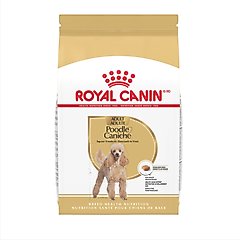
Credit: www.petmd.com
Frequently Asked Questions
What Is The Best Food For Toy Poodles?
Toy poodles thrive on high-quality dog food rich in protein and nutrients. Look for brands with real meat as the first ingredient. Avoid fillers like corn and soy. Consider grain-free options if your poodle has allergies. Always ensure the food is age-appropriate, whether for puppies, adults, or seniors.
Can Toy Poodles Eat Human Food Safely?
Some human foods are safe for toy poodles, like carrots and apples. Avoid chocolate, onions, and grapes, which are toxic to dogs. Always introduce new foods in moderation and monitor for reactions. Consult your vet before adding human food to your poodle’s diet to ensure safety.
How Often Should Toy Poodles Eat Daily?
Toy poodles typically eat two to three times a day. Puppies may require more frequent meals. Consistent feeding schedules help maintain their energy levels and digestive health. Adjust portions according to your poodle’s age, size, and activity level. Always provide fresh water alongside their meals.
Are There Specific Dietary Needs For Toy Poodles?
Yes, toy poodles require balanced diets with protein, fats, and carbohydrates. They need smaller kibble sizes for their petite mouths. Pay attention to calcium and phosphorus for bone health. Consider supplements like omega-3 for coat health. Consult your vet for a personalized dietary plan.
Conclusion
Toy poodles thrive on nutritious meals. Balanced diets support their health. Choose quality dog food for them. Fresh vegetables and fruits add variety. Always ensure proper portions. Avoid harmful foods like chocolate. Consult a vet for dietary advice. Treats should be given sparingly.
Water is essential for hydration. Keep their feeding schedule consistent. Happy, healthy toy poodles enjoy life fully. Their diet impacts their wellbeing greatly. Provide love along with food. A well-fed poodle is a joyful companion. Remember, their health starts with proper nutrition.
Make informed choices for their meals. Your care ensures their long, happy life.