Have you ever wondered which toys in your child’s playroom might contain those tiny, coin-sized button batteries? These little powerhouses can hide in the most unsuspecting places, and knowing where they are is crucial for your peace of mind.
Button batteries are found in a variety of toys and gadgets, and while they provide endless hours of fun, they also pose potential risks if not handled properly. By understanding which toys commonly use these batteries, you can take proactive steps to ensure your child’s safety.
Dive into this article to uncover the secrets hidden inside your child’s favorite toys and learn how to keep playtime both fun and safe. Your child’s safety is worth every minute you spend reading.
Common Toys With Button Batteries
Button batteries are small, yet powerful energy sources commonly found in many household items. However, their presence in toys poses a significant safety risk, particularly for young children. Knowing which toys contain button batteries can help you make safer choices for your family.
Popular Brands And Models
Many popular toy brands incorporate button batteries into their designs. The convenience of these batteries lies in their ability to power small, interactive features without adding bulk. Brands like Hasbro and Fisher-Price often use button batteries in toys that light up or make sounds.
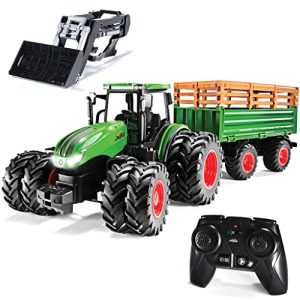
Specific models that use button batteries include interactive storybooks, miniature remote-controlled cars, and musical plush toys. If you’ve ever purchased a tiny, talking action figure for your child, it’s likely powered by a button battery. Always check the packaging for battery information and ensure you have a secure storage place for extras.
Age Groups Most Affected
Children between the ages of 0-3 are most at risk when it comes to toys with button batteries. Their natural curiosity and tendency to explore objects by putting them in their mouths increase the danger. Even toys meant for older kids can find their way into the hands of younger siblings, making vigilance crucial.
Parents of toddlers should be especially cautious, as this age group is prone to accidents involving small parts. It’s essential to supervise playtime and regularly inspect toys for potential hazards. Do you routinely check your child’s toy box for items with button batteries?

Credit: www.facebook.com
Risks Of Button Batteries
Many toys contain button batteries that pose serious risks. These tiny batteries are found in remote-controlled cars, talking dolls, and electronic games. Always check toys for button battery compartments to ensure children’s safety.
The risks of button batteries are a serious concern for families. These small, shiny power sources can be found in many household items. Toys, remote controls, and hearing aids often contain them. Their size and shape make them appealing to children. But they pose significant dangers.Health Hazards
Button batteries can cause severe injuries. If swallowed, they can burn through tissue. This happens quickly. Within hours, serious damage can occur. The battery reacts with bodily fluids. It creates an electrical current. This leads to chemical burns. The consequences can be life-threatening. Surgery might be required to remove them. Internal bleeding or infection can follow. Awareness of these risks is crucial.Why Kids Are Vulnerable
Children are naturally curious. They explore by touching and tasting. Button batteries are small and shiny. They look like candy or coins. Kids may accidentally swallow them. Or insert them into their noses or ears. Their tiny size fits easily in small spaces. Young children can’t understand the danger. Their curiosity often leads to risky behavior. They need protection from these hazards. Parents must be vigilant. Keep button batteries out of reach. Supervise playtime carefully.Identifying Button Battery Toys
Toys with button batteries often include sound or light features. Common examples are musical books, flashing toy animals, and interactive dolls. It’s crucial to check toy labels for battery information to ensure safety.
Identifying toys with button batteries is crucial for child safety. These small, shiny batteries power many toys. They can be a hidden danger. Knowing how to spot them helps keep children safe.Signs To Look For
Toys with lights often have button batteries. If a toy makes sounds, it might use them. Check for toys with moving parts. Button batteries are small, round, and silver. Look for a compartment that needs a screwdriver to open.Packaging And Labels
Always read toy packaging carefully. Look for battery information on labels. Packaging may show a battery symbol. The label might list the battery type. Manufacturers often state battery requirements clearly.Safety Tips For Parents
Toys with button batteries pose serious risks for children. Ensure toys are secure and button batteries aren’t accessible. Regularly inspect toys for loose or missing parts to prevent accidents.
Ensuring the safety of your children is paramount, especially when it comes to toys that contain button batteries. These small, shiny batteries can be found in various toys, from flashing light-up dolls to singing teddy bears. While they bring joy and entertainment, they also pose hidden dangers if not handled properly. As a parent, it’s crucial to understand how to manage these batteries safely. Here are some practical safety tips to help protect your kids.Proper Storage And Disposal
Storing button batteries correctly is a simple yet effective way to prevent accidents. Keep spare batteries out of reach and sight of children. A high shelf or a locked drawer can be your go-to spot. When disposing of old or dead batteries, never throw them in the trash where kids might find them. Instead, use designated battery recycling bins or centers. This not only ensures safety but also benefits the environment. Have you ever considered making a habit of checking the toys regularly for loose batteries? It’s a small step that can make a big difference.Educating Children
Educating your children about the dangers of button batteries is crucial. Explain to them why these tiny power sources should never be touched or swallowed. Make it a fun learning experience. You could use storytelling to illustrate the risks and safety measures, turning a serious topic into an engaging family discussion. Ask your children questions to gauge their understanding. What would they do if they found a battery on the floor? Encouraging them to think critically can reinforce their awareness and safety practices.What To Do In An Emergency
Many toys contain button batteries, posing risks if swallowed. Quickly remove and secure toys to prevent accidents. Seek medical help immediately if ingestion occurs, as button batteries can cause severe harm.
In emergencies involving button batteries, quick action is crucial. These small power sources can be dangerous if swallowed. Knowing the right steps can protect your child. Here’s how to handle such situations effectively.First Aid Steps
If a child swallows a button battery, act fast. Do not wait.- Immediately call your local emergency number.
- Do not let the child eat or drink anything.
- Keep the child calm and still.
When To Seek Medical Help
Always seek medical help if a child swallows a button battery. Time is critical. Even if the child seems fine, internal damage can occur. Head straight to the nearest hospital. Explain the situation upon arrival. Medical professionals will take necessary actions. Immediate treatment is often required to prevent serious injury.
Credit: www.facebook.com
Alternatives To Button Battery Toys
Toys like musical books, remote controls, and small light-up toys often have button batteries. These batteries can be hazardous if swallowed. Choose toys with larger batteries or no batteries at all.
In a world where technology often dominates our choices, finding alternatives to button battery toys can be a refreshing change. These small batteries, while powering many beloved toys, can pose safety risks and environmental concerns. By exploring toys that don’t rely on button batteries, you not only ensure safer playtime but also contribute to a more sustainable planet. Let’s delve into some engaging options that can spark joy and creativity in your child’s playtime without the need for button batteries.Battery-free Options
Battery-free toys offer endless possibilities for imaginative play. Think about classic toys like building blocks or puzzles. These not only challenge your child’s mind but also encourage problem-solving skills. Consider board games that require strategy and teamwork. They are perfect for family bonding and can create lasting memories. Wind-up toys or pull-back cars can be fascinating for kids, offering the excitement of movement without electronic components. They show kids the power of mechanics in a playful way.Eco-friendly Choices
Choosing eco-friendly toys is a step towards a greener future. Wooden toys are a fantastic alternative. They’re durable, often beautifully crafted, and made from sustainable materials. Look for toys made from recycled plastics or organic fabrics. They reduce waste and often come in vibrant colors and textures that captivate children. You can also explore toys that promote outdoor play, like kites or garden tools. These encourage children to appreciate nature and develop their love for the environment. Are you ready to rethink your toy choices for a safer and greener playtime? By opting for battery-free and eco-friendly toys, you support your child’s development and the planet. What better gift could you give?Regulations And Standards
Toys with button batteries must follow strict safety standards to prevent accidents. Regulations ensure secure battery compartments, reducing risks for children. Awareness of these standards helps parents choose safer toys.
Understanding the regulations and standards surrounding toys with button batteries is crucial for ensuring the safety of children. Button batteries, while small and seemingly harmless, can pose significant risks if swallowed or improperly handled. As a parent or guardian, being aware of these regulations can help you make informed decisions when purchasing toys for your little ones.Current Safety Regulations
Current safety regulations for toys with button batteries are designed to minimize risks and ensure that these toys are safe for children to use. Manufacturers are required to comply with strict guidelines, which include secure battery compartments that are difficult for children to open. This often involves the use of screws or child-resistant locking mechanisms. Additionally, toys must be clearly labeled with warnings about the dangers of button batteries. This helps raise awareness among parents and caregivers about the potential hazards. However, have you ever wondered if all toys on the market are consistently adhering to these standards?Future Developments In Safety
Looking ahead, future developments in toy safety standards aim to further enhance protection against button battery hazards. Regulatory bodies are considering more stringent requirements, such as improved testing procedures and more robust packaging solutions. Innovations in technology could lead to safer battery designs that reduce the risk of ingestion. Imagine a world where button batteries are no longer a threat to our children. What changes would you like to see in these future regulations to ensure the utmost safety for your family? By staying informed about these regulations, you can play a pivotal role in advocating for safer toys. Your vigilance could very well contribute to a safer environment for children everywhere.
Credit: www.facebook.com
Frequently Asked Questions
What Are Common Toys With Button Batteries?
Common toys with button batteries include remote-controlled cars, light-up dolls, talking robots, and musical books. These toys often use button batteries due to their compact size. Parents should check packaging and manuals for battery type. Always ensure battery compartments are secure to prevent accidental ingestion by children.
Are Button Batteries In Toys Dangerous?
Yes, button batteries in toys can be dangerous if swallowed. They pose a serious risk to children, potentially causing internal burns or choking. Always supervise children when playing with toys that contain button batteries. Ensure battery compartments are securely closed to prevent accidental access by curious hands.
How Can I Identify Toys With Button Batteries?
To identify toys with button batteries, check the toy’s packaging and instruction manual. Look for battery size specifications, often listed as button cell or coin cell. Inspect the toy for small battery compartments, usually secured with screws. Always confirm the battery type before purchasing to ensure safety.
Why Do Toys Use Button Batteries?
Toys use button batteries because they provide power in a compact, lightweight form. Their small size allows for seamless integration into toys without adding bulk. Button batteries are ideal for powering electronics in toys like sound effects, lights, and motion features, enhancing the toy’s interactive experience.
Conclusion
Button batteries power many toys today. They are small and easy to swallow. Parents must stay vigilant. Check toys regularly for loose batteries. Teach kids about battery safety. Store spare batteries out of reach. Choose toys without button batteries when possible.
Safety is important. Protect your children from accidental ingestion. Stay informed about toy safety features. Choose wisely for your child’s enjoyment and safety. With careful choices, kids can play safely. Ensure peace of mind. A little caution goes a long way in preventing accidents.
Keep playtime fun and safe.