Imagine a world where toys were only discovered through word of mouth, store shelves, or catalogs. Hard to believe, right?
In today’s media-driven age, advertisements are everywhere, helping us find the next best thing for our kids. But have you ever wondered which toy was the trailblazer, the first to step into the spotlight of television advertising? This fascinating nugget of history not only changed the way toys were marketed but also shifted how you and countless others choose toys for your children.
We’ll reveal the pioneering toy that first graced the TV screens and explore how its introduction sparked a revolution in advertising. As you read on, you’ll uncover the clever strategies that made it a household name and how these tactics continue to influence marketing even today. Get ready to dive into a story that combines nostalgia with a touch of marketing genius, and discover why this iconic toy still holds a special place in our hearts and minds.

Credit: www.facebook.com
The Dawn Of Television Advertising
Television advertising began in the late 1940s. It changed how businesses reached audiences. The small screens in homes became powerful marketing tools. Companies started to realize this potential quickly. This era marked a new way of influencing consumer choices. One of the first products to make history was a toy.
The First Toy Commercial
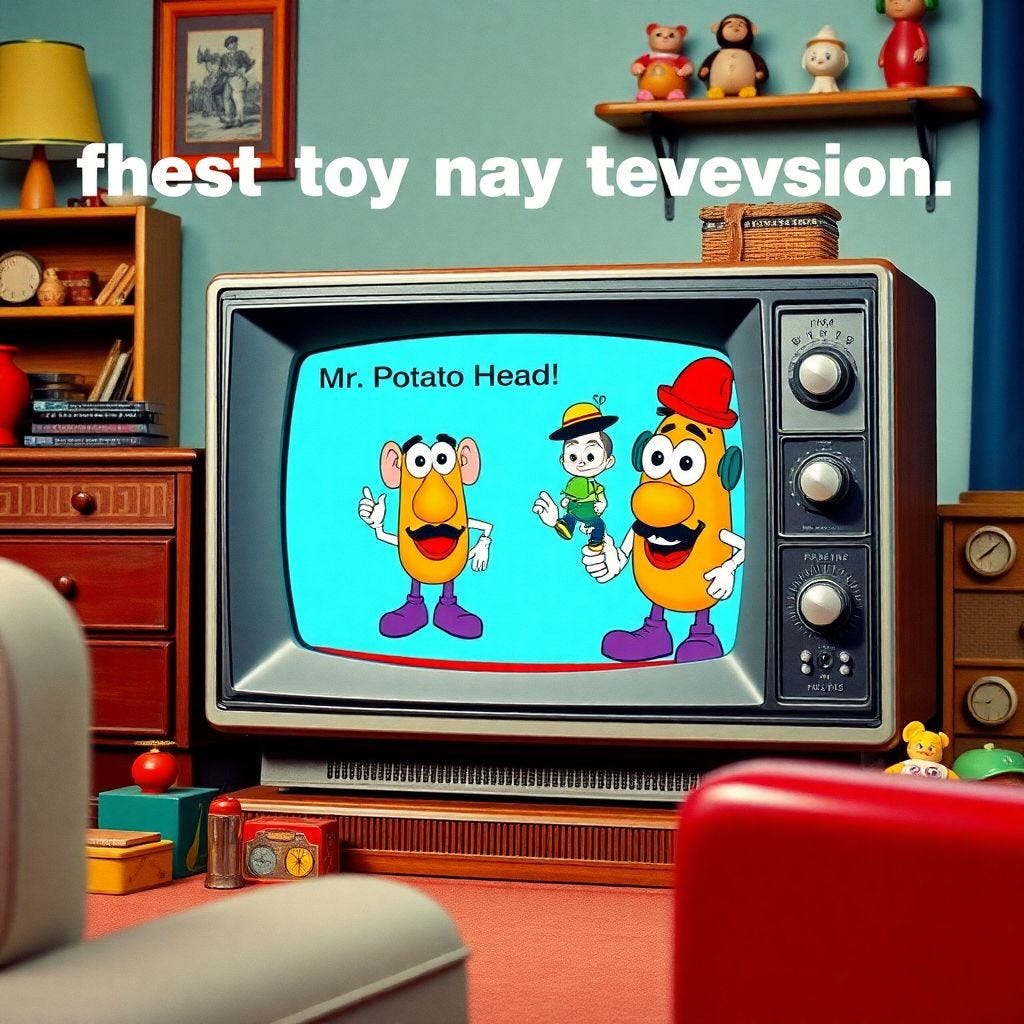
The first toy advertised on television was Mr. Potato Head. It appeared in 1952. This toy became iconic because of its marketing. The commercial showed children enjoying the toy. It was the first time a toy was promoted this way. This advertisement changed how toys were marketed forever.
Impact On Toy Industry
Mr. Potato Head’s TV debut transformed the toy industry. Sales skyrocketed as children requested it from parents. Television commercials became a staple for toy companies. This method increased demand and brand recognition. The success of Mr. Potato Head paved the way for future toy ads.
Television’s Role In Marketing
Television became a key player in marketing strategies. It allowed products to reach millions of households. Advertisers used catchy jingles and vibrant visuals. This approach created memorable impressions on viewers. Television ads became an essential part of consumer culture.
The Birth Of Toy Commercials
Mr. Potato Head made history as the first toy advertised on television in 1952. This iconic toy captured children’s imaginations, paving the way for future toy commercials. Its innovative approach to marketing marked a new era in advertising.
The advent of television commercials marked a transformative era in the toy industry. As screens began to infiltrate homes, companies saw an unprecedented opportunity to captivate audiences in a way print media could not. This shift not only changed how toys were marketed but also how they were perceived by children and parents alike.The First Toy Commercial: A Game-changer
In 1952, Mr. Potato Head became the first toy to be advertised on television. This quirky character was introduced to homes via catchy commercials, sparking immediate interest and demand. Prior to this, toys relied heavily on traditional advertising methods like catalogs and newspapers. Mr. Potato Head’s success paved the way for other toys to follow suit, forever altering the landscape of toy marketing.Why Television Was The Perfect Medium
Television offered a dynamic platform where toys could be showcased in action. This visual appeal struck a chord with young audiences who could now see their favorite toys come to life. As a child, you might remember the anticipation of seeing a toy commercial during your favorite show, instantly adding it to your wishlist. This emotional connection was something print media couldn’t replicate.Impact On Consumer Behavior
Television commercials not only targeted children but also parents. By displaying the educational and entertainment value of toys, advertisers were able to justify the purchase. Consider how many toys you convinced your parents to buy after watching an engaging commercial. This strategy effectively turned desire into demand, influencing purchasing decisions directly.How Toy Commercials Have Evolved
Today, toy commercials have become more sophisticated with CGI effects and storytelling elements. They aim to create an immersive experience, often tying toys to popular movies or shows. However, the essence remains the same: capturing the imagination of the viewer. Reflecting on your own experiences, what commercials stood out to you and why? This evolution continues to shape the toy industry, with commercials remaining a pivotal tool in marketing strategies.Mr. Potato Head: The Pioneer Toy
Mr. Potato Head holds the distinction of being the first toy advertised on television. This iconic toy debuted in 1952 and transformed toy marketing forever. Its televised campaign marked a new era in how toys were promoted to children and parents.
Mr. Potato Head: The Pioneer Toy In the world of toys, few have left a mark as indelible as Mr. Potato Head. This iconic toy was the first to be advertised on television, marking a new era in marketing and children’s play. Imagine the excitement of children in the 1950s as they watched Mr. Potato Head come to life on their black-and-white screens.Understanding The Impact Of Television Advertising
Television was a novelty in many homes when Mr. Potato Head first appeared on it. The ad revolutionized how toys were marketed, reaching millions of households. Suddenly, children could see their favorite toys in action, creating a connection that print ads couldn’t achieve.Why Mr. Potato Head Was A Game Changer
Mr. Potato Head offered something unique. Kids could use their imagination to create funny faces by sticking plastic parts onto a potato. This interactive element made it not just a toy, but an experience that encouraged creativity.Personal Connection To Mr. Potato Head
Remember the first time you played with Mr. Potato Head? The joy of swapping out his eyes for ears was unmatched. It was an introduction to customization, a concept that has become central in many modern toys and games.Lessons From Mr. Potato Head’s Success
What can we learn from Mr. Potato Head’s success? Simplicity sells. The ability to engage kids without overcomplicating the toy was key. Are there ways you can apply this lesson to your own projects or business ideas?The Legacy Of Mr. Potato Head
Decades later, Mr. Potato Head remains a staple in toy aisles. Its continued success shows the lasting impact of innovative marketing and simple design. What other products can you think of that have maintained their charm over the years?The Impact On Toy Industry
Television transformed the toy industry. The first toy ad aired in 1952. Mr. Potato Head was the star of this groundbreaking moment. This marked a pivotal shift in marketing strategies. Toy companies saw TV as a powerful tool. It reached millions of viewers instantly. This new approach changed the dynamics of toy sales forever.
The Rise Of Television Advertising
Television became a central platform for toy promotion. Companies realized its vast potential. Ads could now target specific audiences effectively. This led to increased demand for advertised toys. The toy industry embraced TV ads wholeheartedly. They became a staple in marketing strategies.
Increased Competition Among Toy Companies
Television ads intensified competition. Toy makers had to innovate constantly. They needed to capture children’s attention quickly. This resulted in more creative and engaging toys. Companies invested heavily in TV campaigns. The goal was to stand out and attract buyers.
Influence On Consumer Behavior
TV ads influenced consumer choices significantly. Children saw toys on TV and wanted them. Parents were often swayed by their children’s demands. This changed shopping habits dramatically. Toy sales soared as a result. Television created an immediate connection between product and consumer.
Evolution Of Toy Design And Packaging
TV ads pushed toy design boundaries. Toys had to look appealing on screen. Packaging became more eye-catching. Companies designed toys with TV ads in mind. They focused on visual appeal and functionality. This led to a new era of toy creativity.
Evolution Of Toy Advertising
The world of toy advertising has undergone a fascinating transformation over the decades. From humble beginnings to a multi-billion dollar industry, the way toys are marketed has evolved dramatically. This evolution reflects changes in technology, consumer behavior, and societal values. As you dive into the history of toy advertising, you’ll discover how these colorful childhood treasures made their way into our living rooms.
History Of Toy Advertising
In the early days, toy advertising was primarily limited to print media. Companies relied on colorful illustrations and catchy slogans in newspapers and magazines to capture the attention of both children and parents. The introduction of television in the 1950s revolutionized this approach.
Television provided a dynamic platform to showcase toys in action, a concept that print couldn’t quite capture. You might remember the iconic Mr. Potato Head, the first toy to be advertised on TV in 1952. This marked a new era where toys could engage children visually, making them more irresistible.
The Impact Of Television
Television ads brought toys to life, showing kids how they could play with them, sparking imagination and desire. This visual storytelling was a game-changer, allowing brands to reach a broader audience than ever before. It wasn’t just about selling toys; it was about creating a world where children could envision themselves.
Think about the excitement of seeing your favorite toy on TV, instantly wanting to add it to your collection. Television ads became a powerful tool, driving demand and shaping childhood experiences.
Digital Era And Online Advertising
Fast forward to today, where digital advertising has taken center stage. The internet has expanded the reach of toy advertising exponentially. Social media platforms, YouTube channels, and influencer partnerships offer new avenues for brands to connect with young audiences.
As a parent or a guardian, you might notice how toy ads now pop up on your devices, targeting specific interests based on browsing habits. It’s fascinating to see how ads are tailored to catch your child’s eye amidst the digital clutter.
Interactive And Experiential Marketing
Modern toy advertising goes beyond just showcasing products. It’s about creating interactive experiences that engage children and encourage them to play. Brands are leveraging augmented reality, virtual games, and apps to make toys more appealing.
Consider how Lego has evolved from simple blocks to interactive sets with app-driven instructions. It’s not just a toy; it’s an experience that blends physical play with digital innovation. How do these experiences shape your child’s creativity and engagement?
Ethical Considerations In Toy Advertising
As toy advertising continues to evolve, ethical considerations come into play. Advertisers must balance creativity with responsibility, ensuring they don’t exploit children’s vulnerability or create unrealistic expectations.
Reflect on the ads your children see. How do you navigate these messages to ensure they’re consuming content that aligns with your values? It’s an ongoing conversation between parents, advertisers, and children.
The evolution of toy advertising showcases not just a change in marketing strategies but also a shift in how toys influence childhood. As you ponder these developments, consider how they impact the way you and your family perceive and interact with toys today.

Credit: www.facebook.com
Legacy Of Mr. Potato Head
Mr. Potato Head made history as the first toy advertised on television in 1952. This iconic figure captivated audiences, becoming a beloved household name and sparking a new era in toy marketing. Its televised debut marked a significant shift in how toys were promoted, paving the way for future innovations.
The legacy of Mr. Potato Head is a fascinating journey that intertwines the evolution of children’s play with the history of advertising. This iconic toy was the first to be advertised on television, marking a significant milestone in marketing strategies. But more than just an advertising first, Mr. Potato Head became a cultural icon, influencing playtime for generations.How Mr. Potato Head Changed Toy Advertising
Mr. Potato Head was not just a toy; it was a game-changer in the way toys were marketed. Before its debut on television in 1952, toys were primarily sold through catalogs and word of mouth. The commercial not only increased sales dramatically but also set a precedent for how toys could reach a wider audience through TV.Impact On Children’s Play
The appeal of Mr. Potato Head lay in its simplicity and creativity. Children could use their imagination to create countless characters with interchangeable parts. This play pattern encouraged creativity and problem-solving, skills that are crucial even today. Have you ever wondered how a simple potato could spark so much creativity?The Evolution Of Mr. Potato Head
Originally, Mr. Potato Head was sold as separate parts without a plastic body, meant to be stuck into real vegetables. Over the years, it evolved into a complete plastic toy, adapting to changing safety standards and consumer preferences. This evolution showcases the toy’s ability to stay relevant in a fast-changing world.Mr. Potato Head In Popular Culture
From appearances in movies like “Toy Story” to being featured in various TV shows, Mr. Potato Head has secured a place in popular culture. Its character has been used in parodies, jokes, and even educational content. This wide-ranging influence highlights its impact beyond just being a toy.Lessons From Mr. Potato Head’s Success
The success of Mr. Potato Head offers valuable lessons in innovation and adaptability. It shows the importance of embracing new marketing channels and listening to consumer feedback. How can you apply these lessons to your own ventures? By staying open to change and always seeking ways to improve, just like this beloved toy.Modern Toy Marketing Strategies
Modern toy marketing strategies have transformed how children view and desire toys. The techniques used today differ vastly from the past. Television once dominated toy advertising, but now digital platforms lead. Understanding these strategies helps explain why some toys become instant hits.
Influencer Collaborations
Toy companies partner with popular influencers. These influencers showcase toys in videos. Kids trust and follow these personalities. This trust translates into toy sales. Influencer marketing leverages the power of social media. It reaches millions of children quickly.
Interactive Digital Campaigns
Toy brands use interactive online games. These games engage kids and introduce toys. Children play, learn, and feel connected. Digital campaigns often include challenges or missions. This strategy keeps children interested for longer periods.
Personalized Content
Personalization is key in toy marketing. Brands create content tailored to specific audiences. This approach makes children feel special. Personalized emails or videos often include a child’s name. Such tactics increase engagement and loyalty.
Augmented Reality Experiences
AR technology brings toys to life. Kids can interact with virtual versions of toys. This experience adds an exciting element. AR apps let children explore toys before buying. It enhances their interest and desire for the product.
Social Media Challenges
Brands launch toy-related challenges on social media. These challenges encourage kids to participate. Sharing their entries boosts brand visibility. Social media challenges often go viral. This viral nature draws more attention to the toy.

Credit: www.instagram.com
Frequently Asked Questions
What Was The First Toy Advertised On Tv?
The first toy advertised on television was Mr. Potato Head. This iconic toy made its debut on TV screens in 1952. It revolutionized marketing for toys and was a significant moment in advertising history.
Why Was Mr. Potato Head Significant In Advertising?
Mr. Potato Head’s TV commercial was groundbreaking. It was the first time a toy was marketed directly to children. This strategy changed the way toys were advertised, focusing directly on young audiences.
How Did Mr. Potato Head’s Advertising Impact Sales?
The television advertisement for Mr. Potato Head led to a huge increase in sales. It demonstrated the power of television advertising. The toy’s popularity soared, proving the effectiveness of this new advertising medium.
Who Created Mr. Potato Head?
Mr. Potato Head was created by George Lerner. He designed it in 1949, and it was first manufactured and distributed by Hasbro. The toy became an instant classic after its TV debut.
Conclusion
Television changed toy marketing forever. Mr. Potato Head led the way. It was the first toy advertised on TV. This iconic toy set a new trend. Kids loved seeing toys on screen. Parents took notice too. TV ads became a powerful tool.
Toy companies quickly followed suit. The impact was huge. Today, TV ads are everywhere. They shape what children play with. Mr. Potato Head made history. Its legacy lives on. Television transformed the toy industry. Advertising took a giant leap forward.
This story shows the power of innovation. It reminds us of TV’s lasting influence.