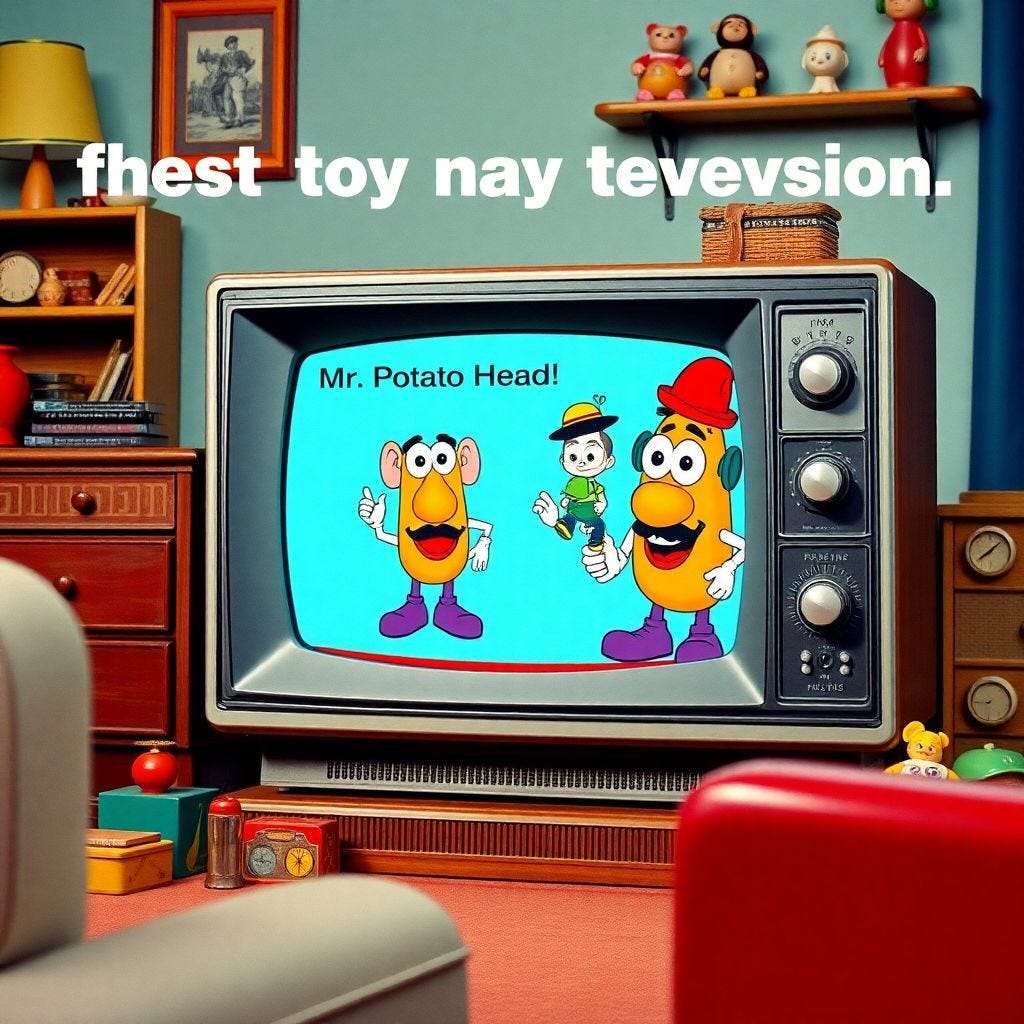
Picture yourself as a child, eagerly flipping through TV channels, eyes wide with wonder. You pause, mesmerized by a colorful, animated ad for a toy that seems almost magical.
This moment, etched in memory, highlights the powerful influence of TV advertising. But have you ever wondered about the very first toy to capture children’s imaginations through the television screen? You’re about to uncover a fascinating piece of marketing history that changed the way toys were sold forever.
This story holds the secret to how one simple toy captivated a generation and started a revolution in advertising. So, prepare to discover the surprising origins of a trend that has shaped your childhood and continues to influence the toys you choose for your own children today. Dive in and find out what this groundbreaking toy was, and why its impact is still felt in living rooms worldwide.

Credit: www.facebook.com
History Of Toy Advertising
The first toy advertised on TV was Mr. Potato Head in 1952. This iconic toy marked a new era in marketing. Television commercials transformed toy advertising, reaching millions of households and boosting sales.
The history of toy advertising is a fascinating journey, tracing back to a time when toys were promoted through word-of-mouth and print ads. With the invention of television, the landscape of toy marketing transformed dramatically. This evolution not only changed how toys were advertised but also how they became an integral part of popular culture.Early Days Of Toy Marketing
In the early days, toy marketing was a simple affair. Advertisements relied heavily on colorful illustrations in newspapers and magazines to capture the imagination of children and parents alike. Toy catalogs were a significant tool, allowing children to dream about owning the latest toys featured within their pages. Yet, the reach of these methods was limited to those who had access to print media. Families often shared stories of toys through generations, passing down favorites and creating a word-of-mouth promotion that was organic and heartfelt. Can you remember a toy your parents or grandparents fondly talked about?Impact Of Television On Toy Promotion
The advent of television marked a new era for toy advertising. Suddenly, toys could be brought to life on screen, captivating children across the nation in an entirely new way. The first toy advertised on TV was Mr. Potato Head in 1952, which revolutionized toy marketing by directly engaging children. Television allowed for dynamic demonstrations, sparking imagination and desire that print ads simply couldn’t match. This shift led to toys becoming a staple of Saturday morning cartoons, creating a seamless blend of entertainment and advertising. Have you ever found yourself humming a jingle from a toy commercial you watched as a child? As the years progressed, the impact of television on toy promotion continued to grow, setting the stage for the multimedia marketing campaigns we see today. The power of TV in toy advertising was undeniable, offering brands a new way to tell stories and connect with their audience on a personal level.The Birth Of Tv Advertisements
The first toy advertised on TV was Mr. Potato Head. It debuted in 1952, capturing children’s imaginations. This innovative marketing moment marked a new era for toy advertising.
The introduction of television in the mid-20th century changed advertising forever. Before TV, radio and print dominated the marketing world. But then, TV screens started appearing in homes. They brought moving images and sounds directly to consumers. This new medium caught advertisers’ attention quickly. It offered a unique way to showcase products. The first toy to be advertised on TV was Mr. Potato Head. This marked the beginning of a new era in advertising. It showed the power and potential of television as a marketing tool.Television’s Rise As A Marketing Platform
Television became a household staple in the 1950s. Families gathered around TV sets for entertainment. Advertisers saw a golden opportunity. They could reach audiences during popular shows. TV ads used catchy jingles and memorable visuals. They created a new way to connect with consumers. Mr. Potato Head’s ad aired in 1952. It showed the effectiveness of TV ads. Sales of the toy skyrocketed. This success encouraged more companies to advertise on TV. The platform quickly became a favorite for marketers.The Role Of Tv In Consumer Culture
TV ads did more than sell products. They shaped consumer culture. Advertisements introduced new trends and lifestyles. They influenced viewers’ buying habits. TV commercials became part of everyday conversations. People talked about ads they saw the night before. Mr. Potato Head’s ad was one of the first to do this. It set a standard for future toy advertisements. TV commercials continue to play a major role today. They guide consumer choices and preferences. TV remains a powerful tool in the marketing world.The First Toy Ad On Tv
The world of advertising has always been about capturing attention and creating desire. One of the most intriguing chapters in its history was the first toy ever advertised on television. This groundbreaking event not only changed the way toys were marketed but also set the stage for how brands connect with audiences today. Imagine sitting in front of your TV, seeing a colorful toy for the first time, and feeling an instant urge to own it. This moment marked the beginning of a new era in consumer culture.
Introduction To The Iconic Toy
The first toy to make its television debut was none other than Mr. Potato Head. Launched in the early 1950s, this quirky toy captured the hearts of children and parents alike. Mr. Potato Head wasn’t just any toy; it was a creative masterpiece that allowed kids to use their imagination by mixing and matching facial features. Its uniqueness lay in its simplicity and the endless possibilities it offered. You might remember the joy of creating funny faces or playing pretend with Mr. Potato Head, a toy that seemed to invite endless creativity.
The Historic Tv Commercial
The first TV commercial for Mr. Potato Head aired in 1952, a momentous occasion that forever changed toy marketing. The ad featured a catchy jingle and animated sequences that showcased the toy’s playful nature. It was designed to appeal directly to children, making them feel like they were part of the fun. This commercial was a pivotal step in harnessing the power of TV to reach a broad audience. It sparked the curiosity of kids everywhere, transforming them into eager consumers who begged their parents for this innovative toy.
Reflecting on this historic moment, one might wonder how it influenced our shopping habits today. How often do you see a product on TV or online and feel that irresistible pull? The first toy ad on TV taught marketers the importance of capturing the imagination and emotions of viewers. It laid the groundwork for the persuasive techniques used in advertising today, where storytelling and emotional connection are key.
The Toy’s Market Impact
The first toy advertised on TV marked a turning point. It reshaped how toys were marketed and perceived. Television brought toys to a vast audience, sparking interest and desire. This shift had significant effects on the toy’s market presence and cultural standing.
Sales Surge Post-advertisement
Television advertisements created a new wave of interest. Children saw toys in action, fueling excitement. This led to an immediate spike in sales. Parents were driven by children’s requests. Stores struggled to keep up with demand. Advertisements created an emotional connection. This boosted consumer engagement. The toy quickly became a household name.
Cultural Influence And Legacy
Television shaped the toy’s cultural presence. It became a symbol of modern childhood. Families gathered around TVs, watching eagerly. The toy’s jingles and visuals became iconic. Discussions about the toy were everywhere. It influenced holiday gift choices. Years later, its legacy endured. The toy paved the way for future TV advertisements. It changed how toys were marketed forever.
Evolution Of Toy Advertising
The world of toy advertising has transformed remarkably over the decades. From simple print ads to television commercials, the journey has been fascinating. The first toy advertised on TV was Mr. Potato Head in 1952. This marked the beginning of a new era in marketing.
Changes In Advertising Strategies
Early toy ads focused on functionality. They highlighted what toys could do. Mr. Potato Head’s TV ad was groundbreaking. It showed how engaging toys could be. Over time, strategies shifted. Advertisers began creating narratives around toys. They aimed to capture children’s imaginations. Storytelling became key.
Visual appeal grew in importance. Ads started using vibrant colors. They featured catchy jingles. These elements attracted young viewers. Advertisers learned to connect emotionally. They portrayed toys as companions. This approach increased sales significantly.
Modern Toy Marketing Techniques
Today, toy marketing is diverse. It leverages digital platforms. Social media plays a crucial role. Brands collaborate with influencers. They showcase toys to millions of followers. Engaging content drives interest.
Interactive ads have gained popularity. They allow kids to experience toys virtually. Augmented reality is used frequently. It brings toys to life on screens. This method captivates young audiences.
Personalization is another trend. Toys are marketed based on interests. Ads are tailored to specific age groups. This ensures relevance and engagement. Parents are targeted with educational value. The focus is on toys that aid development.

Credit: www.youtube.com
Lessons From The First Tv Toy Ad
In 1952, Mr. Potato Head became the first toy advertised on TV. This groundbreaking ad transformed toy marketing, showing how television could influence consumer behavior. It marked the beginning of a new era where toys could reach audiences directly through the screen.
The first toy to be advertised on TV was Mr. Potato Head in 1952. This groundbreaking moment not only revolutionized how toys were marketed but also offered valuable lessons that continue to influence advertising strategies today. Understanding the impact of this first TV toy ad can provide insights into advertising innovation and consumer behavior that remain relevant.Advertising Innovation
The introduction of Mr. Potato Head on television marked a significant shift in advertising strategies. It was the first time a toy was directly marketed to children through a medium that captivated their attention. This innovative approach demonstrated the power of TV ads to reach a broad audience and engage them in a way print ads couldn’t. The ad was simple yet effective, showing the toy in action and capturing the imagination of young viewers. This visual demonstration created a strong desire among children, prompting them to ask their parents for the toy. Have you considered how visual storytelling in your ads can capture your audience’s imagination?Consumer Behavior Insights
The Mr. Potato Head ad provided early insights into consumer behavior, particularly the influence of children on household purchasing decisions. By directly targeting children, the ad tapped into their ability to influence their parents’ buying choices. This was a novel realization at the time, highlighting the importance of understanding the dynamics of consumer decision-making. The campaign also showed the impact of creating a sense of urgency and excitement. Limited-time offers or exclusive features can drive immediate action from consumers. Are you leveraging these insights to create compelling reasons for your audience to choose your product? By learning from the first TV toy ad, you can refine your marketing strategies to better connect with your target audience and drive impactful results.
Credit: www.youtube.com
Frequently Asked Questions
What Toy Was First Advertised On Tv?
The first toy advertised on TV was Mr. Potato Head. It debuted in 1952. This marked a significant moment in advertising history. Mr. Potato Head paved the way for future toy marketing strategies. It demonstrated the power of television as a medium for reaching consumers.
When Did Mr. Potato Head First Appear On Tv?
Mr. Potato Head first appeared on TV in 1952. It was marketed as a unique toy that could be customized. The advertisement targeted children directly, making it groundbreaking. This approach helped increase the toy’s popularity and sales significantly.
How Did Tv Ads Impact Toy Marketing?
TV ads revolutionized toy marketing by directly reaching children. This medium allowed toys to be showcased creatively. It created a direct line of communication with potential buyers. TV advertising also helped build brand recognition and loyalty effectively.
Why Was Mr. Potato Head’s Tv Ad Important?
Mr. Potato Head’s TV ad was important because it was pioneering. It showed the effectiveness of targeting children directly. The ad boosted the toy’s popularity and sales. It also set a precedent for future toy advertisements on television.
Conclusion
The first toy advertised on TV was Mr. Potato Head. This iconic toy changed how products reached children. TV ads became a powerful tool for marketers. They could now directly engage with families. Mr. Potato Head’s TV debut marked a new era.
Toys were no longer just fun items. They were now a part of household conversations. TV advertising transformed the toy industry forever. It made toys more accessible and popular. Today, TV ads continue to influence buying decisions. Understanding history helps us see the evolution of marketing.
Every toy has a story worth exploring.