When Did Toys R Us Die: Unraveling the Retail Giant’s Fall
Are you feeling a wave of nostalgia thinking about the toy wonderland that was Toys R Us? Maybe you remember the excitement of walking through those aisles, eyes wide with wonder, clutching your parents’ hand or your own pocket money.
But now, you’re left wondering, when did Toys R Us vanish from our lives? We’ll dive into the timeline and reasons behind the fall of this beloved toy giant. Stay with us as we explore the factors that led to its demise and how it has impacted your shopping experiences today.
This story might just reveal why some of your favorite childhood memories have become a thing of the past.
Credit: www.polygon.com
Rise Of Toys R Us
Toys R Us, once a beloved toy store giant, faced its end in 2018. The rise of e-commerce and changing shopping habits led to its decline. Stores closed, marking the end of an era for many.
The story of Toys R Us began in 1948. It started as a humble children’s furniture store. Charles Lazarus founded the company with a vision. He saw potential in the toy industry. By 1957, Toys R Us had transformed. It became a dedicated toy store. The brand grew rapidly during the 1960s and 1970s. It became a household name. The colorful aisles attracted families. Toys R Us was a place of wonder for children.Expansion Across America
In the 1980s, Toys R Us expanded its reach. It opened stores across the United States. Each store offered a wide range of toys. Parents flocked to these mega stores. The brand became synonymous with toys. It was a golden era for Toys R Us.Innovative Marketing Strategies
Toys R Us used smart marketing tactics. Their advertising captured the imagination. Geoffrey the Giraffe became an iconic mascot. He appeared in commercials and promotions. The catchy jingle stayed in everyone’s mind. Toys R Us became a staple during holiday seasons.Global Footprint
In the 1990s, Toys R Us went global. It opened stores in Europe and Asia. The brand’s influence expanded worldwide. International markets embraced Toys R Us. The company adapted to diverse cultures. It tailored stores to suit local preferences.Dominance In The Toy Industry
By the early 2000s, Toys R Us dominated the industry. Competitors struggled to keep up. The brand had a strong presence. Its vast selection attracted loyal customers. Toys R Us was the go-to destination for toys. The rise of Toys R Us was remarkable.Golden Era
The ‘Golden Era’ of Toys R Us is fondly remembered as a time when the iconic toy retailer was at its peak, capturing the imaginations of children and adults alike. It was a period when the jingle “I don’t wanna grow up, I’m a Toys R Us kid” resonated with every visit to the store, turning shopping into a whimsical adventure. But what truly made this era golden?
Expansion And Innovation
Toys R Us expanded rapidly during this time, opening stores across the globe. Each location was a treasure trove of toys, games, and gadgets, appealing to every child’s fantasies.
Innovation was at the heart of their success. They introduced themed sections, allowing you to step into a world of dinosaurs or fairytales, making each visit unique.
Marketing Mastery
The brand mastered marketing strategies that captivated audiences. Advertisements featured relatable scenarios, engaging both children and parents.
Promotional events were frequent, with celebrities making appearances, ensuring Toys R Us was always in the spotlight.
Building Memories
For many, Toys R Us was more than a store—it was a place where memories were made. Birthday trips to pick out a special toy were a cherished tradition.
Think about your own childhood. What toy did you eagerly anticipate getting from Toys R Us? This emotional connection played a crucial role in their success.
Challenges On The Horizon
Despite the golden years, challenges began to emerge. Competition intensified with the rise of online shopping and other retail giants.
Could Toys R Us have adapted more swiftly to the changing retail landscape? This question remains a topic of debate among enthusiasts.
The ‘Golden Era’ of Toys R Us is a testament to the power of innovation and emotional connection. It reminds us of the importance of evolving with the times while cherishing the memories that define a generation. What do you think made the golden era special for you?
Early Challenges
Early financial struggles marked the decline of Toys R Us, culminating in its bankruptcy in 2017. The rise of online shopping and high debt contributed significantly to its downfall.
Early Challenges faced by Toys R Us set the stage for its eventual decline. These obstacles were not mere bumps in the road. They were significant and had lasting impacts.Competition From Big Retailers
Toys R Us faced strong competition from big retail chains. Stores like Walmart and Target offered toys at lower prices. They also provided a wider range of products. This attracted many customers away from Toys R Us.Failure To Adapt To Online Shopping
Toys R Us struggled with the rise of online shopping. Companies like Amazon became popular for buying toys online. Toys R Us was slow to develop a strong online presence. This allowed competitors to take a larger market share.High Debt Levels
The company had high debt levels from previous buyouts. These financial burdens made it hard to invest in new strategies. Paying off debts took priority over innovation. This hindered the ability to compete effectively.Outdated Store Experience
The store experience at Toys R Us became outdated over time. Other retailers improved their store layouts and customer experiences. Toys R Us did not keep pace with these changes. This affected customer satisfaction and loyalty.Management Issues
Toys R Us had management issues that impacted decision-making. Leadership struggled to make effective strategic choices. This led to poor performance and a lack of direction. The company needed strong leadership to overcome challenges.
Credit: medium.com
Impact Of E-commerce
The rise of e-commerce played a significant role in the downfall of Toys R Us in 2018. Online shopping trends shifted consumer preferences, leading to decreased foot traffic in traditional toy stores.
The rise of e-commerce reshaped retail landscapes globally. Traditional stores faced immense challenges. Toys R Us, once a giant in toy retail, wasn’t immune. Online shopping transformed consumer habits. Convenience and choice became crucial. Shoppers embraced digital platforms for purchasing. The impact was profound and relentless.Competition From Online Retailers
E-commerce giants like Amazon changed the game. They offered toys at competitive prices. Shoppers found deals effortlessly. Toys R Us couldn’t match this convenience. Their large store model struggled to adapt.Shift In Consumer Behavior
Consumers preferred online browsing. It was quick and hassle-free. Physical visits to stores declined. Toys R Us missed this shift. Their focus remained on physical outlets.Technology And Accessibility
Smartphones and tablets made shopping easy. Consumers accessed stores anytime, anywhere. Toys R Us failed to leverage technology. Their online presence was weak.Price Wars And Discounts
Online retailers offered aggressive discounts. They had lower overhead costs. Toys R Us couldn’t compete on price. Consumers opted for cheaper online options.Lack Of Innovation
Innovation drives success in e-commerce. Online platforms constantly evolved. Toys R Us lacked innovative strategies. They didn’t invest in digital transformation.Online Marketing Strategies
Effective online marketing was crucial. E-commerce sites mastered SEO techniques. Toys R Us lagged in digital marketing skills. Their online visibility suffered.Customer Experience Online
Online shopping provided superior experience. It was personalized and user-friendly. Toys R Us stores couldn’t replicate this. Consumers favored seamless online transactions.Financial Struggles
Toys R Us faced financial struggles and filed for bankruptcy in 2017. Despite efforts, the company closed its U. S. stores by 2018, marking the end of an era for the beloved toy retailer.
The financial struggles of Toys R Us marked the beginning of its decline. Once a giant in the toy industry, the company faced mounting challenges. These struggles were not sudden but rather a series of unfortunate events.Mounting Debt
Toys R Us was burdened with enormous debt. This debt was primarily due to leveraged buyouts. The company struggled to pay off these obligations. Interest payments drained its resources. This left little room for innovation or expansion.Competitive Pressure
The rise of e-commerce giants like Amazon added to the pressure. Online shopping grew rapidly, changing consumer habits. Brick-and-mortar stores found it hard to keep up. Toys R Us couldn’t adapt quickly enough. This lag in adapting hurt its sales and profitability.Operational Costs
The company had high operational costs. Maintaining large stores was expensive. These costs were a constant financial drain. Reducing expenses became difficult. The inability to cut costs affected its bottom line.Lack Of Innovation
Toys R Us struggled with innovation. Competitors introduced new products and experiences. The company failed to captivate new generations. This lack of innovation led to a decline in customer interest. It couldn’t compete with newer, more exciting offerings.Market Saturation
The toy market became saturated. Many brands offered similar products. This made it hard for Toys R Us to stand out. It struggled to differentiate itself. Saturation affected its market share significantly.Attempts At Revival
Toys R Us closed its doors in 2018 after struggling financially. Efforts to revive the iconic toy store have been ongoing, with attempts to reconnect with nostalgic customers.
Toys R Us, once a giant in toy retail, faced closure in 2018. The brand’s demise was a shock to many. Yet, efforts to revive this beloved store began immediately. Various strategies were explored to bring it back to life.New Business Models
Traditional retail had changed. Toys R Us needed a fresh approach. New business models were considered. Smaller stores were one idea. Pop-up shops were another. Both focused on consumer experiences. They aimed to create excitement in shopping.Online Expansion
Online shopping grew rapidly. Toys R Us wanted a piece of this market. Developing a strong online presence became crucial. Efforts were made to improve their website. They wanted a user-friendly site. Social media marketing was also key. It helped engage their audience.Collaborations With Other Brands
Partnerships were essential. Collaborations with popular brands were explored. They aimed to attract new customers. These partnerships offered unique products. Exclusive deals added value to shoppers. It was a strategy to stand out.Reviving The Brand Image
Brand image needed a makeover. Toys R Us focused on nostalgia. They wanted to remind people of childhood memories. Marketing campaigns were designed around this idea. They hoped to reignite the magic. The goal was to connect emotionally with consumers.Bankruptcy Filing
Toys R Us filed for bankruptcy in September 2017. This marked the beginning of its decline. By June 2018, all its U. S. stores were closed.
In 2017, the once-beloved toy retailer Toys R Us filed for bankruptcy, a move that sent shockwaves through the industry and left many of us reminiscing about our childhood adventures in their aisles. This filing marked a significant turning point, not just for the company, but for the entire retail landscape. Understanding the details behind this decision can provide valuable insights into the challenges faced by brick-and-mortar stores in the digital age.What Led To The Bankruptcy Filing?
The decision to file for bankruptcy was not sudden. Toys R Us struggled with massive debt, primarily from a leveraged buyout in 2005. The company was saddled with over $5 billion in debt, leaving little room for innovation or expansion. Competition from online giants like Amazon and big-box stores such as Walmart further strained its resources. Unable to match their pricing and convenience, Toys R Us found itself losing market share rapidly.Impact On The Retail Industry
The bankruptcy of Toys R Us served as a wake-up call for other retailers. It highlighted the necessity for adapting to changing consumer behaviors and embracing e-commerce. Many retailers began investing heavily in their online presence and enhancing their in-store experiences to attract customers. This shift underscored the importance of agility in retail strategies.Consumer Reactions
For many, the news of Toys R Us’s bankruptcy was more than just a business story. It was the end of an era. Consumers shared memories of visiting the store, sparking a wave of nostalgia across social media. This emotional connection emphasized the brand’s deep-rooted place in people’s lives, a factor that is often overlooked in business analyses.The Future Of Toys R Us
Despite the bankruptcy, the story of Toys R Us didn’t end there. Plans for a comeback have been discussed, with new strategies aimed at reviving the brand. This includes exploring smaller store formats and integrating more interactive experiences. Could this approach bring back the magic for a new generation of toy lovers? Only time will tell. What do you think? Can Toys R Us reclaim its former glory in this fast-paced retail world?
Credit: favoritesightsandsounds.com
Store Closures
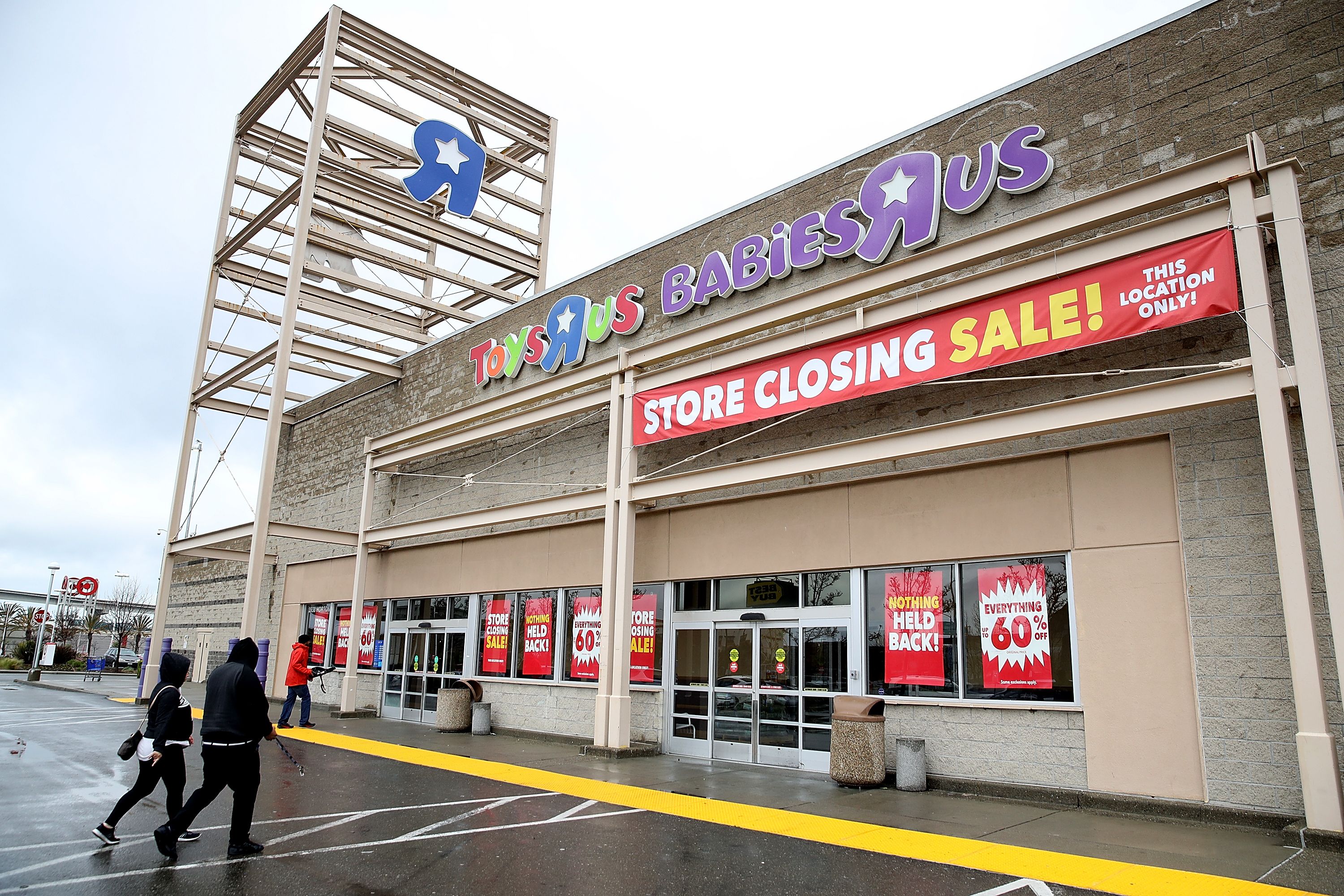
Toys R Us faced its demise in 2018, marking the end of an era for toy enthusiasts. Financial struggles and changing retail landscapes led to the closure of its stores worldwide. The brand’s nostalgic presence disappeared, leaving a void in the toy industry.
The downfall of Toys R Us was a shock to many who grew up wandering its aisles, dreaming of the latest action figures, dolls, and games. The store closures marked the end of an era, leaving a void in the hearts of toy enthusiasts worldwide. But how did it come to this? Let’s delve into the details of the store closures that led to the demise of this beloved retail giant.Understanding The Timeline
Toys R Us announced its decision to close its stores in March 2018. This move followed a lengthy struggle with mounting debt and stiff competition from online retailers. The closure affected hundreds of stores across the United States, leaving employees and loyal customers in disbelief.Impact On Communities
The closure of Toys R Us stores wasn’t just a financial loss; it was a cultural one. Communities that had cherished their local stores saw them shuttered, leaving behind empty spaces and memories. For many, it was more than just a shopping destination; it was a place of nostalgia and childhood wonder.Employee Experiences
Employees faced uncertainty as they navigated the store closures. Many had dedicated years to the company, finding themselves suddenly jobless. The emotional toll was significant, with employees expressing a sense of loss akin to losing a family member.Lessons Learned
The Toys R Us story serves as a cautionary tale for businesses worldwide. It highlights the importance of adapting to changing market dynamics and the need for innovation. As a consumer, it also poses a question: How do you think the retail landscape will continue to evolve in the digital age? Reflecting on these closures, it’s clear that the retail world is ever-changing. While Toys R Us may be gone, its legacy lives on in the hearts of those who cherished its aisles.End Of An Era
The end of Toys R Us marked a significant moment. This beloved toy store was once a household name. It was a place where dreams came true for children. Sadly, its closure left a void in the toy industry.
End Of Physical Stores
The decline of physical retail stores began years ago. Toys R Us was not immune to this trend. Online shopping became more popular. It offered convenience and lower prices. Many customers chose this over visiting stores.
The financial struggles were a big issue. Toys R Us had accumulated a lot of debt. This made it hard to compete with other retailers. The cost of maintaining stores was high. Profits were not enough to cover these expenses.
Impact On Employees
The closure had a huge impact on employees. Thousands lost their jobs. Many had worked there for years. Finding new employment was challenging. The job market was competitive at the time.
Nostalgia And Memories
Many people remember Toys R Us fondly. It was part of their childhood. Visits to the store were exciting events. Seeing it close was like losing a friend.
Legacy Of Toys R Us
The legacy of Toys R Us continues. It paved the way for future toy retailers. Lessons learned can help others avoid the same fate. Its story is a reminder of changing times.
Legacy And Influence
Toys R Us closed its doors in 2018, marking the end of an era for toy retail. Despite its closure, the brand’s legacy continues to influence toy retailers and nostalgic shoppers worldwide. The iconic giraffe mascot remains a symbol of childhood joy and imagination.
The legacy of Toys R Us is both colorful and influential. For decades, it stood as a beacon of childhood joy. Its aisles filled with toys, games, and dreams. Even after its closure, the impact remains strong. Many remember it as a paradise for children. It was a place where imaginations ran wild. Today, its influence is still felt in the toy industry. Other stores try to capture its magic.Early Beginnings And Growth
Toys R Us started small in 1948. Charles Lazarus founded it as a baby furniture store. By the 1950s, it turned into a toy store. The idea was simple: offer toys all year round. It grew rapidly, becoming a household name. By the 1980s, Toys R Us expanded globally. It had stores in Europe and Asia.Impact On Childhood Memories
Many generations have fond memories of Toys R Us. Kids loved exploring its wide aisles. It was a place of wonder and excitement. Birthday shopping trips were special events. Families enjoyed finding the perfect gifts. The store played a big role in childhood experiences.Influence On The Toy Industry
Toys R Us shaped the toy industry in many ways. It set trends and standards for toy sales. Manufacturers sought to partner with it. Many new toys debuted in its stores. Even today, its influence can be seen. Competitors aim to recreate its charm. Its legacy lives on through toy innovations. Several attempts have been made to revive Toys R Us. New ventures try to bring back its magic. Pop-up stores appeared in recent years. These efforts aim to capture nostalgic feelings. The brand still holds emotional value for many. Revivals focus on modern retail experiences.Lasting Memories And Cultural Influence
Toys R Us is more than a store; it’s a cultural icon. It appears in movies and TV shows. Its jingle is recognizable worldwide. People reminisce about their visits there. Its closure was felt by many across the globe. The memories and influence endure, shaping toy culture.Frequently Asked Questions
What Led To Toys R Us’ Closure?
Toys R Us closed due to financial struggles and increased competition. The rise of online shopping and poor strategic decisions contributed. Heavy debt also played a significant role in its downfall.
When Did Toys R Us Close Its Doors?
Toys R Us officially closed in June 2018. The closure followed a bankruptcy filing in September 2017. This marked the end of its operations in the United States.
Did Toys R Us Attempt A Comeback?
Yes, Toys R Us attempted a comeback. It reopened some stores under new management in 2019. However, these efforts were limited and not widespread.
How Did Consumers React To The Closure?
Consumers were disappointed by Toys R Us’ closure. Many expressed nostalgia for the iconic brand. The store was a beloved childhood destination for many people.
Conclusion
Toys R Us holds a special place in many hearts. Its closure marked the end of an era for toy lovers worldwide. Economic challenges and evolving retail landscapes led to its downfall. Shoppers moved online, seeking convenience and variety. Despite its closure, memories of Toys R Us remain vibrant.
Childhood adventures in its aisles live on. The brand’s spirit lingers, reminding us of joyful times. New generations might never experience its magic. Yet, the legacy endures. A symbol of imagination and play. Toys R Us will always be remembered fondly by those who loved it.