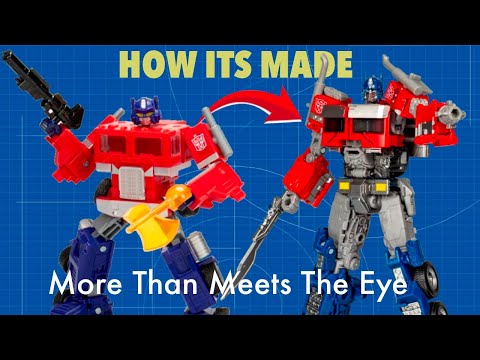
Imagine the excitement of unwrapping a toy that can transform from a robot into a vehicle with just a few twists and turns. Transformers toys have captivated the hearts of millions, becoming a cornerstone of childhood memories and a symbol of creativity and imagination.
But when did these iconic toys first make their debut? If you’re curious about the origins of these shape-shifting marvels and how they evolved into the cultural phenomenon they are today, you’re in the right place. Understanding the history of Transformers toys will not only take you on a nostalgic trip down memory lane but also reveal fascinating insights into their enduring appeal.
Ready to uncover the story behind these legendary toys? Keep reading to discover when Transformers toys first came to life and why they’ve remained beloved for generations.
Origins Of Transformers Toys
Transformers toys first appeared in 1984, captivating kids with their ability to transform from robots to vehicles. Originating from Japanese toy lines, these toys quickly gained popularity worldwide and sparked imaginations everywhere.
The origins of Transformers toys are a fascinating journey that intertwines creativity, business acumen, and a bit of serendipity. Born from a unique collaboration between two toy companies, the Transformers line wasn’t just a series of action figures—it represented a new way of storytelling through toys. With their ability to transform from vehicles to robots, they captured the imaginations of children and adults alike, making them a cultural phenomenon.The Birth Of A New Toy Concept
In the early 1980s, Japanese toy company Takara released a line of transforming robot toys called Diaclone and Micro Change. These toys were innovative, but they struggled to find a foothold outside Japan. Recognizing their potential, American toy giant Hasbro saw an opportunity. By partnering with Takara, they reimagined these toys into a new brand: Transformers. This collaboration marked a pivotal moment, as it combined Japanese engineering with American marketing savvy.From Page To Screen
Hasbro didn’t stop at just creating toys; they knew a compelling narrative was essential. They teamed up with Marvel Comics to develop a backstory, giving each Transformer a unique personality and history. This effort wasn’t just about selling toys. It was about creating a universe that would engage fans on multiple levels. The stories were brought to life through comic books and an animated TV series, each episode expanding the lore and deepening the connection with audiences.The Role Of Nostalgia And Innovation
Transformers toys quickly became a symbol of childhood for many who grew up in the 1980s and 1990s. But what keeps the brand alive today? Nostalgia certainly plays a part. Yet, the real magic lies in the continuous innovation. New lines of Transformers toys incorporate cutting-edge technology, such as app integrations and intricate designs. This evolution keeps the brand fresh and exciting, appealing to both long-time fans and new generations. Have you ever revisited a toy from your childhood and felt a wave of nostalgia? It’s more than just a trip down memory lane. It’s a reminder of how simple objects can spark creativity and joy. The story of Transformers toys is a testament to the power of collaboration and storytelling. It challenges us to see beyond the ordinary and consider how innovation can breathe new life into familiar concepts. How might you apply this thinking in your own pursuits?Early Concepts And Development
The Transformers toys have fascinated fans for decades. Their journey began with innovative ideas and designs. The creators wanted toys that could change forms, sparking imagination. The concept was groundbreaking, combining vehicles with robotic figures.
Early Inspirations
Japanese toy companies were the first to explore transforming robots. Takara’s Diaclone and Microman lines inspired the Transformers concept. These toys showed robots turning into vehicles and gadgets. The idea was unique and captivating.
Collaboration With Hasbro
Hasbro recognized the potential of transforming toys. They partnered with Takara to bring these toys to a global market. This collaboration led to the creation of the Transformers brand. Hasbro refined the designs and added storylines.
Character Development
Creating characters was crucial for the Transformers’ success. Each toy had a distinct personality and backstory. This added depth and engagement for fans. Characters like Optimus Prime and Megatron became iconic. Their stories captivated audiences worldwide.
Launch And Impact
The first Transformers toys launched in 1984. They quickly gained popularity among children and collectors. The ability to transform was a game-changer. Kids loved playing with robots that became cars, planes, and more. The toys were a hit.
The Launch In Japan
Transformers toys first appeared in Japan in 1984. These iconic toys quickly captivated children with their unique design. They could transform between robots and vehicles, sparking imaginations everywhere.
The Transformers toy line holds a special place in the hearts of many. Its roots trace back to Japan, where it all began. The launch in Japan marked the start of a global phenomenon that continues to captivate audiences today. Let’s delve into this fascinating beginning.The Birth Of Diaclone And Microman
In the early 1980s, Japanese toy company Takara created Diaclone and Microman. These toy lines featured transformable vehicles and robots. They laid the groundwork for what would become Transformers.Transformers’ Inspiration From Japanese Culture
Japan has a rich history of robots in media. Anime and manga often feature robots and technology. This culture inspired Takara’s toy designs.Hasbro’s Interest In Japanese Toys
American toy company Hasbro noticed these innovative toys. They saw potential in bringing them to a wider audience. A partnership with Takara was soon formed.The Transition To Transformers
Hasbro rebranded Diaclone and Microman for the Western market. They combined elements and introduced a unified storyline. Thus, Transformers were born.The Role Of Japanese Designers
Japanese designers played a crucial role. They created iconic characters and intricate designs. Their creativity remains a cornerstone of the brand.Initial Reception In Japan
The toys quickly gained popularity in Japan. Children and collectors were captivated by their unique features. This early success paved the way for international expansion.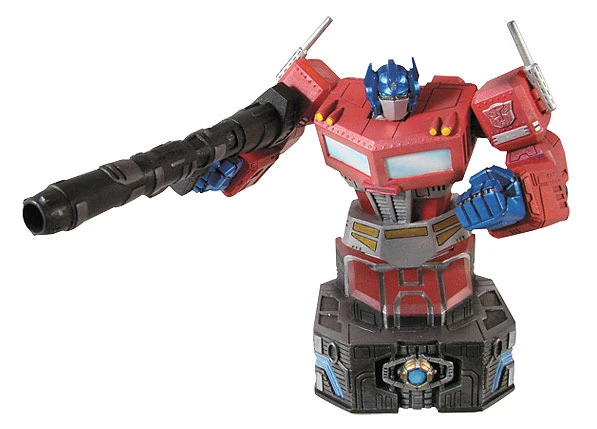
Credit: transformers.fandom.com
Introduction To The U.s. Market
Transformers toys first appeared in the U. S. market in 1984. These iconic toys quickly captured children’s imaginations. Their unique ability to transform from robots to vehicles made them a popular choice.
Transformers toys burst onto the U.S. market in 1984, capturing the imaginations of children and collectors alike. These transforming robot action figures quickly became a cultural phenomenon, blending innovative toy design with captivating storytelling. The introduction of Transformers toys marked the beginning of a new era in the toy industry, where imagination and technology intertwined to create something truly special.How Did Transformers Arrive In The U.s.?
Transformers toys were born out of a collaboration between American and Japanese companies. Hasbro, an American toy company, teamed up with Japan’s Takara to bring these toys to life in the U.S. market. The original designs were derived from Takara’s Diaclone and Microman toy lines. The name “Transformers” was coined to reflect the toys’ unique ability to change from robots to vehicles or other gadgets. This concept intrigued American children, sparking a craze that spread quickly across the country.Marketing Magic: A Blend Of Toys And Media
Hasbro employed a clever marketing strategy to captivate young audiences. They partnered with Marvel Comics to create a storyline that would resonate with children. This led to the production of comic books, cartoons, and an animated TV series, all designed to introduce the Transformers universe to potential fans. The storyline revolved around the battle between the heroic Autobots and the evil Decepticons, creating a rich narrative that encouraged children to collect and engage with the toys.What Made Transformers Stand Out?
Transformers toys were unique because they offered more than just play; they offered transformation. The excitement of switching a robot into a car or plane provided endless fun and creativity. Each figure had its own personality and abilities, which added depth to playtime adventures. Moreover, the intricate designs and mechanics of the toys appealed to collectors, making Transformers not only a children’s toy but also a hobby for adults. You might remember the thrill of opening a new box and discovering the hidden complexities of your favorite character.The Impact Of Transformers On Toy Culture
Transformers toys revolutionized the toy industry by integrating storytelling with product design. They paved the way for many other toy lines that use media tie-ins to enhance the play experience. The success of Transformers demonstrated the power of a cohesive brand strategy that includes comics, TV shows, and films. Reflecting on the introduction of Transformers toys, it’s fascinating to see how a simple idea evolved into a global franchise. Have you ever wondered how a toy can shape cultural trends and influence generations? The Transformers phenomenon is a testament to the enduring appeal of creativity and innovation.The Role Of Hasbro
Hasbro launched Transformers toys in 1984, captivating children worldwide with their unique ability to transform from robots to vehicles. These innovative toys became a cultural icon, sparking animated series and blockbuster films, and continue to delight fans of all ages.
The Transformers toy line has captured the imaginations of children and collectors worldwide. At the heart of this phenomenon is Hasbro, the company that played a pivotal role in bringing these iconic robots in disguise to life. Hasbro’s involvement transformed a simple idea into a global sensation, forever changing the landscape of action figures.The Genesis Of A Partnership
In the early 1980s, Hasbro was on the lookout for something fresh and exciting. They discovered Takara, a Japanese company, had a successful line of transforming robot toys. Hasbro saw potential and decided to partner with them, creating a new universe of characters and stories.Bringing Transformers To Life
Hasbro didn’t just market toys; they built an entire world. They collaborated with Marvel Comics to create backstories, giving each Transformer its own personality. This storytelling approach added depth, making the toys more than just playthings—they became characters kids could relate to.Marketing Magic
Hasbro’s marketing strategy was nothing short of genius. They launched a cartoon series that aired in conjunction with the toy release. This move was a masterstroke, ensuring that children were hooked on Transformers both on-screen and in toy aisles.Continued Innovation
Hasbro didn’t rest on its laurels. Over the years, they introduced new lines and concepts, like Beast Wars and the movie-inspired figures. This continuous innovation kept the brand fresh and relevant, attracting new generations of fans.Engaging The Community
Hasbro has always valued its fan base. They host conventions, like BotCon, and engage directly with fans to get feedback and ideas. This relationship has helped sustain the brand’s popularity and foster a loyal community. So, how has Hasbro’s involvement with Transformers impacted your childhood or collection? Did their marketing magic make you a fan for life, or did a specific toy spark your imagination? Share your thoughts and become part of this ever-evolving story.The Influence Of The Transformers Cartoon
Transformers toys first hit the shelves in 1984. The toys quickly gained popularity, driven by the animated series. This cartoon captured the imagination of children, boosting toy sales worldwide.
The launch of the Transformers toys in the 1980s was more than just a commercial success; it was a cultural phenomenon, largely fueled by the explosive popularity of the Transformers cartoon series. The animated show was instrumental in bringing the characters to life, giving them personalities and stories that captivated the imagination of children worldwide. But how did this cartoon manage to have such a profound impact?The Power Of Storytelling
The Transformers cartoon didn’t just sell toys; it sold stories. Each episode was a vivid tale of good versus evil, with characters that children could relate to and root for. This emotional connection made the toys more than just plastic figures—they were heroes in the hands of young fans.Character Development
The cartoon introduced a wide array of characters, each with unique traits and backstories. Autobots like Optimus Prime symbolized leadership and justice, while Decepticons like Megatron embodied cunning and ambition. This depth of character made the toys more appealing, as kids could recreate the narratives they saw on screen.Visual Appeal
The vibrant animation style of the Transformers cartoon captured the attention of young viewers. The detailed designs and transformation sequences were thrilling to watch, making the toys even more desirable. Kids wanted to hold in their hands what they saw on TV.Merchandising Magic
The cartoon and toys were part of a brilliant marketing strategy. Episodes often introduced new characters just as their corresponding toys hit the shelves. This synergy created a sense of urgency and excitement among fans, driving sales and solidifying the brand’s legacy.Community And Culture
Transformers wasn’t just a show; it was a social experience. Kids would discuss episodes at school, trade toys, and imagine new adventures. This shared experience built a community around the brand, turning it into a cultural staple. The Transformers cartoon did more than entertain; it created an immersive world that captured the hearts of a generation. It showed the power of storytelling in marketing and left a lasting impact on how toys are perceived and sold. What memories does the Transformers cartoon evoke for you?Expansion And Popularity In The 1980s
Transformers toys gained immense popularity in the 1980s, captivating children worldwide. Their innovative design and engaging storyline fueled a massive fan base.
The 1980s was a transformative decade for toys, and few could rival the impact of Transformers. These iconic toys quickly became a staple in every child’s playroom, capturing imaginations with their unique ability to change from robots into vehicles and other objects. But what fueled their meteoric rise? Let’s dive into the key factors that contributed to the expansion and popularity of Transformers toys during this golden era.Marketing Magic And Media Tie-ins
Transformers toys didn’t just rely on their shape-shifting capabilities to capture attention. An animated TV series was launched alongside the toys, creating a compelling narrative that brought these characters to life. This clever marketing strategy ensured that children were not only playing with toys but also engaging with an entire universe through TV episodes.Diverse Character Lineup
The sheer variety of characters in the Transformers lineup was a game changer. Each character had a distinct personality and role, offering something for every child’s preference. Whether you were drawn to the heroic Optimus Prime or the villainous Megatron, there was a Transformer for you.Interactive Play Experience
Transformers toys offered an interactive experience that was both educational and fun. The process of transforming the toys from one form to another engaged children’s problem-solving skills. This hands-on interaction was a refreshing change from the more static toys of the era.Global Reach And Cultural Impact
Transformers quickly transcended borders, becoming a global phenomenon. This worldwide popularity helped to establish a shared cultural experience among children from different countries. It was fascinating to see how a toy could bridge cultural gaps, sparking conversations and friendships.Collector’s Appeal
Even in the 1980s, Transformers had a burgeoning collector’s market. The intricate designs and storytelling elements made them appealing not just to kids but to adults as well. This appeal laid the groundwork for the dedicated collector communities we see today. Consider this: what other toy from your childhood had such a profound impact on popular culture? The success of Transformers in the 1980s wasn’t just about clever marketing; it was about creating an immersive world that continues to captivate generations.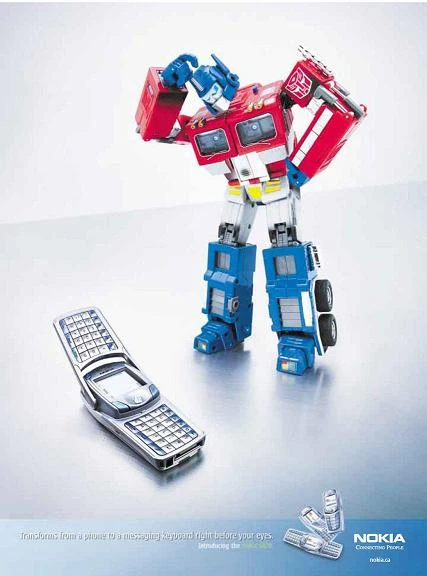
Credit: transformers.fandom.com
Transformers Toys In The 1990s
Transformers toys became popular in the 1980s, but the 1990s saw their continued evolution. Iconic characters from the animated series inspired many of these toys. They captured children’s imaginations with their ability to transform between robots and vehicles.
Transformers toys in the 1990s experienced a dynamic evolution. This decade saw shifts in design, storytelling, and technology. Fans witnessed new characters and innovative transformations. The 1990s marked a vibrant chapter for Transformers enthusiasts.Transformation Innovations In The 1990s
Toy designers experimented with complex transformations. These toys became more intricate. They challenged young minds with their creative designs. Each transformation was a puzzle to solve.Popular Transformers Toy Lines
The decade introduced exciting toy lines. “Beast Wars” became a fan favorite. It featured animals transforming into robots. These toys brought a fresh perspective to the series.Impact Of 1990s Media On Toys
Television shows influenced toy designs. Cartoons introduced new characters. Each episode sparked interest in new toys. Kids connected deeply with the stories.Collector Appeal And Nostalgia
1990s toys hold nostalgic value today. Collectors seek these classic pieces. They remind adults of their childhood adventures. Collecting these toys became a beloved hobby.Technological Advancements In Toy Design
Technology improved toy features. Sound effects became more common. Toys had voice clips and flashing lights. These features enhanced playtime experiences.The Legacy Of 1990s Transformers
Transformers toys from the 1990s left a lasting legacy. They inspired creativity and imagination. Today’s toys draw inspiration from these classic designs. The 1990s remain an iconic era for Transformers fans.The Evolution In The 2000s
In the 2000s, Transformers toys experienced significant evolution. This decade marked a pivotal era for the franchise. New designs and technologies were introduced, captivating fans worldwide. The toys became more intricate, enhancing the play experience. Let’s explore the key developments that shaped Transformers toys during this period.
The Rise Of Transformers: Armada
Transformers: Armada launched in 2002. It introduced new characters and storylines. The series featured Mini-Cons, small robots with unique powers. These Mini-Cons could attach to larger figures, unlocking new abilities. Fans loved the interactive play style.
Advancements In Toy Design And Technology
Toy designs became more complex in the 2000s. Engineers used advanced techniques to improve articulation. Figures had more points of movement, allowing dynamic poses. This improvement delighted collectors and kids alike.
Transformers: Energon And Cybertron
Transformers: Energon followed Armada in 2004. It continued the Mini-Con concept and introduced Powerlinx. This feature allowed two robots to combine into one. Transformers: Cybertron came in 2005, offering new transformations and character designs.
Influence Of The Transformers Live-action Movie
The 2007 live-action movie boosted Transformers’ popularity. Movie-themed toys hit the shelves, featuring realistic vehicle modes. Fans appreciated the detailed designs inspired by the film.
Introduction Of Transformers: Animated
Transformers: Animated premiered in 2007. It offered a fresh take with unique animation styles. The toys from this series were stylized, matching the show’s aesthetic. This approach attracted a younger audience.
Modern Era And Legacy
Transformers toys first hit the shelves in 1984, capturing the imagination of children worldwide. These iconic toys, which transform from robots to vehicles, have left a lasting legacy, blending creativity with play.
The ‘Modern Era and Legacy’ of Transformers toys showcases their enduring appeal. Since their debut in the 1980s, Transformers have captivated fans worldwide. Their innovative design and compelling storyline set them apart. Today, they continue to hold a special place in the hearts of collectors and new fans alike.Evolution Of Design
Transformers toys have evolved significantly. Early models were simple, but today’s versions boast intricate designs. Advanced articulation and detail now mimic their animated counterparts. This progress keeps the toys fresh and appealing.Collector’s Market
The collector’s market for Transformers is thriving. Rare models fetch high prices at auctions. Enthusiasts seek vintage editions and limited releases. These toys often become valuable assets, cherished by fans for years.Impact On Pop Culture
Transformers have influenced pop culture tremendously. Movies and TV series have expanded their universe. Iconic characters like Optimus Prime are widely recognized. They inspire merchandise, video games, and comic books.Global Community
A global community of fans celebrates Transformers. Online forums and conventions unite enthusiasts. Fans share collections, discuss stories, and express love for the franchise. This community fosters lasting friendships and collaborations.Educational Value
Transformers toys offer educational benefits. They encourage creativity and problem-solving. Children learn mechanics and engineering through play. These toys stimulate imagination and strategic thinking, aiding child development.Future Prospects
The future of Transformers toys looks promising. New technologies may enhance interactive play. Innovations keep the franchise relevant for new generations. Fans eagerly anticipate fresh designs and storylines, ensuring its legacy endures.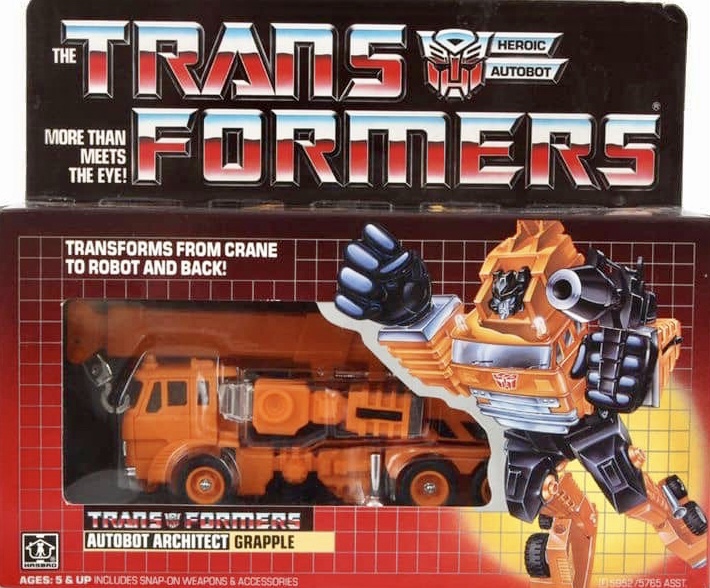
Credit: thetoycollectorsguide.com
Frequently Asked Questions
When Were Transformers Toys First Released?
Transformers toys were first launched in 1984. Created by Hasbro and Takara, they introduced the iconic transforming robots. The initial line included popular characters like Optimus Prime and Megatron. These toys quickly became a cultural phenomenon, leading to various media adaptations and continued popularity through the decades.
Who Invented Transformers Toys?
Transformers toys were invented by Hasbro and Takara. They collaborated to create the line based on Japanese toy designs. The partnership aimed to merge transforming vehicles with compelling storytelling. This innovative concept captivated audiences worldwide, solidifying Transformers as a beloved franchise for generations.
What Inspired Transformers Toy Creation?
Transformers toys were inspired by Japanese transforming toy lines. Hasbro saw potential in merging these designs with engaging narratives. This blend of creativity and storytelling resulted in the iconic robots. The unique concept of vehicles turning into characters captivated imaginations, sparking a global fascination with Transformers.
How Did Transformers Toys Impact Pop Culture?
Transformers toys significantly influenced pop culture since their debut in 1984. They led to animated series, movies, and comics. The franchise’s compelling characters and storytelling captivated audiences. Transformers became a cultural icon, shaping toy, entertainment, and merchandise industries for decades.
Conclusion
Transformers toys have captured imaginations since their debut in 1984. These iconic robots have evolved, thrilling both kids and collectors worldwide. Their unique ability to shift from vehicles to robots fascinates fans. The journey from past to present shows their lasting appeal.
Whether you love Optimus Prime or Bumblebee, these toys offer adventure and nostalgia. Explore their history and discover why Transformers remain beloved. Dive into the world of Autobots and Decepticons and relive childhood moments. The legacy of Transformers toys continues to inspire new generations.
Unforgettable characters, timeless fun.