Watching your baby grow is a magical experience filled with countless milestones. From the first smile to the first crawl, every moment is precious.
As a parent, you might be wondering about another important milestone: when do babies start playing with toys? This is an exciting phase where your little one begins to explore the world around them, and toys play a crucial role in their development.
Imagine the joy of seeing your baby reach out for a colorful rattle or giggle at a soft plush toy. Understanding the timing and significance of this stage can help you choose the right toys to nurture your baby’s growth. Dive in to discover how you can make playtime not only fun but also beneficial for your child’s development.
Early Interaction
Early interaction with toys is a fascinating stage of a baby’s development. During these early months, babies begin to explore their environment, and toys play a crucial role in stimulating their senses. This phase is not just about play; it’s a vital part of their growth and learning.
Newborn Sensory Exploration
In the initial weeks, newborns are like little explorers with a big curiosity about the world. They use their senses to understand their surroundings. Soft toys with different textures can be especially engaging, offering them a tactile experience.
Have you ever noticed how a baby’s eyes light up when they see a bright, colorful object? This visual interest is their way of beginning to interact with the world. You might find them gazing intently at a mobile hanging above their crib or following the movement of a rattle.
Engaging a newborn’s senses can be as simple as letting them feel a soft blanket or listen to soothing music. These early sensory explorations lay the foundation for more complex interactions in the future.
First Grasping Movements
As babies grow, they start to develop their motor skills. Around the age of three to four months, you might notice your baby attempting to grasp objects. This is a significant milestone and a precursor to playing with toys.
During this time, introducing toys that are easy to hold can encourage these first grasping movements. Think of lightweight rattles or soft rings that fit comfortably in tiny hands. The joy in their eyes when they finally hold onto something is truly priceless.
It’s a moment of triumph not just for the baby but also for you, witnessing their first steps toward independent play. How do you encourage these precious moments of interaction with your baby?

Credit: kinderpage.ca
Reaching And Grabbing
Babies begin playing with toys around three to six months old. This is when they start reaching and grabbing objects. Toys like rattles and soft blocks help develop their motor skills and curiosity.
Reaching and grabbing are pivotal milestones in your baby’s development journey. These actions mark the beginning of their interaction with the world around them. As your baby starts to show interest in toys, you’ll notice their little hands reaching out, eager to grab and explore. This phase is not only adorable but also crucial for their growth. It signifies the start of their ability to play and learn through touch and sight.Hand-eye Coordination Development
Hand-eye coordination is essential for your baby to successfully reach and grab toys. As they focus on an object, their brain begins to process visual cues and sends signals to their hands to move accordingly. This coordination improves as they practice, so offer toys that are easy to grasp. Notice how your baby might initially struggle to coordinate, but with each attempt, they become more adept. This stage is a fascinating glimpse into how babies learn through trial and error.Object Exploration
Once your baby can reach and grab, they enter the exciting phase of object exploration. Every toy becomes a new world of textures, shapes, and sounds to discover. Encourage this curiosity by providing a variety of toys that offer different experiences. You might find your baby shaking a rattle to hear its sound or feeling the fabric of a plush toy. Observing your baby’s exploration can be a reminder of the simple joys found in everyday objects. How can you enhance their learning experience through toys? Consider introducing items that stimulate multiple senses.Exploratory Play
Exploratory play is an exciting milestone in your baby’s development. It’s when your little one starts interacting with the world through toys, discovering textures, sounds, and sights. This phase is crucial as it aids in sensory development and cognitive growth. Watching your baby engage with toys is not just heartwarming; it’s also a pivotal learning experience for them.
Tactile And Auditory Toys
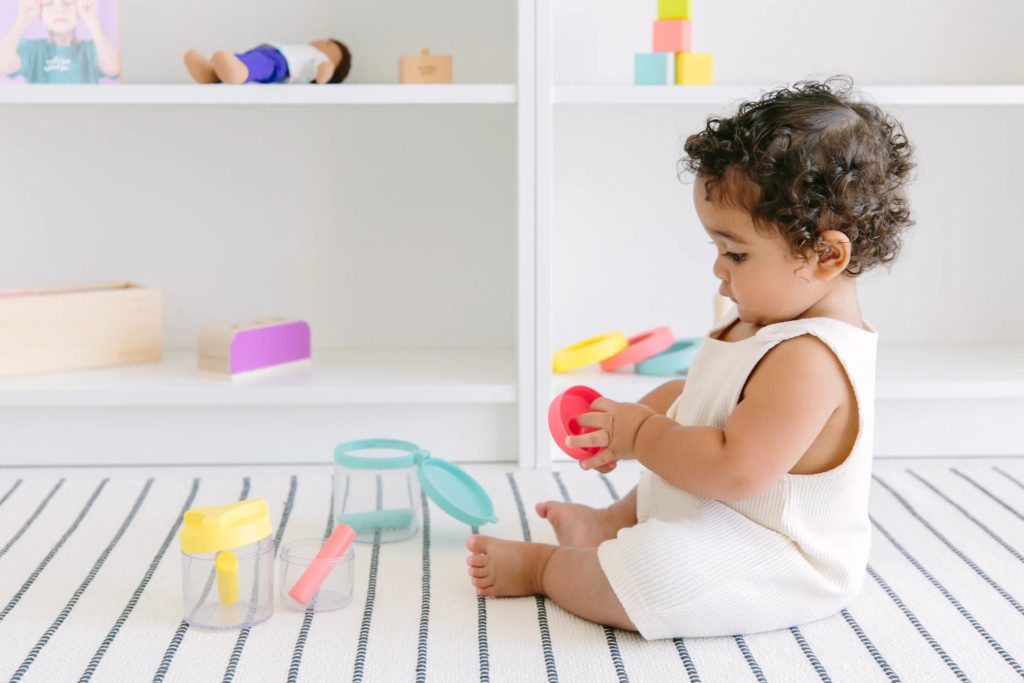
Have you noticed how your baby loves grabbing things and shaking them? Tactile and auditory toys are perfect for this stage. Toys with different textures stimulate your baby’s sense of touch, encouraging them to feel and explore. Rattles and musical toys introduce them to sounds, sparking curiosity and excitement. These toys not only entertain but also promote fine motor skills as your baby learns to grasp and hold.
Visual Stimulation
Bright colors and contrasting patterns are more than just eye-catching; they’re essential for your baby’s visual development. Toys that feature vibrant colors and engaging designs can capture your baby’s attention and improve their focus. Mobiles with moving parts or toys with lights can also be captivating, helping to develop their ability to track objects with their eyes. As your baby grows, visual toys can be a gateway to recognizing shapes and colors.
Have you found yourself marveling at how your baby gazes at a toy? Encourage this visual exploration with toys that challenge their sight in delightful ways. What toys have sparked joy in your baby? Share your experiences and join the conversation!

Credit: www.knysnaplettherald.com
Interactive Play
Interactive play is a crucial part of a baby’s development. It helps them learn and grow in a fun way. Babies are curious and love exploring new things. Toys play an important role in this exploration. Interactive toys capture their attention and engage their senses. These toys encourage babies to discover cause and effect relationships. They also promote social skills through shared play.
Cause And Effect Toys
Cause and effect toys teach babies basic principles. These toys often have buttons to press or levers to pull. Babies learn that actions have reactions. For example, pressing a button might make a sound. This process enhances their understanding of the world. It also boosts their problem-solving skills.
Popular cause and effect toys include musical instruments. Simple drum sets or xylophones are great choices. They help babies understand sound production. Pop-up toys are another favorite. Babies love seeing objects appear with a simple push.
Social Interaction Through Toys
Toys also foster social interactions among babies. Playing with others teaches them to share and cooperate. Toys like building blocks or stacking rings are perfect for group play. They encourage turn-taking and teamwork.
Role-playing toys introduce social scenarios. Dolls or toy cars allow babies to mimic real-life situations. This type of play enhances their communication skills. It also helps them understand emotions and empathy. Parents can join in to further enrich the experience.
Imitative Play
Babies begin playing with toys around 4 to 6 months old. At this age, they explore objects by grasping and mouthing them. Imitative play often starts as they mimic simple actions like shaking a rattle.
Imitative play is a crucial stage in a baby’s development. It usually starts around 8 to 12 months. During this phase, babies mimic actions they observe. They learn by watching others and then trying it themselves. This form of play is vital for cognitive and social growth.Role-playing With Toys
Role-playing is a fun aspect of imitative play. Babies often copy everyday activities. They may pretend to talk on a toy phone or feed a doll. These actions help develop their understanding of the world. It encourages social skills and empathy. By role-playing, babies experiment with different roles. This boosts their imagination and creativity.Symbolic Play
Symbolic play emerges as babies grow. They start using objects to represent something else. A block might become a car, or a spoon might be a magic wand. This is a significant leap in cognitive development. It shows their ability to think abstractly. Symbolic play enhances problem-solving skills. It also improves language and communication abilities. Through this form of play, children learn to express ideas and emotions.Problem-solving Play
Problem-solving play is a fascinating stage in your baby’s development. It’s when they begin to understand the concept of cause and effect, and how their actions can solve problems. This form of play encourages critical thinking, boosts creativity, and helps them learn persistence.
Puzzle And Shape Sorters
Puzzles and shape sorters are fantastic tools for honing your baby’s problem-solving skills. When babies fit a shape into the correct slot or piece together a puzzle, they learn spatial awareness and hand-eye coordination. Have you ever watched a baby’s face light up when they finally get the triangle into the correct hole? It’s a moment of triumph that you’ll cherish.
Start with simple puzzles featuring large, chunky pieces. As your child grows, introduce more complex puzzles to keep them challenged and engaged. Consider setting a timer to make it a fun race against time, adding excitement to the activity.
Building And Constructing
Building blocks are more than just a fun playtime activity. They’re an excellent way for babies to explore problem-solving. As they stack blocks, they learn balance, cause and effect, and even basic principles of physics.
Encourage your baby to build towers or create patterns. You can join in and build alongside them, showing them different techniques and ideas. This shared play can spark conversations and add a layer of bonding to the learning experience.
Ask yourself: what will your baby build today? The possibilities are as limitless as their imagination. As they experiment with different structures, they learn through trial and error, a fundamental aspect of problem-solving.
Creative Play
Babies typically start playing with toys around three to six months. At this age, they begin exploring objects and developing motor skills. Simple toys like rattles or soft blocks can engage their senses and curiosity.
Creative play helps babies explore and learn. It is a vital part of their development. Through creative play, babies express themselves and discover the world. Toys play a key role in this journey. They help spark imagination and creativity.Artistic Expression
Artistic toys introduce babies to colors and shapes. Crayons and finger paints are great starters. Babies enjoy making marks on paper. It is their first step into the world of art. This activity helps develop fine motor skills. It also boosts their confidence. As they grow, they learn to hold brushes. They start making more defined shapes. Simple art activities encourage self-expression. It allows them to convey emotions and ideas.Musical Toys
Musical toys introduce babies to sounds and rhythms. Instruments like maracas and xylophones are perfect. Babies enjoy shaking and tapping them. These toys stimulate auditory senses. They help develop listening skills. Music also has a soothing effect on babies. It can calm them during playtime. Some musical toys have lights. These attract babies’ attention, making playtime more engaging. Playing with musical toys also encourages movement. Babies love to bounce to the beat. It promotes physical development along with creativity.
Credit: blog.lovevery.com
Frequently Asked Questions
When Do Babies Interact With Toys?
Babies start interacting with toys around 3-4 months old. At this age, they begin to grasp and explore objects. Toys help stimulate their senses and encourage development. Providing age-appropriate toys can enhance their learning experiences. Always ensure toys are safe and suitable for their developmental stage.
How Do Toys Benefit Baby’s Development?
Toys play a crucial role in a baby’s development. They enhance motor skills, hand-eye coordination, and sensory stimulation. Engaging with toys encourages cognitive growth and creativity. Toys also help babies understand cause and effect relationships. Choose toys that promote learning and are safe for exploration.
What Toys Are Best For Newborns?
For newborns, soft, colorful toys are ideal. These toys stimulate their vision and touch. Rattles and mobiles can attract their attention and encourage interaction. Choose toys that make gentle sounds to soothe and entertain. Always ensure toys are free from small parts to avoid choking hazards.
Are Educational Toys Necessary For Infants?
Educational toys are beneficial but not necessary for infants. Simple toys can stimulate their senses and encourage exploration. Infants learn through play, regardless of the toy type. Choose toys that are safe and age-appropriate. Balance between educational and fun toys can foster overall development.
Conclusion
Babies start playing with toys around three to six months old. Toys help their development and skills. They learn through touch, sight, and sound. Simple toys are best at first. Soft toys, rattles, and teething rings work well. Always ensure toys are safe and age-appropriate.
Playtime boosts brain growth and motor skills. It also strengthens the parent-child bond. Encourage exploration and curiosity. Watch your baby discover the world through play. Enjoy this magical phase together. It’s a precious time for learning and joy.