Imagine the moment when your little one’s eyes light up at the sight of their very first toy. It’s an exciting milestone, filled with curiosity and wonder.
As a parent, you might find yourself asking, “When do infants actually start playing with toys? ” Understanding the timeline of this developmental stage is crucial for nurturing your baby’s growth and happiness. You’ll uncover the fascinating journey from those early days of grasping and exploring to the playful interactions that come later.
Prepare to discover how toys can transform your baby’s world and why knowing the right time to introduce them can make all the difference. Keep reading to ensure your child’s first playful experiences are as enriching as they are delightful.
Developmental Stages Of Play
Infants begin engaging with toys around three to six months. They explore objects through touch and sight. This stage boosts their sensory and motor skills.
Understanding when infants start playing with toys can be a delightful journey. It reveals not only how they explore the world but also how they grow at each stage. The developmental stages of play highlight the evolving curiosity and skill-building that occur as infants interact with their environment. As you witness these changes, you can better support your child’s development and choose toys that encourage their growth.Newborn Curiosity
In the earliest days, newborns are like little explorers, absorbing everything around them. While they don’t play in the traditional sense, their senses are in overdrive. You might notice them staring at contrasting colors or responding to sounds. Simple toys like high-contrast black and white images can captivate their attention. These toys stimulate their vision and support cognitive development. You might find your baby reaching out, trying to grasp the world around them. This is the beginning of hand-eye coordination.Three To Six Months
As your baby enters this stage, their curiosity takes on a new dimension. They begin to grasp objects and bring them to their mouth. This is a period of exploration through touch and taste. Soft toys and rattles become favorites during this time. Babies love toys that make noise or have different textures. These toys help develop their fine motor skills and auditory senses. Have you noticed the joy on their face when they successfully shake a rattle?Six To Twelve Months
Halfway through their first year, infants become more active in their play. They start sitting up, crawling, and even pulling themselves to stand. This newfound mobility opens up a world of possibilities. Interactive toys that encourage movement are ideal. Think about stacking cups or activity tables that engage multiple senses. These toys support problem-solving skills and physical coordination. Watching your baby figure out how to stack blocks is a testament to their growing intelligence.One Year And Beyond
As your child turns one, play becomes more purposeful. They start to imitate adults, using toys to mimic real-life activities. This is the age of pretend play and imagination. Toy kitchens, dolls, and cars become tools for storytelling. These toys help develop social skills and creativity. You’ll see your child engaging in more complex play and interacting with others. Each game is a step toward understanding the world and their place in it. Have you ever watched a toddler engrossed in pretend play and wondered what stories they’re creating? This stage is not only fun to observe but also crucial for emotional and social growth.
Credit: www.thebump.com
Types Of Toys For Each Stage
Infants begin exploring toys during their early months. Soft toys and rattles stimulate their senses and develop motor skills. As they grow, colorful and textured toys encourage interaction and curiosity.
When infants begin their journey of discovering the world, toys play a crucial role in their development. Each stage of an infant’s growth demands different types of toys that cater to their evolving needs and abilities. Understanding the right toys for each stage not only aids in their cognitive and physical development but also makes playtime more enjoyable and enriching for both the baby and you.Sensory Toys For Newborns
Newborns are primarily engaged with their senses as they start to explore their new environment. Sensory toys are perfect for this stage as they stimulate sight, sound, and touch. Soft rattles, high-contrast mobiles, and plush toys with varied textures are excellent choices. These toys help infants focus their vision and develop their auditory skills. You might notice your baby’s eyes following a moving mobile or their hands reaching out to feel a textured blanket. Such sensory experiences lay the foundation for their sensory development.Interactive Toys For Infants
As infants grow, they become more curious and interactive. At this stage, toys that encourage interaction are ideal. Think of toys that make sounds when pressed or light up with a gentle touch. Simple musical instruments like maracas or tambourines can captivate your baby’s attention and encourage them to create sounds. Activity gyms with hanging toys also promote hand-eye coordination as babies reach and grasp. The joy on your baby’s face when they realize they can control a toy’s response is truly priceless.Building Blocks For Toddlers
Once your baby transitions into toddlerhood, building blocks become a fantastic tool for development. These toys enhance motor skills, spatial awareness, and creativity. Blocks of various shapes and sizes can be stacked, sorted, or lined up, providing endless opportunities for play. Encourage your toddler to build towers or create structures, fostering their problem-solving skills and imagination. You might even find yourself joining in the fun, reminiscing about your own childhood while supporting your toddler’s growth. Have you ever wondered how a simple set of blocks can spark endless creativity and learning? Choosing the right toys at each stage not only supports your child’s development but also strengthens your bond as you play and learn together. Are you ready to explore the world of toys with your little one?Benefits Of Play For Infants
Infants begin to explore toys as they develop curiosity and coordination skills. Playing with toys helps them understand their environment and improves motor skills. Early interaction with toys also boosts cognitive growth, laying the foundation for learning and social skills.
Playing with toys is more than just fun for infants—it’s a vital part of their growth and development. Through play, infants explore the world around them, learning new skills that are crucial for their cognitive, motor, and social-emotional development. As a parent, you might wonder how these seemingly simple interactions can have such profound effects. Let’s dive into the benefits of play for infants and discover how these playful moments contribute to their overall development.Cognitive Development
Playtime is a natural learning environment for infants. When they engage with toys, they start to understand cause and effect. A rattle makes noise when shaken; a ball rolls away when pushed. These interactions help infants develop problem-solving skills and foster curiosity. Consider how a stacking toy can teach an infant about size and sequence. As they try to stack rings from largest to smallest, they learn about order and organization. This lays the groundwork for more complex cognitive processes as they grow.Motor Skills Enhancement
Toys are instrumental in developing an infant’s motor skills. Grasping, reaching, and holding toys strengthen their hand-eye coordination and fine motor abilities. These are essential skills for later tasks like writing and dressing. Imagine watching your baby trying to pick up a toy with their tiny fingers. This might seem simple, but it’s a major milestone in developing their dexterity. Toys with different textures and shapes offer varied challenges, encouraging infants to refine their motor skills through practice.Social And Emotional Growth
Playing with toys also nurtures social and emotional growth. Through play, infants express themselves and learn about their emotions. A stuffed animal can become a source of comfort and companionship, helping them understand feelings like attachment and empathy. As infants play alongside others, even in simple parallel play, they begin to develop social skills. Sharing toys or observing peers introduces them to concepts like cooperation and patience. How might your infant learn to handle frustration when a toy doesn’t work as expected? These experiences are crucial for developing resilience and emotional intelligence. Incorporating play into your infant’s routine is not just about keeping them occupied; it’s about investing in their future development. How can you enhance your infant’s playtime today?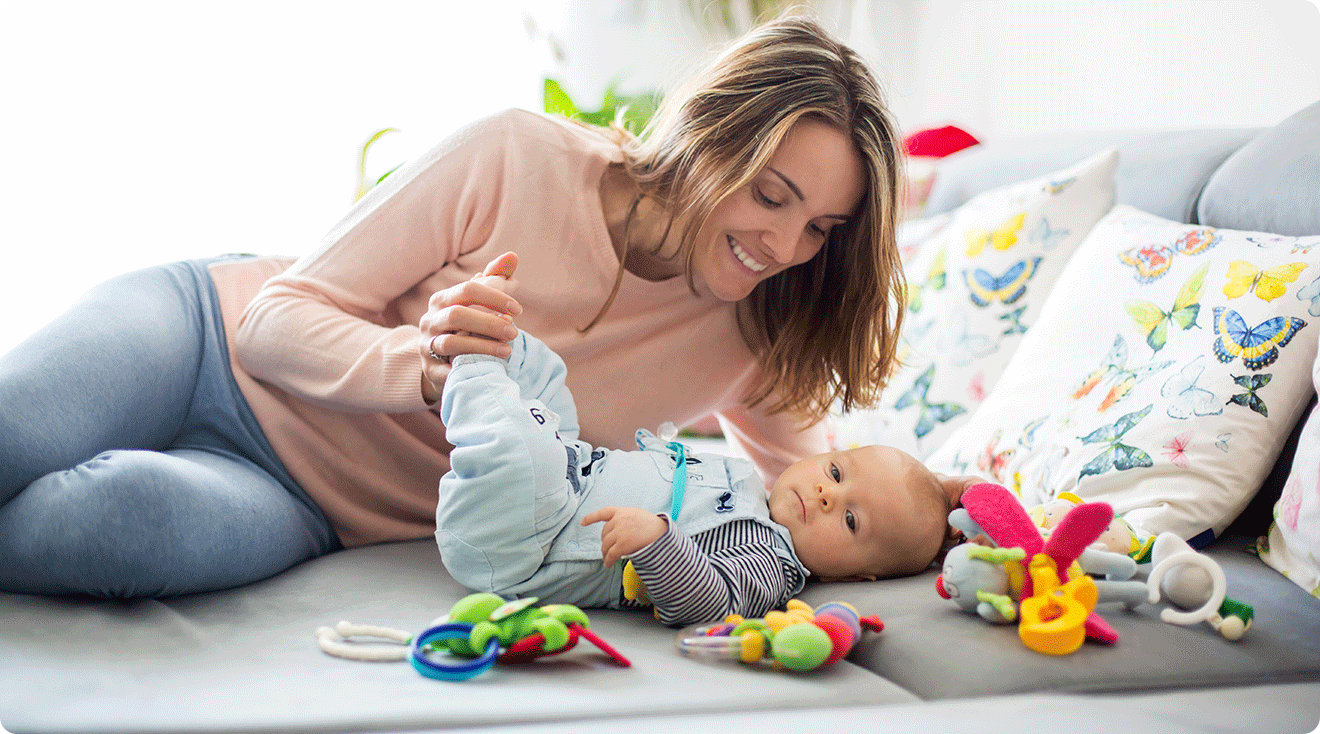
Credit: www.thebump.com
Encouraging Safe Play
Infants start playing with toys around three to four months old. Encourage safe play by choosing age-appropriate toys. Soft toys with no small parts are ideal for their curious hands.
Encouraging Safe Play Ensuring your infant’s playtime is safe is crucial for their well-being and development. Toys play a significant role in this process, providing not only fun but also educational experiences. However, the safety of these toys is paramount to prevent any accidents or injuries.Choosing Age-appropriate Toys
When selecting toys for your infant, always check the age recommendations on packaging. These guidelines are there to ensure the toys are suitable for your child’s developmental stage. Consider toys that are large enough not to be swallowed, especially since infants love to explore with their mouths. Avoid toys with small parts that could pose a choking hazard. Remember, a colorful rattle might be perfect for a six-month-old, while soft blocks can be exciting for a one-year-old to stack and topple.Supervising Playtime
Being present during playtime is essential. This not only keeps your infant safe but also allows you to bond and observe their interests and skills. Supervision doesn’t mean hovering. Instead, it’s about being nearby, ready to assist if needed. This can be as simple as sitting on the floor, engaging with their play, or reading a book while they explore. Think about the last time you watched your child discover something new. Wasn’t it fascinating to see their eyes light up? Your presence provides them with the confidence to explore further.Maintaining A Safe Environment
A safe play area is free from hazards such as sharp edges, loose cords, or small objects. Regularly inspect toys for wear and tear and remove any that are broken or unsafe. Keep the play area clean and organized to prevent accidents. A clutter-free space encourages your infant to move around freely and explore without obstacles. Ask yourself, is the play area inviting and secure? Creating a safe environment for your infant to play not only protects them but also nurtures their curiosity and development.Tips For Engaging Playtime
Infants begin interacting with toys around 3 to 6 months. They explore with senses, grasping and mouthing objects. Bright colors and varied textures capture their attention, fostering curiosity and learning.
When infants start playing with toys, it marks a joyful milestone. Playtime is not only fun but crucial for development. Parents can make this time engaging and beneficial. Here are some tips to create a meaningful playtime experience.Creating A Play Routine
A consistent play routine helps infants know what to expect. Start with a designated play area. Keep toys organized and accessible. This encourages exploration and creativity. Set specific times for play each day. This creates a rhythm that infants enjoy. Stick to the routine, but be flexible.Incorporating Educational Elements
Toys can teach infants valuable skills. Choose toys that stimulate learning. Look for bright colors and different textures. Simple puzzles enhance cognitive abilities. Musical toys improve auditory skills. Blocks and shapes boost spatial awareness. Make learning fun and interactive.Bonding Through Play
Playtime strengthens the parent-child bond. Join your infant in play activities. Share laughter and smiles during play. Use toys to tell stories. Engage in pretend play together. Show interest in your child’s actions. Celebrate small achievements. This connection builds trust and security.Common Concerns And Solutions
Determining when infants play with toys can be puzzling for parents. Babies typically begin interacting with toys around three months old. Offer age-appropriate toys that stimulate senses and promote development.
Infants playing with toys is a delightful milestone, yet it can stir up a host of concerns for parents. These worries often revolve around overstimulation, safety, and balancing screen time. Addressing these concerns with practical solutions can help you make confident choices for your little one’s playtime. Let’s dive into how you can manage these common concerns effectively.Overstimulation
Overstimulation happens when infants are exposed to too many stimuli at once, leading to fussiness and stress. It’s essential to observe your baby’s cues—are they turning away, yawning, or becoming fussy? These might be signs they need a break. To prevent overstimulation, introduce one toy at a time. Choose toys with soothing colors and simple designs. Remember, sometimes a simple rattle or soft stuffed animal can be more engaging than flashy gadgets.Toy Safety Concerns
Safety is paramount when selecting toys for your infant. Small parts can be choking hazards, and sharp edges can cause injuries. Always check the age recommendations on toy packaging. Look for toys made from non-toxic materials. Inspect them regularly for wear and tear. A personal experience: I once found a tiny piece of a broken toy in my child’s play area, which was a stark reminder to perform frequent checks.Balancing Screen Time
In today’s digital age, screens are everywhere, but it’s crucial to find a healthy balance for your infant. Excessive screen time can impact their development and attention span. Why not introduce a rotation of physical toys instead? Create a play schedule that limits screen exposure and encourages interaction with tactile toys. This approach not only fosters creativity but also strengthens the parent-child bond through shared playtime experiences.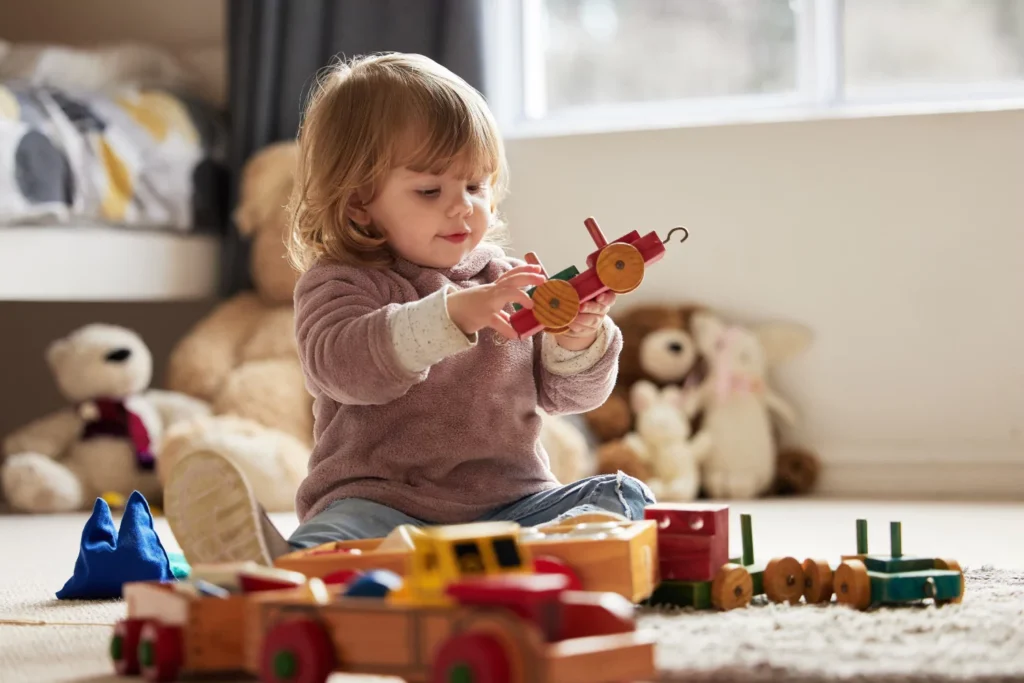
Credit: www.focusonthefamily.com
Frequently Asked Questions
When Do Babies Start Playing With Toys?
Infants usually begin interacting with toys around 3 to 4 months. They start by grasping and exploring objects. As their motor skills develop, they engage more actively. Toys help stimulate their senses and encourage development. It’s crucial to provide age-appropriate toys that are safe and engaging for their growing curiosity.
What Toys Are Best For Newborns?
For newborns, soft, colorful toys are ideal. These toys should be easy to grasp and safe to explore. Rattles, plush toys, and teething rings are excellent choices. They stimulate senses and promote early development. Always ensure toys are non-toxic and free from small parts to avoid choking hazards.
How Do Toys Aid Infant Development?
Toys play a vital role in infant development by stimulating senses and promoting motor skills. They encourage cognitive growth through exploration and problem-solving. Interactive toys enhance hand-eye coordination and social interaction. Choosing the right toys helps infants learn about their environment and supports emotional and physical growth.
Are Electronic Toys Suitable For Infants?
Electronic toys can be suitable if used wisely. They should be age-appropriate and educational. However, traditional toys often offer better tactile experiences. Limit screen time and prioritize interactive play. Balance is key, ensuring infants have diverse play options that promote creativity, physical activity, and cognitive development.
Conclusion
Infants begin to explore toys at their own pace. Each child is unique. Some may start early, others might take a bit longer. Toys help develop important skills. They boost motor abilities and encourage creativity. Parents should offer safe and age-appropriate toys.
Observe your child’s interests. Let them explore and learn through play. Interact with them during playtime. It strengthens your bond and enhances their growth. Remember, play is an important part of development. Enjoy these early moments. They pass quickly, leaving cherished memories.