When Do Kids Stop Playing With Toys: A Parent’s Guide
Have you ever wondered when your child will stop playing with toys? It’s a question that might pop into your mind as you watch them grow and change every day.
Understanding when kids naturally drift away from toys can feel like trying to solve a puzzle. As a parent, you want to support their development while cherishing those playful moments. But when is the right time to say goodbye to their beloved playthings?
By reading on, you’ll discover the signs that indicate your child is ready to move on and how you can support them during this transition. Uncover the fascinating reasons behind this change, and find peace in knowing what to expect as your little one takes yet another step toward growing up.
Developmental Stages
Toys play a vital role in a child’s life, serving as tools for learning, imagination, and social interaction. But there comes a time when kids naturally start to shift their interests. Understanding when and why this happens is key to supporting your child’s development. Let’s explore the different developmental stages and how they impact children’s engagement with toys.
Early Childhood
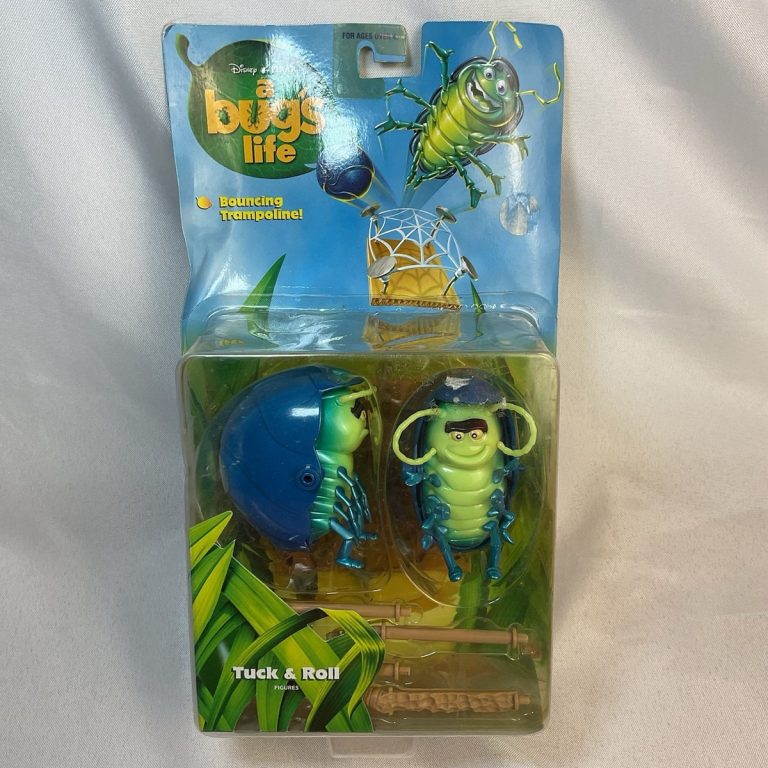
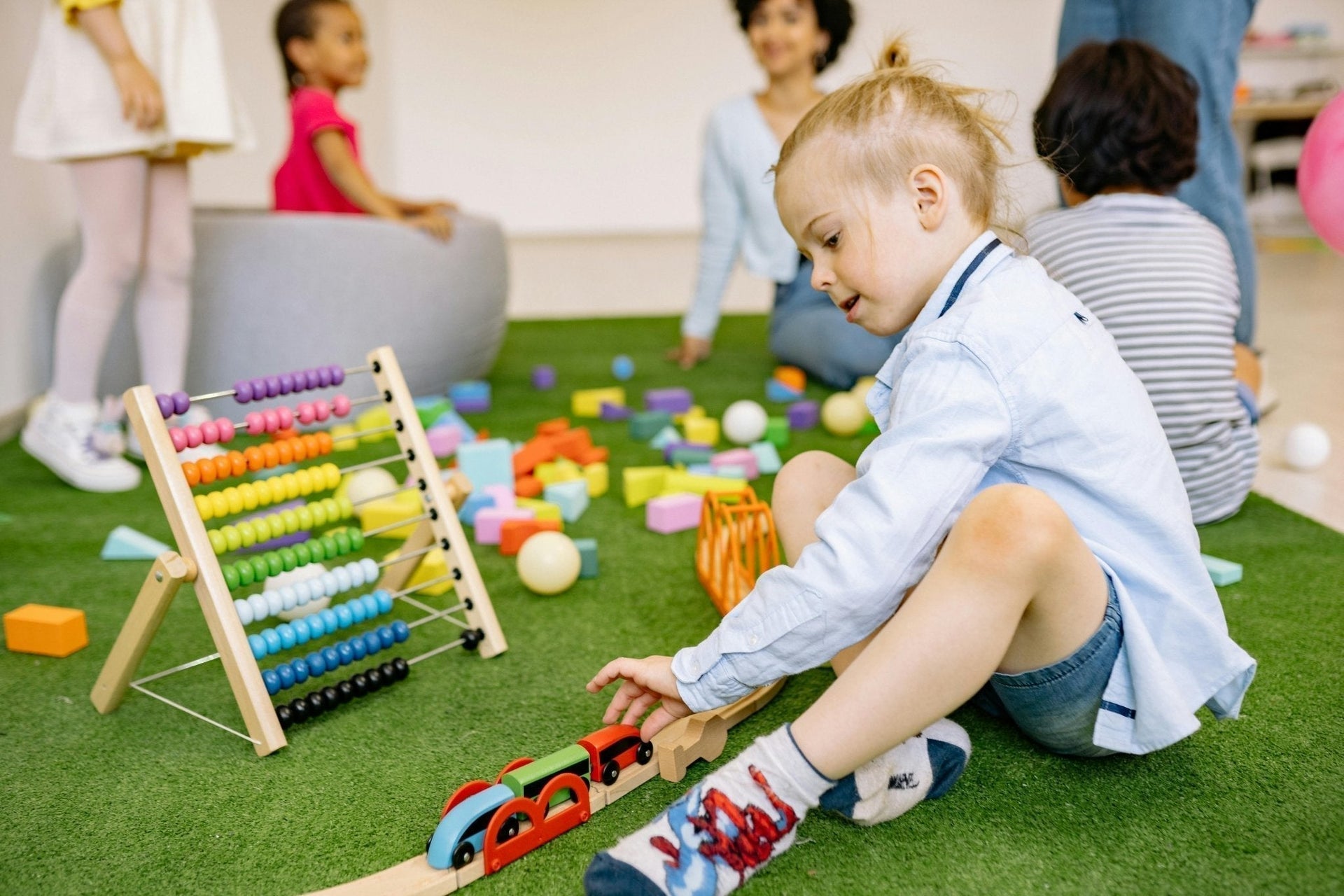
In early childhood, toys are more than just playthings; they’re essential for growth. During this stage, children are eager to explore the world around them. Toys like building blocks and simple puzzles help develop motor skills and cognitive abilities. This is the age when imaginative play takes center stage, with dolls and action figures becoming part of elaborate stories. Have you noticed how your toddler can transform a simple box into a spaceship? This creativity is crucial as it fosters problem-solving skills.
Middle Childhood
As children enter middle childhood, their interests start to evolve. Social play becomes more prominent, and toys often reflect this shift. Board games and sports equipment become popular as kids enjoy group activities. At this stage, children begin to seek toys that challenge their growing intellect. Science kits and model sets can captivate their curiosity. Think about the last time your child spent hours constructing a model airplane—it’s about building skills and confidence.
Pre-adolescence
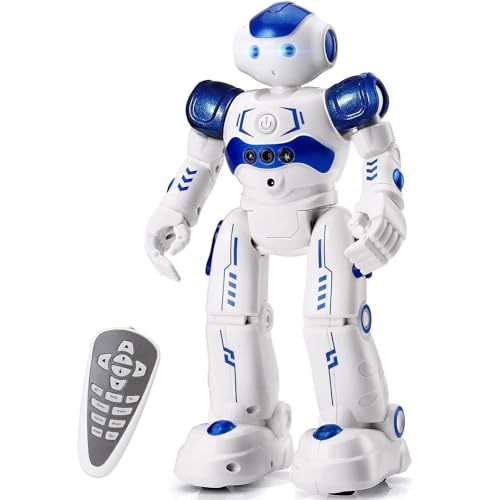
Pre-adolescence marks a significant transition. Kids start to outgrow traditional toys as they lean towards hobbies and technology. Video games, music, and art supplies often replace toys. This is when personal interests and peer influence play a crucial role. You might notice your pre-teen opting for gadgets over dolls. It’s natural as they explore identity and independence. How do you navigate this stage while ensuring they stay engaged in healthy activities?

Credit: parade.com
Factors Influencing Play
When do kids stop playing with toys? This question often crosses the minds of parents watching their children grow. While the timeline varies, several factors influence when a child might leave their beloved toys behind. Understanding these factors can help you navigate the transition smoothly, ensuring your child retains their creativity and joy even as interests shift.
Cultural Influences
Cultural norms play a significant role in shaping a child’s play habits. In some cultures, toys are seen as essential tools for learning and development, extending their relevance into adolescence. In others, early academic focus might replace playtime, prompting children to abandon toys sooner. Reflect on your own cultural influences and consider how they might affect your child’s play patterns.
Peer Pressure
As children grow, peer pressure becomes a powerful force. Your child might feel compelled to abandon toys if they perceive them as “uncool” among friends. A child passionate about LEGO might hide their creations if classmates tease them. Encouraging open dialogue about personal choices and peer influence can help your child navigate these pressures confidently.
Personal Interests
Every child is unique, and their interests can greatly influence how long they play with toys. A budding artist might shift from crayons to more sophisticated art supplies, leaving toys behind. Similarly, a tech-savvy child may replace physical toys with digital games or coding projects. Observe your child’s evolving interests and provide support as they explore new passions.
Signs Of Changing Interests
Children often drift from toys as they grow, seeking new interests. Video games, sports, and social activities begin to attract them more. This shift typically starts around age 7, marking a transition in their developmental journey.
Understanding when kids stop playing with toys can be a fascinating journey. As children grow, their interests evolve, and certain indicators hint at this transition. These changes often manifest subtly but significantly, showing a shift in their focus and activities. Recognizing these signs can help you support your child through their developmental stages.Decreased Toy Interaction
Observe how frequently your child engages with their toys. If they start leaving toys untouched in favor of other activities, it might be a sign of changing interests. Perhaps they’re spending less time in their playroom or quickly losing interest in toys that once captivated them. This shift might indicate they’re ready for new challenges and experiences.Increased Screen Time
Notice if your child is gravitating more towards screens. Whether it’s watching educational videos, playing games, or exploring creative apps, technology might be drawing their attention more than traditional toys. This isn’t necessarily negative; kids can learn a lot from digital resources. However, it’s essential to balance screen time with other activities to ensure holistic development.Preference For Hobbies
Your child might start showing a preference for hobbies over toys. Perhaps they’re interested in music, sports, art, or building projects. These activities can be incredibly enriching and foster creativity and skill development. Encourage them to explore these interests further, providing resources and opportunities to learn and grow. Could these hobbies be shaping their future passions?Encouraging Play At Any Age
Play is important at any age. It helps develop creativity and social skills. As kids grow, their play preferences change. Yet, the joy of play should remain. Parents can nurture this by offering diverse play options. These options should cater to evolving interests. This approach ensures that play remains a vital part of life.
Creative Play Ideas
Imagination fuels creativity. Offer art supplies for drawing and painting. Encourage storytelling with puppets or dolls. Building blocks are great for constructing unique structures. These activities stimulate the mind and enhance problem-solving skills.
Social Play Opportunities
Playing with others teaches teamwork. Organize playdates with friends. Group games like tag or soccer are fun and interactive. Board games foster friendly competition and strategic thinking. Social play builds communication skills and friendships.
Balancing Technology And Toys
Technology is a big part of life today. It’s essential to find a balance. Limit screen time to ensure it doesn’t replace traditional play. Use educational apps that encourage learning. Combine tech with toys for interactive experiences. This balance promotes healthy development and varied interests.
Benefits Of Continued Play
Kids often stop playing with toys as they grow, but continued play offers many benefits. It boosts creativity, helps with problem-solving, and supports emotional development, keeping the mind active and engaged.
The fascination with toys isn’t just for toddlers. Continued play offers numerous benefits that aid in the holistic development of children, even as they grow older. It is through play that kids learn essential life skills, develop their minds, and nurture their emotions. Let’s explore how play impacts various aspects of a child’s growth.Cognitive Development
When children engage in play, their brains are actively working. Building blocks, puzzles, and strategy games stimulate problem-solving skills and enhance memory. A personal anecdote—my nephew loved constructing elaborate Lego castles, which improved his spatial awareness and mathematical thinking. Think about how your child’s favorite toys might be shaping their cognitive abilities without either of you realizing it.Emotional Growth
Play is a powerful tool for emotional expression and understanding. Through imaginative play, children can explore different emotions and learn to navigate them. I recall my daughter using her dolls to act out scenarios, which helped her comprehend feelings of empathy and compassion. Have you noticed your child expressing emotions through their toys? This could be their way of processing real-life situations.Social Skills Enhancement
Sharing toys and playing with peers teaches kids essential social skills. They learn about cooperation, negotiation, and conflict resolution. A simple game of tag or a board game can foster a sense of community and friendship. Reflect on the times your child has made a friend through a shared interest in a toy or game. How did those experiences shape their ability to interact with others? Continued play, as children grow, isn’t just fun—it’s a vital aspect of their development. Encourage them to keep playing, and you might be surprised at the skills they acquire along the way.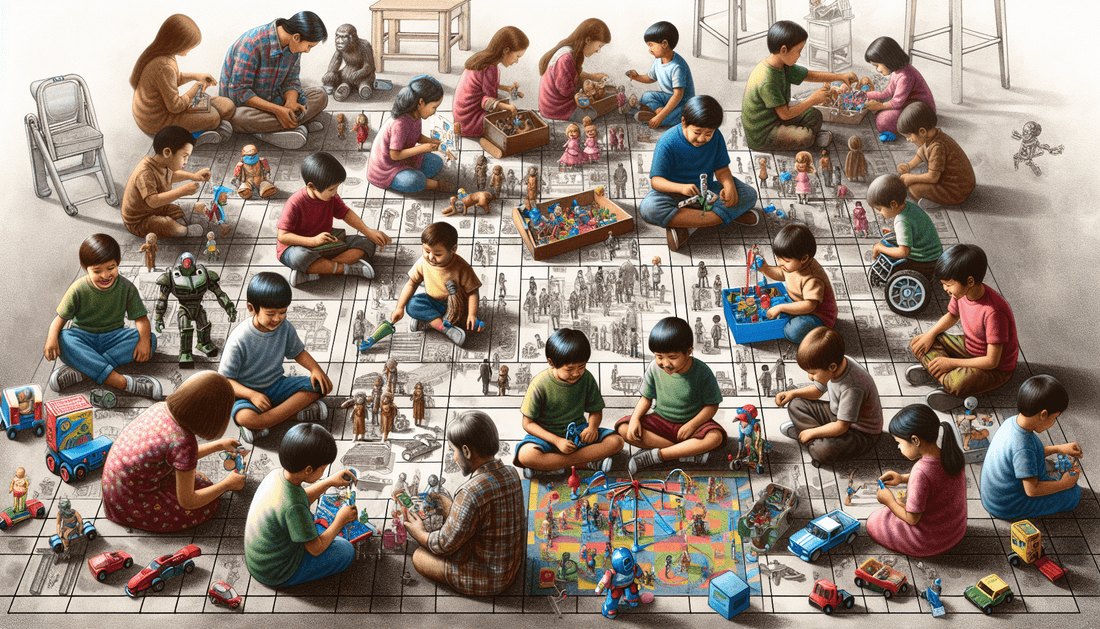
Credit: playtimenook.com
Transitioning To New Interests
Children often outgrow toys as they develop new interests and skills. This transition usually starts around age 9 or 10, driven by curiosity and social influences.
Transitioning to new interests is a natural part of growing up. As children mature, their curiosity often shifts from toys to new activities that pique their interest. This transition can be exciting but also challenging for both kids and parents. How do you guide your child through this phase while supporting their newfound passions?Introducing New Activities
Introducing new activities can open up a world of possibilities for your child. Encourage them to try a variety of hobbies, from art and music to sports and technology. This not only helps them discover what they enjoy but also broadens their skill set. Pay attention to what excites your child during these activities. If they’re thrilled about a science kit or a musical instrument, it might be worth exploring further. Remember, the goal is to keep the experience fun and pressure-free.Supporting Emerging Passions
Supporting emerging passions is crucial in nurturing your child’s development. If your child shows interest in a particular area, provide resources and opportunities for them to explore it further. This could mean signing them up for a class or setting up a small workspace at home. Be their cheerleader without overshadowing their efforts. Celebrate their small victories and encourage them to keep going, even when they face challenges. Your support can be the key to unlocking their potential.Fostering Independence
Fostering independence helps children grow into confident individuals. Encourage them to make choices about their activities and interests, teaching them responsibility and decision-making skills. This independence can be empowering and help them understand their preferences better. Give them space to explore on their own but remain available for guidance when needed. Trust in their ability to navigate new interests, and you might be surprised by their resilience and creativity.Parental Role In Play
Parents play a crucial role in children’s playtime, influencing their development and toy preferences. Kids often transition from toys to more complex activities around age 10, seeking new interests and hobbies.
Parental involvement plays a crucial role in how long children remain interested in toys. As kids grow, their interests evolve, but the foundation of play set by parents can significantly influence these changes. By fostering a nurturing play environment, parents not only help maintain their child’s interest in toys but also aid their overall development.Providing A Play-friendly Environment
Creating a space where children feel comfortable and safe to play is essential. This doesn’t mean you need a dedicated playroom. Simple adjustments like a cozy corner in the living room or a small outdoor area can suffice. Ensure toys are accessible, organized, and within reach. When children can easily find and choose what to play with, they are more likely to engage in play. A clean, inviting space encourages creativity and makes playtime enjoyable.Encouraging Exploration
Encouraging your child to explore different types of toys can open new avenues of interest. Introduce them to a mix of educational, creative, and physical toys. This variety helps in developing different skills and keeps playtime exciting. Observe what interests your child and gently guide them towards toys that challenge them. If they love building blocks, suggest a more complex set as they grow. Your active interest in their play choices can inspire them to explore further.Being A Play Partner
Sometimes, all it takes is a little involvement from you to make toys fascinating again. Join your child in their world of play. Whether it’s building a tower or playing pretend, your presence can make a significant difference. Being a play partner doesn’t mean taking over. Let your child lead the play and follow their cues. This not only strengthens your bond but also shows them that their interests are valued, encouraging them to keep playing.
Credit: parade.com
Frequently Asked Questions
At What Age Do Kids Stop Playing With Toys?
Children typically stop playing with toys around ages 9 to 12. Interests shift towards social activities, technology, and hobbies. However, this can vary based on individual preferences and developmental stages. Encouraging diverse interests can help in this transition.
Why Do Kids Lose Interest In Toys?
Kids lose interest in toys due to developmental changes and evolving interests. As they grow, social interactions and technology become more appealing. Their cognitive skills advance, prompting exploration beyond traditional toys. This is a natural part of growing up.
How Can Parents Support This Transition?
Parents can support by encouraging new interests and activities. Introducing hobbies, sports, and educational games can be beneficial. Maintaining open communication about their evolving interests is crucial. This helps in nurturing their growth and development effectively.
Are There Benefits To Prolonged Toy Play?
Yes, prolonged toy play fosters creativity and problem-solving skills. It enhances cognitive and motor development. Toys also promote emotional expression and social interaction. Ensuring a balance between toys and other activities is essential for holistic growth.
Conclusion
Kids grow and change. Interests shift. Toys become less important. They explore new hobbies. Sports, music, art, or games capture their attention. Social interactions grow. Friends play a bigger role. Learning takes center stage. Homework, projects, and school events fill their time.
Parents notice these changes. It’s natural. It’s part of growing up. Some kids may still enjoy toys. Others move on completely. Every child is unique. Respect their journey. Encourage new passions. Support their development. Balance play and learning. Keep communication open.
This transition is normal. Embrace this growth phase. Celebrate their milestones.