Have you ever wondered when the magical world of Toy Story unfolds? As you dive into the adventures of Woody, Buzz Lightyear, and the rest of the toy gang, you’re taken on a nostalgic journey that spans generations.
But pinpointing the exact time period of Toy Story can be a bit puzzling. Knowing when it all takes place can add a new layer of appreciation to this beloved film series. You’ll uncover the intriguing timeline of Toy Story, delving into clues and hints that the creators have sprinkled throughout the films.
Get ready to explore the subtle details and fascinating insights that will enhance your viewing experience. You’re about to discover a hidden aspect of Toy Story that might just change how you see it forever. Let’s dive in!
Credit: disney.fandom.com
Setting The Stage
Setting the stage for Toy Storyinvolves diving into a vibrant world. The movie introduced audiences to a unique universe of living toys. These toys experience adventures while their human owners remain unaware. Understanding the setting helps fans appreciate the story’s charm and creativity.
Understanding The Time Period
The film takes place in a modern suburban setting. Though not explicitly stated, clues suggest the mid-1990s. This aligns with the movie’s release in 1995. The technology and cultural references fit this period well.
The World Of Toys
In Toy Story, toys come to life when humans aren’t watching. This magical concept adds depth to their universe. Each toy has its own personality and backstory. They navigate their world with curiosity and courage.
Andy’s Room: The Heart Of The Story
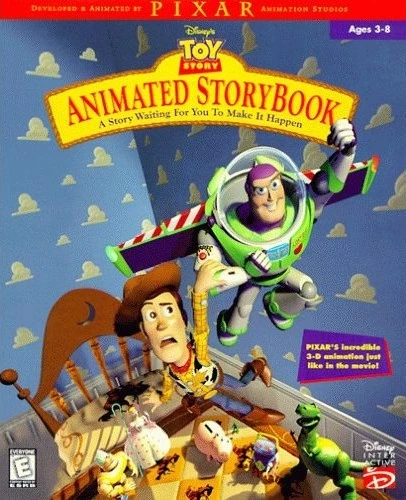
Andy’s room serves as the central hub for the toy characters. It’s a place filled with imagination and adventure. The room is decorated with posters and toys typical of the 90s era. This creates a cozy and nostalgic atmosphere.
The Suburban Neighborhood
The suburban setting offers a familiar backdrop. It reflects many childhood experiences and adventures. The neighborhood streets and homes enhance the story’s relatability. They provide a realistic stage for the toys’ escapades.
The Original Toy Story
Toy Story unfolds in a suburban neighborhood during the mid-1990s. The film captures a vibrant world where toys come to life when humans aren’t watching. This timeless setting adds charm and nostalgia to the beloved animation.
The original Toy Story, released in 1995, marked the beginning of a new era in animation. It was the first entirely computer-animated feature film and introduced audiences to a world where toys came to life when humans weren’t around. This groundbreaking film is set in a time and place that subtly reflects the culture and technology of its release period, offering viewers a nostalgic glimpse into the mid-90s.Clues From The Movie
Toy Story offers several clues that hint at the time period in which it is set. One notable clue is the technology featured throughout the movie. Andy’s room is filled with toys and gadgets typical of the early to mid-90s, like the iconic Etch A Sketch and the classic Mr. Potato Head. Another significant detail is the lack of modern technology that we see today. There are no smartphones or flat-screen TVs, only older models that were common during the 90s. These subtle elements paint a picture of the era, grounding the story in a relatable and familiar setting for many viewers.Historical Context
Understanding the historical context of Toy Story enhances the viewing experience. The mid-90s was a time of technological transition, with the internet beginning to make its way into homes and personal computers becoming more prevalent. However, the film wisely avoids these rapidly changing technologies, focusing instead on timeless childhood experiences. This choice allows the story to remain relevant and endearing across generations. It also highlights the timeless nature of imagination and play, which are central themes of the movie. By setting Toy Story in a subtly defined period, it not only captures the spirit of the 90s but also underscores universal themes that resonate with audiences of all ages. As you watch Toy Story, consider the details that root it in a specific time. What other clues might you find that hint at its setting? This attention to detail not only enriches the narrative but also connects us to the cultural tapestry of the 90s.Toy Story 2 Timeline
Toy Story 2 unfolds in the 1990s, capturing the everyday life of toys. The story continues from the original Toy Story, exploring the adventures of Woody and Buzz. This timeline highlights the bond between toys and their owners during this era.
Toy Story 2, the beloved sequel in the Toy Story franchise, offers a delightful continuation of the adventures of Woody, Buzz, and their friends. The timeline of Toy Story 2 is fascinating, as it stitches together various elements from the first film and introduces new dynamics and characters. Understanding the timeline gives you a deeper appreciation for the continuity and cultural elements that make this film a timeless masterpiece.Time Gaps And Continuity
Toy Story 2 takes place shortly after the events of the first film. Although there isn’t a specific year mentioned, the seamless continuation suggests a relatively short time gap between the two movies. One of the standout elements is how the film retains continuity by keeping the same set of characters, whose relationships have evolved. This consistency helps viewers feel a sense of familiarity, yet it also keeps them curious about how these characters will navigate new challenges. Did you ever notice how Andy’s toys seem to adapt quickly to new situations? This adaptability might just be a reflection of their growth from the first movie, which cleverly bridges the gap between films.Cultural References
Toy Story 2 is rich with cultural references that create a nostalgic experience for viewers. From nods to classic westerns to cheeky parodies of famous movies, the film is a treasure trove for film enthusiasts. Remember the scene where Buzz Lightyear takes charge of a rescue mission? The sequence humorously mirrors scenes from action films, adding a layer of enjoyment for adults who catch the reference. These references not only entertain but also serve as a time capsule, capturing the essence of the era when the film was made. They invite you to reflect on how pop culture influences storytelling and your personal experiences with media over time. As you revisit Toy Story 2, consider how these cultural nods might resonate differently with you now compared to when you first watched the movie.Exploring Toy Story 3
When you think about Toy Story 3, you might feel a wave of nostalgia wash over you, remembering how you felt when the beloved toys faced new adventures and challenges. This film is not just a continuation of the story but a poignant exploration of time and its effects. As we dive into the details, you’ll discover how time shapes the beloved characters and the story itself.
Passage Of Time
In Toy Story 3, time plays a crucial role. Andy, the boy who cherished these toys, is now grown up and heading to college. This transition from childhood to adulthood sets the stage for the toys’ journey, reflecting the inevitable changes we all face as time moves forward.
Have you ever looked at an old toy and remembered the joy it once brought you? As Andy packs up his childhood and moves on, it’s a reminder of how quickly time passes, prompting you to cherish those fleeting, precious moments.
Impact On Characters
The passage of time significantly impacts the characters in Toy Story 3. Woody, Buzz, and the gang are forced to confront the reality of being forgotten and replaced. This shift challenges their sense of identity and purpose.
Consider Woody’s unwavering loyalty to Andy. It reflects a deep bond that transcends time. As the characters evolve, you see them grappling with their fears and hopes, a mirror of your own journey through life’s transitions.
What would you do if you were in their shoes? The film invites you to reflect on how you handle change and the passage of time, encouraging you to embrace new beginnings while honoring your past.
Toy Story 4 Timeframe
Understanding the timeframe of Toy Story 4can deepen your appreciation of the film’s narrative and character development. While the Toy Story series has always been about friendship and growth, the timeline offers additional layers to consider. Let’s explore when Toy Story 4 is set and what clues can be found throughout the film.
Hints From The Plot
The storyline of Toy Story 4 offers subtle hints about its timeframe. The movie picks up shortly after the events of Toy Story 3, which concluded with Andy heading off to college. As Woody and his friends find themselves with a new owner, Bonnie, it suggests a progression of just a few years.
Bonnie is still in her early school years, indicating that not much time has passed since Andy’s departure. The continuity of the characters’ relationships and their established dynamics also suggests a relatively short gap between the films. Do you remember how quickly life seemed to move when you were a kid?
Technological Advances
Technology in Toy Story 4 further hints at its timeframe. The toys interact with devices and gadgets that reflect modern advancements. For instance, Bonnie’s family uses a GPS system in their RV, a feature that aligns with recent years rather than the late 90s when the first movie was set.
This subtle inclusion of technology mirrors our own rapid tech evolution, making the film feel current. Think about how quickly technology changes in your life—doesn’t it feel like a new gadget appears every week? The filmmakers smartly use these details to ground the story in a believable present-day setting.
Credit: www.laughingplace.com
Fan Theories And Speculations
When it comes to beloved animated films, Toy Story holds a special place in the hearts of many. Yet, despite its popularity, fans have long debated when exactly Toy Story takes place. This has sparked a multitude of theories and speculations, each bringing unique perspectives to the story’s timeline. Whether you’re a casual viewer or a die-hard fan, exploring these theories can add a new layer of enjoyment to your next Toy Story viewing. Let’s dive into the intriguing world of fan theories and speculations surrounding the timing of Toy Story.
Alternate Timelines
One popular theory suggests that Toy Story exists in an alternate timeline where toys have been alive for centuries. This concept opens a fascinating dialogue about the history and evolution of toys themselves. Have you ever wondered if Woody and Buzz have experienced different eras before arriving in Andy’s room? Imagining them adapting to changing styles and technologies can lead to some exciting possibilities.
While some argue that the presence of certain toys hints at a specific era, others believe the movie intentionally leaves the timeline ambiguous. This ambiguity allows viewers to project their own childhood memories onto the story, making it universally relatable. Could this be why Toy Story resonates across generations?
Unanswered Questions
Despite multiple viewings, many fans find themselves pondering unanswered questions about the timeline. For example, how did Woody come into Andy’s possession, and what is his true origin story? These mysteries fuel debates and encourage viewers to create their own backstories for beloved characters.
Another intriguing question is why certain toys in Andy’s collection seem outdated for the time period suggested by the film’s technology. This discrepancy invites speculation about Andy’s family history and the sentimental value attached to these toys. Could these toys have been passed down from previous generations, each carrying its own story?
As you revisit Toy Story, these fan theories and speculations offer a fresh lens through which to appreciate the film’s timeless appeal. What other mysteries might reveal themselves upon closer inspection?
Behind The Scenes Insights
Delving into the timeline of Toy Story reveals its setting in the 1990s. The film captures a nostalgic era, showcasing toys from that period.
Toy Story, a beloved classic, has charmed audiences of all ages with its imaginative storyline and endearing characters. But have you ever paused to wonder when this iconic film actually takes place? Understanding the timeline of Toy Story requires a peek behind the curtains into the creators’ intentions and the production timelines. Let’s dive into the intriguing behind-the-scenes insights that shed light on this mystery.Creators’ Intentions
The creators of Toy Story, led by the visionary minds at Pixar, always aimed to craft a timeless story. They wanted the film to feel relatable regardless of the era. This intention is evident in the blend of technology and traditional toys seen throughout the movie. Pixar’s animators paid close attention to details, ensuring that the toys and their world resonated with both children and adults. They designed a setting that feels familiar yet not tied to a specific time. This approach allowed the film to maintain its charm across generations.Production Timelines
The production of Toy Story began in the early 1990s, a period that significantly influenced its design and setting. Released in 1995, the film reflects the technological advancements and cultural nuances of that time. You can spot these influences in the characters’ interactions and the gadgets they use. However, the film’s creators intentionally avoided dating it. They aimed for a timeless feel, ensuring it would remain relevant and beloved. This decision is why you might notice a mix of retro elements alongside more modern aspects. As you watch Toy Story, consider the blend of past and present in its storyline and design. How does this mix affect your perception of the film’s setting? Understanding these behind-the-scenes decisions enriches the experience, offering a deeper appreciation for this cinematic masterpiece.
Credit: www.reddit.com
Frequently Asked Questions
When Is Toy Story Set?
Toy Story is set in the mid-1990s, reflecting the time of its release in 1995. The movie captures the essence of suburban life during this period. The film’s setting and atmosphere resonate with the technological and cultural aspects of the 90s, providing a nostalgic backdrop.
What Year Does Toy Story Occur?
Toy Story occurs around 1995, which aligns with its release date. The setting reflects the everyday life and culture of the mid-90s. This period is depicted through the toys, household items, and technology seen in the film, offering a snapshot of that era’s lifestyle.
How Does Toy Story Depict Its Time Period?
Toy Story depicts its time period by showcasing 90s suburban life. The film includes toys, technology, and cultural references popular in the 90s. This approach immerses viewers in a familiar setting, enhancing the movie’s relatability and nostalgic appeal for audiences who grew up during that time.
Are There Any 90s References In Toy Story?
Yes, Toy Story features several 90s references that enhance its authenticity. These include toys like Mr. Potato Head and Slinky Dog, which were popular during that era. The film’s setting, technology, and cultural elements reflect the typical suburban life of the 1990s, resonating with audiences familiar with that time.
Conclusion
Toy Story’s timeline brings magic to childhood memories. Set in the 1990s, its nostalgia captivates audiences. Characters like Woody and Buzz become iconic, sparking imagination everywhere. The film’s setting reminds us of simpler times. Its story connects deeply with viewers, both young and old.
Understanding its timeline enriches our appreciation of the film. The adventures, friendships, and heartfelt moments resonate universally. Toy Story remains timeless, embodying joy and wonder. Its world invites us to relive cherished moments. Dive into its universe and experience the magic again.