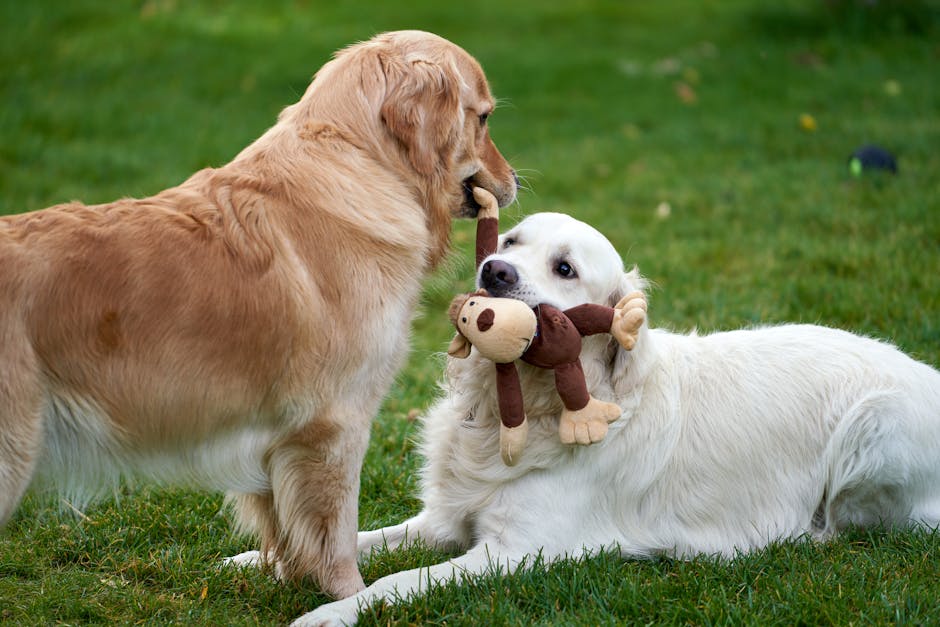
Have you ever wondered why your dog proudly trots over to you with a slobbery toy in their mouth? It’s a scene that’s both adorable and puzzling.
You might think it’s just a playful gesture, but there’s more to this behavior than meets the eye. Understanding why dogs bring you toys can deepen the bond you share with your furry friend and unlock insights into their playful hearts.
Imagine the joy of knowing exactly what your dog is trying to communicate. This isn’t just about playtime; it’s about uncovering the hidden language of your loyal companion. Get ready to dive into the mind of your dog and discover the fascinating reasons behind their toy-gifting habits. Keep reading, because once you understand this, you’ll never look at your dog’s favorite squeaky toy the same way again.

Credit: gr.pinterest.com
Instinctual Origins
Dogs bring toys due to their instinctual desire to please and connect. This behavior also reflects their playful nature and need for interaction. Offering toys can be a way for dogs to share joy and create bonds.
Dogs have a curious habit of bringing their owners toys. This behavior isn’t just for fun; it’s deeply rooted in their instincts. Understanding these instinctual origins can help you appreciate your dog’s actions better.Hunting And Gathering
Dogs are natural hunters and gatherers. Their ancestors hunted for food in the wild. Bringing toys mimics their ancestral need to hunt prey. When your dog brings a toy, it’s channeling that ancient hunting instinct. Toys become their prey, satisfying their urge to track and capture.Pack Behavior
Dogs are pack animals by nature. In a pack, sharing is crucial. Bringing toys is a way to share and connect with you, their pack leader. This behavior strengthens bonds and shows loyalty. It’s their way of saying, “You’re part of my pack, let’s play together.”Seeking Attention
Dogs bring toys to seek attention and share joy with their owners. This behavior shows affection and a desire to play. It’s a simple way for them to bond and communicate.
Dogs often bring toys to their owners to seek attention. This behavior is their way of communicating and creating a bond. By presenting a toy, dogs initiate interaction, showing they want to engage with you. They might do this when feeling neglected or wanting to be noticed. This is their way of saying, “Hey, look at me!”Desire For Interaction
Dogs are social animals that thrive on interaction. Bringing toys is their invitation to play. It’s a sign they want to share moments with you. This can be a simple game of fetch or tug-of-war. They enjoy these activities because they strengthen your bond. Playing with your dog fulfills their need for companionship. It also helps them feel more connected and loved.Signs Of Boredom
A bored dog will often seek ways to entertain themselves. Bringing toys is one of these ways. It’s their attempt to turn a dull moment into fun. Dogs may bring toys when they have nothing else to do. This behavior can be a call for help. They need stimulation and new activities. Regular playtime can prevent boredom-related behaviors. Keeping their mind active is essential for their well-being.Bonding And Affection
Dogs bring toys to their owners as a sign of affection and a desire to bond. Sharing toys is their way to engage and connect with you. This behavior highlights their social nature and eagerness to interact.
Bonding and Affection Dogs are known for their loyalty and affection, often expressing these feelings in unique ways. One such gesture is when they bring you toys. It’s more than just play; it’s a profound form of communication. When your dog drops a toy at your feet, they are not just inviting you to play; they are reaching out for connection.Gift-giving In Canines
Dogs naturally enjoy the act of giving. This behavior can be traced back to their wild ancestors who would bring back food for the pack. In domestic settings, instead of prey, your dog brings toys as a gesture of sharing and goodwill. The toy may even be your dog’s favorite, showing their trust in you. Such acts are a way dogs express affection, similar to how you might bring home flowers or chocolate for a loved one.Strengthening Human-dog Relationships
Sharing toys can help strengthen the bond between you and your dog. It’s a sign they see you as part of their ‘pack’. Engaging with your dog during these moments builds trust and reinforces the relationship. Next time your dog brings you a toy, take a moment to appreciate this gesture. It’s not just about play; it’s about connection. Have you ever wondered what your dog is trying to tell you with their toy offering? By understanding these gestures, you can deepen your bond and create a more affectionate relationship.Play And Entertainment
Dogs have a unique way of inviting us into their world of play and entertainment. When your furry friend brings you a toy, it’s not just about the object itself. It’s a call to action, an invitation to engage and share in a moment of joy. Understanding the reasons behind this behavior can enhance your bond and make your time together even more fulfilling.
Stimulating Activities
Dogs thrive on mental stimulation. Bringing you a toy is their way of saying, “Let’s do something fun together!” They enjoy activities that challenge their intelligence, like interactive games and puzzles. Think about times when your dog has nudged you with their favorite squeaky toy, seeking your attention. It’s a clear sign they want to engage in a game that keeps their mind sharp and curious.
- Consider introducing toys that require problem-solving.
- Rotate toys regularly to keep their interest alive.
- Engage them with toys that mimic prey, stimulating their instincts.
Encouraging Physical Exercise
Bringing you a toy isn’t just about mental games; it’s also a plea for physical activity. Dogs need regular exercise to stay healthy and happy. Whether it’s a game of fetch or a tug-of-war, these activities provide the perfect outlet for their energy. When was the last time you noticed your dog’s excitement as you picked up a ball?
Physical play helps maintain their fitness and manage weight. It also strengthens your bond, as exercise becomes a shared activity.
- Schedule daily play sessions to keep your dog active.
- Explore different toys that promote movement.
- Join in the fun with activities like running or hiking.
Have you ever wondered why your dog favors certain toys over others? Observing their choices can offer insights into their preferences for play and exercise. Embrace these moments, and you’ll find joy in the simplest acts of play.
Training And Reinforcement
Dogs often bring toys to show affection or initiate playtime. This behavior can be a sign of trust and a way for them to bond with you. Toys also serve as a comforting object, reminding them of joyful moments shared together.
Dogs bringing you toys is not just a random act of cuteness. It often stems from training and reinforcement. When dogs learn that certain behaviors result in rewards, they are more likely to repeat those actions. This behavior can be shaped through effective training techniques that focus on positive reinforcement and established commands.Positive Reinforcement Techniques
Positive reinforcement is a powerful tool in training your dog to bring you toys. It involves rewarding your dog when they perform a desired action. For instance, when your dog brings you a toy, immediately offer a treat or verbal praise. This will make them associate the act with positive outcomes. Consistency is key. If your dog receives a reward every time they bring you a toy, they learn that this behavior is beneficial. Sometimes, even a simple belly rub or playtime can be enough to encourage your dog to repeat the behavior. What reward motivates your dog the most?Establishing Commands And Cues
Teaching your dog specific commands can streamline the toy-bringing process. Start with simple cues like “bring” or “fetch.” Keep your commands short and clear. You could use a toy as a visual cue to reinforce the verbal command. Practice regularly to ensure your dog understands and responds correctly. During training sessions, you can use gestures or point to the toy to help your dog grasp what you expect. Remember, patience and repetition are essential. How quickly does your dog pick up new cues? Training and reinforcement aren’t just about teaching a dog tricks; they foster a bond between you and your dog. Every time your dog brings you a toy, it’s a sign of trust and communication.
Credit: www.youtube.com
Interpreting Dog Behavior
Dogs bring you toys to show affection and seek interaction. This behavior can indicate trust and a desire to play. Understanding this can strengthen the bond between you and your dog.
Understanding why dogs bring you toys can be a fascinating journey into their world. Dogs communicate in unique ways, often leaving us to decode their messages. Each wag, bark, and playful gesture carries meaning, revealing their desires and emotions. By interpreting dog behavior, you can build a stronger bond with your furry friend.Reading Body Language
A dog’s body language is a window into their thoughts. Notice how your dog’s tail wags differently—each wag tells a story. A relaxed, sweeping wag might mean they’re content, while a rapid, stiff wag could signal excitement or agitation. Observe their posture when they bring you a toy. Are they bowing, ears perked? This could indicate a playful invitation, urging you to join in their fun.Understanding Vocalizations
Listening to your dog’s vocal cues can enhance your understanding of their needs. A soft whine or a series of barks might accompany the toy delivery. This is often an attempt to communicate excitement or the desire for attention. Different barks carry distinct messages. A high-pitched yip can express joy, while a more insistent bark might be a call for action. Pay attention to the context and tone of their sounds to better interpret their intentions. By tuning into these signals, you can respond more effectively to your dog’s needs. What has your dog been trying to tell you lately?Addressing Potential Issues
Dogs bringing toys is often a delightful gesture. Yet, it can sometimes lead to challenges. Overzealous behavior and ensuring safe play are crucial topics to consider. Both help maintain a healthy balance and ensure enjoyable playtimes.
Dealing With Overzealous Behavior
Some dogs get overly excited during play. This can lead to rough handling of toys. Such behavior might indicate high energy or anxiety. It’s important to understand your dog’s needs. Regular exercise can help calm them. Structured play sessions can also be beneficial. Teaching commands like “drop it” can improve control. These methods help maintain calmness.
Ensuring Safe Play
Safety is important in play. Toys should be suitable for your dog’s size and strength. Avoid toys with small parts that can be swallowed. Inspect toys regularly for wear and tear. Choose sturdy materials to prevent accidents. Supervising playtime reduces risks. Establishing play rules helps both you and your dog. Safe play ensures fun and prevents mishaps.

Credit: www.reddit.com
Frequently Asked Questions
Why Do Dogs Offer Toys To Their Owners?
Dogs often bring toys to their owners as a sign of affection and trust. This behavior stems from their instinct to share prized possessions with their pack. Offering toys can also be a way to initiate playtime or seek attention.
It’s their way of saying, “Let’s have fun together!”
Is Bringing Toys A Sign Of A Happy Dog?
Yes, bringing toys is typically a sign of a happy and content dog. It shows they feel comfortable and secure in their environment. Dogs use this behavior to bond with their owners and to express their playful nature. A dog eager to share toys is generally well-adjusted and joyful.
Do All Dogs Bring Toys To Their Owners?
Not all dogs exhibit this behavior, as it varies based on personality and breed. Some dogs are more inclined to fetch and share toys than others. Factors like training, environment, and individual temperament play a role. Dogs that don’t bring toys might express affection in other ways.
How Should I Respond When My Dog Brings A Toy?
Respond positively when your dog brings a toy. Engage in play or offer praise to reinforce this behavior. Showing enthusiasm can strengthen your bond and encourage your dog’s playful nature. This interaction is crucial for building trust and maintaining a happy relationship with your pet.
Conclusion
Dogs bring toys to show affection. They love sharing with their humans. This action strengthens bonds and builds trust. Toys are a way for them to communicate. Sometimes, they want attention or playtime. Each toy they bring tells a story.
A story of care, joy, and friendship. Understanding this behavior helps connect better with your dog. It’s their way of saying, “I love you. ” So next time your dog brings a toy, cherish the moment. It’s a simple act filled with love.
An expression of the special bond you share.